Quick Answer
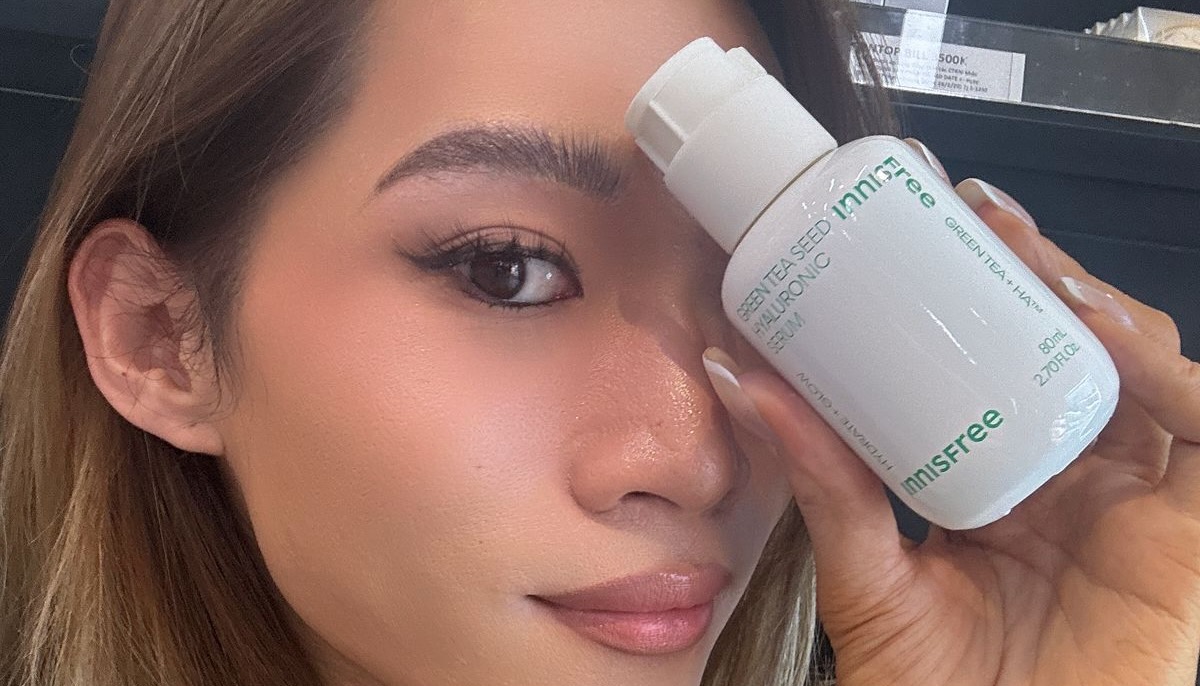
Yes, a lot of INNISFREE products are genuinely good, especially their everyday sunscreens, lightweight hydration products, and oil-control staples. Personally, I tend to reach for their masks, Green Tea hyaluronic products, and some of the newer retinol formulas the most. Not every line is a must-buy, but the best ones are easy to use and still worth considering in 2026. If you have sensitive skin, just be a little careful with some of the older fragranced formulas.
INNISFREE is one of those brands almost everyone has heard of, even if they are only halfway into K-beauty. It has the Korean skincare reputation, the Jeju Island branding, the green-tea identity, and enough shelf presence that a lot of people assume it must be good. But the more useful question isn’t whether the brand is famous. It’s whether the products are still worth buying in 2026.
From my experience, the answer is a bit more interesting than a simple yes or no. Some INNISFREE products are genuinely solid and easy to recommend — especially the brand’s lightweight hydration products, a few of the masks, and some of the newer retinol formulas. The sunscreens and oil-control basics are also still strong everyday options.
At the same time, a few older formulas feel a bit stuck in an earlier era of K-beauty, where fragrance and “natural” branding did more of the work than the formula itself. So in this guide, I’m breaking down what kind of brand INNISFREE really is, which lines still make sense today, what sensitive skin users should watch out for, and which products are actually worth buying now.
What kind of brand is INNISFREE?
INNISFREE sits in that very accessible middle lane of K-beauty. It is not the cheapest brand on the shelf, but it is usually more approachable than the luxury side of Korean skincare. The brand identity has always leaned hard on nature-meets-science, especially through Jeju ingredients, green tea, volcanic clusters, and now newer ingredient stories like Green Tea PDRN.
In real-life shopping terms, I think of INNISFREE as a gateway K-beauty brand with some genuinely strong hero products. It is especially appealing for people who want skincare that feels polished, easy to understand, and a little more aesthetic than strictly clinical brands. That said, it is not one of those brands where I blindly trust every line. It works best when you know which categories it does well.
Where to buy INNISFREE products?
The safest move is always to buy from official or clearly authorized channels. In Korea, INNISFREE is sold by Amore Mall, which is the official retail platform for Amorepacific brands. Depending on where you live, that usually means the INNISFREE site itself, Amore Mall, Sephora, Amazon's official brand storefront, or local country-operated channels. For Vietnam specifically, there is still an official local INNISFREE presence, which matters because fake or old stock is a real issue with popular K-beauty brands.
My favorite INNISFREE products
These are the INNISFREE products from the site that I think best represent what the brand still does well. A few are practical, a few are more treatment-focused, and a few are just genuinely easy to recommend because they fit real routines.
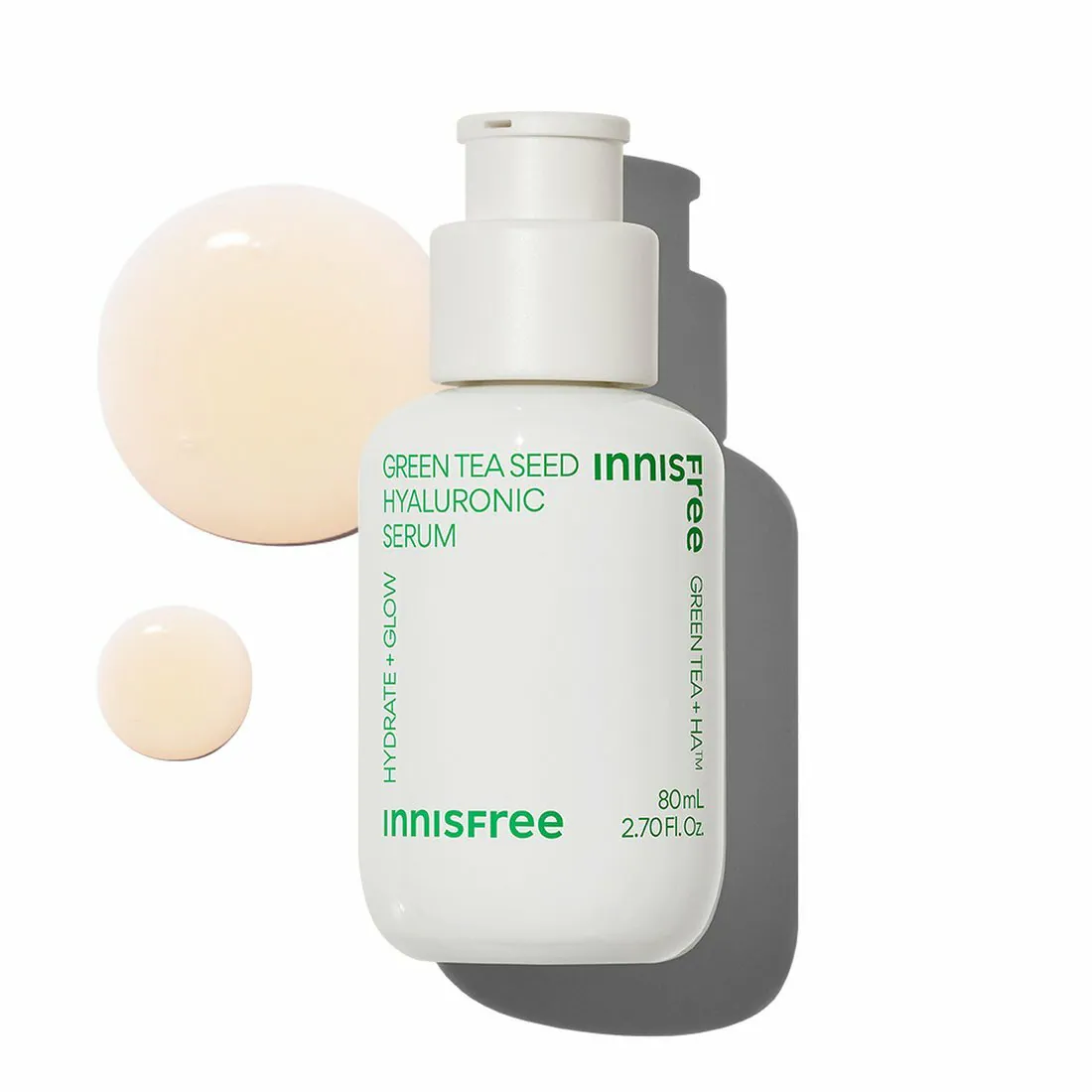
INNISFREE Green Tea Seed Hyaluronic Serum
This is one of the safest entry points into the brand because it gives you that lightweight, easy-layer hydration INNISFREE has always done well without feeling heavy or too complicated.
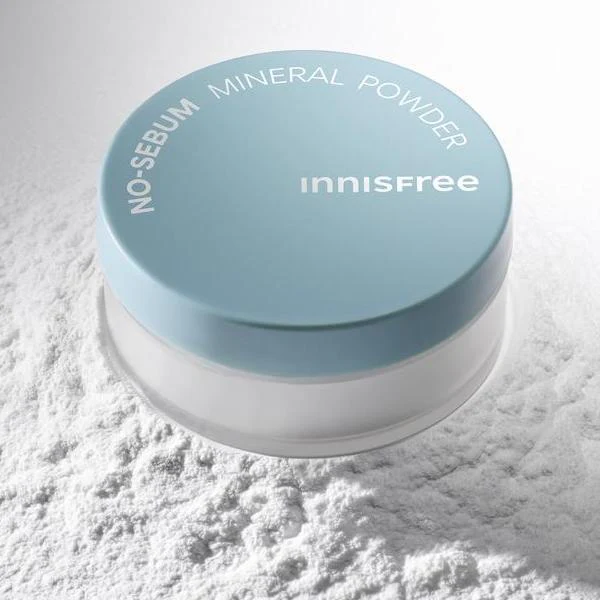
INNISFREE No Sebum Mineral Powder
This is still one of the most iconic practical products in the brand. If your face gets shiny fast, this is the kind of simple product that keeps earning its place.
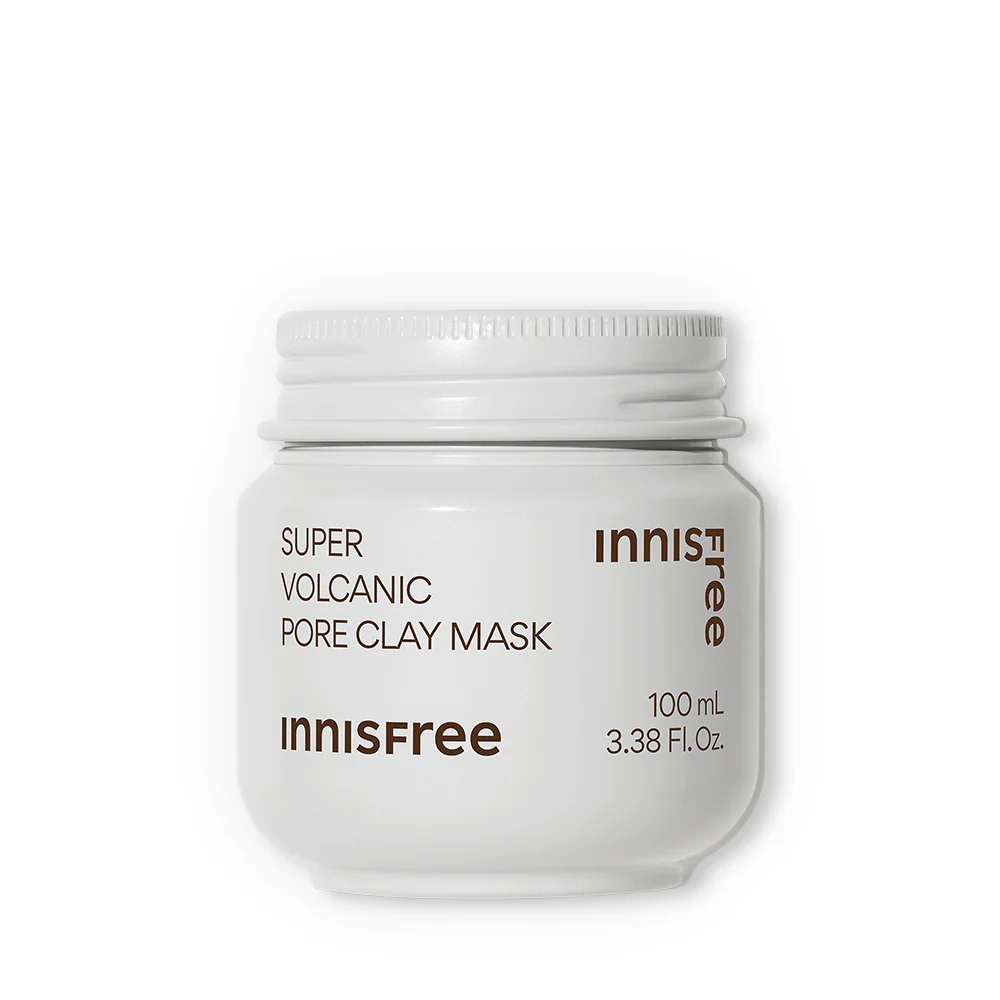
INNISFREE Super Volcanic Pore Clay Mask
This is the oily-skin classic. It still makes sense if you deal with excess oil, clogged pores, or that "my skin feels coated by the end of the day" feeling.
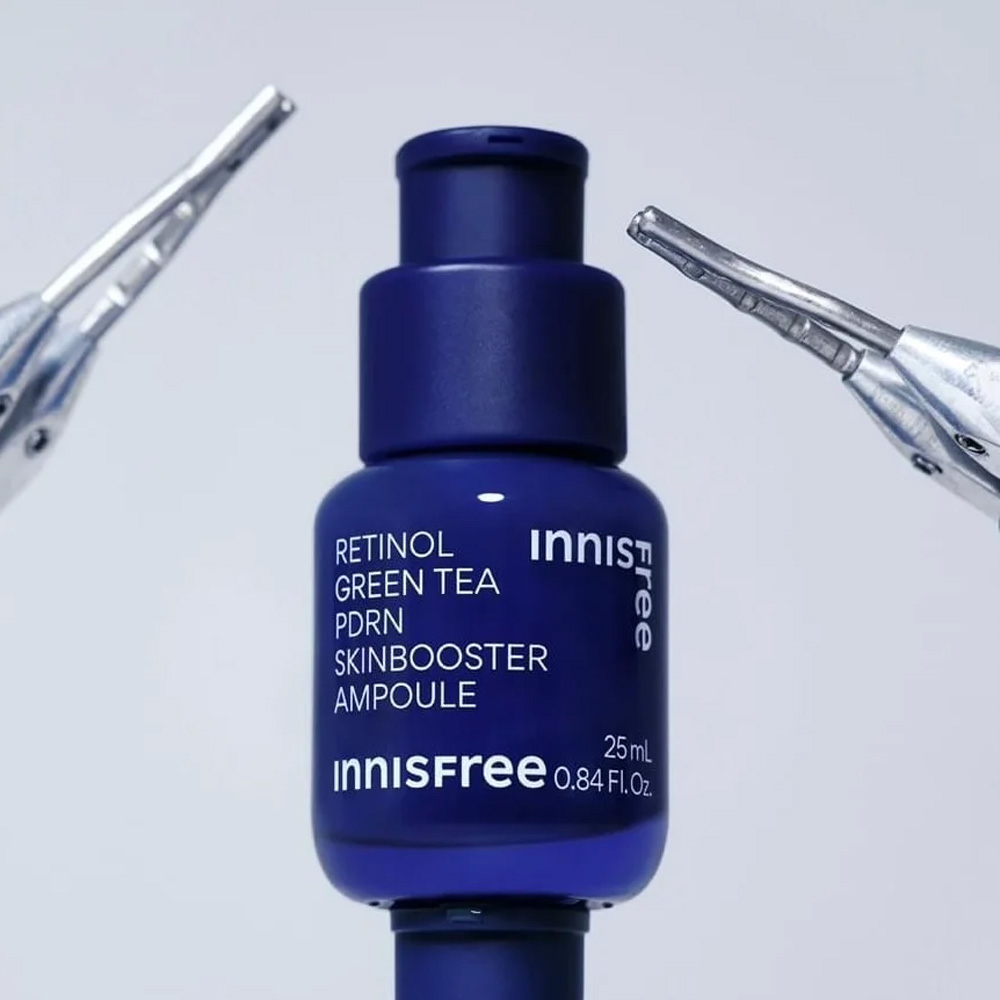
INNISFREE Retinol Green Tea PDRN Skinbooster Ampoule
This is the kind of launch that makes the brand feel more current again. It has a more modern treatment vibe than a lot of the older INNISFREE catalog.
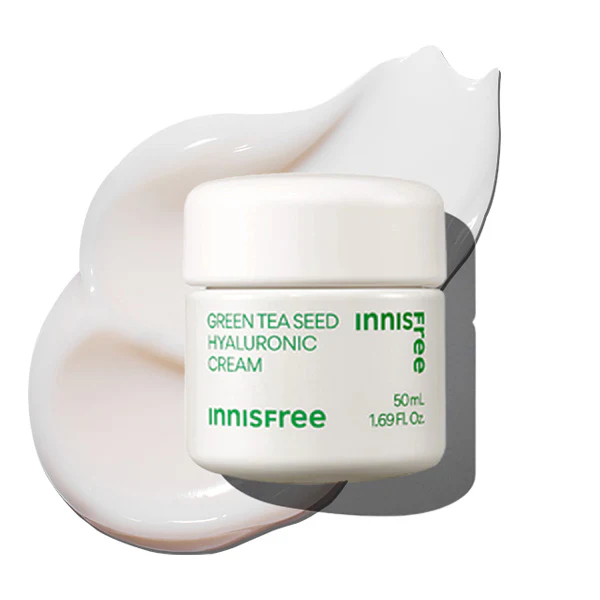
INNISFREE Green Tea Seed Hyaluronic Cream
If you want the comfort-product version of the brand, this is it. It is one of the most straightforward everyday moisturizers in the lineup.
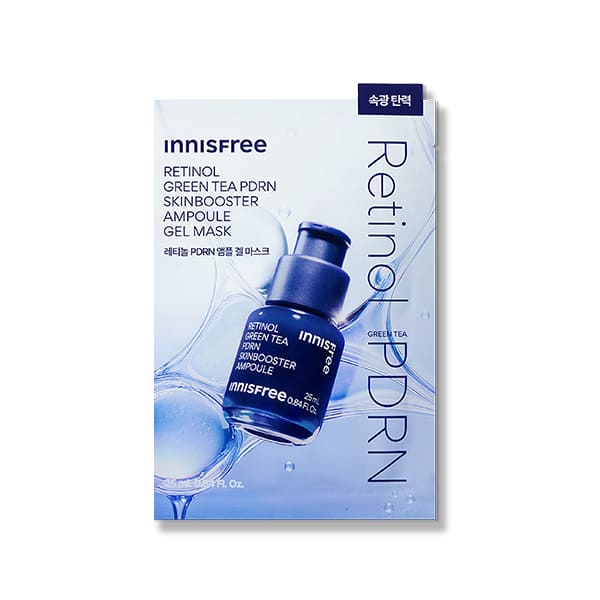
INNISFREE Gel Mask
This is a nice "treat skin without making it a project" kind of product. I like it most for people who want a hydrating support step that still feels fun to use.
Is INNISFREE Korean?
Yes. INNISFREE is a Korean skincare brand, and that Korean identity is a big part of its appeal. The brand is closely tied to Jeju Island in its marketing and ingredient storytelling, and that has been one of its signature angles for years. So when people ask whether INNISFREE is actually Korean or just marketed like one, the answer is simple: it is a real Korean brand.
Are INNISFREE products actually good, or just popular?
I think they are actually good in a selective way. INNISFREE is not just popular because the packaging is cute or because K-beauty fans are nostalgic. The brand still does a few things well enough that people keep coming back: lightweight textures, easy daily use, solid sunscreen formulas, and reliable "starter" products for hydration and oil control.
Where the brand can feel overrated is when the product is leaning more on story than performance. That is most obvious in some older nature-forward lines that feel pleasant but not particularly advanced anymore. So no, I would not call INNISFREE overhyped across the board. I would call it a brand with a mix of real hits, decent basics, and a few formulas that now feel older than the marketing wants them to feel.
Which INNISFREE products are the best-reviewed right now?
The products that look strongest right now are the ones that combine brand popularity with either consistently strong user response or continued editorial visibility. The Green Tea Seed Hyaluronic Cream is one of the most obvious examples because it still has very strong review momentum. The No Sebum Matte Mineral Setting Powder also continues to hold a serious following, which makes sense because it is one of the brand's most practical products. The Green Tea serum, the Super Volcanic mask, and the newer retinol-PDRN launches are also among the most relevant parts of the lineup now.
| Product | Why it still matters | Best for |
|---|---|---|
| Green Tea Seed Hyaluronic Cream | One of the brand's most dependable hydration products and easy to recommend to beginners | Normal, dry, dehydrated, combination skin |
| Green Tea Seed Hyaluronic Serum | Still one of the easiest "starter serum" products in the line | Dehydrated skin, barrier support, daily layering |
| No Sebum Mineral Powder | Practical, iconic, and still very useful if your face gets shiny fast | Oily skin, makeup touch-ups, humid weather |
| Super Volcanic Pore Clay Mask | A classic oil-control and pore-care product that still makes sense for the right skin type | Oily, congested, blackhead-prone skin |
| Retinol Green Tea PDRN line | Feels more modern than a lot of the brand's older launches | Texture, glow, early slow-aging routines |
| Daily UV Defense Sunscreens | One of the brand's strongest categories, especially for daily wear | Most skin types, especially people who hate heavy SPF |
Is INNISFREE good for sensitive skin?
Sometimes yes, but not automatically. This is the part where people get lazy with brand reputation. INNISFREE has some sensitive-skin-friendly products and some products I would not point a reactive face toward first. The newer barrier and fragrance-free direction is much more interesting for sensitive skin than the older, heavily scent-led side of the brand.
So I would not describe INNISFREE as a pure sensitive-skin brand. I would describe it as a brand where you need to shop by line, not by logo. If you have reactive skin, redness, or a damaged barrier, the better bets are the gentler, fragrance-free, barrier-repairing products. The riskier bets are the more obviously fragranced legacy formulas.
Sensitive skin shortcut
Look for the newer, lower-fragrance, barrier-focused products first. If a formula sounds more like a scent experience than a skin-repair product, I get cautious.
Are INNISFREE products fragranced, and does that matter?
A lot of the brand's reputation, especially among long-time K-beauty users, is tied to the fact that some of the older INNISFREE products were pretty fragranced. That does not mean every product is loaded with fragrance now, because the brand has clearly moved more of its lineup toward fragrance-free or lower-irritation positioning in key categories. But it does mean you should not assume "natural-looking brand" equals fragrance-free.
Does it matter? It depends on your skin. If your skin is pretty resilient, a pleasant scent is not necessarily a dealbreaker. If you are reactive, rosacea-prone, easily itchy, or you already know fragrance bothers you, then yes, it absolutely matters. For that skin type, fragrance can be the difference between a product being "nice" and a product becoming a problem.
Is INNISFREE good for oily or acne-prone skin?
This is honestly one of the brand's better lanes. INNISFREE has long done well with lightweight textures, oil-control products, and easy daily-use items. That is exactly why oily users still keep coming back to things like the No Sebum powder and the volcanic pore-care category.
I would still be a little more cautious if your skin is actively inflamed or very acne-sensitive. Oily and acne-prone are not the same thing. Oily skin can love a mattifying product. Acne-prone skin still has to think about irritation, barrier support, and whether a formula plays nicely with treatments. But overall, INNISFREE is more convincing for oily skin than it is for ultra-sensitive skin.
Which INNISFREE lines are worth buying in 2026?
In 2026, the INNISFREE lines that still feel worth your attention are the ones that either solve a real everyday problem or show that the brand has actually updated its formulas and textures. A few categories continue to perform well because they are practical, easy to use, and still competitive with other K-beauty brands.
Personally, I think INNISFREE works best when you focus on the lines that do something clearly useful: hydration, oil control, sunscreen, and a few of the newer treatment launches. These are the parts of the brand that still feel current rather than nostalgic.
Green Tea
The Green Tea line is still the easiest place to start if you want lightweight hydration and everyday barrier support. Products like the Green Tea Seed Hyaluronic Serum and the Green Tea Seed Hyaluronic Cream are good examples of why this line remains popular. The textures are light, the formulas are easy to layer, and they work well for normal, combination, and slightly dehydrated skin.
No Sebum
The No Sebum line is small, but incredibly practical. The No Sebum Mineral Powder is still one of the brand’s most iconic products for oily skin. If your face gets shiny quickly or you live somewhere humid, this kind of lightweight oil-control product still makes a lot of sense in a daily routine.
UV Defense
Sunscreen is honestly one of the strongest reasons to pay attention to INNISFREE in the first place. The brand’s Daily UV sunscreens tend to be lightweight, easy to wear under makeup, and much more comfortable than older sunscreen formulas. If you want an SPF you’ll actually wear every day, this category is still one of the brand’s biggest strengths.
Retinol Green Tea PDRN
This is where the brand starts to feel more modern again. Products like the Retinol Green Tea PDRN Skinbooster Ampoule combine gentle retinol with hydrating ingredients, which makes the line feel more aligned with current K-beauty trends around barrier-friendly treatments and smoother skin texture.
Volcanic
The Volcanic line still makes sense if your skin is oily, congested, or prone to blackheads. The classic example is the Super Volcanic Pore Clay Mask, which helps absorb excess oil and clear out buildup in pores. It works best for oily skin, but if your skin is dry, reactive, or already irritated, this kind of deep oil-control mask can easily feel too strong.
Are INNISFREE sunscreens really that good?
Yes, this is one of the categories where the hype makes sense. INNISFREE sunscreens are good for the same reason a lot of modern Korean sunscreens do well: they usually feel more wearable than old-school sunscreen formulas. That means less heavy residue, less pilling drama, less chalkiness, and a better chance that you will actually apply enough.
That is a bigger deal than people think. A sunscreen can be theoretically amazing, but if it feels gross, most people under-apply it. INNISFREE has been good at making SPF feel easier to live with. That alone makes the sunscreen category one of the brand's best arguments for itself.
Is INNISFREE cruelty-free, vegan, and "clean"?
This is where wording matters. INNISFREE says it is cruelty-free and highlights PETA certification. It also says many products are vegan, which is not the same thing as saying the entire brand is vegan. So if vegan status matters to you, I would still check product by product instead of assuming the whole catalog qualifies.
On the "clean" side, INNISFREE uses its own clean positioning and also points to broader retailer standards like Clean at Sephora. That does not mean every formula is minimal, essential-oil-free, or automatically ideal for sensitive skin. It mostly means the brand follows a restricted-ingredient framework. I think that is useful context because "clean" is often treated like a skin-type guarantee, and it really is not.
Are the brand's Jeju ingredients meaningful or mostly branding?
Honestly, both. The Jeju identity is absolutely part of the brand's real history and product storytelling, so it is not fake in the sense of being completely made up. But it is also clearly a branding system. That means some ingredients do connect to the formulas in a meaningful way, while the overall Jeju narrative is still doing a lot of emotional work.
I do not think that automatically makes the products less good. Skincare branding is always telling a story. The only mistake is assuming the story is the performance. What matters more is whether the product texture, formula, and skin compatibility still hold up. Sometimes they do. Sometimes the Jeju part is just the nice wrapper around a pretty average product.
Which older INNISFREE products feel dated compared with newer launches?
The older products that feel most dated are usually the ones that lean hard on "natural," fragranced, soothing spa experience energy without giving you much that more modern K-beauty brands are not doing better. Those formulas are not always bad, but they can feel less refined next to newer launches that are more barrier-aware, more ingredient-conscious, and more obviously designed for how people actually shop skincare now.
Compared with the newer Green Tea updates, newer UV products, or the Retinol Green Tea PDRN direction, some legacy formulas feel a little too old-school in both scent profile and payoff. That is really the pattern: the brand looks strongest when it acts modern, not when it leans too hard on its older natural-beauty identity.
Is INNISFREE worth the price compared with other K-beauty brands?
Usually, yes, but not always. INNISFREE is rarely the cheapest option in K-beauty, and it is not always the most advanced either. What you are paying for is often a mix of formula, usability, brand trust, and retail accessibility. That can be worth it, especially if you want something easy to find and easy to fit into a routine.
Where I think INNISFREE earns its price best is in categories like sunscreen, daily hydration, and oil-control basics. Where I get less excited is when a product is competing against a crowded K-beauty category full of excellent alternatives with stronger ingredients, less fragrance, or a better price-per-performance ratio.
What should beginners buy first, and what should sensitive users avoid?
If you are new to the brand, I would start with the categories where INNISFREE is easiest to like. That usually means a hydrating Green Tea product, a daily sunscreen, or the No Sebum powder if your skin gets oily fast. Those are the most practical entry points because they show you what the brand does well without sending you into the riskier side of the catalog.
If you are sensitive, I would skip anything that sounds heavily scented, aggressively exfoliating, or more "spa-like" than functional. I would also be careful with clay-mask overuse if your barrier is already irritated. Sensitive skin usually does better with the newer, more straightforward, fragrance-aware products than with the brand's older sensory formulas.
Start here
- Best first buy for most people: a Daily UV sunscreen
- Best first hydration product: Green Tea serum or cream
- Best first oily-skin product: No Sebum Mineral Powder
- Most caution needed: older fragranced formulas and overdoing clay masks
My overall verdict
Yes, INNISFREE products are good enough to recommend in 2026, but not in a lazy, "anything from the brand will do" kind of way. The brand is strongest when you buy the practical stuff: sunscreen, easy hydration, oil control, and the newer treatment launches that actually feel current.
If you have normal, combination, oily, or beginner skin needs, there is a lot here that still makes sense. If you are ultra-sensitive, fragrance-reactive, or already comparing every formula against the most ingredient-focused K-beauty brands on the market, you should be pickier.
That is really the fair take. INNISFREE is not just a popular name with pretty packaging. It also is not a brand where I would buy blind. Shop the strong categories, skip the weaker ones, and the brand makes a lot more sense.
Maddie is here to share beauty knowledge and help you build a routine that actually works in real life. Love ya.
FAQ
Are INNISFREE products actually good?
Yes, many of them are, especially the sunscreen, hydration, and oil-control categories. The brand just works best when you shop selectively.
Is INNISFREE Korean?
Yes. INNISFREE is a Korean skincare brand with strong Jeju Island branding and ingredient storytelling.
Is INNISFREE good for sensitive skin?
Some products are, especially newer fragrance-free or barrier-focused formulas. But older fragranced products can be less ideal for reactive skin.
Are INNISFREE sunscreens worth it?
Usually yes. They are one of the brand's strongest categories because they tend to feel lightweight and easy to wear daily.
Is INNISFREE cruelty-free and vegan?
The brand says it is cruelty-free and PETA-certified, but only many products are vegan, not the entire catalog.
What should I buy first from INNISFREE?
A sunscreen, a Green Tea hydration product, or the No Sebum powder if you are oily are usually the easiest first buys.