Quick Answer
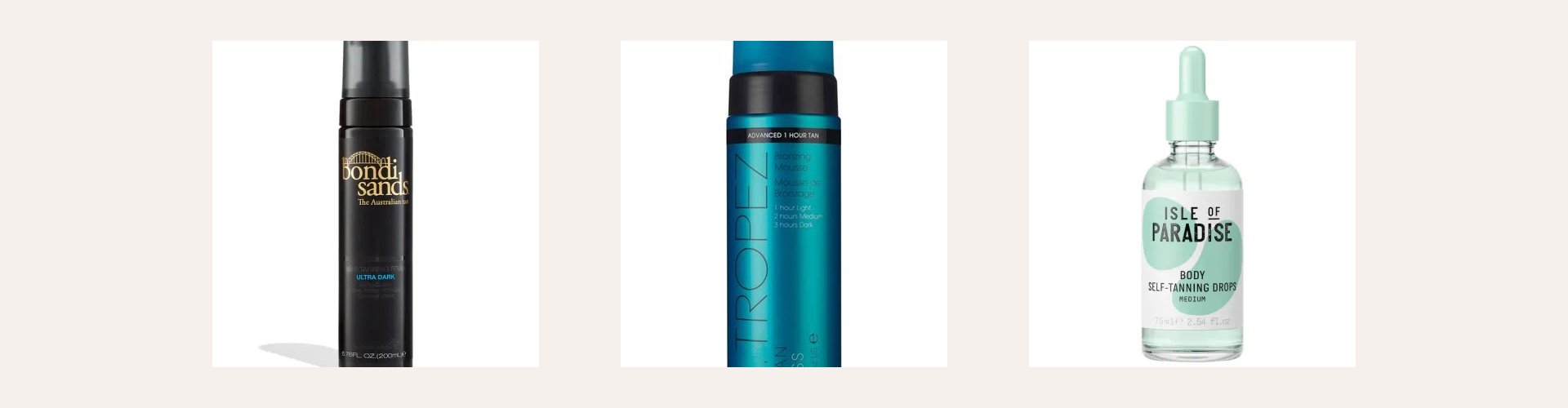
If you want the deepest, cleanest-looking tan at home, my number one is Bondi Sands Self Tanning Foam Ultra Dark. It gives me that rich "just came back from a beach trip" tone without looking orange, as long as I prep properly and blend my hands and feet lightly. If you are a beginner, start with drops or a gradual lotion. If you need speed, pick an express mousse and rinse when you hit the shade you want.
I live in Vietnam, and the beauty standard here is often "lighter skin, more delicate, more porcelain." But I'm a bit different: Maddie like's a tan. I love it when my skin has that bronze, healthy-looking warmth.
Unfortunately in Hanoi has no beaches and sunbathing is difficult, because of fog, smog and exhausting heat. I want the look, without the damage and discomfort.That is why I use self tanner.
In this guide, I am going to explain everything you need to know to choose the right self tanner, apply it without streaks, avoid the dreaded orange hands, and make it fade evenly. I will also share my top picks, led by my ride-or-die Ultra Dark.
My top self tanner picks
Quick note: the "best" self tanner depends on your vibe. Do you want ultra dark, subtle glow, beginner-proof, or "I need this done before dinner"? Here are my picks in categories that actually match real life.
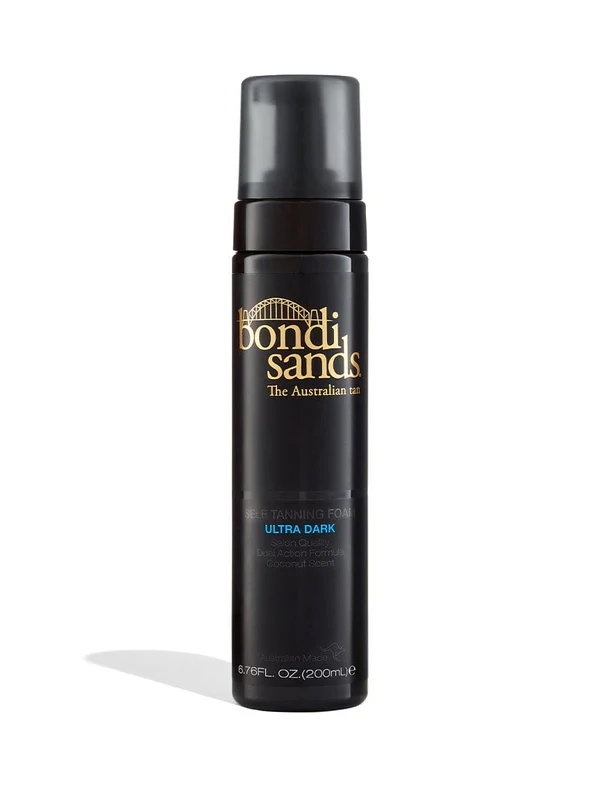
Bondi Sands Self Tanning Foam Ultra Dark
My number one for a deep, rich tan that still looks believable. It is the one I reach for when I want maximum impact, especially in humid weather when I need my color to look even and intentional.
- Best for: Deep tan lovers, photos, events, "I want to look expensive"
- Finish: Bronzed, warm-neutral (not neon orange if you prep right)
- Difficulty: Medium (easy if you follow the routine below)
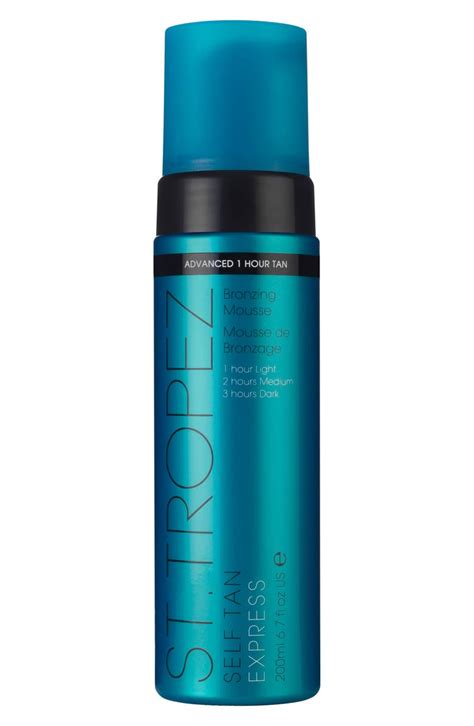
St. Tropez Self Tan Express Bronzing Mousse
When you need a tan on a timeline, express mousses are the moment. Rinse earlier for a lighter glow, or keep it on longer for deeper color.
- Best for: Last-minute plans, controlled development time
- Finish: Natural-looking bronze with a guide color
- Difficulty: Beginner-friendly if you blend well
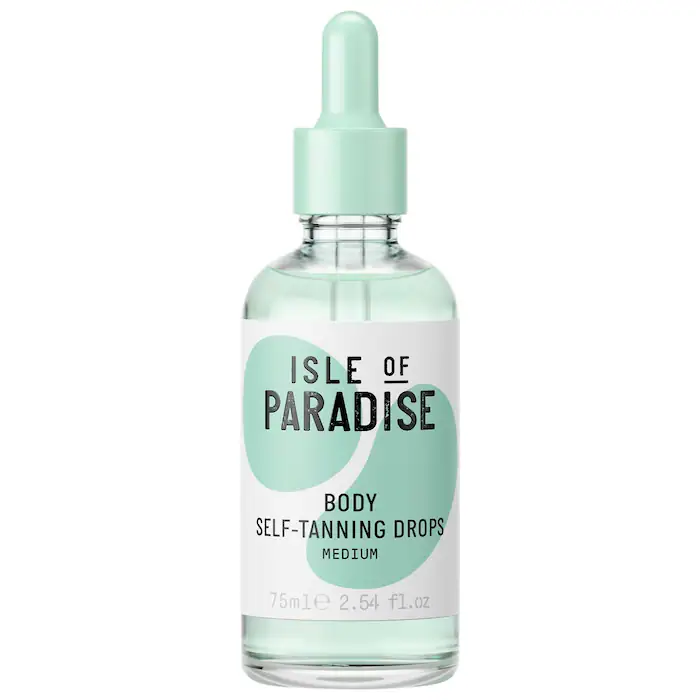
Isle of Paradise Self Tanning Drops
My favorite "control freak" format. Mix drops into your moisturizer and build your tan slowly, which is perfect if you are scared of streaks.
- Best for: Beginners, face and neck, subtle buildable tan
- Finish: Custom based on the amount you use
- Difficulty: Easy
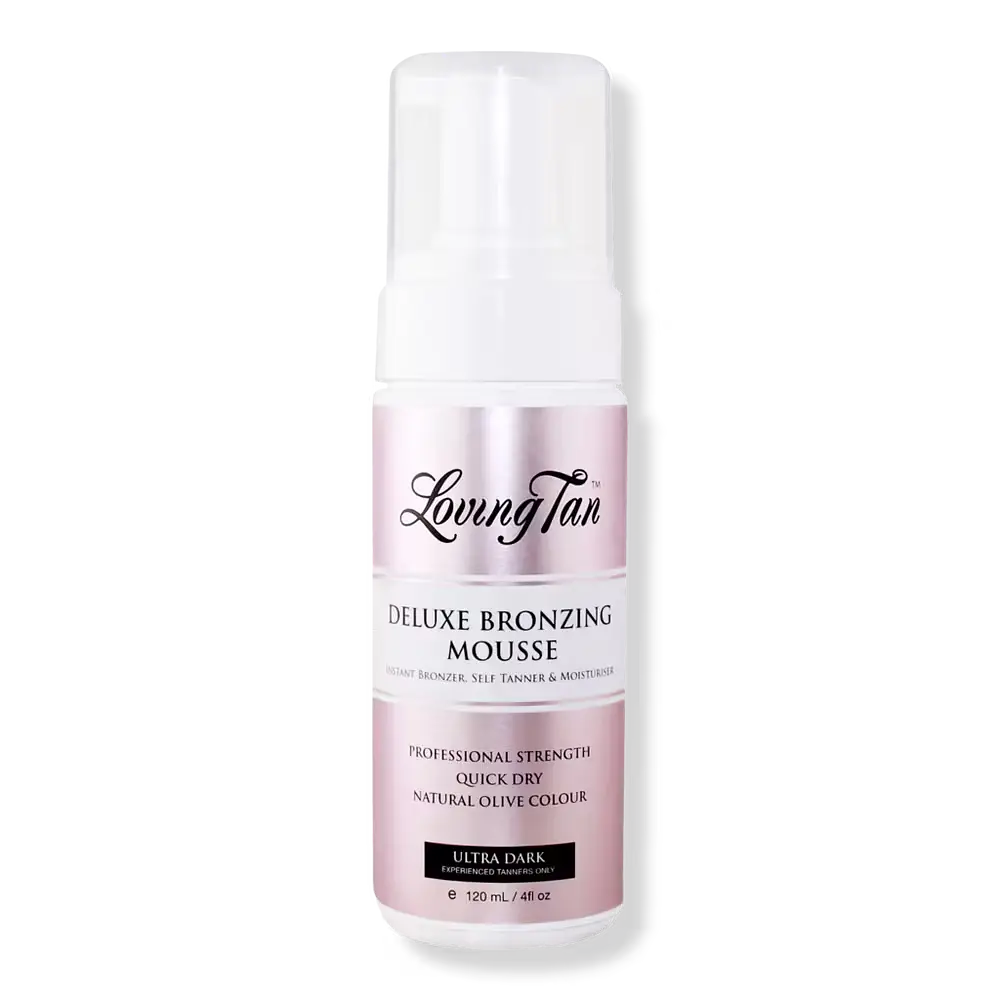
Loving Tan Deluxe Bronzing Mousse
If you want that influencer-style bronze that photographs beautifully, this type of mousse is why people get obsessed. It tends to look very smooth on the body when applied with a mitt.
- Best for: Photos, nights out, even body color
- Finish: Rich, bronzed glow
- Difficulty: Medium
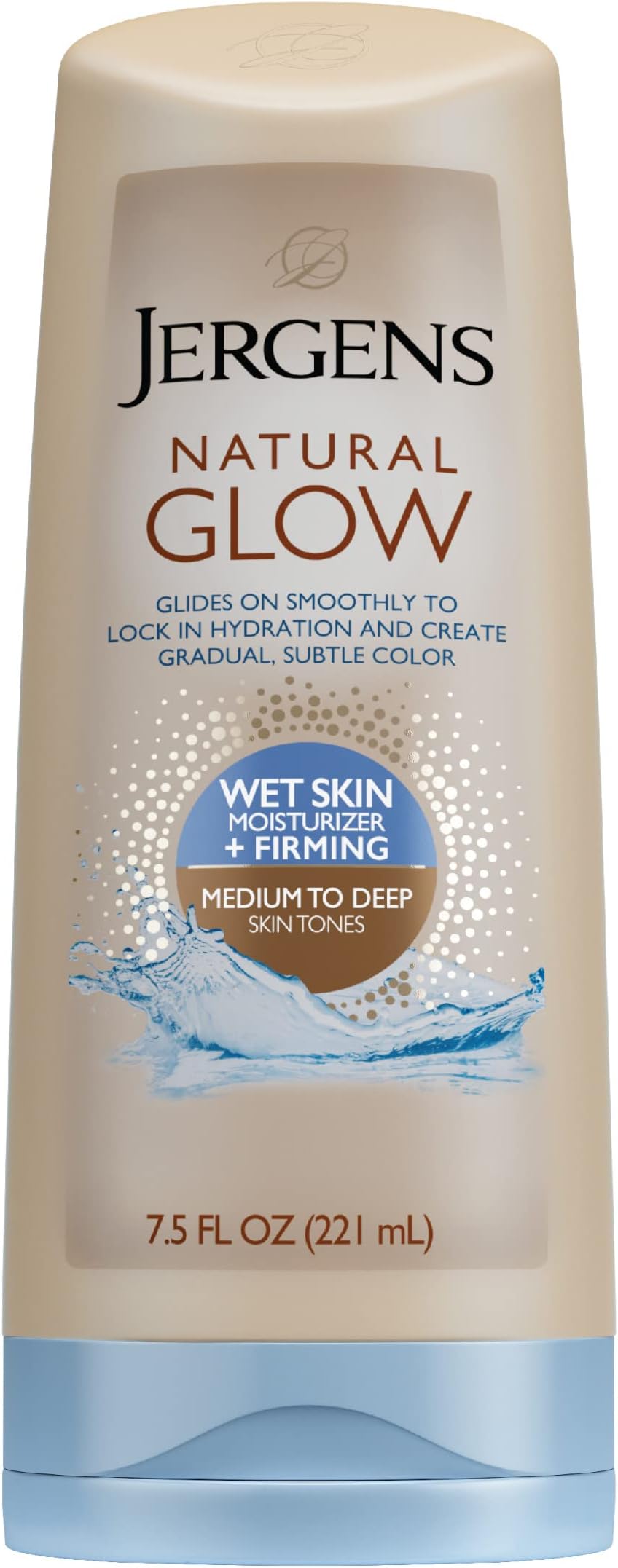
Jergens Natural Glow (Gradual Lotion)
The low-stress option. Gradual lotions are perfect if you hate harsh transitions and want a tan that builds quietly over a few days.
- Best for: Beginners, maintenance, "I do not want to think"
- Finish: Subtle, natural, easy fade
- Difficulty: Very easy
What self tanner actually is (and what it is not)
Self tanner is not makeup. It is also not sunscreen. A self tanner is a cosmetic color reaction that happens in the top layer of your skin. Most formulas use DHA (dihydroxyacetone), which reacts with amino acids in the outer skin layer and creates temporary brown pigments. That is why self tanner fades gradually as your skin naturally sheds.
This is also why prep matters so much. If parts of your skin are thicker or drier, they grab more color and look darker. That is not "your self tanner being bad." That is texture.
How to choose the right self tanner for you
Here is the decision that actually matters: format, depth, and undertone. If you pick those correctly, almost any decent formula can look good.
1) Pick your format
- Mousse/Foam: Best for full-body tanning, fastest results, usually includes a guide color. Needs a mitt and good blending.
- Drops: Best for beginners and face. You mix them into moisturizer and build slowly. Very low streak risk.
- Gradual lotion: Best for maintenance and subtle glow. Slow build, easiest fade.
- Mists/Waters: Can be nice, but application can be uneven if you are not careful. I prefer mousse or drops for control.
2) Pick your depth (light, medium, dark, ultra dark)
Depth is about your comfort level and your lifestyle. Ultra dark looks amazing when done right, but it is less forgiving if you rush prep. If you are new, start light or gradual for your first round. You can always go darker next time.
3) Pick your undertone
This is how you avoid orange. If you are olive or neutral, many "golden" tans look perfect. If you lean cool, some warm tans can read too orange on you, especially on hands and feet. If you are not sure, choose a product that claims neutral/olive tone or start with drops and build slowly.
My foolproof routine for a streak-free tan
This is the routine I use when I want my tan to look clean up close, not just in photos. It takes a little effort once, then it becomes automatic.
Step 1: Prep (the day before, ideally)
- Exfoliate: Focus on elbows, knees, ankles, and any rough texture areas. Do not scrub your skin raw.
- Shave if you shave: Do it before tanning, not after.
- Hydrate: Light lotion on the whole body if you are dry. Not heavy, not greasy.
Step 2: Right before application
- Shower and dry completely: Water trapped on the skin can make application patchy.
- Moisturize dry zones: Elbows, knees, ankles, hands, feet. This is non-negotiable for non-orange results.
- Use a mitt: Your palms will betray you otherwise.
Step 3: Apply in sections (thin layers)
I do legs, then torso, then arms. I pump a small amount, spread it thin, and blend in circular motions. If you can see thick wet patches, that is too much.
Step 4: Hands, feet, and joints (the "don't look fake" zone)
- Hands/feet: Use leftover product on the mitt, then lightly buff over the top. Avoid palms and soles.
- Knuckles/wrists/ankles: Blend until you barely see product sitting there.
- Wash your hands: Even with a mitt, I wash after I finish each arm.
Step 5: Dry time and clothing
Let it dry fully before you get dressed. If you can, wear loose dark clothing. Tight clothes and humidity can cause rubbing and uneven development.
Step 6: Rinse timing (especially for express)
With express formulas, rinse when you hit the shade you want. Do not use harsh soap for the first rinse. A quick rinse removes the guide color. The real tan continues developing.
How to make your tan last longer (and fade evenly)
The biggest secret to a beautiful tan is not "stronger self tanner." It is maintenance.
- Moisturize daily: Dry skin sheds faster and turns patchy sooner.
- Avoid aggressive exfoliation: Save it for when you want to remove the tan.
- Be gentle in the shower: Hot water and rough scrubbing speed up fading.
- Touch up strategically: I reapply drops to face/neck sooner than I redo my entire body.
Common self tanner problems (and how to fix them)
Problem: streaks
Streaks usually mean uneven prep or too much product. Next time: exfoliate better and apply thinner layers. To fix now: use a gentle exfoliant on the streaky area and moisturize. If needed, reapply a tiny amount just to even it out.
Problem: orange hands
This is almost always "too much product + dry knuckles." To fix: exfoliate your hands gently, soak briefly, then moisturize. Next time: moisturize hands first, use leftover product only, and wash palms right after.
Problem: dark elbows and knees
Classic. Those areas are thicker and drier. Fix: exfoliate lightly and moisturize. Next time: moisturize elbows/knees before tanning and apply less there.
Problem: patchy fade
Patchy fade usually means you were dry in certain areas or you scrubbed unevenly in the shower. Fix: a full-body gentle exfoliation, then moisturize like your life depends on it. If you reapply, do it after you even out the base.
Face tanning (especially if you are acne-prone)
My skin is oily and acne-prone, so I do not want heavy, fragranced formulas sitting on my face. That is why I love drops for face tanning. You mix them into your normal moisturizer, so you are not introducing a brand new random base that could break you out.
If you use strong actives (like acids or retinoids), be careful with timing. Freshly exfoliated or irritated skin can develop color unevenly. In those weeks, I go slower with fewer drops and focus on keeping my skin calm.
Do self tanners protect you from the sun?
No. A tan from self tanner is cosmetic only. It does not protect your skin from UV. If you wear sunscreen, keep doing your normal sunscreen routine. Self tanner and sunscreen are separate things.
My final recommendation
If you want the deepest, richest tan, I stand by my number one: Bondi Sands Self Tanning Foam Ultra Dark. If you are a beginner, start with drops or a gradual lotion first, then graduate to mousse when you feel confident. Self tanning is not hard, but it is a routine. Once you lock in prep and blending, you can get consistent, non-orange results every time.
Maddie is here to share beauty knowledge and help you elevate your skincare and makeup routine. Love ya. 💕
Frequently Asked Questions
How does self tanner work?
Most self tanners use DHA, which reacts with amino acids in the top layer of skin to create temporary brown pigments. It fades as your skin naturally exfoliates.
How long does self tanner take to develop?
Usually you see some color within 2–4 hours and the full result around 6–8 hours. Express formulas can develop faster, but the shade still deepens the longer you leave it on.
How long does self tanner last?
Typically 4–7 days. Moisturizing daily and avoiding rough scrubbing helps it fade more evenly.
Why does my self tanner turn orange?
Orange usually comes from too much product on dry areas, the wrong undertone, or uneven prep. Moisturize elbows/knees/hands/feet first and apply in thin layers with a mitt.
How do I avoid streaks?
Exfoliate first, moisturize dry zones, use a mitt, apply in thin layers, and blend hands/feet with leftover product. Let it dry fully before dressing.
Can I use self tanner on my face?
Yes. I prefer drops mixed into moisturizer or a face-specific formula, especially if you are acne-prone. Apply lightly around the hairline and eyebrows.
Do self tanners protect you from the sun?
No. Self tanner is purely cosmetic. If you wear sunscreen, apply it separately as part of your usual routine.