Key Takeaways
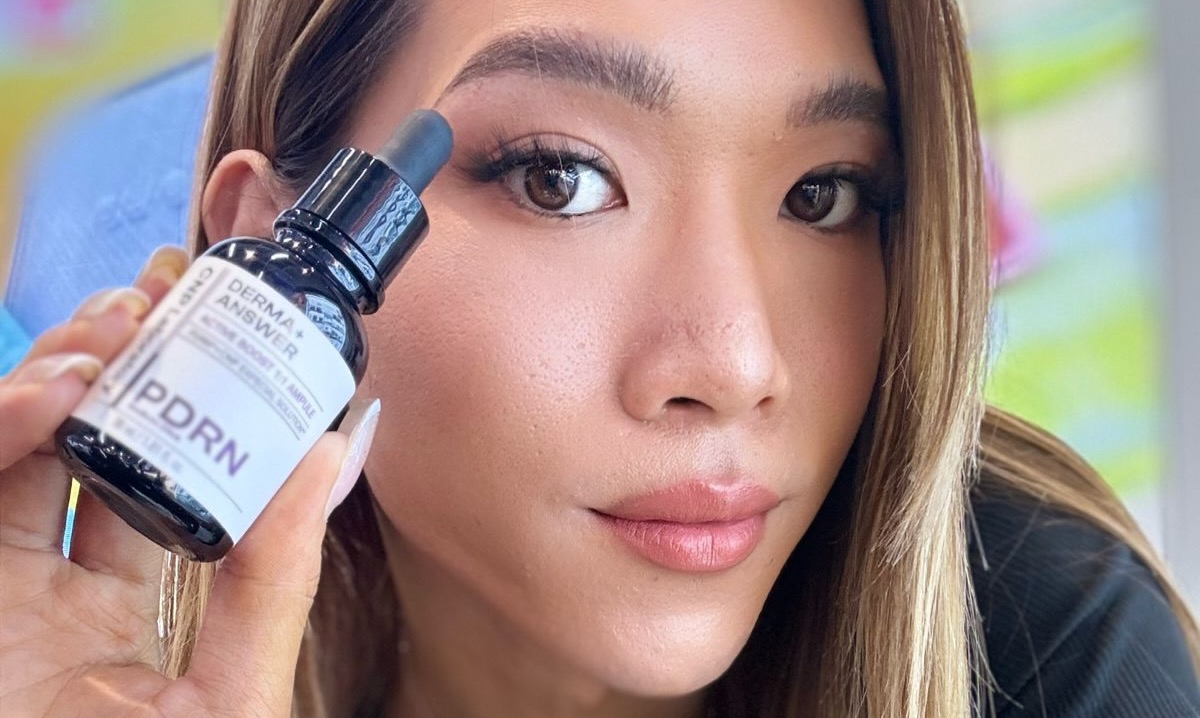
CNP Laboratory PDRN is a solid ampule for skin that wants hydration, glow, and recovery support. The strongest benefits are improved skin comfort, smoother texture, and a healthier-looking complexion with consistent use. It is not a dramatic anti-aging treatment, and it will not behave like an in-clinic PDRN procedure — but within its actual category, it is one of the more balanced and practical options available.
CNP LABORATORY Derma+ Answer Active Boost 1:1 PDRN Ampule sounds very science-heavy, but the real question is simple: does it make your skin look better?
My answer is yes, for the right expectations. This is a well-formulated ampule that genuinely helps with hydration, radiance, and skin comfort. I can see why it is getting attention in the K-beauty space. But I would not buy it expecting it to replicate an in-clinic regenerative treatment. I would buy it because it is a solid, modern serum that gives skin a little more repair, bounce, and life — and actually delivers on that.
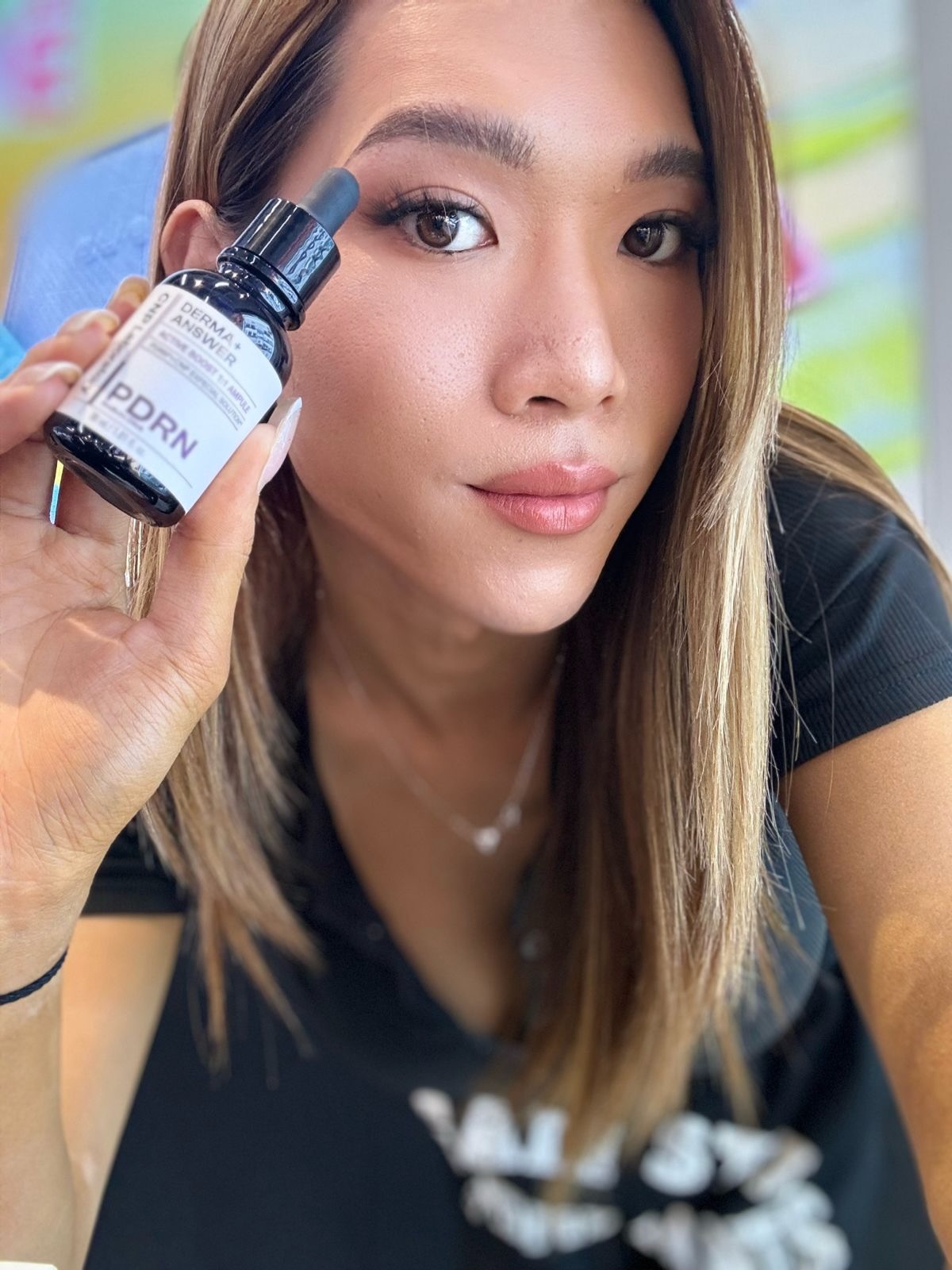
Where to buy CNP LABORATORY PDRN Ampule
My recommended shopping options by region. Links may be affiliate links.
| Region | Notes | Buy |
|---|---|---|
|
International
Best option
|
Best if you want a straightforward international listing. | Shop International → |
|
Vietnam
|
Shopee VN listing. Check seller quality and authenticity signals. | Shop Vietnam → |
*Links may be affiliate links. If you buy through them, I may earn a small commission at no extra cost to you.
What is CNP LABORATORY Derma+ Answer Active Boost 1:1 PDRN Ampule?
This is a treatment-style ampule that sits somewhere between a hydrating serum and a recovery-focused glow product. CNP markets it around PDRN, skin clarity, radiance, and healthier-looking skin — but in practice it works more like a multi-benefit formula than a single-ingredient product.
The core appeal is that it tries to do several useful things at once: hydrate deeply, soften surface roughness, support the barrier, and give skin a plumper, fresher look. Even if you are mainly curious about PDRN, what you are really buying is a broader repair-and-brighten formula with PDRN as part of the story.
What does PDRN mean in skincare, and is it the same as sodium DNA?
In skincare, PDRN usually refers to polydeoxyribonucleotide, which is often labeled on ingredient lists as sodium DNA. Those terms are closely related in beauty marketing, and most people are talking about the same family of DNA fragment ingredients when they say "PDRN serum."
This is where the hype can get messy. A lot of people hear "PDRN" and think of salmon DNA facials or in-clinic regenerative procedures. That is not the same as using a home serum. The ingredient concept overlaps, but the delivery method changes everything — a serum sitting on skin does not behave the way an injection does.
What are the key ingredients in this ampule besides PDRN?
The formula is built around S-PDRN and sodium DNA for recovery support, combined with niacinamide to help balance oil and even out tone, and squalane to keep skin moisturized without heaviness.
That combination is what makes this product work in real life. Even if you stay skeptical about exactly how much topical PDRN penetrates the skin, niacinamide and squalane are well-established ingredients that genuinely improve hydration, texture, and overall balance. The formula is not resting on hype alone.
How does it feel on the skin?
The texture is slightly viscous at first, but spreads easily and absorbs quickly. It does not leave a heavy layer or greasy residue, which matters when you are layering it under moisturizer or SPF.
On oily or combination skin it feels comfortable without feeling suffocating. On dry or sensitive skin it provides enough softness that you do not necessarily need a thick cream immediately on top. It is a texture that works well across the board.
Who is this ampule for?
Good fit for
- Dull, tired, or recovering skin
- Oily or combination skin that is also dehydrated
- Sensitive skin that needs repair and support
- Anyone adding a glow step to an existing routine
- People curious about PDRN who want a low-barrier entry point
Not ideal if you want
- Fast, dramatic anti-aging correction
- A targeted scar or pigment treatment
- A stripped-down, minimalist routine
- A fragrance-free guarantee (patch test first)
Does topical PDRN actually work, or is the science mostly about injections?
This is the part where staying realistic helps. PDRN has interesting science behind it, but a lot of the strongest evidence is still tied to medical use — injections, wound healing, or procedure-assisted delivery — rather than a regular at-home serum.
Topical PDRN is promising, and there is growing interest in whether certain molecular weights can absorb into skin meaningfully. But I would not treat this ampule as a substitute for in-clinic treatments. What feels more honest is this: in a formula like this, PDRN may contribute to the product's repair story, and the most reliable real-life results will usually be hydration, glow, comfort, and smoother-looking skin rather than dramatic structural change.
A more realistic way to think about topical PDRN:
Expect supportive recovery — better hydration, calmer-looking skin, and a healthier texture over time. Do not expect the results of a clinical procedure. Used consistently, the benefits are real; they just work on a different scale.
Is this ampule good for post-acne marks, dullness, or barrier damage?
For dullness, I would say yes quite confidently. This is exactly the kind of formula that can help skin look brighter, plumper, and less flat after a few weeks of consistent use. For post-acne marks, it is more of a supportive product than a targeted pigment treatment — the niacinamide helps, but this is not a high-strength brightening serum.
It can also be helpful when the barrier feels a bit compromised, especially if your skin has been over-exfoliated or just looks worn down. If you already have a solid base routine and want something that makes skin feel more resilient, this fits nicely. If your skin tends to get shiny and dehydrated at the same time, my guide to AM and PM skincare routine for oily skin can help you structure a routine that addresses both.
Can oily or acne-prone skin use this formula?
Yes. Oily skin, especially oily skin that is also dehydrated, irritated, or looking tired, can absolutely use this. Not every oily-skinned person needs ultra-stripped skincare all the time. Sometimes skin looks oilier because it is stressed and under-supported, and a formula like this can actually help rebalance that.
Acne-prone skin is never one-size-fits-all, and this is not the first product I would recommend for someone who is extremely clog-prone or fragrance-sensitive. But for many combination and oily skin users it should be fine, especially if the goal is adding comfort and glow without anything heavy. If you are thinking about how skincare sits under makeup, it also makes sense to consider it within the bigger picture of makeup for oily skin.
How do you use CNP PDRN Ampule in a routine?
Use it after cleansing and toner, before moisturizer. It sits best in the serum step, where it can sit close to skin without being blocked by heavier products. A few drops pressed gently into the skin is enough — this is not a product that benefits from a thick layer.
You can use it morning or night. I personally think it works best used consistently rather than occasionally. If you are already using strong actives like retinoids or acids, this can act as a comfortable balancing step rather than adding more intensity to the routine.
Is this product better for glow and hydration or for true anti-aging?
Definitely glow and hydration first. That does not make it a superficial or pointless product — it just means the most noticeable results are likely to be fresher-looking skin, better bounce, and a healthier overall texture rather than dramatic wrinkle correction or visible line reduction.
If serious long-term anti-aging is the goal, retinoids still do more heavy lifting. If you are comparing K-beauty repair serums, you might also want to read my review of the Innisfree Retinol Green Tea PDRN Skinbooster Ampoule — that one leans more clearly into retinol and is a better choice if anti-aging is the priority over general glow and recovery. If you like CNP but want something simpler and more focused on hydration, soothing, and daily comfort, take a look at my CNP Laboratory Propolis Treatment Ampule Essence review.
How does this compare to other PDRN serums?
Not all PDRN serums are trying to do the same thing. Some focus on glow and hydration, some combine PDRN with stronger anti-aging ingredients, and some are more aggressive or more niche. Here is a quick comparison to help you figure out which direction makes more sense.
| Product | Main Focus | Texture | Best For | My Take |
|---|---|---|---|---|
| CNP PDRN Ampule | Glow + repair + hydration | Light, slightly viscous | Dull, dehydrated, or sensitive skin | Most balanced option. Easy daily use. |
| Innisfree Retinol Green Tea PDRN | PDRN + retinol for anti-aging | Light serum | Fine lines, early texture concerns | Better if anti-aging is the priority. |
| VT Reedle Shot PDRN | Skin renewal + absorption boosting | Slightly active, tingling | Experienced users, treatment routines | More aggressive. Not for sensitive skin. |
| Genabelle PDRN Serum | Hydration + calming | Very lightweight | Sensitive, redness-prone skin | Gentler but less noticeable results. |
If you want something comfortable and easy to use every day, CNP is the safest starting point. If your main goal is stronger anti-aging, the Innisfree PDRN ampoule makes more sense because it pairs PDRN with retinol. The others are more niche depending on your skin goals and tolerance.
What results should you realistically expect?
This is not an overnight-transformation product. The improvements are subtle at first, then become more noticeable with consistent use over weeks rather than days.
Most people using it regularly will notice better hydration and smoother texture within the first couple of weeks. Skin may start looking healthier and more even around the four-to-six week mark. The key is treating this as a long-term skin quality investment rather than a quick fix for a specific problem.
Are there any downsides, including fragrance or fish-derived ingredient concerns?
A few worth mentioning. The first is expectation mismatch: if you buy this thinking "PDRN serum" means instant clinic-level regeneration, you will likely be disappointed. The second is formula sensitivity — this is not the most stripped-down minimalist serum, so fragrance-sensitive users should patch test before committing.
There is also the source question. PDRN is commonly associated with fish-derived DNA, and some shoppers care about that for ethical, allergy, or personal reasons. If that matters to you, it is worth checking current retailer and brand information carefully before buying. For most people it is not a dealbreaker, but a thorough review should flag it.
How does this CNP ampule compare with other viral PDRN serums?
This one feels more balanced and practical than some of the more aggressively marketed PDRN launches. Instead of leaning hard into the fantasy that PDRN alone will change your face, it behaves more like a polished, multi-benefit serum where PDRN is part of a broader formula that actually makes sense.
Compared with more hyped competitors, this may feel less dramatic in marketing terms but more dependable in everyday use. That is my favorite kind of product — one that quietly makes skin look better without requiring you to believe anything too outrageous.
Pros and cons
Pros
- Very good for glow without feeling greasy or rich.
- Genuine support for stressed or dull skin that feels rough or mildly irritated.
- Works across skin types, including oily skin that is also dehydrated.
- Stronger formula depth than hype-only serums — niacinamide and squalane earn their place.
- Easy to integrate without creating conflict with other products in your routine.
Cons
- Topical PDRN evidence is still limited compared with clinical injection studies.
- Not a strong anti-aging treatment if that is what you are expecting.
- May not suit fragrance-sensitive users — patch test first.
- Marketing can oversell it if you only read the product page.
Quick Rating
My final verdict
This is a well-formulated ampule that makes your skin look better in a realistic way. It hydrates, smooths, and supports the barrier without feeling heavy, and with consistent use the improvement in glow and overall skin quality becomes genuinely noticeable.
It is not dramatic, but it is dependable. I would recommend it for most skin types — especially if your skin is dull, slightly stressed, or just not feeling its best. The key is buying it for the right reason: this is a long-term skin quality investment, not a quick transformation. Go in with that expectation, and it is very likely to deliver.
Affiliate link — I may earn a small commission at no extra cost to you.
Maddie is here to help you figure out what actually works in real life, not just what sounds impressive on a product page.
Frequently Asked Questions
What is CNP LABORATORY Derma+ Answer Active Boost 1:1 PDRN Ampule?
It is a glow-and-repair ampule designed to hydrate, smooth, and support healthier-looking skin. The formula uses sodium DNA (PDRN), niacinamide, squalane, and other barrier-friendly ingredients. Think recovery serum with a glow focus, not an in-clinic treatment.
Is PDRN the same as sodium DNA?
In skincare they are closely related. Most products marketed as PDRN serums list sodium DNA on the ingredient list. The concept overlaps, but delivery method matters a lot when comparing home serums to clinical injections.
Is this ampule good for oily skin?
Yes, especially if your oily skin is also dehydrated, dull, or a little stressed. The texture absorbs cleanly without a greasy finish. Very clog-prone or fragrance-sensitive users should still patch test first.
Does topical PDRN really work?
It is promising, but the strongest evidence still comes from injections or procedure-assisted treatments. In a home serum, the most realistic benefits are hydration, glow, smoother texture, and supportive barrier recovery — not dramatic structural regeneration.
Is this better for anti-aging or for glow?
Better for glow, bounce, and skin comfort. If you want stronger anti-aging results, retinoids do more heavy lifting. Frame this as a glow-and-repair serum first, with supportive anti-aging benefits secondary.
Can it help with post-acne marks?
It can support a calmer and healthier-looking complexion, and the niacinamide helps with overall tone. It is not a targeted pigment treatment, but it works well as a supportive recovery step alongside more focused actives.