
Quick Answer
The best makeup for oily skin focuses on controlling excess oil without stripping hydration. Look for oil-free, matte or soft-matte formulas, a mattifying primer, lightweight buildable foundation, and ultra-fine setting powder. For detailed product breakdowns, explore my full guide to best foundation for oily skin, including affordable drugstore picks.
Oily skin is defined by excess oil production, especially in the T-zone. The goal is not to remove all oil, but to control shine while maintaining healthy skin.
What Is Oily Skin?
Oily skin is a skin type characterized by excess oil production from the sebaceous glands. This natural oil, called sebum, helps protect and maintain healthy skin. However, when oil production becomes excessive, it can lead to shine, enlarged pores, clogged pores, and breakouts.
People with an oily complexion often notice shine within a few hours of makeup application, especially in the T-zone (forehead, nose, and chin). In some cases, oil can build up to the point where foundation separates or creates an oil slick appearance throughout the day.
Why Does Oily Skin Produce Too Much Oil?
Excess oil production can be influenced by genetics, hormones, climate, stress, and even skincare habits. Ironically, stripping the skin with harsh cleansers can trigger even more oil production, because the skin tries to compensate for lost moisture.
This is why controlling oil production is not about removing all oil. It is about balancing hydration while minimizing shine.
Oily vs. Combination Skin
Many people confuse oily and combination skin. Oily skin types produce excess oil across the entire face. Combination skin typically experiences oiliness in the T-zone but dryness on the cheeks.
If you are unsure whether you have oily or combination skin, read how to identify your skin type to determine your exact skin type before choosing makeup products.
Common Characteristics of Oily Skin
- Shine appearing quickly after cleansing
- Visible pores, especially around the nose
- Foundation breaking down throughout the day
- Increased risk of acne and clogged pores
- Makeup sliding or transferring more easily
It is also important to understand that oily skin can still be dehydrated. When moisture levels are low, the skin may overproduce oil in response. If your skin feels tight but still looks shiny, you may relate to oily skin but flaky.
Once you understand your skin type and how your oil behaves throughout the day, you can choose the right primer, foundation, powder, and setting spray to create a flawless finish without feeling heavy or greasy.
What Causes Oily Skin?
Oily skin is primarily caused by increased sebum production from the sebaceous glands. Sebum is a natural oil that protects and lubricates the skin. The problem is not oil itself, but excess oil production that leads to shine, clogged pores, and makeup breakdown.
1. Genetics
The most significant factor behind oily skin types is genetics. If your parents have an oily complexion or enlarged pores, you are more likely to produce more oil as well. Your baseline oil production is largely predetermined.
2. Hormones
Hormones strongly influence oil production. Androgens stimulate the sebaceous glands, increasing sebum output. This is why oily skin often becomes more noticeable during puberty, menstrual cycles, stress periods, or hormonal changes.
3. Climate and Humidity
Hot and humid environments can increase the appearance of oil. Even if oil production itself does not dramatically rise, sweat combined with sebum makes skin look shinier throughout the day.
This is why makeup for oily skin in humid climates must focus on oil control, mattifying primer, lightweight foundation, and setting powder.
4. Over-Cleansing and Stripping the Skin
Using harsh cleansers that strip moisture can actually worsen oily skin. When skin loses too much hydration, it compensates by producing even more oil.
This creates a cycle of shine, over-cleansing, and more oil production.
The better strategy is to use a gentle gel or foaming cleanser that removes excess oil without damaging the skin barrier.
5. Dehydration
Many people with oily skin also have dehydrated skin. When the skin lacks water, it can increase oil output to protect itself.
Lightweight hydration using ingredients like hyaluronic acid helps balance moisture levels without adding grease. If your skin feels tight but still looks shiny, you may relate to oily skin but flaky.
6. Heavy Skincare and Makeup Products
Thick moisturizers, petrolatum-based products, mineral oil, or heavy cream foundations can clog pores and worsen the appearance of oil. These formulas may feel hydrating but often increase shine and break down makeup faster.
Choosing oil-free, lightweight formulas designed for oily or combination skin helps control shine without feeling heavy.
7. Stress and Lifestyle
Stress increases cortisol levels, which can stimulate oil production. Lack of sleep and poor diet may also contribute to breakouts and visible shine.
While makeup cannot change oil production permanently, the right routine can dramatically improve how oily skin looks and behaves throughout the day.
Understanding the root cause of your oil helps you choose better makeup products.
Prep Skin Properly (This Determines Everything)
Before any foundation for oily skin touches your face, prep skin correctly. Poor prep leads to clogged pores, breakouts, and foundation separation. If large, visible pores are part of what you're dealing with, my guide to the best foundation for large pores and oily skin has targeted recommendations. Good makeup on oily skin usually starts with the right skin prep. See my morning and night skincare routine for oily skin.
Cleansing
Use a gentle gel or foaming cleanser to remove excess oil without stripping moisture. Cleansing is the foundation of an oily skin routine. The best cleansers for oily skin rinse away cleanly without leaving skin feeling tight. For detailed recommendations on choosing the right cleanser, especially if you're dealing with breakouts, see my guide on the best cleanser for oily acne-prone skin. If you want a simple cleanser that works well as part of an oily-skin routine before makeup, see my review of CeraVe Foaming Cleanser.
Exfoliation
Regular exfoliation can regulate oil production and improve skin texture. BHA (salicylic acid) is the gold standard for oily skin because it penetrates pores and clears excess sebum. If you want a gentle entry point into exfoliating toners, the COSRX AHA/BHA Clarifying Treatment Toner is mild enough for beginners and helps maintain smoother skin over time. For weekly deep cleaning, a clay mask like the INNISFREE Super Volcanic Pore Clay Mask can help reduce oil and make pores look cleaner without being too harsh. If texture and clogged pores are major concerns, read my long-term guide to retinol for oily skin.
Hydration Without Grease
Many oily skin types are actually dehydrated skin underneath excess oil. Lightweight gel-based moisturizers improve smoother application and prevent overproduction of oil.
Hydrators like hyaluronic acid and glycerin provide moisture without adding shine. If you want a deeper explanation, read is hyaluronic acid good for oily skin.
If your skin feels tight but still looks shiny, you may relate to oily skin but flaky.
If your oily skin is also dehydrated, adding a lightweight first essence can help the skin feel more balanced before makeup. I explain that in more detail in my CNP Laboratory Propolis Treatment Ampule Essence review.
Sunscreen
Always apply sunscreen before makeup. For oily skin in humidity, choose a lightweight, matte-finish formula that sets down rather than staying slippery. I use the ANESSA Perfect UV Sunscreen Mild Milk SPF50+ PA++++, which creates a smooth, grippy base that makeup sits nicely on without adding shine or feeling heavy.
Use the Right Primer for Oil Control
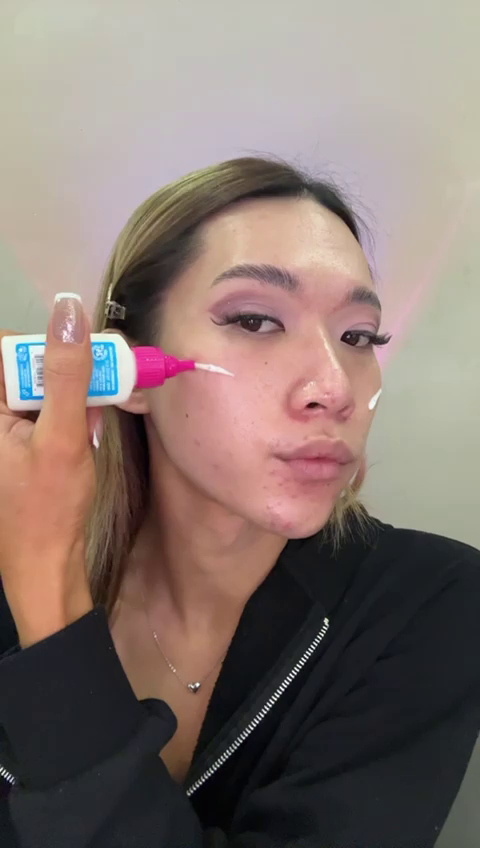
A mattifying primer is one of the best weapons for combating oily skin. It absorbs excess oil and creates a smoother base for foundation.
Look for:
- Oil-control or mattifying primer formulas
- Lightweight silicone texture
- Blurring effect on pores
Avoid illuminating or dewy primers that increase shine.
If you are unsure whether primer is necessary or how to choose one, see my full breakdown: is makeup primer necessary. For specific product recommendations tested for oily skin, check out my comprehensive guide on what primer is best for oily skin.
Choosing the Best Foundation for Oily Skin
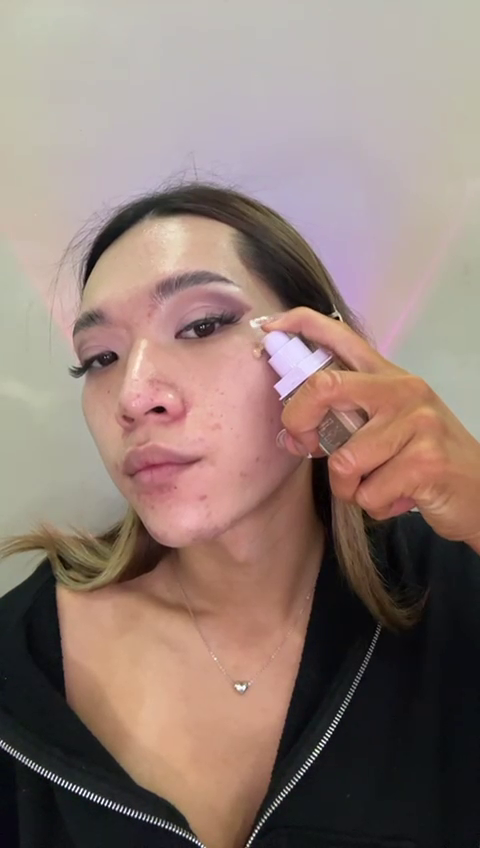
Foundation is where most people with oily skin get frustrated. You apply it, it looks smooth, and then two hours later your T-zone is shiny and everything starts separating.
I live in humidity, I test foundations all day, and I can tell you this: the right foundation for oily skin is not about price. It's about formula.
What Actually Works for Oily Skin
When I choose a foundation for oily skin, I look for a few non-negotiables:
- Oil-free formula – I don't need more oil added to my oily complexion.
- Matte or soft matte finish – not flat, but controlled.
- Lightweight, buildable coverage – thin layers always last longer.
- Longwear claims – because oily skin will test it.
Matte foundation is usually better for oily skin types because it helps control shine throughout the day. That doesn't mean dry or chalky. A good soft matte finish still looks like skin.
Why Heavy Foundations Fail
Here's the mistake I see all the time: people apply thick, full coverage foundation in one layer thinking it will "lock in."
Oily skin breaks makeup down from underneath. The more product you apply, the more there is to move.
Thin layers. Always. That's how you get smoother application and longer wear. For the full step-by-step technique, see my guide on the best way to apply foundation on oily skin.
Ingredients That Make a Difference
Some foundations now include ingredients that actually support oily skin:
- Salicylic acid – helps keep pores clear.
- Niacinamide – can help regulate oil production.
- Silica – absorbs excess oil.
These won't replace skincare, but they can help control shine and improve the appearance of pores.
What I Avoid Completely
- Heavy cream foundations that feel greasy
- Very dewy finishes if my skin is already shiny
- Formulas that feel thick before I even blend them
Dewy foundation on oily skin can look beautiful for 30 minutes. After that, it can turn into an oil slick.
Liquid or Powder?
Most of the time, I prefer a thin liquid foundation and then set only where I get oily. Powder foundation can be amazing if you get very oily or need fast touch ups.
I break this down fully in: powder or liquid foundation
If you like something liquid but portable you can also opt for a cushion foundation for oily skin.
Acne prone skin
If your oily skin is also acne prone skin, your makeup choices matter even more. Look for oil-free, non-comedogenic formulas that won't clog pores or trigger breakouts. Lightweight, buildable coverage is usually better than thick full coverage layers, because heavy foundation can trap oil and bacteria. Proper removal at the end of the day is just as important as choosing the right foundation. If you wear makeup regularly and want a cleansing option that feels cleaner on oily skin, my Bioderma Sébium H2O review breaks down one micellar water I think does a very solid job with light base makeup and sunscreen.
Read more on the page: best foundation makeup for acne prone skin
Concealer for Oily Skin
Concealer for oily skin needs to cover without sliding. If your T-zone gets shiny or your under-eyes crease easily, heavy or creamy formulas will break down fast.
- Choose oil-free, soft matte formulas
- Apply thin layers only where needed
- Lightly set with powder to control shine
Avoid thick, greasy concealers that feel heavy. Oily skin breaks makeup down from underneath, so less product always performs better.
Not sure whether you need foundation, concealer, or both? I explain it clearly here: makeup concealer vs foundation.
Set Strategically With Powder
Setting powder absorbs excess oil and controls shine. Use an ultra-fine translucent powder for longer wear. One of my favorites is the INNISFREE No-Sebum Mineral Powder, which gives excellent T-zone oil control with a clean, transparent finish. For more product recommendations and tips on choosing the right formula, check out my guide to the best setting powder for oily skin.
The "Double Set" method works well:
- Light dusting across the face
- Press extra powder into oily areas like the T-zone
Apply a thin layer. Too much powder increases texture and makes skin look cakey.
Lock It In With Setting Spray
Setting spray improves longevity and shine control. For oily skin types, choose matte or longwear formulas.
For tested recommendations, read best setting spray for oily skin.
For maximum staying power, apply setting spray not only at the end, but also lightly between layers.
Throughout the Day: Smart Touch Ups
- Blot excess oil before adding product
- Use pressed powder lightly
- Avoid layering heavy foundation again
Blotting sheets remove excess oil without disturbing makeup.
If you want a product that works as both an oil-control touch-up and a sunscreen top-up, I reviewed the Anessa Perfect UV Brush-on Powder here.
For powder blush lovers, one option that performs well on my oily skin is the Tone Pairing Cheek palette from Espoir. The matte shades grip nicely, and the glow pan can be placed higher on the cheekbone so it doesn't make the center of the face look greasy.
Final Thoughts
Makeup for oily skin is about balance. Control oil production without stripping moisture. Use lightweight layers. Choose matte finish formulas. Prep skin properly.
If you build your routine step by step — cleanser, lightweight moisturizer, mattifying primer, oil-free foundation, strategic powder, and setting spray — your makeup will last longer and your oily complexion will look smooth, not greasy.
Frequently Asked Questions
The best foundation for oily skin is oil-free with a matte or soft-matte finish, lightweight buildable coverage, and longwear formula. Look for self-setting foundations that control shine without feeling heavy. Many excellent options are silicone-based, which can actually work really well for oily skin—learn more in my guide on silicone-based makeup for oily skin.
A mattifying primer is one of the best weapons for combating oily skin. It absorbs excess oil and creates a smoother base for foundation, improving longevity and controlling shine throughout the day.
Both can work for oily skin. Matte liquid foundations paired with setting powder provide the best control. Powder foundations offer convenience but may oxidize faster. The key is choosing oil-free, matte formulas regardless of format.
Maddie is here to share beauty knowledge and help you elevate your skincare and makeup routine. Love ya. 💕