Key Takeaways
Laura Mercier Translucent Loose Setting Powder is still a very solid setting powder if your main goal is controlling shine and keeping your makeup looking cleaner for longer. It makes the most sense for oily and combination skin, especially if you like a polished matte finish and do not mind a more traditional powder formula. It is less impressive on dry or flaky skin, and it is no longer the only strong option in this category.
Laura Mercier Translucent Loose Setting Powder is one of those products that built a reputation so big that a lot of people now treat it like the default answer to every powder question. And honestly, I understand why. It has been around forever, it is easy to recommend, and it usually behaves in a very predictable way. That matters more than people think, especially with powders, because this is the step that can either make your makeup look more polished or make it suddenly look older, drier, flatter, and more obvious.
But at this point the real question is not whether the powder is good. It clearly is. The better question is whether it is still the right powder for you specifically, because the market has changed a lot. There are now softer-focus powders, more talc-free options, more forgiving formulas for texture, and better shade options in some competing lines. So this is not really a review about whether Laura Mercier deserves its cult status. It is a review about who still gets the most value from it, who does not, and whether the old classic still makes sense once you stop looking at it like makeup history and start looking at it like an actual product you are about to spend money on.
Where to buy Laura Mercier Translucent Loose Setting Powder
My recommended shopping options by region. Links may be affiliate links.
| Region | Notes | Buy |
|---|---|---|
|
International
Best option
|
Best if you already know the original translucent shade works for you. | Shop International → |
|
Vietnam
|
Shopee VN listing. Check seller details, seal, and product size carefully. | Shop Vietnam → |
|
Singapore
|
Sephora Singapore mini listing. | Shop Singapore → |
|
Hong Kong
|
Sephora Hong Kong mini listing. | Shop Hong Kong → |
|
Malaysia
|
Sephora Malaysia mini listing. | Shop Malaysia → |
|
Philippines
|
Shopee PH listing. | Shop Philippines → |
*Links may be affiliate links. If you buy through them, I may earn a small commission at no extra cost to you.
What is Laura Mercier Translucent Loose Setting Powder?
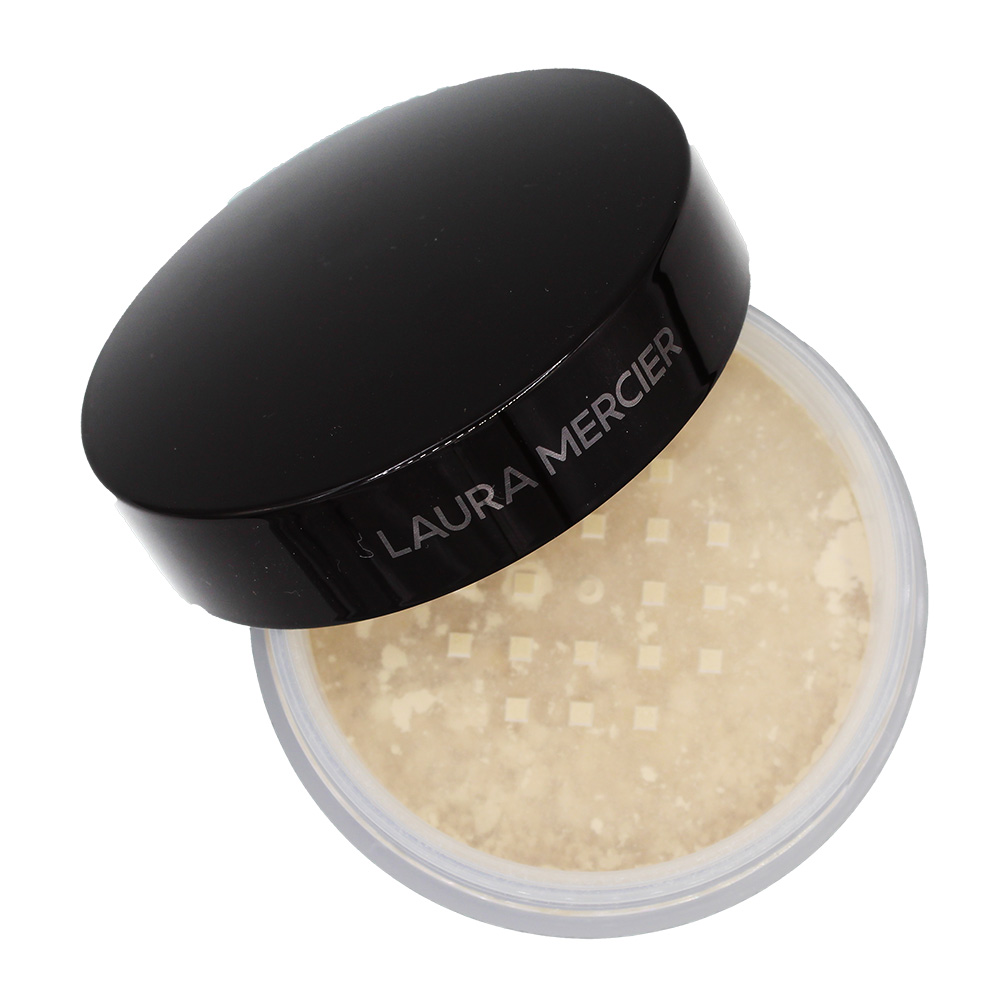
This is a loose setting powder made to sit on top of your base makeup and keep it in place. It is not really about adding extra coverage. It is about finishing. When people say a powder "sets" makeup, what they usually mean is that it reduces slip, tones down unwanted shine, and helps cream or liquid products stay where you put them instead of melting, separating, or sliding around during the day. That is exactly the lane this powder lives in.
In practical terms, Laura Mercier Translucent Loose Setting Powder is supposed to do three main jobs well. First, it should make foundation and concealer feel less tacky and more locked in. Second, it should absorb some oil so the face does not go shiny too quickly. Third, it should make the surface of the skin look a little smoother and more refined, especially around the T-zone, pores, and areas where makeup usually starts to break apart first. If you already know you are specifically shopping for an oil-control powder and want a broader comparison set, my guide to the best setting powder for oily skin gives a more side-by-side view of where this one sits in the category.
What is the benefit of a loose setting powder?
Loose powder usually gives you a finer, lighter finish than pressed powder, especially if the formula is well milled. That matters more than it sounds. A powder that is too dense or too dry can sit on the skin and make makeup look stiff immediately. A good loose powder spreads more evenly, sets without looking chunky, and usually does a better job of controlling oil because the particles are lighter and easier to distribute exactly where you need them.
This is why loose powder is still the default recommendation for oily skin, long-wear makeup, and event makeup. It is usually better at locking down the T-zone, keeping concealer from moving, and softening unwanted shine without turning your face into a flat wall of powder. The tradeoff is that it can be messier, easier to overapply, and less convenient than pressed powder for touch-ups. So the benefit is not just that it sets makeup. The benefit is that it tends to do that job better and more evenly when longevity is the priority.
Who is Laura Mercier Translucent Loose Setting Powder for?
This powder makes the most sense for people who actually need powder to work. I mean oily skin, combination skin, makeup wearers who live in humidity, people whose concealer moves, or anyone whose base starts looking shinier and messier by the middle of the day. If your makeup tends to disappear around the nose, gather in pores, or get too reflective too fast, you are much closer to the ideal user for this product than someone who just wants a tiny bit of soft finishing.
It is also a good match for people who prefer structure in their makeup. Some powders are very airy and forgiving, but they do not actually change much. Laura Mercier is more purposeful than that. You can feel that it is doing something. It gives the face a cleaner, more polished finish, especially when the rest of your makeup is already a little more perfected rather than ultra-minimal. If you like that more finished look and you do not mind a proper setting step, this product still makes a lot of sense.
Who is it not for?
I would not put this near the top of the list for dry skin, very dehydrated skin, or anyone who regularly struggles with flaking around the nose, cheeks, or under-eyes. This is not one of those soft, forgiving powders that almost disappears into the skin no matter what. If your skin texture leans rough, papery, or under-moisturized, this formula can make that more visible instead of hiding it. That does not make it bad. It just means it is less generous.
It is also not my first choice for people who want a very fresh, glowy, or invisible-looking base. If you want makeup that still looks slightly dewy after powder, or if you hate the moment where your skin starts looking too "done," there are better modern formulas. In that sense, this powder is a bit old-school in the best and worst ways. It is excellent at setting, but it is not especially interested in pretending powder is not there.
Is Laura Mercier Translucent Loose Setting Powder actually worth the price?
I think it can be worth the price, but mostly for a very specific type of buyer. If you want a dependable loose powder that has years of reputation behind it, works well for oil control, and rarely surprises you in a bad way, then yes, the price is easier to justify. A lot of what you are paying for here is consistency. This is one of those products that built a loyal following because people could keep repurchasing it and expect basically the same kind of performance every time.
Where it gets a little less exciting is when you compare it to how much the category has improved. There are now powders that feel softer, look a bit more skin-like, blur more elegantly, or avoid talc altogether. So if your question is "Is this a bad purchase?" then no, not at all. But if your question is "Is this still the most impressive loose powder for the money?" then my answer is more cautious. It is a solid prestige staple, not an automatic winner. You are paying for proven performance, not necessarily for the most advanced formula.
Which skin types does it work best for?
Oily skin is where this powder feels most natural. It makes immediate sense there because the formula has enough structure to absorb shine, clean up the look of the skin, and help foundation last longer without collapsing too fast. Combination skin also does well with it, especially if the oil is mostly concentrated in the T-zone and you can apply it more strategically instead of dusting it all over. On those skin types, Laura Mercier usually reads as polished rather than dry.
Normal skin can absolutely use it too, but the fit depends more on what kind of finish you like. If you enjoy a more perfected matte look, you may love it. If you prefer your skin to keep some movement and softness, you may find it a little more powdery than necessary. Dry skin is where things become much more conditional. It can work in tiny amounts and only in targeted areas, but as an all-over setting powder it is simply not as flattering there.
Does it control oil all day or need touch-ups?
It does a good job with oil control, but I would not oversell it like it is going to freeze your face for twelve hours. That is not how powder works in real life, especially if you have genuinely oily skin or live somewhere hot and humid. What it does very well is slow down the breakdown process. Instead of your makeup getting shiny and loose quickly, it tends to stay cleaner for longer and look more contained through the middle part of the day.
If you are mildly oily, that may be enough to make it feel excellent. If you are very oily, you are still probably going to blot or touch up eventually, but the powder usually buys you time. That is an important distinction. Good powder does not necessarily eliminate oil. It delays the point where oil starts ruining the overall look of the makeup. Laura Mercier is strong in that respect, which is why it has stayed relevant for oily skin for so long.
Does it cause flashback in photos?
One of the reasons this powder became such a classic is that it built a strong reputation for looking good in photos. In real-life use, it usually behaves well under flash as long as you are not going in with a heavy baking layer or leaving excess product on the skin. That matters because some powders look fine in daylight and then suddenly go pale, chalky, or obviously dusty the second flash photography gets involved. Laura Mercier is not usually that kind of powder.
That said, "no flashback" is never an excuse to apply a ridiculous amount. Even a good photo-friendly powder can start looking too dry or too pale if you overload it, especially under the eyes or across the center of the face. So I do think its reputation here is deserved, but I also think application style matters. Used normally, this is one of the more trustworthy options for events, weddings, nights out, and any makeup look where pictures are part of the plan.
Does it leave a white or yellow cast on fair or deep skin?
The original translucent shade works best on light to medium skin tones, and that is still the most honest way to put it. On fair skin, it can sometimes read a bit flat or slightly pale if overapplied, especially if the rest of the complexion is already matte. On deeper skin, the bigger risk is a visible cast if too much product sits on top of the skin instead of being pressed in properly. That is one reason why "translucent" as a makeup word is often more complicated than brands make it sound.
Laura Mercier has expanded the shade offering, which definitely helps, but this is still not a case where I would blindly tell everyone to buy the original translucent version and assume it will disappear perfectly. Shade and technique both matter. If you have a deeper skin tone or you already know traditional loose powders tend to leave a veil on your face, I would be much more careful with which version you choose and how much you use.
Is the formula talc-free?
No, the original Translucent Loose Setting Powder is not talc-free. That is important because people often mix up different Laura Mercier powders or assume the original formula was quietly updated into something else. It was not. The classic version still uses talc, and that is part of why it performs like a traditional setting powder with strong oil-control behavior and that very recognizable smooth, matte finish.
Whether that is a problem depends on what you care about. Some people specifically avoid talc and want newer talc-free formulas, while others care much more about performance than ingredient philosophy. For me, the key thing is just clarity. If a talc-free formula matters to you, this is probably not the version you want. And if you are curious how a newer, more diffused soft-focus powder feels by comparison, my Carslan Soft Focus Makeup Powder review is a good reference point because it shows how different the finish can feel when a product is leaning more into blur and softness than into classic setting-powder structure.
What are the key ingredients and what do they do?
This formula is built around performance ingredients, not skincare marketing. Talc is there to help absorb oil, soften the appearance of texture, and give the powder that smooth, dry-slip feel that people associate with classic prestige setting powders. Other powder components help improve spread, texture, and how evenly the product sits across the skin. That is really the point of the formula. It is meant to behave predictably and create a clean finish, not to feel serum-like or nourishing.
In normal language, that means Laura Mercier is trying to do a very old but very useful makeup job well: reduce shine, reduce tackiness, smooth the look of the base, and improve wear. The formula is not especially exciting from a modern ingredient-story perspective, but it is focused. Sometimes that is exactly why older classics survive. They may not have the sexiest claims, but they know what they are there to do.
Is it good for under-eyes, pores, and textured skin?
For pores, yes, this powder is generally very good. That is one of its clearest strengths. Around the sides of the nose, inner cheeks, and central face, it can help the skin look more refined and a little smoother without needing a lot of product. If your main texture issue is visible pores plus oil, you are much more likely to get along with this formula than someone whose texture issue is dryness or flaky skin.
Under the eyes, it is more mixed. If your under-eye area is fairly balanced and you only need a light setting step, it can work fine. But if your under-eyes are dry, lined, or prone to looking papery, this is not the most forgiving powder in the world. It can easily push the area from smooth to slightly over-set if you are not careful. So I would say it is good for pores, selectively useful under the eyes, and only good for textured skin when that texture is more about oil and enlarged pores than about roughness or flaking.
What is the best way to apply it: puff, brush, or targeted setting?
If your goal is maximum longevity, a puff is still the best application method. A puff presses the powder into the skin more evenly and helps it grip better over foundation and concealer. This usually gives a more polished finish and better oil control through the day. It is also the method that makes the powder feel most like a real setting step rather than just a light finishing dust.
A brush is better if you want a softer, lighter result, but it also makes it easier for the powder to feel decorative rather than functional. Personally, I think targeted setting is where this product performs best. Use it where you actually need it: around the nose, center of the forehead, chin, and maybe under the eyes if your skin can handle it. That usually looks better than throwing it across the entire face, because the areas that are already fine do not really need extra mattifying weight.
How does it compare with newer talc-free loose powders?
Newer talc-free powders often feel softer, more flexible, and a little less obviously matte. They tend to lean into words like blur, airiness, and skin-like finish. Laura Mercier, by comparison, feels more traditional. It sets more decisively. It controls oil with more intent. It looks more finished and less fluffy. Depending on your skin and preferences, that can either be exactly what you want or the reason you end up preferring something else.
This is why I do not think the old cult-favorite narrative is enough anymore. The question is not whether Laura Mercier is still good. It is whether you want a powder that behaves like a proper setting powder or whether you want a newer formula that prioritizes softness and flexibility. If you are oily, you may still prefer the classic structure. If you are more texture-sensitive or just want a lighter-feeling finish, newer powders can absolutely be more flattering now.
Does it emphasize dryness or flakes?
Yes, it can, and I think that is one of the main things people should know before buying it. On well-prepped oily skin, this powder can look clean and controlled. On skin that is a little dry, slightly over-exfoliated, or flaky around the nose and mouth, it can expose everything. That is not unique to Laura Mercier, but because this formula has a fairly classic matte feel, it is not especially forgiving once texture is already visible underneath.
This is also why the same product can look amazing on one person and disappointing on another. Powders are very dependent on skin condition. If your skin is balanced and smooth, the formula looks elegant. If your skin is thirsty or textured, it can suddenly feel harsher than expected. So yes, the powder performs well, but it is not the kind of product that magically corrects dryness just because the texture is fine.
Which shade should you choose?
If you are light to medium and you usually do fine with traditional translucent powders, the original translucent shade is still the obvious starting point. It is the version most people mean when they talk about this product, and for that range of skin tones it is usually the most straightforward option. But I would not treat "translucent" like a universal category. Deeper skin tones generally do better when they choose a shade meant to preserve depth instead of hoping a generic translucent powder will disappear.
I also think undertone and finish preference matter more than people expect. Some people want their powder to brighten slightly, while others want it to disappear completely. If you hate even a small chance of cast, choose more carefully and do not assume the default shade is automatically right for you just because it is the bestselling one.
How does it compare with other powders in real life?
Compared with something like Innisfree No-Sebum Mineral Powder, Laura Mercier feels more grown-up and more complete as a full makeup-setting product. Innisfree is great if your main concern is cutting shine and you want something lightweight and straightforward, but it is a simpler powder. Laura Mercier usually gives a more polished overall finish, especially over foundation and concealer, whereas Innisfree feels more like a quick oil-control tool.
Compared with Urban Decay All Nighter Setting Powder, Laura Mercier reads a bit more classic and a little drier in finish. Urban Decay tends to feel more explicitly long-wear in branding and slightly more modern in how people talk about it, but Laura Mercier still has that prestige "set and smooth" behavior that many people trust. So the choice is not really about which one is objectively better. It is about whether you want classic loose powder polish or a slightly more performance-branded modern alternative.
My final verdict
Laura Mercier Translucent Loose Setting Powder is still a very solid product, and I think that is the clearest, fairest way to sum it up. It did not become famous by accident. It really does set makeup well, control shine properly, smooth the look of pores, and hold up in photos better than a lot of powders people try once and forget. If your skin is oily or combination and you like a more polished matte finish, it is still easy to understand why people keep buying it.
At the same time, I do not think it should be recommended blindly anymore. It is not the best fit for dry skin, not the most forgiving under the eyes, and not automatically better than the newer formulas that came after it. So my short version is this: buy it if you want reliable, classic, prestige powder performance with strong oil control and clean setting power. Skip it if you want a softer, more skin-like, more forgiving powder experience. It is still good. It is just no longer the only answer.
Affiliate link — I may earn a small commission at no extra cost to you.
Maddie is here to share beauty knowledge and help you build a makeup routine that actually works in real life.
Frequently Asked Questions
Is Laura Mercier Translucent Loose Setting Powder good for oily skin?
Yes. It is still one of the stronger prestige loose powders for oily and combination skin because it helps control shine, keeps makeup neater for longer, and gives a smoother-looking finish over pores.
Does Laura Mercier setting powder cause flashback?
Usually no. It has a strong reputation for looking clean in photos, especially if you use a normal amount and avoid leaving too much excess product on the skin.
Is Laura Mercier Translucent Loose Setting Powder talc-free?
No. The original version contains talc, so it is not the right choice if you specifically want a talc-free formula.
Does it emphasize dryness or flakes?
It can. This powder is much happier on oily and combination skin than on dry, flaky, or under-hydrated skin.
Is it worth the price?
It can be, especially if you want dependable classic loose powder performance. But if you prefer softer-focus or more modern talc-free formulas, there are strong alternatives now too.