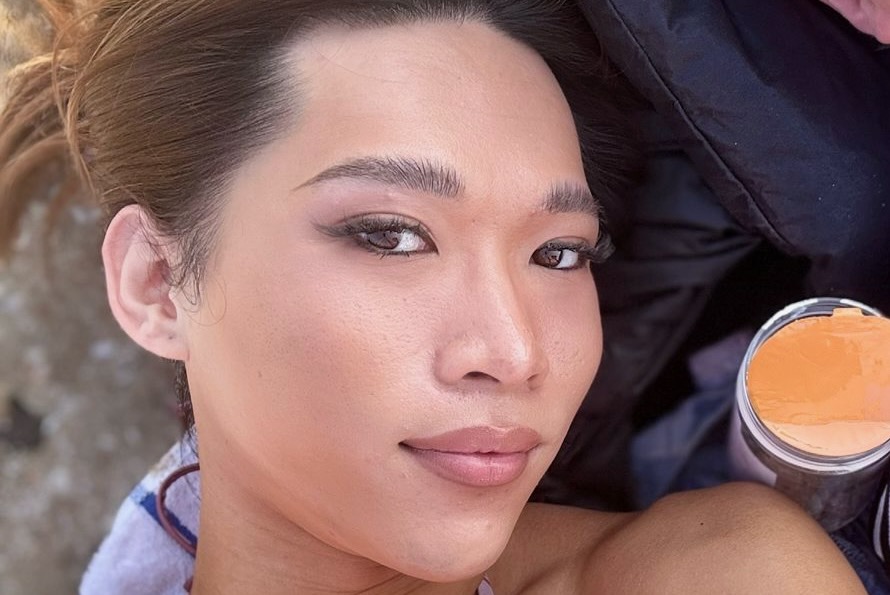
Quick Answer
If you have oily skin, the best setting powder is the one that does two jobs at once: absorbs surface oil and helps your base stay in place without looking dry or chalky. My easiest everyday pick is INNISFREE No-Sebum Mineral Powder for targeted shine control. For a more polished, photo-friendly finish, a soft-focus loose powder is usually the upgrade.
If your base breaks down fast, start with the full routine here: makeup for oily skin.
Quick Picks
- Best Everyday Pick: INNISFREE No-Sebum Mineral Powder — Check price
- Best Strong Wear Pick: Urban Decay All Nighter Setting Powder — Check price
- Best Soft-Focus Finish: Carslan Soft Focus Makeup Powder — Check price
- Best Refined Loose Powder: Laura Mercier Translucent Loose Setting Powder — Check price
- Best for Very Oily T-Zone: ETUDE Zero Sebum Drying Powder — Check price
- Best Touch-Up Compact: CoverGirl Clean Pressed Powder — Check price
If you have oily skin, your makeup usually looks good in the morning and then slowly starts to move. Shine comes through the T-zone, foundation separates around the nose, and by midday everything looks softer than you intended.
Setting powder is designed to solve that. Its job is to absorb excess surface oil and add light grip on top of your foundation so it doesn’t slide or break down as quickly. For oily skin, the goal isn’t to make your face completely flat or dry, it’s to stabilize the areas that get shiny first and help your base wear more evenly. In this guide, I’ll explain what setting powder can realistically do, what it can’t fix, and how to choose the right type of setting for oily skin.
What makes a setting powder good for oily skin?
The best setting powders for oily skin usually do three things well: they reduce surface shine, help makeup stay more stable, and keep the finish looking smoother instead of heavier as the day goes on.
Oil control
Good powders for oily skin do not stop oil production, but they can absorb excess surface oil so shine comes through more slowly.
Texture
The best formulas set the skin in a thin layer. If a powder goes on too thick or too dry, it can make pores and texture look worse.
Finish
Some powders are better for quick matte control, while others give a softer, more polished look. Oily skin often does best with a finish that looks controlled but not flat.
Touch-up performance
If your skin gets shiny again later, a good powder should still look decent when reapplied in small amounts. That matters almost as much as the first application.
Best setting powders for oily skin
These six picks cover different needs: quick oil control, stronger long-wear performance, soft-focus smoothing, and powders that hold up better in humidity.
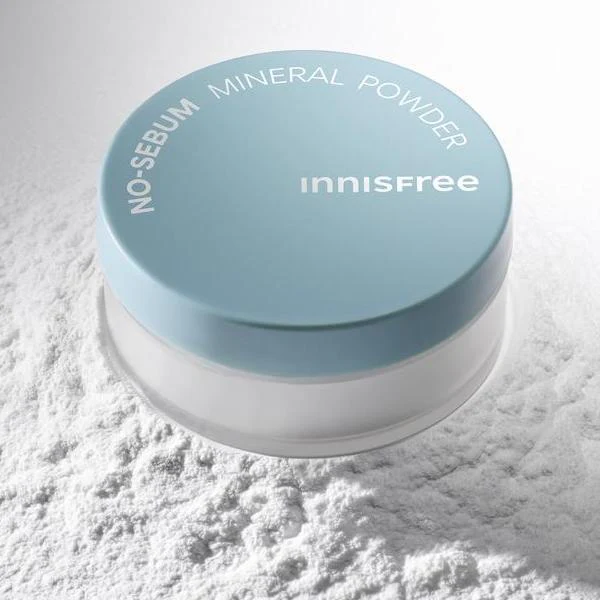
INNISFREE No-Sebum Mineral Powder
The quick, reliable option when your T-zone gets shiny fast. It's lightweight, easy to press into the sides of the nose, and it's one of the easiest powders to carry for touch-ups. Best for oily skin that wants a cleaner finish without looking heavily powdered.
- Best for: Fast oil control + touch-ups
- Finish: Natural-matte
- Tip: Press it in, don't sweep it over wet foundation
Easy everyday oil-control pick. (Affiliate link)
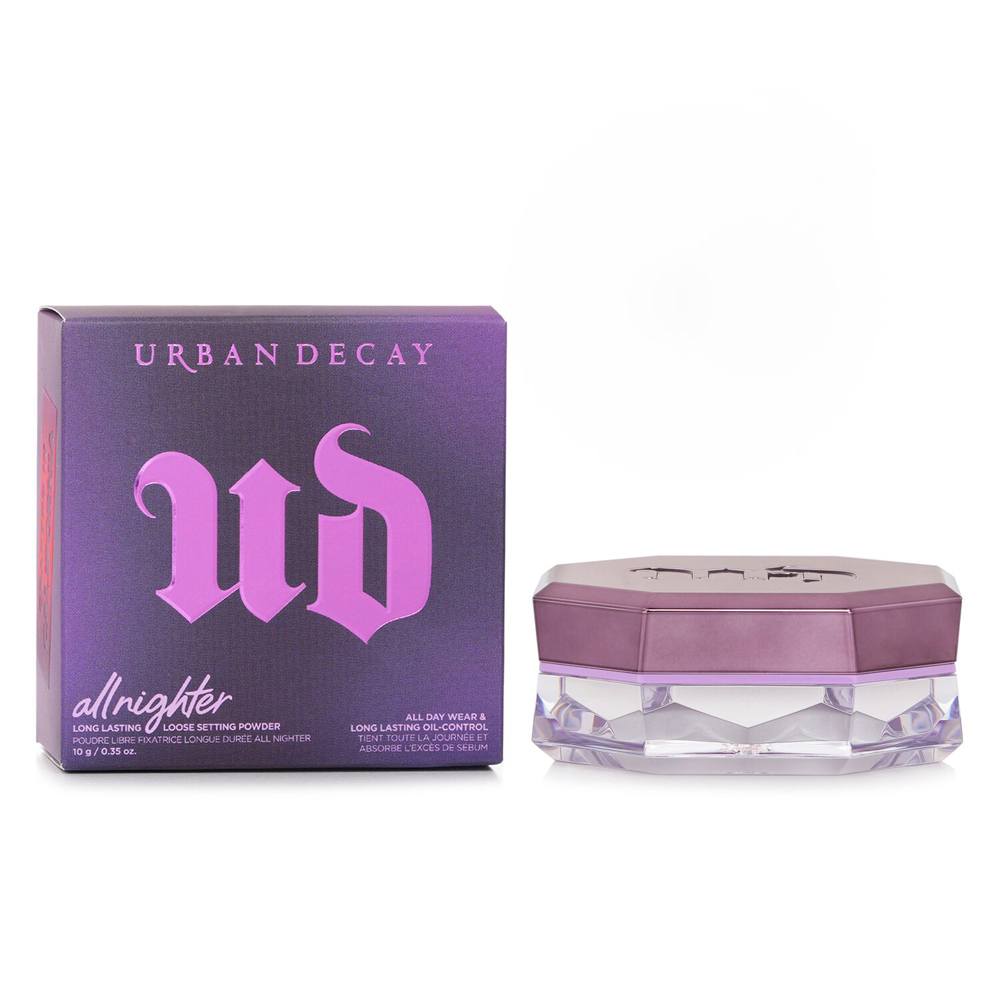
Urban Decay All Nighter Setting Powder
A more heavy-duty option for oily skin when you want stronger oil control and a more locked-in finish. This one makes the most sense if your makeup tends to break down fast in heat or humidity and you want a powder that leans more performance-focused than soft and invisible. If you want the full breakdown of how it performs, see my full Urban Decay All Nighter Setting Powder review.
- Best for: Oily skin and longer wear
- Finish: Matte-soft focus
- Tip: Use a light hand, especially around dry patches or under the eyes
Better for stronger wear and hotter days. (Affiliate link)
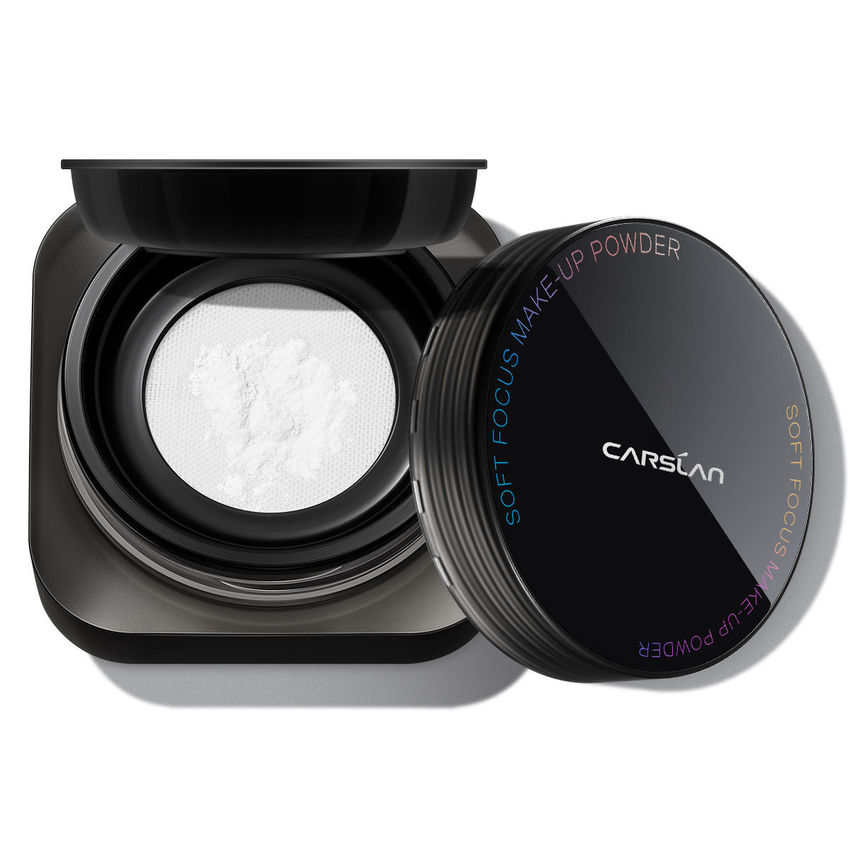
Carslan Soft Focus Makeup Powder
If you want that smoother "camera-ready" look without baking, this is the style of powder I reach for. Soft-focus powders are great for oily skin because they don't just fight shine, they also make pores look calmer.
- Best for: Blurring pores + polishing the base
- Finish: Soft-matte
- Tip: Use a puff and press only in the center of the face
Good for pore-blurring and a more polished finish. (Affiliate link)
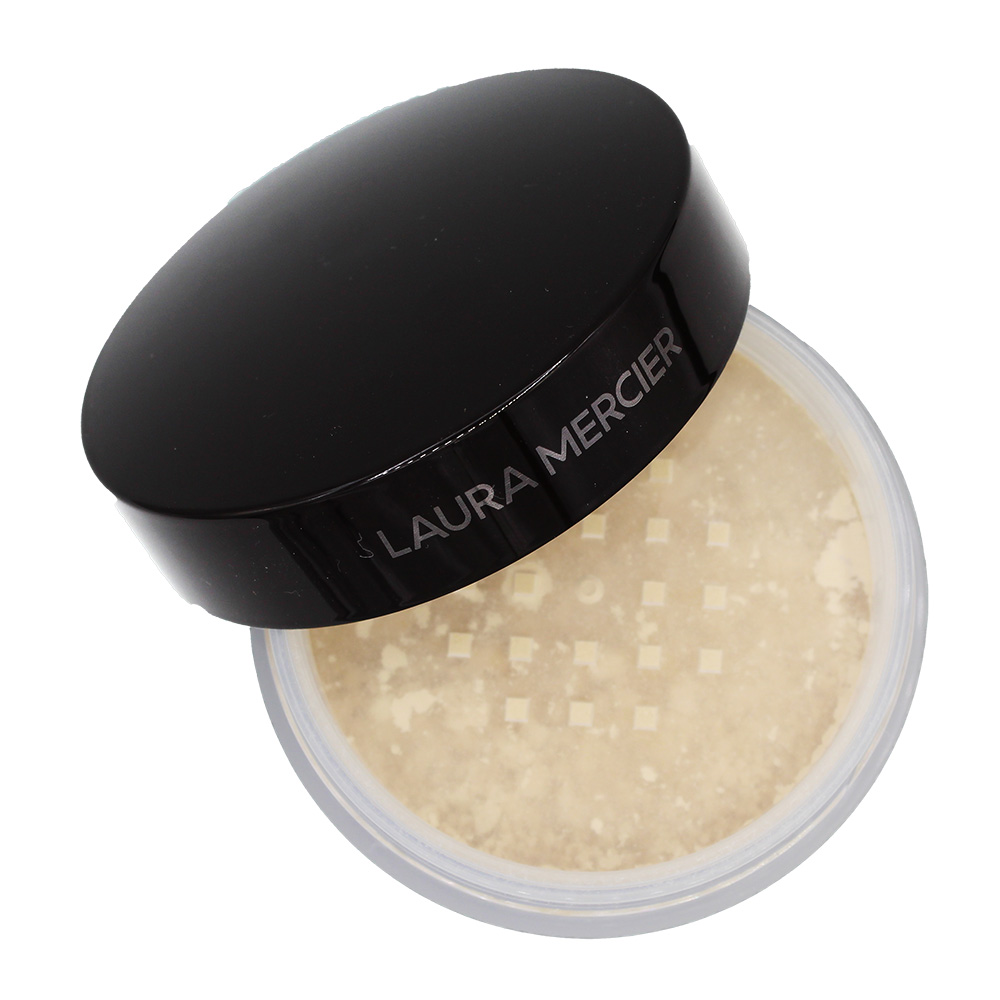
Laura Mercier Translucent Loose Setting Powder
This is a classic for a reason: it sets foundation thinly, smooths texture, and keeps the finish refined. For oily skin, it's especially good when you want a more polished look than "oil-control powder" can give. For a deeper breakdown of oil control, flashback, texture, and whether it is still worth the price, see my full Laura Mercier Translucent Loose Setting Powder review.
- Best for: Long wear + refined finish
- Finish: Soft-matte
- Watch out: Use less under the eyes if flash photos are a priority
Refined loose-powder option for longer wear. (Affiliate link)
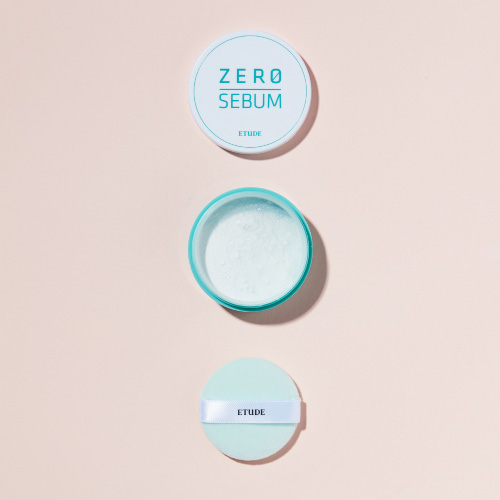
ETUDE Zero Sebum Drying Powder
This one is for oily skin that gets shiny quickly and prefers a cleaner, drier finish. It's the type of powder that works best when used strategically (nose, forehead, chin) rather than all over.
- Best for: T-zone shine that returns fast
- Finish: Matte
- Tip: Apply in thin layers; you can always add more later
Best when your T-zone gets shiny very fast. (Affiliate link)
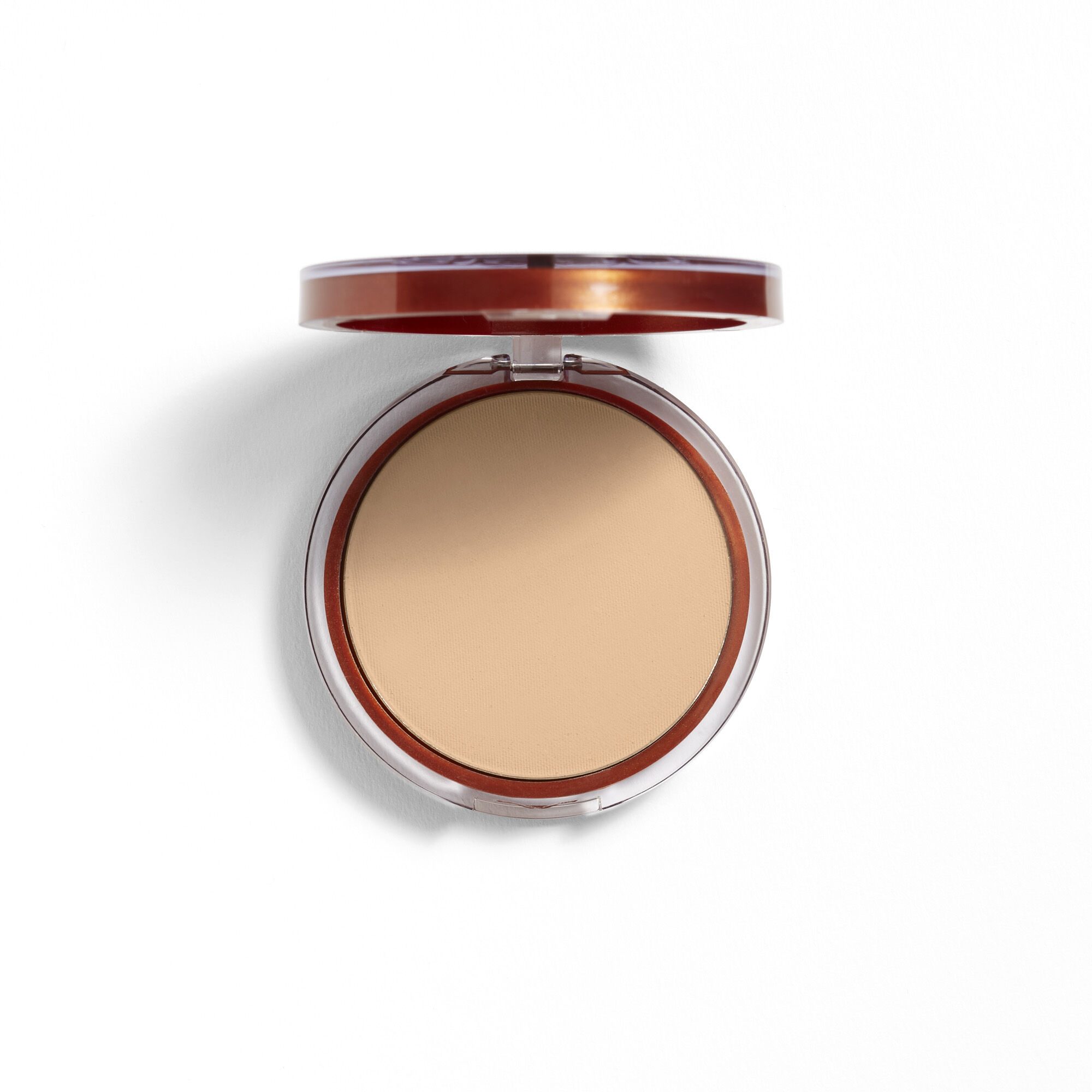
CoverGirl Clean Pressed Powder
A practical pressed powder for touch-ups when you want less shine without turning your face into a thick powder layer. This is the kind of product that earns its place in your bag, especially in humid weather.
- Best for: Midday touch-ups
- Finish: Natural-matte
- Tip: Blot first, then press powder only where you're shiny
The easiest bag-friendly touch-up option. (Affiliate link)
How to choose quickly
- Fast shine control: INNISFREE No-Sebum
- Stronger oil control and longer wear: Urban Decay All Nighter
- Smoother, more polished finish: Carslan Soft Focus
- Long wear with a refined look: Laura Mercier
- Very oily T-zone: ETUDE Zero Sebum
- Best touch-up compact: CoverGirl pressed powder
Quick check: are you actually oily?
A lot of people think they're oily when they're actually dehydrated, sensitized, or combination. The difference matters because the "most oil-control" powder can look heavy on skin that is tight underneath.
If you're unsure, this is the fastest way to confirm it: how to identify your skin type.
What does setting powder do for oily skin?
Setting powder helps oily skin in two practical ways. First, it absorbs surface oil so shine returns more slowly. Second, it adds a slight "dry grip" on top of foundation so your base slides and separates less through the day.
What it cannot do: powder does not stop your skin from producing sebum. If you have very oily skin, you should expect at least one touch-up. The goal is better wear and a cleaner breakdown, not magic.
Loose vs pressed powder for oily skin?
For pure wear time, loose powder usually wins because it spreads more evenly in a thin layer. That thin layer sets foundation without building texture. Pressed powder is still important, but mainly because it gives you control when you touch up.
- Loose powder: best for setting the face in the morning, especially the T-zone.
- Pressed powder: best for midday touch-ups because you can press only where you're shiny.
My favorite "oily skin system" is simple: loose powder to set, pressed powder to maintain.
Which ingredients matter most for oil control?
This is the part most "best of" lists skip. For oily skin, ingredients determine whether a powder feels like a light finishing step or whether it actually changes how your makeup wears.
Silica
Silica is one of the most common oil-control ingredients because it's good at soaking up surface oil and blurring pores. The downside is that some silica-heavy powders can look brighter in flash photography if you apply a thick layer, especially under the eyes.
Talc
Talc is used for slip and smoothness. It can help powders feel less gritty and more even on the skin. If you like a powder that feels "soft" and easy to blend, talc often plays a role in that texture.
Starch (tapioca, corn, rice)
Starches can absorb oil, but they often feel lighter and less "dry" than a very matte, mineral-heavy powder. They can be great for oily skin that still wants a natural skin finish. The trade-off is that some starch-based powders need more frequent touch-ups.
Clays (kaolin, bentonite)
Clays are strong oil absorbers. They can be very effective in the T-zone, but they can also emphasize dryness if you apply them over areas that are tight, flaky, or textured.
Elastomer powders (silicone elastomers)
These are the "smooth operator" ingredients. They help powder sit more evenly and can improve the way makeup resists movement. On oily skin, elastomers often make a powder look more polished and less dusty.
How do you apply powder for oily skin?
Cakey powder is almost always an application issue. The biggest mistake I see is putting powder on top of a base that has not set, or trying to "fix" oil by piling powder onto shine.
My reliable method
- Let foundation settle: give it 30–60 seconds. If it still feels wet, powder will grab and clump.
- Use a puff for oily zones: press powder into the sides of the nose, center forehead, chin. Pressing gives better longevity than dusting.
- Brush the edges: use a fluffy brush to soften the perimeter so you don't look powdered.
- Stop when shine is controlled: not when you look "matte." You want your base to stay alive, not look flat.
Baking vs setting
Baking can help for events, photos, and long nights because it locks down high-movement areas and can blur texture. The problem is that baking uses a lot of powder, and a lot of powder comes with consequences.
- Baking helps when: you need extra longevity for photos, you have strong under-eye creasing, or you're wearing heavier base makeup.
- Baking backfires when: your skin is dehydrated underneath, you're prone to texture, or you're using flash photography and a very pale powder.
If you want the benefit without the drama, do a "micro-bake": press a thin layer, wait 30–60 seconds, and dust off lightly.
How do you prevent flashback in photos?
Flashback is usually a combination of two things: a light-scattering powder and too much product in one area. Under-eye baking is the most common culprit.
Flashback prevention checklist
- Use less powder under the eyes. Set lightly, then stop.
- Choose tinted if you're medium to deep. "Translucent" can still look pale in flash when applied heavily.
- Test your full face with flash. One quick phone photo is worth more than guessing.
- Avoid brightening layers on top of powder. Highlighter, reflective concealer, and heavy powder together can bounce light.
Translucent or Tinted Setting Powder?
"Translucent" does not mean invisible on everyone. If your skin is medium to deep, or if you apply a lot of powder, translucent powders can leave a white or grey cast, especially in daylight and photos.
If you've ever seen your face look a bit ashy after setting, choose a tinted powder close to your skin tone. Tinted powders also make touch-ups easier because you can correct the center of the face without creating a pale layer on top.
Is talc safe in setting powder? What about "talc-free" claims?
Talc is common in powders because it improves slip and texture. Some people prefer to avoid it, and that's fine. Talc-free powders can work really well, but "talc-free" by itself does not guarantee better oil control, better wear, or better skin compatibility.
If you want my practical take: choose based on finish, performance, and how your skin behaves. Talc-free is a preference filter, not an automatic quality upgrade.
Will setting powder clog pores or worsen acne?
Powder itself is not automatically pore-clogging, but oily and acne-prone skin can get congested from three habits: heavy layering, unclean tools, and not removing makeup thoroughly.
Acne-friendly powder habits
- Use thin layers. Press only where you need oil control.
- Clean your puff. If it lives in your bag, it picks up oil and bacteria fast.
- Blot before reapplying. Powder on top of oil is where texture and clogged-looking pores happen.
How do you touch up midday without building texture?
The rule is simple: remove oil first, then add product.
- Blot: use blotting paper or a clean tissue and press, don't rub.
- Press powder: use a compact or a small puff and press only where shine came through.
- Don't chase perfection: the goal is calm skin, not a second full base.
For something a little different from a standard setting powder, the Anessa Perfect UV Brush-on Powder also works well for midday oil control while giving you a more makeup-friendly way to top up UV protection.
Setting powder can control surface shine, but it will not fix skincare that is too heavy underneath. If you get greasy before makeup or powder even goes on, start with my guide to why your face gets oily after skincare.
Powder + setting spray: which order works best for oil control?
For oily skin, I like a two-step approach depending on what you're trying to fix.
- If you want maximum hold: powder first to set the base, then setting spray to lock it in.
- If you look too powdery: powder first, then a light mist to melt the finish and make it look like skin again.
If you want specific picks and a deeper breakdown of finishes (matte hold vs melt sprays), read: best setting spray for oily skin.
Best approach for humid climates (sweat + oil + mask friction)
Humidity changes everything because you're not only dealing with oil, you're dealing with moisture and friction. Sweat softens makeup. Masks and phone screens rub it off. The goal is a base that breaks down evenly instead of separating.
My humidity-proof routine (simple but effective)
- Go thinner: lighter layers wear better than thick layers in heat.
- Set the "friction zones": sides of the nose, around the mouth, chin.
- Carry a pressed powder: blot then press, especially after walking outdoors.
- Don't over-correct: too much powder can turn sweat + powder into texture.
Bottom line
The best setting powder for oily skin is the one you can use in thin layers and still like how your skin looks. Set with loose powder, touch up with pressed, blot before you add anything, and treat flashback as a technique problem first.
FAQ
Do I need setting powder if I use long-wear foundation?
Not always, but most oily skin benefits from setting the center of the face. Even a good foundation can slide around the nose and chin in humidity without a little powder support.
Why does powder make my pores look worse?
Usually it's too much powder, or powder on top of a base that is still wet. Press a thinner layer only in the T-zone and soften the edges with a brush.
Can I use setting powder without foundation?
Yes. On oily skin, a light powder in the T-zone can reduce shine on bare skin. Just keep it light so it doesn't look dry or chalky.
How often should I touch up oily skin?
As needed. If you're very oily in a humid climate, one midday touch-up is normal. Blot first, then press powder only where shine comes through.
Maddie is here to share beauty knowledge and help you elevate your skincare and makeup routine. Love ya. 💕