
Quick Answer
Yes, many people with oily skin can skip moisturizer in the morning and use sunscreen as the only layer, especially in heat and humidity. The key is that your sunscreen needs to feel comfortable on bare skin (no tightness, no flaking) and you still need to apply a full, even amount of SPF.
- Skip moisturizer if your sunscreen is hydrating enough and your skin stays comfortable.
- Add a light moisturizer if you get tightness, flaking, or irritation (common with acne meds).
- Don't under-apply SPF just because you hate shine. Use two thin coats for an even film.
- Fix pilling by reducing layers, using less product per step, and letting each layer set.
If you want a real example of a sunscreen that often works as a "one-and-done" morning layer, start here: my Anessa Mild Milk review.
If your skin is oily, it’s normal to look at a multi-step morning routine and think: do I really need a separate moisturizer, or can my sunscreen do that job too? A lot of sunscreens are basically lotions with UV filters, so for some people, sunscreen can function as the “moisturizer step” and simplify the whole routine.
This is most suitable when your skin already has enough natural oil, your sunscreen feels comfortable on bare skin, and you’re trying to avoid the common downsides of extra layers: greasiness, pilling, and makeup that starts to slide. The catch is simple: it only works if your skin stays comfortable (no tightness or flaking later) and you still apply a full, even amount of sunscreen for real protection. Let’s make it practical.
Maddie’s baseline
If your sunscreen looks good but you used half the amount because you hate shine, you didn’t find “the perfect sunscreen.” You found a routine that feels nice and protects less than you think.
Can sunscreen replace moisturizer for oily skin?
Often, yes. A lot of modern sunscreens contain the same categories of ingredients you see in moisturizers (humectants, emollients, film-formers). If your skin feels calm and comfortable with SPF alone, there's no rule that says you must add a separate moisturizer first.
The reason it works better for oily skin is simple: you already produce more sebum, and in humidity you also lose less water from the surface. Adding a moisturizer can push you into "too much product," which shows up as shine, sliding makeup, or clogged-feeling skin.
When is it better to skip moisturizer?
Skipping moisturizer tends to work best in these situations:
- High humidity + very oily skin: fewer layers usually wear better and feel cleaner.
- You're getting midday slickness: your "hydration step" may be more than you need in the morning.
- You're wearing makeup in heat: fewer layers = less pilling and less separation. (This is exactly why I built my heat-and-humidity makeup guide.)
- Your sunscreen is already creamy/hydrating: some formulas behave like a moisturizer base by default.
When skipping backfires
If you're on acne meds (retinoids, benzoyl peroxide) or you're feeling tight by midday, skipping moisturizer often turns into irritation, flaky edges, and sunscreen that clings in patches. That's not "oily skin being oily." That's barrier stress.
Oiliness vs dehydration: how do you tell?
This is the part most people miss. Oily skin can still be dehydrated. The giveaway is not "do I shine," it's how my skin feels and behaves.
Quick self-check (2 minutes)
- Tightness after cleansing: especially around mouth/nose = likely dehydration or over-cleansing.
- Flaking at the edges: but still shiny on the T-zone = classic oily-but-dehydrated pattern.
- "Rebound shine": you look shinier faster when you skip hydration because your surface is uneven and irritated.
- Makeup clings, then slips: dry patches grab pigment, oily areas melt it off.
If you recognize yourself here, don't jump to "I need a heavy cream." You usually need a lightweight gel moisturizer or a sunscreen that's more hydrating. If you want options, start with: Laneige Water Bank Blue Hyaluronic Gel Moisturizer (lighter) or the Gel Cream version (a bit richer but still oily-skin friendly).
Does skipping moisturizer make oily skin more oily?
The "rebound oil" idea gets repeated a lot online: you skip moisturizer and your skin "overproduces oil to compensate." In real life, what most people experience is this:
- Less comfort: tightness and irritation make your skin feel worse.
- More visible shine: because the surface is uneven or your sunscreen film is breaking down.
- More touching / blotting / rubbing: which can make everything look oilier.
So no, skipping moisturizer doesn't automatically flip a switch and make your oil glands "go wild." But if skipping makes your barrier unhappy, your skin can look shinier and your makeup can wear worse. That's the practical version of the myth.
Will sunscreen still work if you don't moisturize first?
Yes. Sunscreen works when it forms an even film on the skin and you apply enough of it. Moisturizer is not a required step for UV filters to do their job.
The bigger risk is behavioral: people who skip moisturizer sometimes apply less sunscreen because they want less shine. That's the mistake to avoid.
Do moisturizers reduce sunscreen effectiveness or cause pilling?
A moisturizer doesn't inherently "cancel" sunscreen. What it can do is increase the chance of pilling or slipping if you layer too much product too fast, or if the textures fight each other (for example: heavy silicone primer + rich cream + thick sunscreen).
Why pilling happens
- Too much total product: layers don't set and start rolling when you rub.
- Conflicting textures: thick cream under a fast-drying film-forming SPF can pill.
- Rubbing instead of pressing: friction makes products ball up.
Best sunscreen textures if it's your only morning layer
If sunscreen is your moisturizer, texture matters. Here's how I think about it for oily skin:
Texture cheat sheet (oily skin)
How much sunscreen is "enough" for face and neck?
Enough sunscreen means a full, even layer. Under-applying is the fastest way to turn SPF into a false sense of security. If you apply half the amount, you will not get the labeled protection.
My oily-skin friendly method: two thin coats
- Apply a thin, even layer to face and neck. Don't over-rub. Press and smooth.
- Wait 30–60 seconds until it feels less wet.
- Apply a second thin layer to reach a fuller film, especially on cheeks, nose, and forehead.
What under-applying looks like
If you're "dotting a little" then rubbing until it disappears completely, you're probably using too little. A proper sunscreen layer should look like a layer for a minute, then set.
If you use actives (retinoids, benzoyl peroxide), should you still skip moisturizer?
This is where I'm more conservative. If you're using drying acne actives, skipping moisturizer can be fine only if your sunscreen is hydrating and your skin stays calm.
Simple rules that usually work
- New to retinoids/BPO: don't skip. Keep a light moisturizer in the routine until your skin adapts.
- Flaking or sting: add a gel moisturizer and reduce friction (gentler cleansing, fewer layers).
- Stable and comfortable: you can try sunscreen-only mornings and reassess after 3–5 days.
If your skin is acting up, a lightweight base can make a big difference under sunscreen.
Moisturizers with SPF: are they equivalent to sunscreen?
They can be protective, but the real-world problem is how people use them. Most people apply moisturizer with SPF like a normal moisturizer (small amount, fast rub-in), and they often miss areas like eyelids and around the nose.
If you use a moisturizer with SPF as your only SPF product, treat it like sunscreen: apply a generous amount, cover face and neck evenly, and reapply if you're outdoors. Otherwise, you're better off using a dedicated sunscreen you're willing to apply properly.
How to prevent pilling with a minimal routine
If your routine is cleanser + sunscreen (or cleanser + light moisturizer + sunscreen), pilling is usually fixable. Here's the quick troubleshooting:
Pilling fixes (in order)
Minimum viable routine for oily skin
If you want the simplest routine that still makes sense for oily skin, here are two options I recommend most often.
Option A: 2-step (best for humid days)
- Gentle cleanse (or rinse): don't over-strip.
- Sunscreen: apply enough and let it set before makeup.
Option B: 3-step (best if you're tight/dehydrated or on acne meds)
- Gentle cleanse: no "squeaky clean."
- Light gel moisturizer: thin layer, let it settle.
- Sunscreen: two thin coats if needed.
If your makeup is part of the problem (sliding, separation, shine that turns "wet"), you'll get a lot of value from this: Best makeup for heat and humidity.
For the full picture around moisturizer, SPF, and the rest, see my AM and PM skincare routine for oily skin.
If you do add primer, a thin silicone-based formula applied after sunscreen has fully set can significantly improve how long foundation lasts on oily skin — without adding meaningful bulk to your routine. See which formulas are worth it: Best silicone-based primer for oily skin.
Two product picks (simple, strategic)
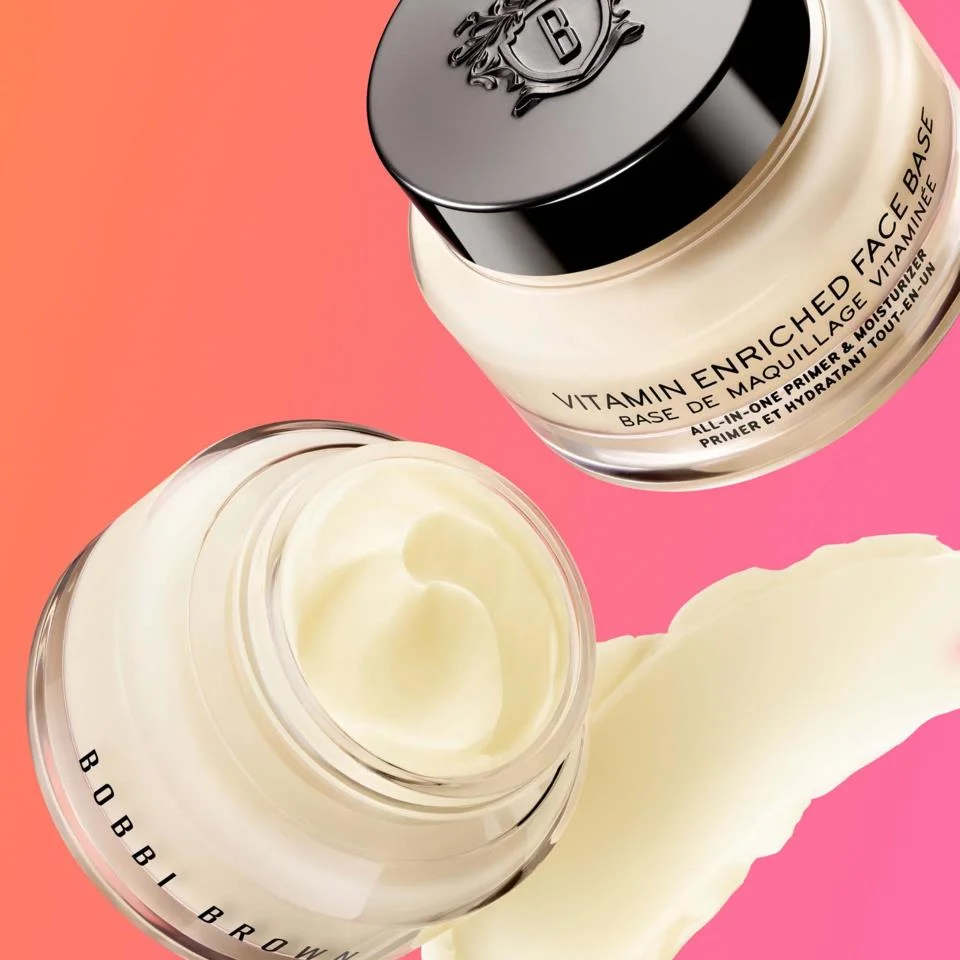
Bobbi Brown Vitamin Enriched Face Base
If you need one morning layer that makes sunscreen and makeup behave better, this is a strong option. I like it most when oily skin is also acting a little dehydrated or textured.
- Best for: oily but tight/dehydrated days, makeup prep
- Texture: richer cream (use a thin layer)
- Tip: pea-size amount to avoid pilling
Read my full breakdown: Vitamin Enriched Face Base review.
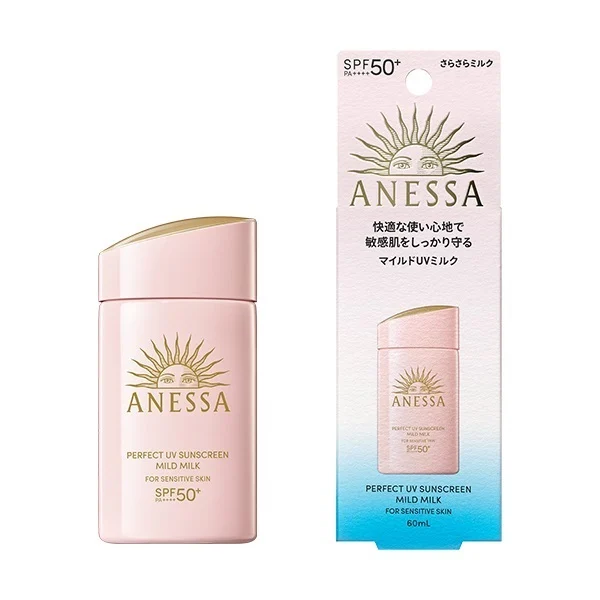
Anessa Perfect UV Sunscreen Mild Milk SPF50+ PA++++
A lightweight "milk" texture that often works well as the only morning layer for oily skin. It's also one of the easier formats to apply in thin coats without feeling heavy.
- Best for: oily skin in heat/humidity
- Texture: fluid/milk (thin, layers well)
- Tip: apply two thin coats for an even film
Read my full breakdown: Anessa Mild Milk review.
Final thoughts
If you have oily skin, especially in humidity, skipping moisturizer can be a smart move. Just don't trade "fewer steps" for "less sunscreen." The routine that wins is the one that keeps your skin comfortable and lets you apply a full, even SPF layer without drama.
Maddie is here to share beauty knowledge and help you elevate your skincare and makeup routine. Love ya. 💕
Frequently Asked Questions
Can sunscreen replace moisturizer for oily skin?
Often, yes. If your sunscreen feels comfortable on bare skin (no tightness or flaking later), it can act as your morning moisturizer. If you get irritation or dry patches, add a thin gel moisturizer or switch to a more hydrating SPF.
Does skipping moisturizer make oily skin more oily?
Not automatically. What people call "rebound oil" is often barrier stress: skin feels tight, looks shinier, and makeup wears worse. If skipping makes your skin uncomfortable, add a lightweight moisturizer.
Do moisturizers reduce sunscreen effectiveness?
Moisturizer doesn't inherently cancel sunscreen. Most "SPF problems" come from under-applying sunscreen, rubbing too much, or pilling that prevents an even film.
How do I prevent pilling with a minimal routine?
Use less moisturizer (if you use one), let it set for 60–90 seconds, and apply sunscreen by pressing and smoothing instead of scrubbing. Two thin coats of SPF often pill less than one thick layer.