Quick Answer
The best silicone based primer for oily skin is usually one that blurs pores with ingredients like dimethicone or cyclopentasiloxane while also helping control shine, so foundation stays smoother and lasts longer in heat and humidity.
If you care most about foundation wear time, silicone primers still make the most sense for many oily skin types because they help blur pores, soften uneven texture, and create a smoother surface for makeup to grip.
If your foundation looks gorgeous at 9 a.m. and tired by lunch, primer is usually where the problem starts. Oily skin does not just need something that feels silky for ten minutes. It needs a base that helps makeup stay smoother as oil starts coming through.
That is why this article is not really about trendy primers in general. It is about the best silicone based primer for oily skin, especially if your real goal is long wear. I care a lot more about how a primer behaves after six hours than how pretty the tube looks. On oily skin, that difference matters.
If you are still figuring out whether your skin is truly oily or just going through a weird seasonal phase, read my guide on how to identify your skin type. That makes primer shopping a lot easier.
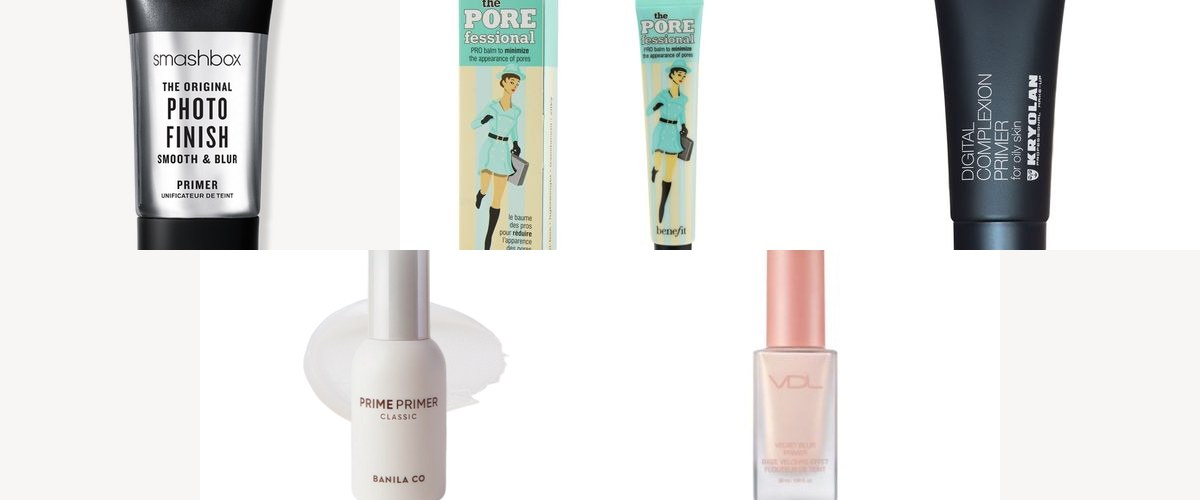
Top 6 Silicone Primer Picks
- Best overall long wear: Smashbox The Original Photo Finish Smooth & Blur Primer — Check price
- Best for pores: Benefit The POREfessional Face Primer — Check price
- Best true mattifying option: Kryolan Digital Complexion Primer for Oily Skin — Check price
- Best K-beauty pore smoother: Banila Co Prime Primer Classic — Check price
- Best lightweight blur for makeup days: VDL Velvet Blur Primer — Check price
- Alternative: lightweight blur primer (not fully silicone-based): CLIO Wake Up Primer Blur — Check price
Is silicone-based primer actually better for oily skin?
For a lot of oily skin types, yes. Silicone primers usually do a better job of smoothing the surface of the skin than gripping primers do, and that matters when your foundation tends to separate around the nose, inner cheeks, or forehead. They are especially useful if your skin is oily and textured, because oily skin rarely just gets shiny. It often gets shiny in a way that makes pores and rough patches look more obvious.
That is also why the same classic formulas keep sticking around. Products like Smashbox Photo Finish and Benefit The POREfessional are still easy to recommend because they solve the same oily-skin problems people keep having: shine, visible pores, and makeup that starts separating too early.
That does not mean every oily person needs a silicone primer every day. But if your main complaint is that foundation does not last, silicone is still where I would start. If you want a broader breakdown, I also did a full guide on is silicone based makeup good for oily skin.
What ingredients signal that a primer is silicone-based?
The most obvious clue is the ingredient list. If you see names like dimethicone, cyclopentasiloxane, trisiloxane, dimethicone crosspolymer, or dimethicone/vinyl dimethicone crosspolymer near the top, you are almost definitely dealing with a silicone-heavy formula.
For example, Smashbox The Original Photo Finish lists cyclopentasiloxane, dimethicone, dimethicone crosspolymer, trisiloxane, silica, and dimethicone/vinyl dimethicone crosspolymer. Benefit The POREfessional also lists cyclopentasiloxane, dimethicone, dimethicone/vinyl dimethicone crosspolymer, silica, and dimethicone crosspolymer near the top. That is very classic dimethicone primer oily skin territory.
If you still get confused by ingredient labels, that is normal. Marketing language is usually much less useful than the INCI list. A primer can be sold as "blur," "matte," or "pore-minimizing" and still feel totally different once you put it on.
Do silicone primers control oil or just blur pores?
Sometimes both, but not always equally. This is where people get disappointed. A primer can be excellent at making your pores look smoother and still be only average at actual oil control. That is why some primers look amazing right after application and then start feeling too slick a few hours later.
The best versions combine silicones with oil-managing extras. Kryolan's Digital Complexion Primer for Oily Skin is a good example because the brand explicitly positions it as a matt primer with elastomer powder particles that reduce shine by absorbing excess sebum and oils, while also filling pores and fine lines. Its ingredient list also includes silica and multiple silicone crosspolymers.
So when someone asks me for a mattifying silicone primer, I am not just looking for dimethicone. I am looking for dimethicone plus something that helps with oil breakthrough.
Why these silicone primers keep getting recommended
After trying a lot of primers on oily skin, you start noticing the same pattern: a few formulas simply keep working better than others. Smashbox Photo Finish and Benefit The POREfessional are two of the most obvious examples. They have been around for years, but they are still easy to recommend because they do the basic job very well — smoothing texture, softening the look of pores, and helping foundation sit more evenly on oily skin.
That does not mean they are perfect for everyone, but it does explain why these names keep showing up whenever people talk about pore-blurring or long-wear primers. When a formula survives years of new launches and still holds up on oily skin, there is usually a practical reason behind it.
If you want a broader overview of primers beyond just silicone-based formulas, I also put together a guide on what primer is best for oily skin.
Are silicone primers safe for acne-prone skin?
Usually, yes, but with a little nuance. Silicone itself is not automatically the villain. A lot of people with acne-prone oily skin can use silicone primer just fine, especially when they keep the layer thin and remove makeup properly at night.
Some primers are even described as non-comedogenic on retailer or brand pages. eCosmetics describes Maybelline Baby Skin Instant Pore Eraser as non-comedogenic, and Benefit's newer matte primer is marketed by Benefit as blurring pores, helping makeup stay put, and instantly absorbing excess oil for a lasting natural-matte finish.
The bigger issue is usually over-application, heavy skincare underneath, or sleeping in makeup. If you are oily and breakout-prone, I would also keep an eye on whether your skin is actually irritated or just congested. Those are not the same thing.
And if your skin can be oily but flaky at the same time, that changes how primer behaves too. I wrote more about that in oily skin but flaky.
Why do some silicone primers pill or feel greasy?
Usually because there is simply too much happening underneath them. Silicone primer tends to sit best over light, well-absorbed skincare. If your sunscreen is still wet, your moisturizer is rich, and then you add a heavy silicone primer all over the face, you are basically asking for rolling, pilling, or that weird greasy slip by midday.
I see this a lot in humid climates. People try to fight oil by using more products, but oily skin usually looks better when you simplify. If your daytime routine is too creamy, start there. My article on whether you can skip moisturizer and use sunscreen on oily skin helps with that prep question.
How should you match primer with foundation?
This matters more than people think. A silicone primer can work beautifully under long-wear, soft-matte, or matte foundations because those formulas often already lean silicone-heavy themselves. That pairing tends to create a smoother, more stable base.
If your foundation already wears well and just needs extra smoothing around the nose or cheeks, a pore filling primer for oily skin is perfect. But if your foundation is very hydrating, very glowy, or almost serum-like, a thick silicone balm under it can sometimes make the finish look a little disconnected. The foundation sits on top instead of melting in.
This is one reason I keep saying to match the primer to the type of base you actually wear, not just your skin type. If your foundation is your weak point, start with my full guide to makeup for oily skin.
Is full-face primer better than T-zone primer?
Usually not. On oily skin, targeted application is often smarter than full-face application. If your biggest issues are the center of the face, pores around the nose, and a shiny forehead, then prime those areas and leave the rest alone.
This keeps the base looking lighter and helps you avoid that overloaded feeling later in the day. For oily skin, more primer does not equal longer wear. Better placement equals longer wear.
Which texture works best for oily skin?
Gel and balm textures are usually the sweet spot. A clear silicone gel like Smashbox feels classic, smooth, and dependable if long wear is your main goal. A silky balm like Benefit is especially nice when pores are the bigger issue. A velvet gel like Kryolan sits a little more in the mattifying camp.
Banila Co Prime Primer Classic is described by StyleKorean as a pore-smoothing primer that preps skin for seamless makeup application, covers up and reduces the appearance of pores, and gives the skin a silky-smooth texture. VDL Velvet Blur Primer is described by Stylevana as a tone-up primer that creates smooth and fluffy skin without makeup fading.
If I had to simplify it:
- Gel: best for classic long wear
- Balm: best for visible pores
- Velvet gel: best for stronger shine control
- Lotion-cream blur primers: good if you want lighter texture and less slip
- Lightweight hybrid (CLIO Wake Up Primer Blur): good if you want blur without any classic silicone-primer heaviness
How should you apply silicone primer in humidity?
Keep it thin. That is honestly the whole game. In hot, humid weather, heavy layers do not make you last longer. They just give oil more product to break through.
My routine is simple: lightweight skincare, let sunscreen set, then apply a rice-grain to pea-size amount of primer only where I need it. Usually that means the nose, inner cheeks, chin, and sometimes the center of the forehead. Then I press foundation over it instead of aggressively rubbing.
If humidity is your main problem, you may also want a stronger mattifying route. My page on best mattifying primer for oily skin is useful for that specific situation.
Are silicone-free gripping primers sometimes better?
Yes. Not for everyone, but definitely for some people. If you hate that velvety slip, if your skin makes blur primers feel waxy after a few hours, or if your base makeup is very thin and flexible, a gripping primer can sometimes wear better.
This is the real silicone vs water based primer for oily skin conversation. Silicone usually wins for pore blur. Water-based or gripping primers can sometimes win for a fresher-feeling, more flexible hold. That is especially true if your skin is oily but you dislike that classic silicone finish.
If you want an example from the gripping side, read my NYX Face Glue Gripping Primer review. It is a very different experience from a traditional silicone primer.
What makes a primer good besides dimethicone?
Dimethicone alone is not enough. What makes a primer truly good for oily skin is the full package: silicone structure, how it spreads, whether it includes absorbent ingredients, how it behaves under foundation, and whether it stays comfortable after a few hours.
That is why I pay attention to ingredients like silica, elastomer powders, and crosspolymers. Smashbox combines multiple silicones with silica. Benefit also combines multiple silicones with silica. Kryolan uses silicone crosspolymers plus silica and explicitly markets the formula toward oily skin and excess sebum.
This is also why a product can look silicone-heavy on paper but still not be my favorite. The finish has to stay balanced on real skin.
Which primers are best for pores, no-makeup days, or full glam?
For visible pores, I would go with Benefit The POREfessional first. It is one of those formulas that still earns its reputation because it gives that immediately smoother look without feeling too dry.
For no-makeup days, I would choose VDL Velvet Blur Primer or Banila Co Prime Primer Classic. Those are easier when you want some soft-focus smoothing without going fully matte and heavy.
For full-glam long wear, Smashbox or Kryolan make more sense. Smashbox is the classic reliable option. Kryolan is the one I would look at if you want a stronger oil-control angle and a more performance-style base.
And if pores are the main issue, I already did a more specific guide on the best face primer for large pores.
My top 6 silicone-based primers
These are the silicone primers that make the most sense if your skin gets shiny quickly, your pores become more visible through the day, or your foundation tends to break apart around the center of the face. The last pick is a lighter hybrid option for people who want smoothing without the classic silicone-heavy feel.
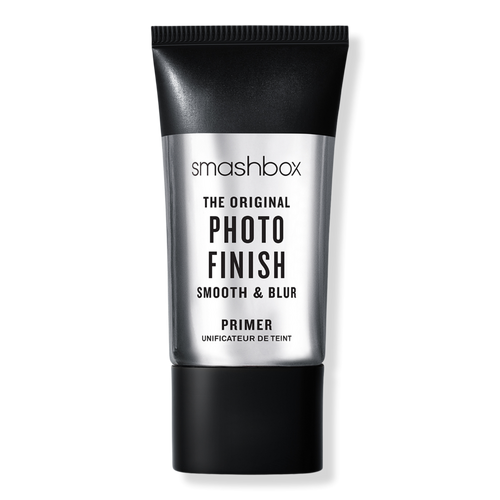
Smashbox The Original Photo Finish Smooth & Blur Primer
This is still one of the best answers if your main goal is simply to make foundation last better. eCosmetics describes it as smoothing skin, blurring pores and fine lines, and it lists a very classic silicone base with cyclopentasiloxane, dimethicone, trisiloxane, multiple silicone crosspolymers, and silica. For a deeper breakdown of texture, pore blurring, oily skin performance, and how it compares with gripping or mattifying primers, see my full Smashbox The Original Photo Finish Smooth & Blur Primer review.
- Best for: long-lasting foundation wear
- Texture: clear, silky gel
- Why I like it: dependable wear with a smooth, refined finish
Who should buy this: people whose foundation starts breaking apart around the nose, inner cheeks, or T-zone within a few hours, especially in heat or humidity.
Who should skip this: people who dislike classic silicone slip or find that traditional silicone primers make their skin feel coated by midday.
Why it made the list: because it balances pore blur, texture smoothing, and foundation wear support better than most silicone primers at this price point, and it keeps showing up at the top of editor-tested oily-skin roundups for a reason.
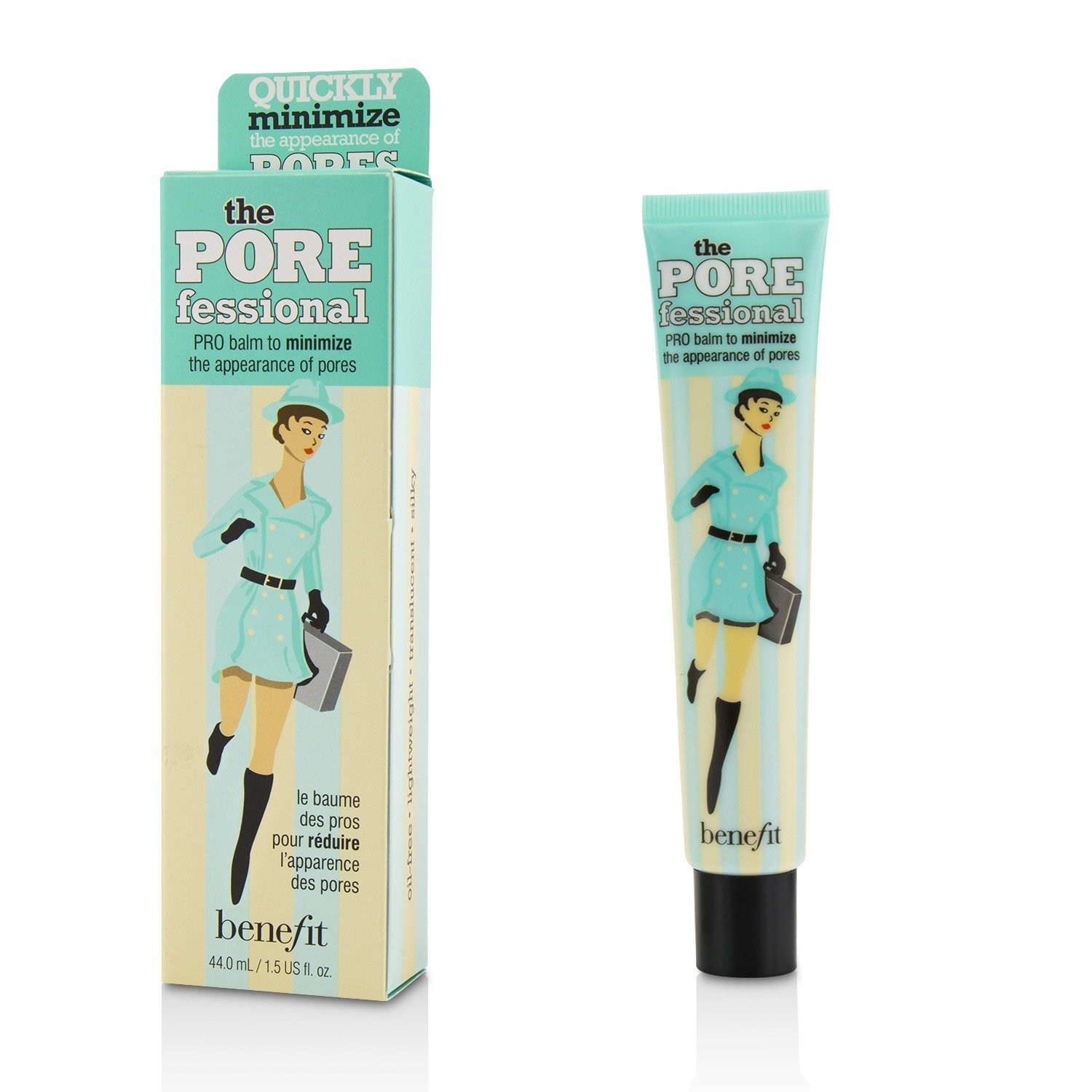
Benefit The POREfessional Face Primer
If your pores bother you more than your shine, this is the classic one. eCosmetics describes it as reducing the visible size of pores and helping makeup last longer, with an oil-free feel and a silicone-heavy formula built around cyclopentasiloxane, dimethicone, crosspolymers, and silica. For a deeper breakdown of texture, pore blurring, skin-type fit, and how it compares with newer primers, see my full Benefit The POREfessional Face Primer review.
- Best for: best primer for oily skin and large pores
- Texture: silky balm
- Why I like it: easy to use, especially around the center of the face
Who should buy this: people whose biggest complaint is visible pores rather than full-face shine, or anyone who wants a smoother-looking surface before foundation without a heavy or fully matte feeling.
Who should skip this: people who need stronger oil control first and foremost. If your skin breaks through primer in under two hours, this one alone may not be enough.
Why it made the list: because it is one of the most consistently recommended pore-blurring silicone primers and the formula still earns it. It also sits beautifully under a wide range of foundation types without fighting them.
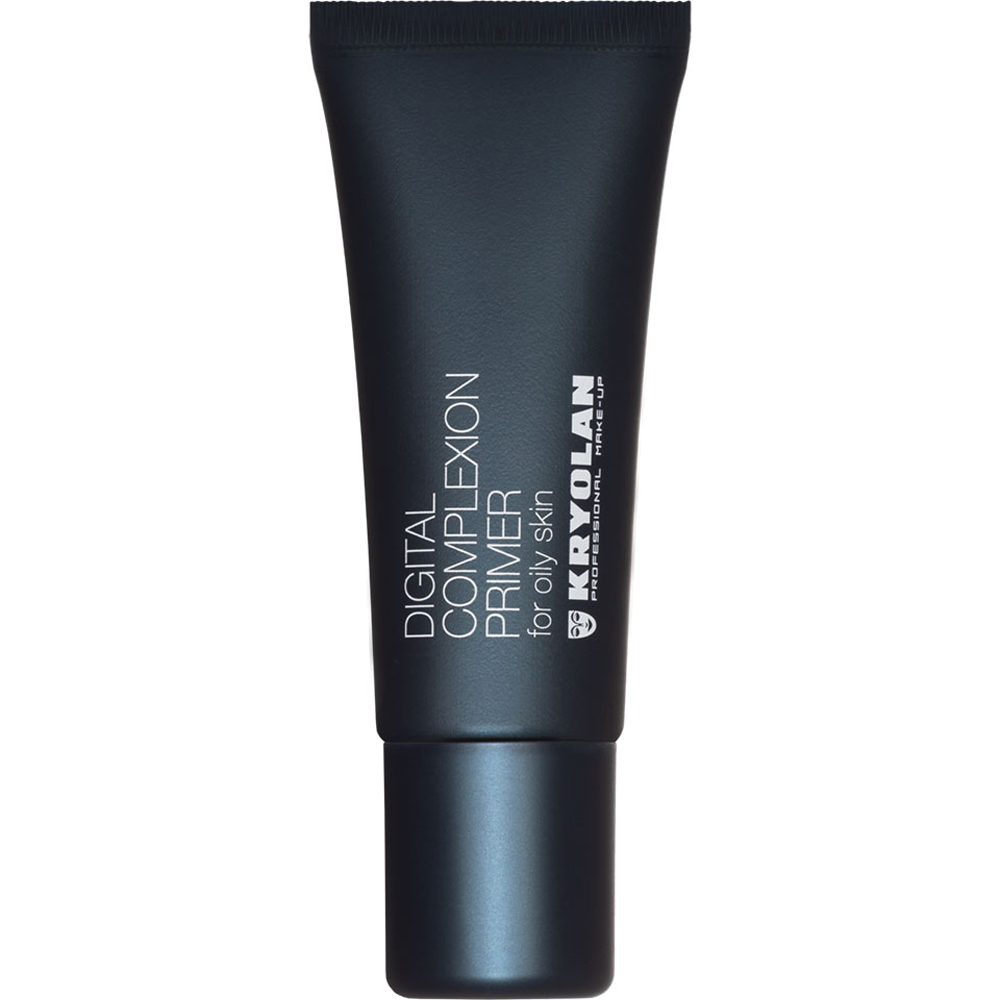
Kryolan Digital Complexion Primer for Oily Skin
This one feels more deliberately mattifying than the average smoothing primer. eCosmetics says it uses elastomer powder particles to reduce shine by absorbing excess sebum and oils, while the velvet gel fills pores and fine lines. It also includes caprylyl methicone, PEG-12 dimethicone/PPG-20 crosspolymer, dimethicone/vinyl dimethicone crosspolymer, and silica.
- Best for: stronger oil control
- Texture: velvet gel
- Why I like it: more purpose-built for oily skin than many generic primers
Who should buy this: people with very oily skin who need their base to stay more matte through the day, or anyone building a performance-style base for long events in heat and humidity.
Who should skip this: people who want a softer or more natural finish. The velvet gel texture and elastomer powders make this lean more matte than most, so it is not ideal for a light, everyday look.
Why it made the list: because it is one of the few silicone primers that is actually formulated with oily skin specifically in mind, with absorbing elastomer powders on top of the silicone structure rather than just defaulting to basic dimethicone.
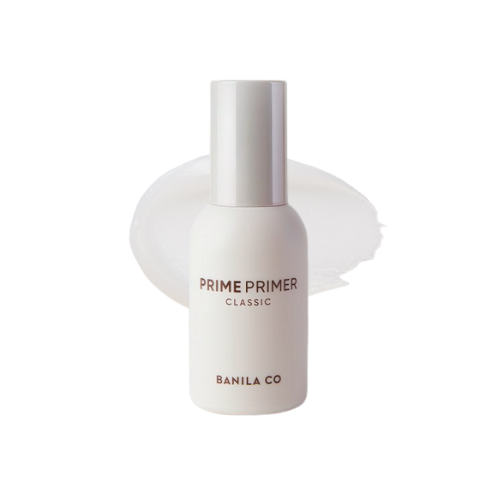
Banila Co Prime Primer Classic
StyleKorean describes this one as a pore-smoothing primer that preps skin for seamless makeup application, covers up and reduces the appearance of pores, and gives skin a silky-smooth texture. That is exactly the kind of K-beauty blur-primer profile I like for a more polished everyday base.
- Best for: pore smoothing and soft-focus makeup days
- Texture: smoothing cream
- Why I like it: a nice middle ground between blur and comfort
Who should buy this: people who want a smoother, more polished everyday base without going full matte or silicone-heavy, especially if K-beauty style softness is appealing to you.
Who should skip this: people with very oily skin who need serious shine control. This is more of a texture and pore-smoothing primer than an oil-fighting one.
Why it made the list: because it brings that classic K-beauty soft-focus finish with a comfortable feel that works well under cushion foundations and lighter everyday bases, and it does not feel like too much on the skin.
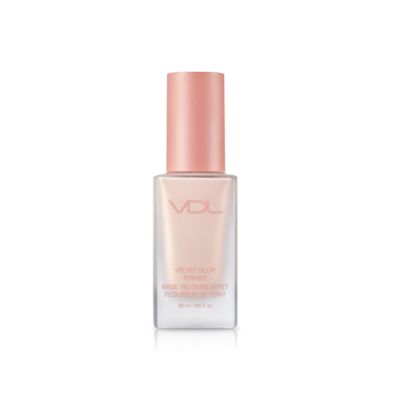
VDL Velvet Blur Primer
Stylevana describes this as a tone-up primer that creates smooth and fluffy skin without makeup fading. I would not call it my strongest oil-control pick, but I do think it makes sense if you want a lighter-feeling blur effect and a softer everyday finish.
- Best for: lighter blur and daily makeup
- Texture: light blur cream
- Why I like it: less heavy than some traditional silicone primers
Who should buy this: people who want a soft-focus blur effect for everyday wear without the classic silicone weight, or anyone who finds traditional primers too heavy or too slick on their skin.
Who should skip this: people dealing with serious shine or long days in humid weather. This is not a heavy-duty oil-control primer and it is not trying to be.
Why it made the list: because not every oily-skin day needs maximum shine-fighting power, and this one gives you a smoother, more even base with a lighter feel that still helps makeup sit more cleanly.
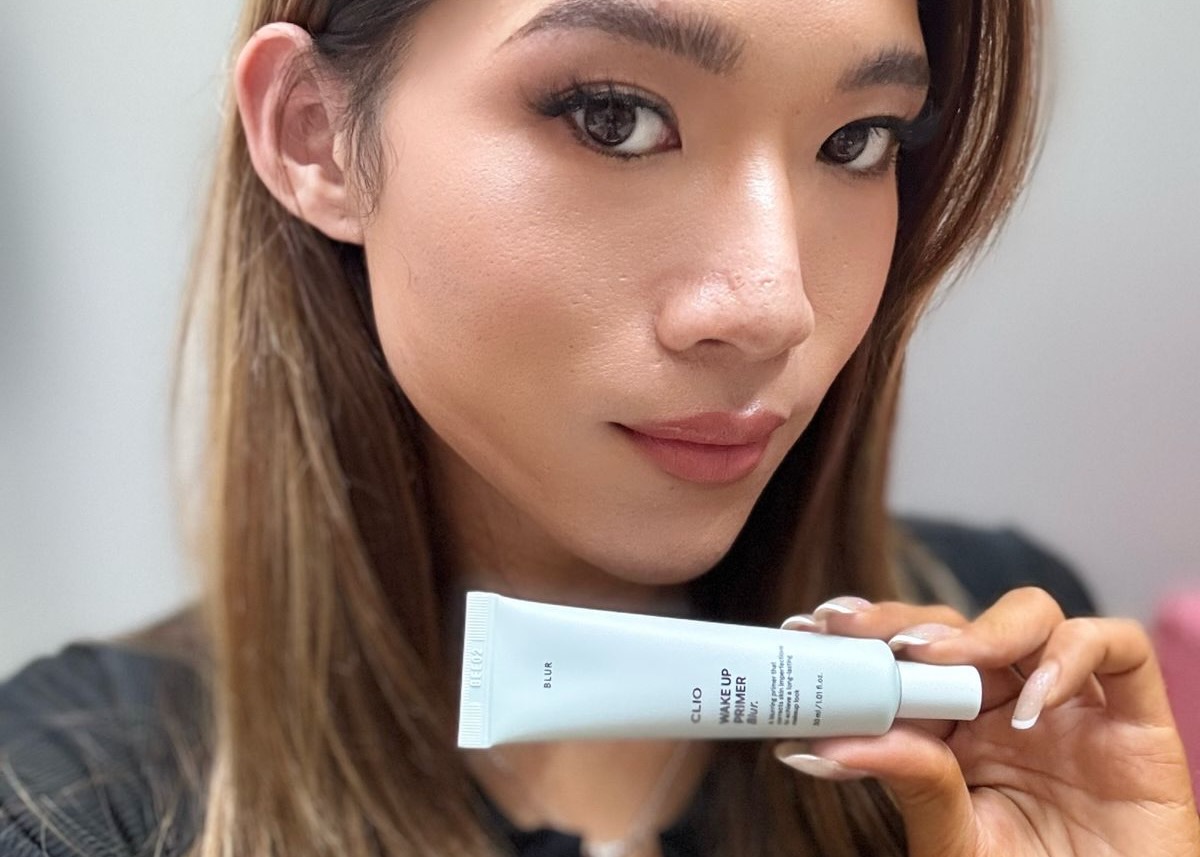
CLIO Wake Up Primer Blur — Alternative: lightweight blur primer (not fully silicone-based)
This is not a classic silicone-heavy primer, but a lighter hybrid option for people who want smoothing without the heavy feel. It blurs pores and smooths texture using a lightweight cream-gel formula, giving a soft matte, natural finish rather than that classic slippery silicone surface. A good contrast pick if every traditional silicone primer you've tried feels too much on your skin. For a full breakdown of texture, ingredients, and real-world performance, see my CLIO Wake Up Primer Blur review.
- Best for: texture smoothing and pore blur without classic silicone heaviness
- Texture: lightweight hybrid cream-gel
- Why it is different: softer and lighter than traditional dimethicone primers — not a replacement, but a contrast option
Who should buy this: people who want a blur primer but dislike that classic silicone-heavy feel, or anyone looking for a K-beauty pore-blurring option with a more modern, lighter texture.
Who should skip this: people who want the maximum pore-filling, slip-heavy silicone effect. This primer is lighter and more natural-feeling by design.
Why it made the list: because not every oily-skin routine needs to be built around full silicone saturation, and this provides real pore-blurring and texture-smoothing in a lighter format.
How I chose these 6 primers
Oily skin exposes weak primers quickly, especially in heat and humidity. These picks were chosen based on how they perform once shine starts coming through, not just how silky they feel at first.
- Pore-blurring ability: how well the primer smooths visible texture and enlarged pores.
- Oil control: whether it helps keep shine more controlled through the day.
- Foundation compatibility: how well makeup sits on top without pilling or separating.
- Wear after 6+ hours: whether the base still looks smooth once real oil breakthrough starts.
- Texture balance: whether the formula feels refined rather than greasy, heavy, or overly slippery.
A lot of primers feel nice for the first ten minutes. These made the list because they still make sense later in the day.
Do you always need primer?
No. If your foundation already wears beautifully and your skin is balanced that day, you may not need it. But if you are oily, humid-weather makeup is part of your life, and your base falls apart around the center of the face, primer is usually worth it.
I break that down more in is makeup primer necessary. The short version is that primer is not mandatory, but it can be the difference between a base that survives the day and one that gives up early.
Final thoughts
If your priority is long wear, a good silicone primer for oily skin is still one of the smartest places to start. I would choose Smashbox for the best overall foundation-supporting performance, Benefit for pores, and Kryolan if you want a more deliberately mattifying effect. Banila and VDL are softer alternatives if you want blur without quite as much old-school silicone heaviness.
For me, the best primer is not the one that feels the smoothest for thirty seconds. It is the one that still makes sense at 2 p.m., when your skin has done what oily skin always does. That is the real test.
Frequently Asked Questions
What is the best silicone based primer for oily skin?
My top overall pick is Smashbox The Original Photo Finish Smooth & Blur Primer if your main goal is making foundation last longer. Benefit The POREfessional is better if visible pores are your biggest concern.
What is the best primer for oily skin in humidity?
In humid weather, I would look at Smashbox or Kryolan first because they make the most sense when you want a smoother, more controlled base that can handle oil breakthrough better.
Is dimethicone good for oily skin?
Usually yes. Dimethicone is one of the main ingredients that helps primers glide, blur texture, and create a smoother surface for foundation. It is most useful when paired with oil-controlling ingredients rather than used alone.
Should I use silicone or gripping primer?
If you want pore blur and a smoother-looking surface, silicone usually wins. If you dislike that silky feel or prefer a more flexible, tacky hold, a gripping primer can sometimes be the better match.
Can I use silicone primer only on my T-zone?
Yes, and for oily skin that is often the best way to use it. Targeted application usually looks better than covering the whole face in primer.
Maddie is here to share beauty knowledge and help you elevate your skincare and makeup routine. Love ya. 💕