
Quick Answer
The best cleanser for oily acne-prone skin is not the one that makes your face feel the cleanest. It is the one that removes oil, sunscreen, makeup, and daily buildup without leaving your skin tight, stinging, flaky, or angry.
For most people, that means a gentle low-pH cleanser as the base routine, then a salicylic acid or benzoyl peroxide cleanser only when your breakouts actually call for it.
A lot of people with oily acne-prone skin make the same mistake: they chase that super fresh, squeaky-clean feeling and assume that means the cleanser is working. In real life, that can backfire fast.
Oily skin still has a barrier. Acne-prone skin can still be dehydrated, irritated, or over-treated. So when I say "best," I do not mean strongest. I mean the cleanser that helps your skin stay clean, calm, and balanced enough that the rest of your routine can actually do its job.
If you are not fully sure whether you are truly oily or just dehydrated and shiny, read how to identify your skin type first. That one step saves a lot of people from using the wrong cleanser category.
Maddie's baseline
A good cleanser should leave your skin feeling clean, comfortable, and normal. Not tight. Not coated. Not squeaky. Just reset.
What makes a cleanser "best"?
The best cleanser for oily acne-prone skin does four things well. It removes excess oil, clears away makeup or sunscreen, helps reduce pore-clogging buildup, and does all of that without pushing your skin into irritation mode.
That last part matters more than people think. When a cleanser is too harsh, your skin can start feeling tight, rough, or stingy. Then every active after that feels stronger, your barrier gets touchy, and suddenly your routine becomes harder to tolerate.
In practical terms, the best cleanser is usually:
- gentle enough for twice-daily use
- low-foam or balanced-foam rather than harsh soap
- free from rough scrub particles
- matched to your acne pattern, not just your oil level
Popular cleansers for oily acne-prone skin
If you prefer specific product recommendations, these are some of the most well-known options when people search for the best cleanser for oily acne prone skin. Each one fits a slightly different skin situation, so the best choice depends on whether your breakouts are mostly clogged pores, inflamed acne, or skin that is easily irritated by stronger cleansers.
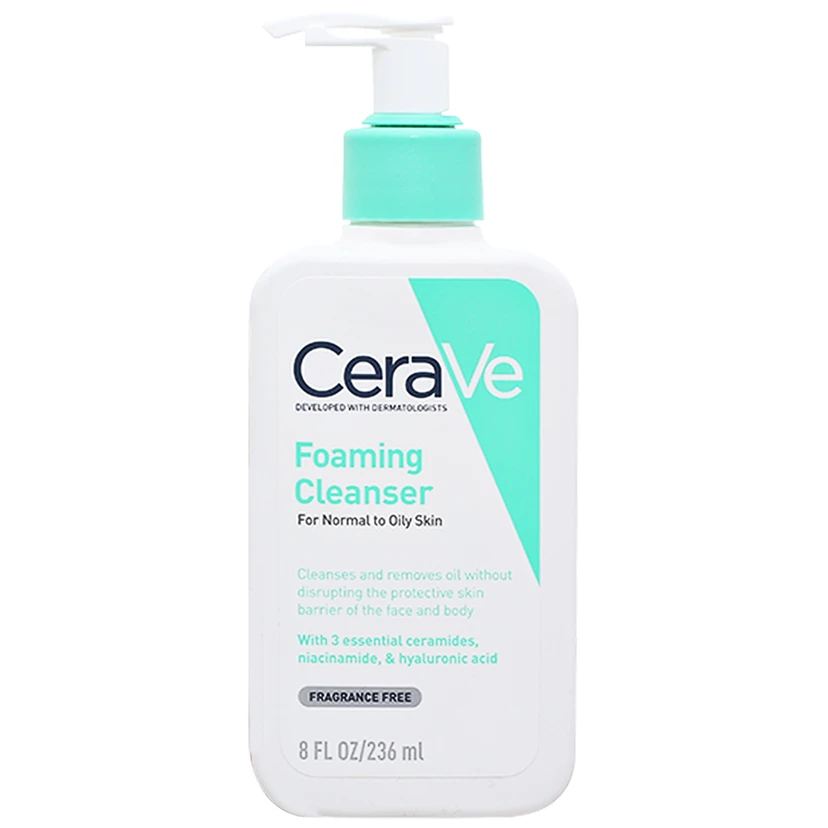
CeraVe Foaming Facial Cleanser
This is one of the most widely recommended everyday cleansers for oily skin. It removes oil, sunscreen, and makeup well without feeling overly harsh thanks to barrier-support ingredients like ceramides and niacinamide. For a closer look at how it performs for oily skin, acne-prone skin, and daily use, read my full CeraVe Foaming Cleanser review.
- Best for: everyday cleansing
- Texture: light foaming gel
- Key ingredients: ceramides, niacinamide
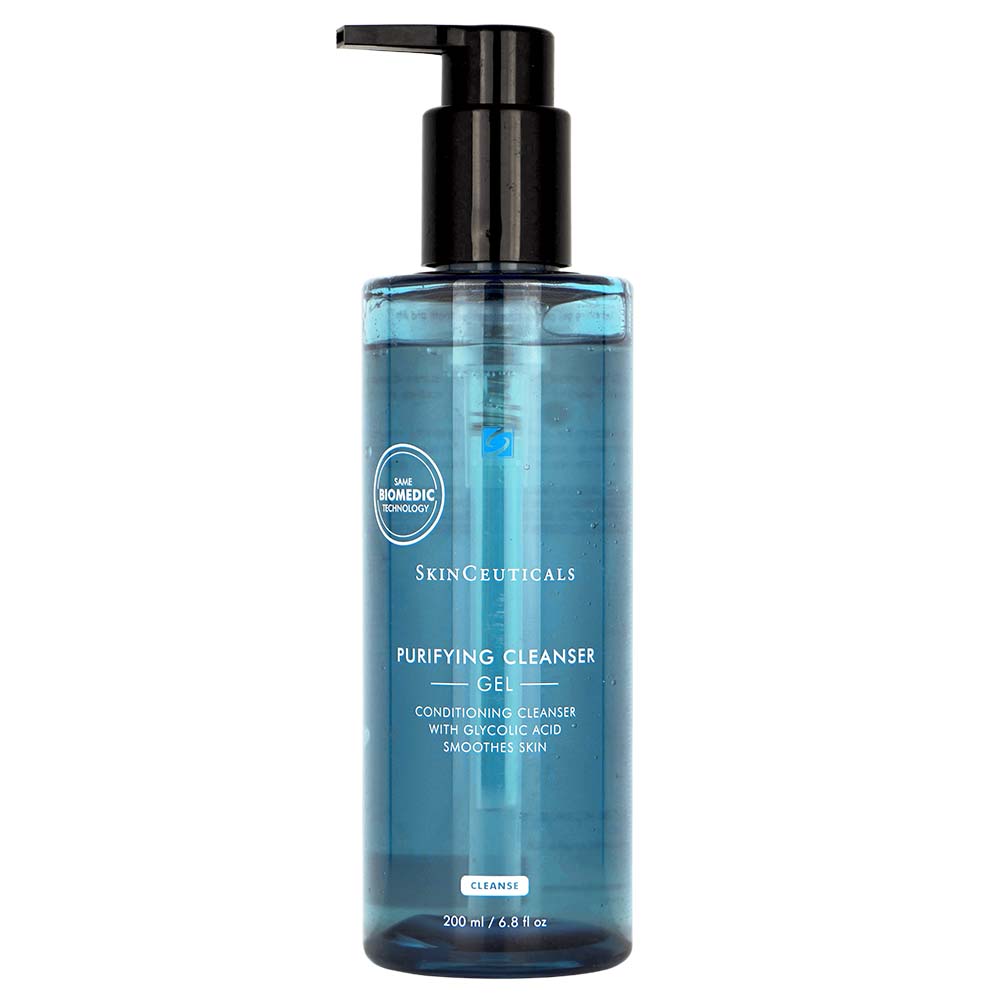
SkinCeuticals Purifying Cleanser Gel
A gel cleanser designed for oily and combination skin. It removes excess oil, gently exfoliates the skin, and helps keep pores clear without leaving the tight or stripped feeling that harsher acne cleansers can cause.
- Best for: oily skin with clogged pores
- Texture: lightweight gel cleanser
- Key ingredients: glycolic acid, glycerin
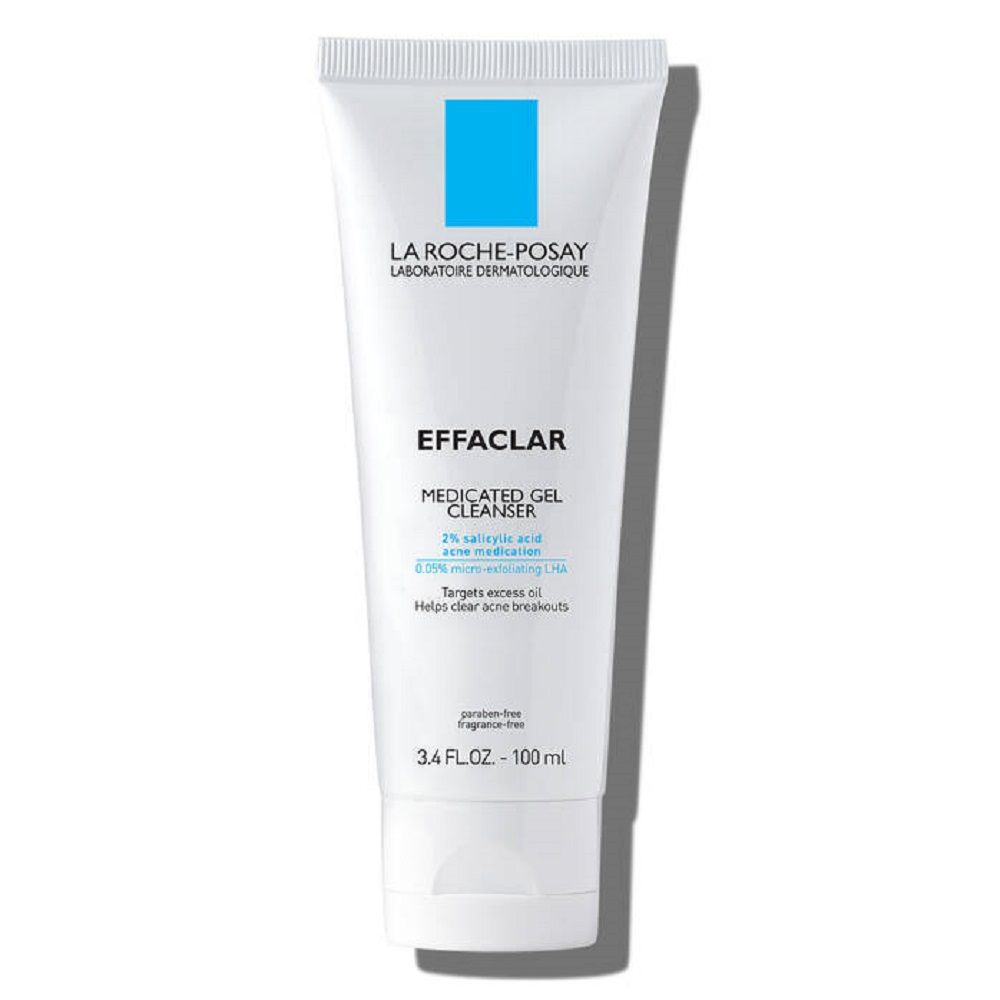
La Roche-Posay Effaclar Medicated Gel Cleanser
A stronger salicylic acid cleanser designed specifically for acne-prone skin. It helps unclog pores, reduce excess oil, and clear surface buildup while still being easier to tolerate than many benzoyl peroxide cleansers.
- Best for: active acne and clogged pores
- Texture: medicated gel cleanser
- Key ingredients: 2% salicylic acid
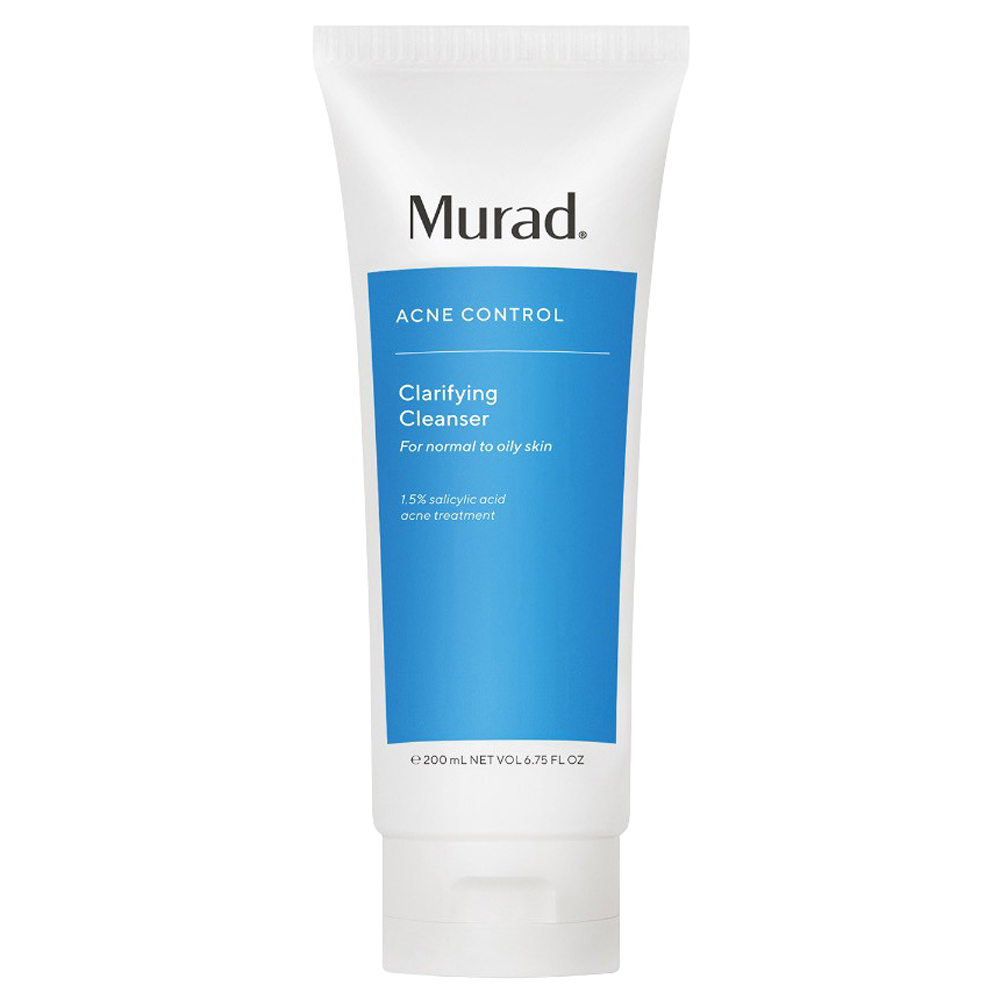
Murad Clarifying Cleanser
A well-known acne cleanser that uses salicylic acid to help clear clogged pores and reduce breakouts. It foams well and removes excess oil without leaving a heavy residue, which makes it popular for oily and acne-prone skin.
- Best for: oily skin with recurring breakouts
- Texture: foaming gel cleanser
- Key ingredients: salicylic acid, green tea extract
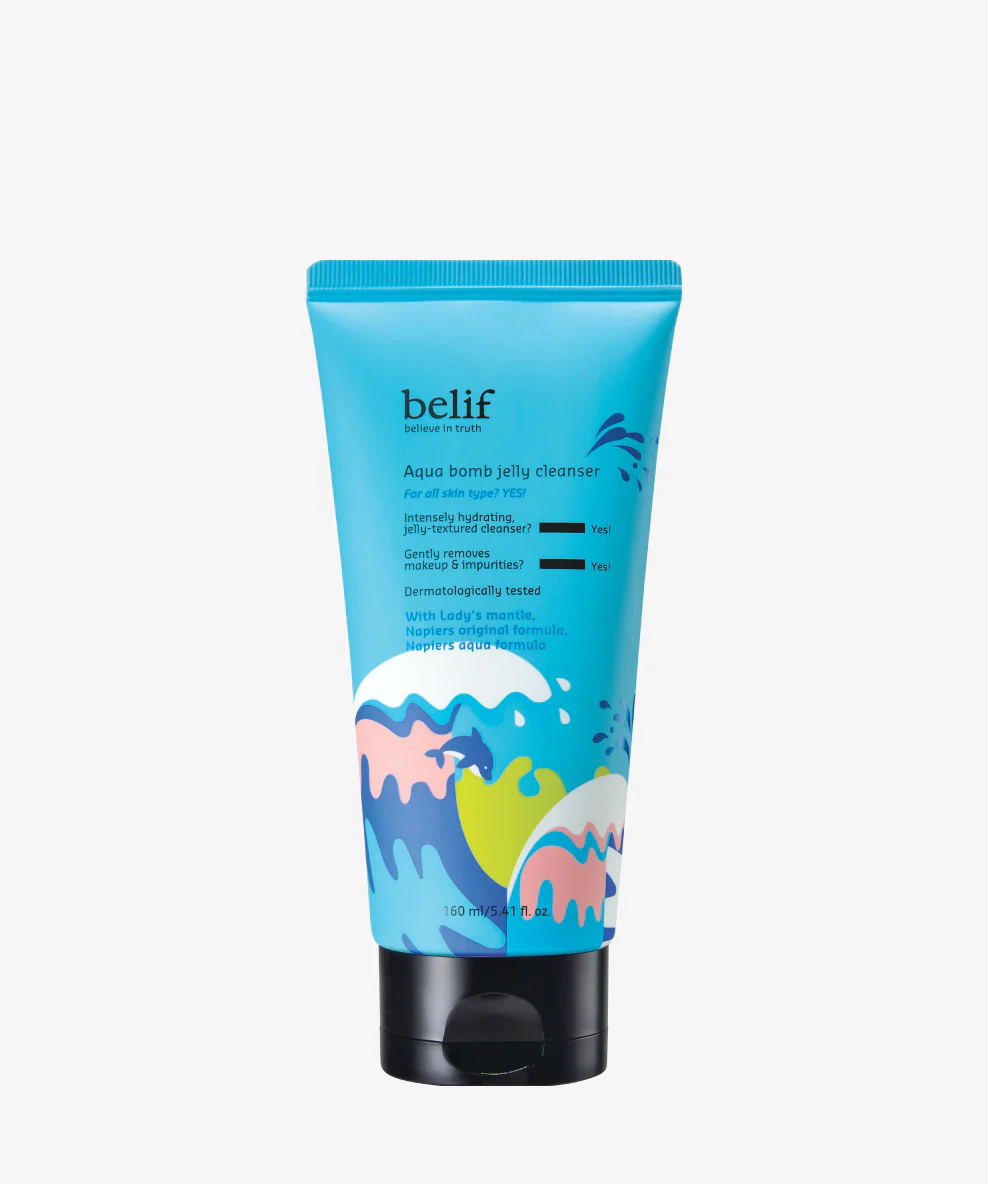
Belif Aqua Bomb Jelly Cleanser
A gentle jelly cleanser that removes oil and daily buildup without leaving skin tight. It is a great option for oily skin that is also dehydrated or irritated by stronger acne cleansers.
Read the full Belif Aqua Bomb Jelly Cleanser review.
- Best for: gentle daily cleansing
- Texture: jelly gel cleanser
- Key ingredients: amino acid surfactants, glycerin
Salicylic acid or benzoyl peroxide?
This is one of the most useful cleanser questions, because these two ingredients do different jobs. They are not interchangeable just because both show up in acne products.
Which is better for clogged pores?
Salicylic acid is usually the better pick when your skin is more about clogged pores, blackheads, whiteheads, and that rough bumpy texture that never quite looks clear. It is oil-soluble, so it works well around oily congestion.
If your skin feels greasy by midday and your main issue is "my pores keep filling up," this is usually the cleanser type I would look at first.
Which is better for inflamed acne?
Benzoyl peroxide usually makes more sense when your acne is redder, angrier, and more inflamed. It is the more aggressive option, so it can be really useful, but it is also more likely to dry you out or irritate your skin if your barrier is already struggling.
So which one is actually better?
For oily acne-prone skin overall, I would say this:
- salicylic acid cleanser: better for blackheads, whiteheads, congestion, and oily pore buildup
- benzoyl peroxide cleanser: better for inflamed breakouts and more active acne flares
- gentle non-medicated cleanser: better when your skin is irritated, flaky, reactive, or already on strong acne treatments
Easy way to choose
- Mostly clogged? Start with salicylic acid.
- Mostly inflamed? Think benzoyl peroxide.
- Already irritated? Go gentler first.
Can a cleanser treat acne?
Usually not by itself. A cleanser can absolutely support acne care, and sometimes it helps more than people expect, especially when the current cleanser is too harsh or too weak. But for persistent acne, a cleanser is usually support care, not the whole treatment plan.
Think of it like this: cleanser sets the stage. It can reduce oil, remove buildup, and make the skin more manageable. But if you are dealing with repeated inflamed breakouts, deep clogged pores, hormonal acne, or marks that keep returning in the same areas, you often need a leave-on treatment too. For gentle ongoing texture maintenance, an exfoliating toner like the COSRX AHA/BHA Clarifying Treatment Toner can help keep skin smoother between cleansing steps without overwhelming your routine.
How often should you cleanse?
For most oily acne-prone skin, twice a day is enough. Morning and night is the standard rhythm that works for most people.
Washing more often usually does not make acne clear faster. It just increases the chance that your skin gets stripped and cranky. The only time I would add another cleanse is after heavy sweating, sports, or a day where your face is genuinely coated in sunscreen, makeup, or city grime.
If you are wearing a full base, the makeup side of your routine matters too. I talk more about that in my guide to makeup for oily skin.
Foaming, gel, cream, or non-foaming?
Texture does matter, but not in the dramatic way marketing sometimes makes it sound. It is mostly about how your skin tolerates the cleanse.
Are foaming cleansers good?
Foaming and gel cleansers can work really well for oily skin because they often feel lighter and rinse clean. The problem is that some foaming formulas go too far and leave skin tight afterward. So "foaming" is not the issue by itself. Harsh foaming is the issue.
What about cream cleansers?
People hear "cream cleanser" and assume it is only for dry skin. Not always. If your oily acne-prone skin is also dehydrated, sensitive, or over-treated, a creamier low-foam cleanser can actually be the better choice because it keeps the barrier calmer.
And non-foaming?
Non-foaming or very low-foam cleansers are often underrated. They can be excellent if your skin is reactive, on retinoids, or just tired of being pushed around by harsh actives.
Texture guide
- Very oily and resilient: gel or balanced foaming
- Oily but dehydrated: low-foam or cream-gel
- On acne treatments already: gentler, lower-foam is usually smarter
Why does squeaky clean backfire?
Because that feeling usually means you removed more than dirt and oil. You also took a bigger bite out of your barrier than your skin wanted.
When skin gets over-cleansed, it often becomes shinier and more reactive at the same time. That is the annoying part. You feel clean for maybe thirty minutes, then your face starts looking stressed, oily, or inflamed again.
A lot of oily skin people misread that cycle and assume they need an even stronger cleanser. Usually they need the opposite.
If your skin feels clean right after washing but turns shiny again within the hour, the cleanser may be too strong or your follow-up products may be too heavy. I explain the difference between actual oil, product residue, and dehydrated-oily skin in my guide to why your face gets oily after skincare.
Does pH-balanced or syndet matter?
Yes, more than it sounds like it should. A pH-balanced cleanser is designed to be closer to skin's natural slightly acidic range. A syndet cleanser means a synthetic detergent cleanser rather than old-school traditional soap.
In normal person language, this usually means the cleanser is less likely to leave your skin stripped, rough, or weirdly tight after rinsing. That is why so many acne-safe cleansers feel more "boring" than classic soap cleansers. Boring is good here.
If your skin hates most acne washes, look for phrases like:
- pH-balanced
- soap-free
- non-stripping
- syndet cleanser
- for sensitive acne-prone skin
Should you double cleanse at night?
Sometimes, yes. Not always, and definitely not because TikTok said it is mandatory.
Double cleansing makes the most sense at night if you wear:
- long-wear makeup
- heavier sunscreen
- water-resistant base products
- a lot of powder and setting layers
The point is not to scrub more. The point is to dissolve the film on top first, then actually cleanse the skin. If your one cleanser already removes everything well and your skin feels fine, you do not need to force a two-step cleanse. If you want something lighter for removing sunscreen, surface oil, or light makeup before your main cleanse, my Bioderma Sébium H2O review covers one of the better micellar water options I have found for oily skin.
Which ingredients should you avoid?
I do not love fear-mongering ingredient lists, because the real problem is usually not one "bad" ingredient. It is the total irritation load of the formula.
That said, oily acne-prone skin usually does better when you are careful with:
- rough scrub particles that physically irritate active acne
- very harsh sulfates if your skin always feels stripped after washing
- heavy fragrance if you are reactive or barrier-impaired
- alcohol-heavy cleansing formulas that leave skin tight immediately
- too many exfoliating acids at once if the rest of your routine already contains actives
The big thing to avoid is stacking irritation. A medicated cleanser plus strong toner plus retinoid plus scrub is how people end up thinking their skin is "purging" when really it is just overwhelmed.
How long does a cleanser take to work?
It depends what you want it to do.
- For oil control: you may notice a difference within days to two weeks
- For congestion: think more like a few weeks of consistent use
- For inflamed acne: give it several weeks before judging fairly
A cleanser is rinse-off contact, so expectations should stay realistic. If you want dramatic acne improvement, cleanser usually needs support from the rest of the routine. This cleanser guide works best alongside my AM and PM skincare routine for oily skin.
I would normally give a cleanser around 4 to 8 weeks before deciding whether it is actually helping, unless it is clearly irritating your skin earlier than that.
When should you switch to gentle?
This is one of the most important questions and not enough people ask it. You should switch from a medicated cleanser to a gentler one when your skin is giving you clear "too much" signals.
Watch for:
- stinging after cleansing
- tightness that lasts instead of fading quickly
- flaking around the mouth or nose
- skin suddenly looking both oily and dehydrated
- every product after cleansing starting to burn
Also, if you already use a leave-on retinoid, benzoyl peroxide gel, or acne serum, you may not need a medicated cleanser every single wash. Sometimes the best move is using the treatment where it matters and keeping the cleanser boring and gentle.
If your skin feels tight after cleansing but gets oily again quickly, your oily skin may actually be dehydrated. In that case, switching to a gentler cleanser is more effective than trying to strip oil completely.
Good switch timing
If your cleanser is doing "acne work" but your skin barrier is losing the fight, switch. Calm skin usually responds better than stressed skin.
When is cleanser not enough?
If you keep getting painful breakouts, deep bumps, recurring acne in the same spots, or acne that leaves marks easily, cleanser is probably not enough.
That is usually when the next step is a proper leave-on treatment, not a more aggressive face wash. Depending on the situation, that could mean adapalene, benzoyl peroxide treatment, azelaic acid, prescription treatment, or a dermatologist visit.
Cleanser is the support system. It matters, but it is not supposed to do every job by itself.
How would I actually choose?
If I were helping someone shop for the best cleanser for oily acne-prone skin in real life, this is how I would narrow it down:
- Figure out the breakout type. Congested or inflamed?
- Check barrier tolerance. Comfortable or already irritated?
- Choose texture by skin state. Not by trend.
- Use it consistently. Not aggressively.
- Upgrade treatment before upgrading harshness.
Related reading
FAQ
What is the best cleanser for oily acne-prone skin?
Usually, it is a cleanser that removes oil and buildup well without leaving your skin tight or irritated. For many people, that means a gentle low-pH daily cleanser, with salicylic acid or benzoyl peroxide used more strategically.
Is salicylic acid or benzoyl peroxide cleanser better?
Salicylic acid is usually better for clogged pores and oily congestion. Benzoyl peroxide is usually better for inflamed acne. Your acne pattern matters more than hype.
Can cleanser alone clear acne?
Sometimes very mild acne improves with the right cleanser, but for persistent breakouts, cleanser usually works best as support care rather than the entire routine.
Should oily acne-prone skin use foaming cleanser?
It can, as long as the formula is not overly harsh. A gentle gel or balanced-foam cleanser often works well, but overly stripping foam can backfire.
Should I double cleanse every night?
No. Double cleansing is most useful when you wear makeup, sunscreen, or long-wear base. If your single cleanser removes everything comfortably, you do not need to force it.
When should I stop using a medicated cleanser?
If your skin starts stinging, flaking, feeling tight, or reacting badly to the rest of your routine, it is usually time to switch to something gentler or use the medicated cleanser less often.
Cleanser sounds simple, but for oily acne-prone skin it can either steady your routine or quietly wreck it. Choose the one that keeps your skin balanced, not bullied. That is usually where the real progress starts.