Quick Answer
The most accurate way to identify your face skin type at home is the wash-and-wait test. Cleanse gently, pat dry, then apply no products for 30–60 minutes. After that, check shine (oil), tightness (dryness), and whether oil is only in the T-zone (combination). Optional: confirm with a blotting paper test.
- Wash with a gentle cleanser
- Wait 30–60 minutes with no products
- Observe shine + feel (tight, comfy, flaky)
- Use blotting paper to map oil zones
Knowing your face skin type is essential for choosing the right makeup. If your foundation separates, oxidizes, or turns patchy, it's often not "a bad foundation." It's usually a skin-type mismatch.
I'm Maddie, and I have oily skin in a hot, humid climate. So I'm extra sensitive to anything that breaks down fast, looks heavy, or makes my base slide off my face by lunchtime. The moment you identify your skin type correctly, everything becomes easier: foundation, primer, powders, even your shade match.
Maddie's makeup truth
A "perfect" foundation can still look messy if your skin prep and formula don't match your skin type. That's why this step comes first.
You're still confused about what your skin type is?
I hope you find my sharing helpful.
Why is it important to identify your skin type correctly?
Identifying your skin type correctly is the most important step in skincare and makeup. Many people experience skin issues not because the products are bad, but because they're using products that don't suit their skin. If you've ever felt confused about what skin type you have, this article is for you.
- Choose the right skincare products and avoid clogged pores or breakouts
- Makeup lasts longer, looks smoother, and oxidizes less
- Save money by avoiding the wrong products
- Understand your skin better so it can improve faster
This also makes shade matching easier, because the right shade can still look "off" if your base breaks down. If you're working on shade first, use my guide here: how to choose foundation shade. And if you want to understand which foundation formulas look most skin-like for your type, read: what is the most natural looking foundation.
How to Identify Your Skin Type Accurately at Home
Cleanse Gently
Wash your face with a gentle cleanser and pat dry with a clean towel. Don't apply any skincare or makeup products afterward.
Wait 30–60 Minutes
Let your skin sit product-free for 30–60 minutes so you can observe your baseline oil production and comfort level. Set a timer if needed.
Observe Shine and Feel
Check for shine, tightness, flaking, and whether oil is concentrated in the T-zone or all over. Use the results below to identify your type.
What Your Results Mean
Oily Skin
- Noticeable shine, especially in the T-zone (forehead, nose, chin)
- Large-looking pores
- Prone to acne
If this is you, start here for formulas that hold up: best foundation for oily skin. Once you've got your base sorted, the INNISFREE No-Sebum Mineral Powder is a budget-friendly cult favorite for setting and controlling shine. For more setting powder options, see my best setting powder for oily skin guide. If you're dealing with acne, proper cleansing is crucial—my best cleanser for oily acne-prone skin guide covers salicylic acid vs benzoyl peroxide and how to choose the right formula. If your pores look clogged or congested, consider adding a weekly clay mask like the INNISFREE Super Volcanic Pore Clay Mask to help keep them looking cleaner.
Dry Skin
- Tight, dry feeling, sometimes with flaking
- Mild tingling or discomfort
- Small pores, smooth texture but lacking moisture
Combination Skin
- Oily T-zone
- Dry or normal cheeks
- This is the most common skin type
Normal Skin
- Soft and smooth, not too oily or too dry
- Few breakouts, small pores
- Easy to work with for both makeup and skincare
Little detail that helps
Try to notice where you get shiny first. Forehead/nose only usually means combination. Shiny cheeks generally leans oily.
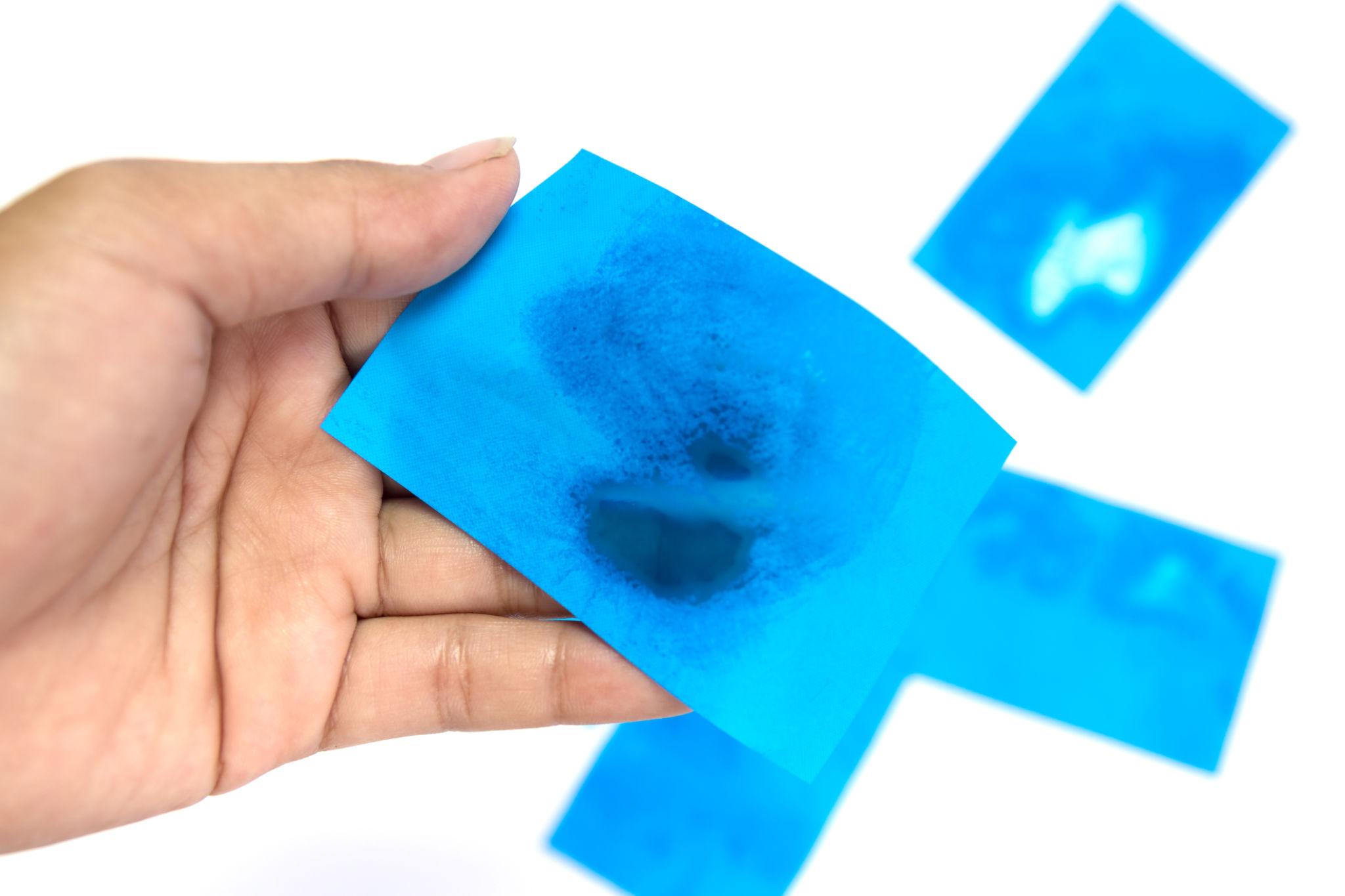
Quick test using blotting paper
Gently press blotting paper onto different areas of your face:
- A lot of oil → Oily skin
- Oil in the T-zone, dry cheeks → Combination skin
- No oil → Dry or normal skin
Don't sabotage the test
- Don't test right after a hot shower
- Don't test during a bad irritation flare
- Don't test after using strong exfoliants or retinoids the night before
Skin type vs. skin condition (a common confusion!)
This is the part that saves people from accidentally making their skin worse:
- Skin type: oily, dry, combination, normal (hard to change)
- Skin condition: acne, sensitivity, dehydration, aging (can be improved)
For example: oily but dehydrated skin, or dry skin with acne — both are completely possible. Oily-but-dehydrated skin can feel tight and look dull, but still gets shiny and breaks down makeup fast. For example, if you identify your skin as oily or combination, a targeted micellar product like the one in my Bioderma Sébium H2O review may suit you better than a richer cleansing format.
This is one of the most common misreads in skincare. Oily skin can still be dehydrated — and treating it like it only needs oil control often makes things worse.
Tips for identifying your skin type more accurately
- Test your skin in the morning, when it's most stable
- Avoid testing when your skin is irritated or undergoing strong treatments
- Observe your skin over several days, not just once
If your makeup is melting, separating, or just not sitting right, primer might help. But you don't automatically "need" it. Here's my honest breakdown: is makeup primer necessary.
Makeup tie-in: why your skin type changes your foundation results
Your skin type affects how foundation grips, how fast it gets shiny, and whether it oxidizes. Oily skin tends to break down some formulas faster (especially in humidity), while dry skin can look patchy if the base clings. If you need maximum coverage that lasts through long days, check out my full coverage foundation guide for formulas that actually stay put.
If you already know you're oily (or combo leaning oily), these are the foundations I've actually seen hold up: best foundation for oily skin.
And once your formula matches your skin type, shade matching gets way easier. If you're still stuck between shades or undertones, use my step-by-step: how to choose foundation shade.
Conclusion
Knowing your skin type is the first step toward long-term healthy skin and makeup that behaves. Don't blindly follow trends or reviews. Understand your skin, and it will treat you well. Once you know your skin is oily, the next step is building a full AM and PM skincare routine for oily skin. If your skin seems to fall into the normal-to-oily range, my CeraVe Foaming Cleanser review shows the kind of cleanser format that often works well there.
Maddie is here to share beauty knowledge and help you elevate your skincare and makeup routine. Love ya 💕
Frequently Asked Questions
What if my skin changes with the weather?
That's normal. Your skin condition can change with humidity, stress, hormones, or new products, but your baseline type usually follows the same pattern. If you're unsure, repeat the test on 2–3 different days.
Can I be oily and still feel tight after cleansing?
Yes. That can be a sign of oily but dehydrated or an irritated barrier. If you feel tight but you still get shiny fast, focus on gentle cleansing and light hydration.
Do I need primer if I have oily skin?
Sometimes it helps, especially for oil control and smoothing texture, but it depends on your routine and foundation. I break it down honestly here: is makeup primer necessary.
What should I do after I identify my skin type?
Pick your base products based on your type (finish + wear time), then make sure your shade matches in daylight. For oily skin foundations, start here: best foundation for oily skin. If you're oily and wondering about silicone-based formulas, check out my guide on silicone-based makeup for oily skin. For shade matching, use: how to choose foundation shade.