Quick Answer
The best sunscreen for oily skin is not just the one with high SPF. It is the one you will actually wear in the heat, under makeup, and through a normal day without feeling like your face is sliding off. For me, that usually means light texture, strong hold, low shine, and clean wear under makeup.
My top long-wear pick is Anessa Perfect UV Sunscreen Mild Milk because it feels stable, polished, and reliable in hot weather. If you need an easier midday reapplication option, Anessa Perfect UV Brush-on Powder is the most practical way to top up without turning greasy.
If your whole base tends to move in the heat, start with the bigger routine here: makeup for oily skin.
How I chose these sunscreens
I did not choose these just because they sound good on a product page. I picked them based on what usually matters most for oily skin in real life: how light they feel, how shiny they get after a few hours, how well they sit under makeup, and whether they still feel wearable in heat and humidity.
I also wanted this list to cover different sunscreen situations, not just one perfect formula on paper. Some people want the best long-wear option. Some want something lighter for daily use. Some mainly need a way to reapply without turning greasy. That is why this guide includes a mix of milk, fluid, gel, powder, and longer-wear textures.
My priority here was simple: UV protection that oily skin can actually live with consistently. If a sunscreen feels too heavy, too slippery, too shiny, or too annoying under makeup, most people will not use enough of it or reapply it properly. For this page, I favored formulas that make daily wear easier, not just formulas that look good for ten minutes.
Quick Picks
- Best Overall Long-Wear: Anessa Perfect UV Sunscreen Mild Milk — Check price
- Best for Reapplication: Anessa Perfect UV Brush-on Powder — Check price
- Best Invisible Fluid: La Roche-Posay Anthelios UVmune 400 Invisible Fluid SPF 50 — Check price
- Best Watery Gel: Isntree Hyaluronic Acid Watery Sun Gel — Check price
- Best for Outdoor Days: INNISFREE Intensive Long-Lasting Sunscreen EX — Check price
Oily skin is not hard to protect. It is hard to protect comfortably. That is the real issue.
A sunscreen can look beautiful for ten minutes and still be annoying by noon. It can feel fresh at first and then start separating around the nose, sitting weirdly under foundation, or making your T-zone look louder than it needs to. That is why I care less about marketing words and more about how a formula behaves after a few hours in real life.
In this guide, I am focusing on sunscreens that make sense for oily skin and especially on the ones that wear well for longer. If you are in heat, humidity, or just hate slippery SPF, these are the details that matter.
What makes a sunscreen good?
A good sunscreen for oily skin needs to do four things well: protect properly, sit lightly, control shine reasonably, and stay compatible with the rest of your routine. That last part matters more than people think.
If your SPF pills over skincare, feels greasy by lunch, or makes foundation slide, you are not going to want to use enough of it. For oily skin, the sweet spot is usually a formula that feels thin but still stable. I want something that dries down cleanly, does not stay tacky forever, and still looks decent when my skin starts acting like actual oily skin later in the day.
Top 5 sunscreens?
These are the five I would build this guide around if your priority is longer-lasting wear on oily skin, not just a nice first impression.
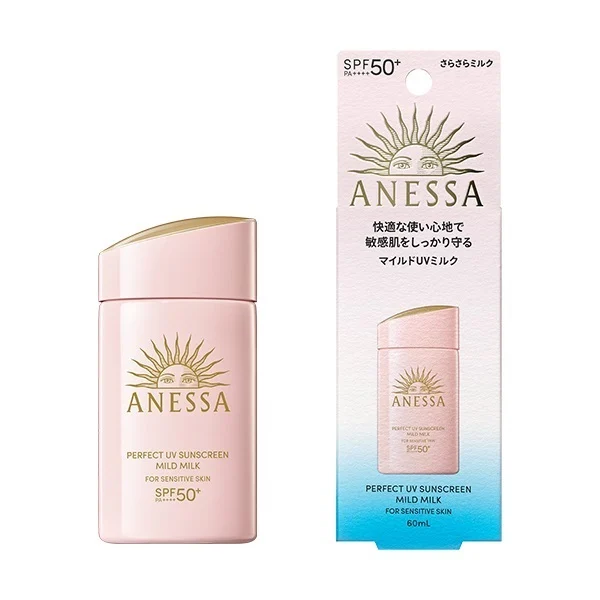
Anessa Perfect UV Sunscreen Mild Milk
This is the one I would point oily-skin readers to first when the goal is longer wear. Milk sunscreens often have that slightly more anchored feel, and this one makes sense when you want UV protection that behaves like it understands makeup, sweat, and real weather.
It is not the most dewy, not the most plush, and that is exactly why it works. It wears cleaner than a lot of richer formulas and is one of the better options when your face gets shiny fast but you still want your skin to look put together.
- Best for: Long wear, humidity, oily skin that hates slippery SPF
- Finish: Soft-matte
- Tip: Shake well and apply in thin, even layers
Strong everyday option for oily skin and longer-lasting wear. (Affiliate link)
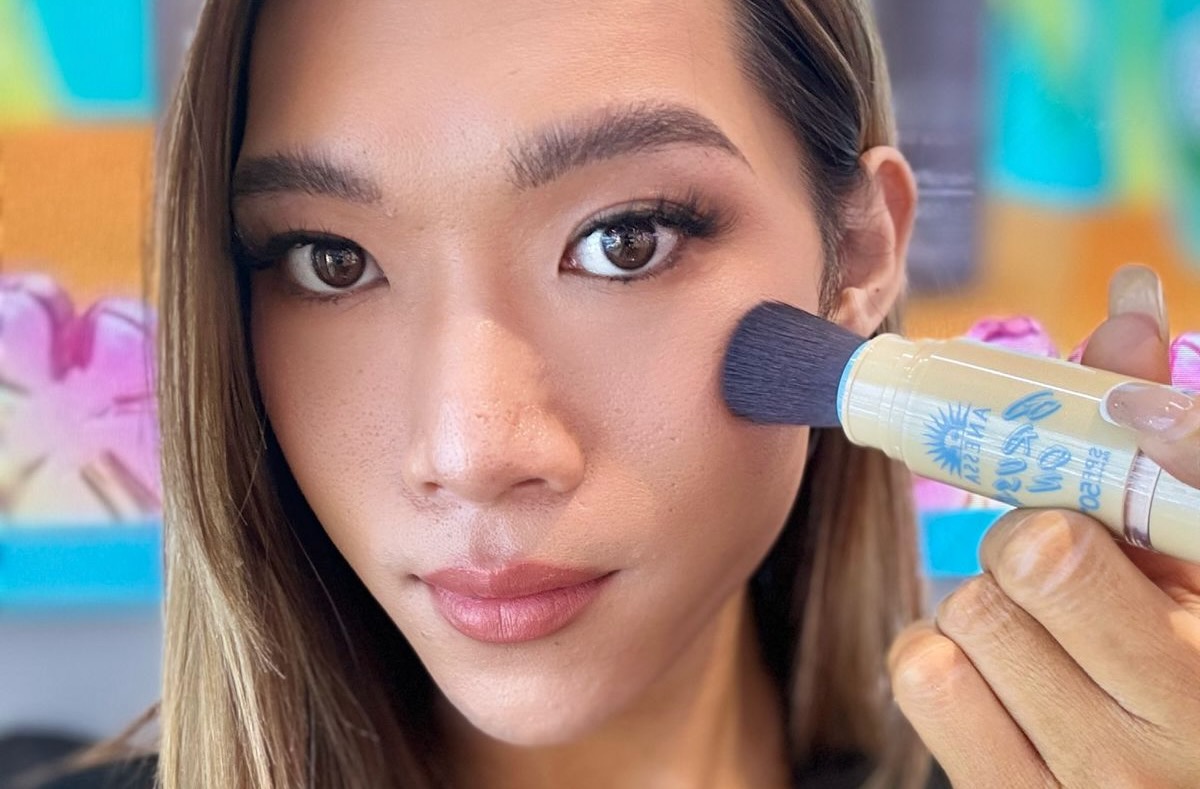
Anessa Perfect UV Brush-on Powder
This is not my pick for your main morning sunscreen layer, but it is one of the smartest oily-skin reapplication options. If your biggest problem is that every reapplication turns into extra grease, this format makes life easier.
It works best as a practical top-up product for midday shine, especially over makeup. That is where powder SPF can be genuinely useful instead of gimmicky.
- Best for: Reapplying SPF over makeup
- Finish: Matte
- Tip: Blot first, then brush on instead of dusting aimlessly
Best for oil control and easier SPF touch-ups. (Affiliate link)
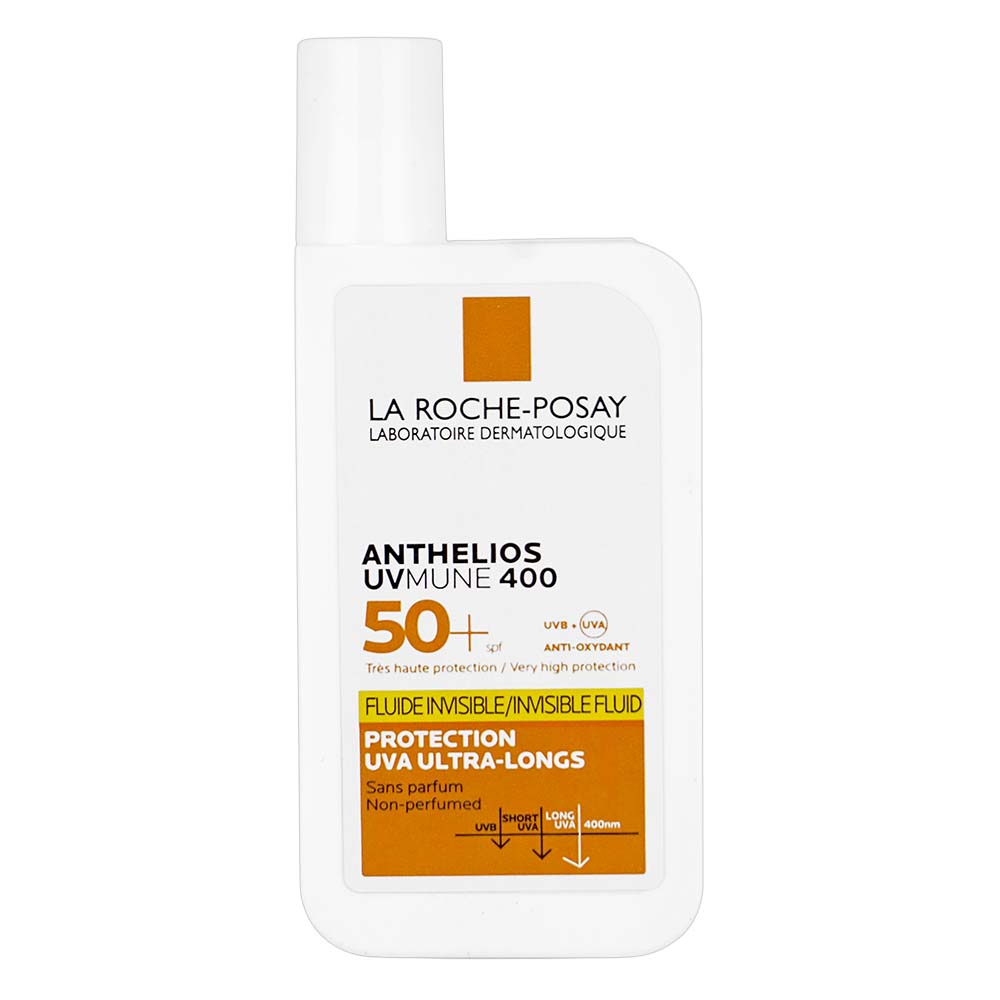
La Roche-Posay Anthelios UVmune 400 Invisible Fluid SPF 50
If you like sunscreen that feels light, thin, and less noticeable, a good fluid can be better than a richer cream. This one makes sense for oily skin that still wants high protection without a heavy finish.
It is more of a natural finish than a true matte one, but it stays elegant and does not feel old-fashioned or thick. For people who hate obvious sunscreen texture, that matters.
- Best for: Daily wear, lighter feel, invisible finish
- Finish: Natural
- Tip: Give it a moment to settle before makeup
Good if you want high protection in a lighter-feeling fluid.
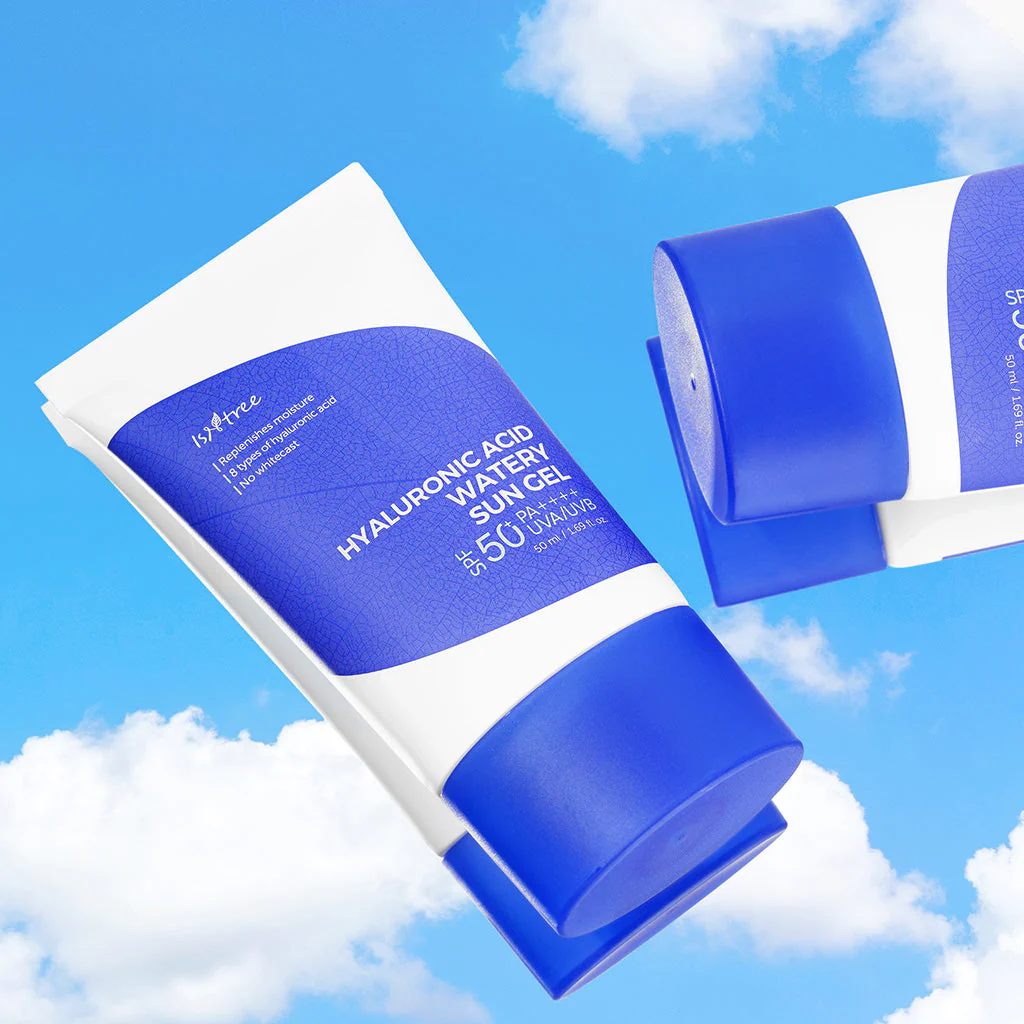
Isntree Hyaluronic Acid Watery Sun Gel
This is the kind of sunscreen I would recommend to someone with oily but slightly dehydrated skin. Some oily skin does not actually need the driest formula possible. It needs a sunscreen that feels fresh and easy without becoming greasy later.
Watery gel textures are often more comfortable for people who hate traditional sunscreen feel. They can be great under makeup as long as you let them settle before moving to your base.
- Best for: Oily-dehydrated skin, lighter everyday wear
- Finish: Fresh-natural
- Tip: Better for office days than very sweaty outdoor days
Good for oily skin that still wants comfort and hydration.
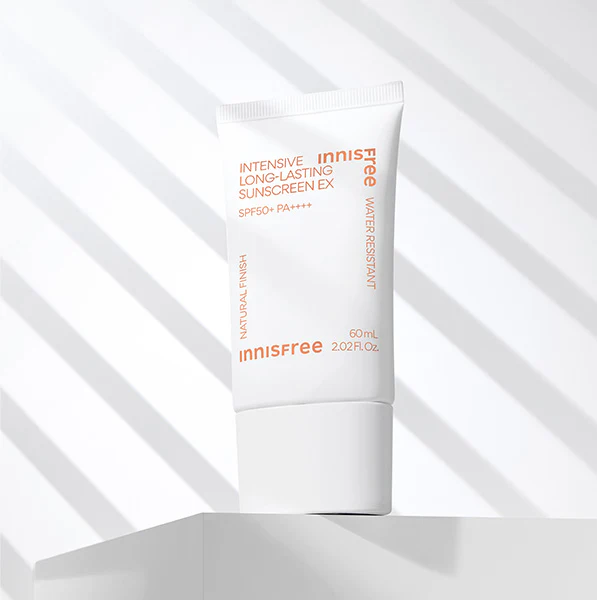
INNISFREE Intensive Long-Lasting Sunscreen EX
This one is for the days when you want something that feels more deliberately built for staying power. It is especially interesting if your skin is combination-to-oily and you spend time outside or in humid conditions.
It is not trying to be invisible in the ultra-watery sense. It is trying to stay put better, and that can be the better trade-off for oily skin that needs more structure from its sunscreen.
- Best for: Outdoor days, water resistance, longer hold
- Finish: Smooth-matte
- Tip: Great when you want your sunscreen to act more like a stable base layer
Better for longer outdoor wear and more demanding conditions.
How to choose quickly
- Best overall long wear: Anessa Perfect UV Sunscreen Mild Milk
- Best for midday reapplication: Anessa Perfect UV Brush-on Powder
- Best lightweight fluid: La Roche-Posay Anthelios UVmune 400 Invisible Fluid SPF 50
- Best watery gel: Isntree Hyaluronic Acid Watery Sun Gel
- Best for outdoor or humid days: INNISFREE Intensive Long-Lasting Sunscreen EX
Mineral or chemical?
This is one of those questions that sounds simple and really is not.
Mineral sunscreens often appeal to oily skin because they can feel a little drier and more matte. They can also work well for people who are sensitive or acne-prone. The problem is that some mineral formulas look heavier, leave white cast, or feel too obvious under makeup.
Chemical and hybrid sunscreens often win on elegance. They can feel thinner, look more invisible, and layer better with base makeup. If your main issue is comfort and wearability, these are often easier to live with daily.
My practical answer: if you care most about matte feel, mineral can be worth trying. If you care most about invisible finish and better makeup wear, chemical or hybrid often makes more sense.
Which textures work best?
Texture matters more than people realize. Oily skin does not automatically need the driest formula. It needs the texture that behaves best on your version of oily skin.
Milk?
Milk sunscreens are often the best choice when you care about long wear. They usually have a slightly more anchored, drier finish and tend to perform well in heat or humidity. This is why Anessa Mild Milk is such an easy recommendation.
Fluid?
Fluids are great if you want high protection without feeling like you are wearing a thick layer. They usually spread fast, feel lighter, and sit more elegantly on the skin. They are often better for people who hate the sensation of sunscreen.
Gel?
Gel sunscreens can be excellent for oily skin, especially oily skin that is dehydrated. They feel fresh and lighter on the face. The trade-off is that some gels feel a little less locked in on very sweaty days than a milk or more structured sunscreen.
Powder?
Powder sunscreen is not a replacement for your main morning layer. But as a reapplication option for oily skin, it can be genuinely useful. That is where something like the Anessa brush-on powder earns its place.
Which ingredients help?
For oily skin, the ingredient list matters less as a buzzword list and more as a clue to how a formula will behave.
- Silica: helps absorb surface oil and can make the finish look more blurred.
- Dimethicone and silicone elastomers: often help sunscreen spread smoothly and sit better under makeup.
- Zinc oxide: common in mineral formulas and often associated with a drier feel, though sometimes at the cost of more visible texture.
- Niacinamide: nice to have in some oily-skin formulas, especially if your skin also deals with redness or unevenness.
What I do not chase is a long list of skincare claims on sunscreen. If your sunscreen protects well, sits lightly, and does not make your skin look worse, that is already doing a lot.
Can sunscreen cause breakouts?
It can, yes. Usually not because sunscreen is automatically bad for acne-prone skin, but because certain formulas feel too heavy, too occlusive, or just do not play nicely with the rest of your routine.
If your skin clogs easily, I would stick to lighter textures and be a little more cautious with very rich creams or very dewy sunscreens. Also remember that sunscreen is only one part of the equation. If your skin is already overloaded, even a decent SPF can feel like the product that pushed things over the edge.
If you are trying to make your whole daytime routine behave better, this is a good companion read: AM and PM skincare routine for oily skin.
What does non-comedogenic mean?
In simple terms, it means the product is intended not to clog pores. That is useful, but I would not treat it like a magic guarantee.
A sunscreen can say non-comedogenic and still feel wrong on your skin. It can also be technically fine on paper but become annoying when layered over moisturizer, serum, primer, and foundation. So yes, the label matters, but your own wear test matters more.
SPF 30 or 50?
For oily skin, I usually lean toward SPF 50. Not because SPF 30 is useless, but because people rarely apply sunscreen perfectly. In real life, higher SPF gives you more margin.
If you are indoors most of the day and you are good about applying enough, SPF 30 can be fine. But if you live in strong sun, sit near windows, sweat easily, or just know you under-apply a bit, SPF 50 is the easier and safer choice.
Which ones wear under makeup?
For oily skin, the best under-makeup sunscreens are usually the ones that set cleanly and do not stay wet forever. If sunscreen remains tacky, foundation has more chance of moving, clinging oddly, or separating around the nose.
This is why I usually prefer a milk, fluid, or controlled gel texture instead of a rich cream. You want sunscreen to behave like a stable layer, not like a second moisturizer that never really finishes settling.
If you are trying to get your base to last as long as possible after sunscreen, read: best way to apply foundation on oily skin.
Are tinted sunscreens better?
They can be, especially if you deal with acne marks, post-breakout discoloration, or you simply hate the look of flat white sunscreen on the skin. A good tinted sunscreen can help even things out a little while also avoiding that chalky cast some untinted formulas leave behind.
For oily skin, tinted sunscreens are most useful when you want a lighter base day. They are not automatically better, but they can be a smarter choice if you want some visual correction without layering a full foundation on top.
How do you reapply?
This is where most oily-skin sunscreen routines fall apart.
- Blot first. If your face is shiny, remove the oil before adding anything.
- Choose the lightest format that makes sense. Thin fluid, stick, or powder can be easier than another cream layer.
- Do not overwork the skin. Pat or press instead of rubbing everything around.
If you wear makeup, a brush-on powder SPF is one of the most practical options. That is exactly why the Anessa Perfect UV Brush-on Powder is worth mentioning here. It is one of the few formats that feels designed for oily-skin reality instead of ideal sunscreen theory.
How do you avoid white cast?
White cast is usually a bigger issue with some mineral sunscreens and certain tone-up formulas. If your skin is medium, tan, or deeper, this matters a lot more than a generic "lightweight" claim on the packaging.
In general, invisible fluids, sheer chemical formulas, and better-done tinted options tend to be safer bets. If you already know you hate white cast, I would be more careful with matte mineral formulas that promise too much and end up sitting visibly on the skin.
Do gels control oil better?
Not always. Gel sunscreens often feel lighter and fresher, which makes them more comfortable for oily skin, but that is not the same thing as stronger oil control through the day.
If you want the cleanest feel, a gel can be amazing. If you want the strongest hold in humidity, a milk or longer-wear sunscreen may do better. This is why I do not rank gels automatically above other textures. They solve a comfort problem more than a durability problem.
Should you skip moisturizer?
Sometimes, yes. On oily skin, especially in humid weather, a moisturizing sunscreen may already be enough. If you pile a separate moisturizer under a sunscreen that is already comfortable on its own, you can end up with extra slip and faster shine.
I would not skip moisturizer as a rule for everyone, but I do think oily skin benefits from being a little more strategic about layers. I talk about that in more detail here: skip moisturizer and use sunscreen on oily skin.
What about heat and humidity?
This is where product differences become much more obvious.
In hot, humid weather, oily skin usually needs sunscreen that feels a little more structured and less glossy. That is why I keep coming back to milk sunscreens and longer-wear formulas when I care about durability. A sunscreen that feels okay in an air-conditioned room can become a mess outside.
If you are building a whole routine for tropical weather, this is worth reading next: best makeup for heat and humidity.
Bottom line
The best sunscreen for oily skin is the one that gives you real protection without making your skin feel louder, heavier, or more high-maintenance than it already is. If long wear matters most, start with Anessa Perfect UV Sunscreen Mild Milk. If reapplication is your biggest struggle, add Anessa Perfect UV Brush-on Powder. And if you want a lighter feel, go for a good fluid or gel instead of forcing yourself through a sunscreen texture you already know you hate.
FAQ
Is sunscreen enough as a daytime moisturizer for oily skin?
Sometimes, yes. If your sunscreen already feels comfortable and your skin is not tight underneath, you may not need a separate moisturizer in the morning.
Which sunscreen finish is usually best for oily skin?
Soft-matte or natural-matte is usually the easiest finish to live with. Very dewy sunscreens can look too shiny fast, while very flat matte formulas can look heavy or dry.
Can oily skin use dewy sunscreen?
Yes, but it depends on how oily you are and what comes after it. If you wear foundation or live in humidity, a very dewy sunscreen often becomes less appealing by midday.
What is the easiest sunscreen type for touch-ups?
Usually a thin fluid, stick, or powder. For makeup wearers with oily skin, powder SPF is often the least messy midday option.
Maddie is here to share beauty knowledge and help you build a routine that still makes sense a few hours later, not just right after application.