Quick Answer
Yes. Hyaluronic acid is good for oily skin because it hydrates without adding oil. The trick is using a thin layer, choosing a light texture, and not stacking ten products on top. If HA has ever made you feel "more oily," it is usually pilling, a sticky formula, or too-heavy sealing layers.
- Oily skin can still be dehydrated (tight + shiny is a clue)
- Use pea-size amount, pat it in
- Seal lightly with a gel-cream moisturizer (or sunscreen if you use it)
- Wait 30–60 seconds before moisturizer/makeup to prevent pilling
I have oily skin in a hot, humid climate, so I get why people side-eye hydration products. Like… why would I put something "hydrating" on skin that already looks shiny at 2 PM? But hyaluronic acid is one of the few ingredients that can make oily skin feel calmer instead of greasier, as long as you use it the right way.
If you're not 100% sure what your skin type actually is (or if it changes by season), start here: how to identify your skin type. That little check can save you so much money and frustration.
What Hyaluronic Acid Actually Does (Without the Hype)
Hyaluronic acid (HA) is a humectant. That means it helps your skin hold onto water and feel more comfortable. It does not add oil. It does not "strip" your skin. It is basically hydration support, which is why it's often a win for oily skin that's also a little dehydrated.
My simple definition
Think of HA like a "water magnet" for your routine. It helps your skin feel bouncier and less tight, but it still needs a routine that makes sense around it.
Yes, Oily Skin Can Be Dehydrated
This is the part that changes everything. You can be oily and still dehydrated. In fact, it's super common if you: over-cleanse, use harsh acne products, skip moisturizer, or live in heat and humidity.
Signs you might be "dehydrated-oily"
- Your skin feels tight after cleansing but still looks shiny later
- Makeup separates or gets patchy even though you're oily
- You get oil spikes midday but also feel a little dry around the mouth or cheeks
- Your skin looks "flat" or irritated after actives
If that's you, HA can help you add hydration without feeding the shine.
Will Hyaluronic Acid Make Me More Oily?
Most of the time: no. HA itself isn't oil. But some people *feel* oilier after HA and I get it, because it can happen when:
- You apply too much (sticky layer = instant shine)
- You layer too fast under moisturizer/makeup and get pilling
- The product is a "HA serum" but it's actually full of heavier film-formers or oils
- You seal it with something too rich for your skin (especially in humidity)
If HA feels gross on you, it's usually the routine
Try using half the amount, pat instead of rubbing, and simplify to one hydration step + moisturizer. Oily skin does best when the routine is clean and lightweight.
How I Use Hyaluronic Acid on Oily Skin (Humidity-Proof)
This is my "real life" routine style. Minimal steps. No stickiness. Works under makeup. For a deeper step-by-step, I wrote a full guide here: how to use hyaluronic acid.
Cleanse and leave skin slightly damp
I don't like applying HA on totally bone-dry skin. I either leave my face slightly damp or do one light mist. Not soaking wet. Just enough slip so it spreads thin.
Use a tiny amount (seriously)
Pea-size. One pump. Pat it in. Over-applying is the fastest way to turn HA into a sticky film that pills under moisturizer or makeup.
Seal lightly
I seal with a light gel-cream moisturizer. You can also use sunscreen (especially in the morning if you wear it), but I keep it simple with just moisturizer. In humidity, I skip heavy creams completely.
Wait 30–60 seconds before moisturizer or makeup
This one change helps so much with pilling. Let the HA layer settle, then apply your moisturizer (or sunscreen, if you use it) with a gentle patting motion.
Best Textures for Oily Skin (What I Look For)
Oily skin usually does best with: watery toners, light serums, and gel-creams. If it feels thick in your hand, it will probably feel thick on your face in humidity.
If you want a moisturizer that plays nice with oily skin
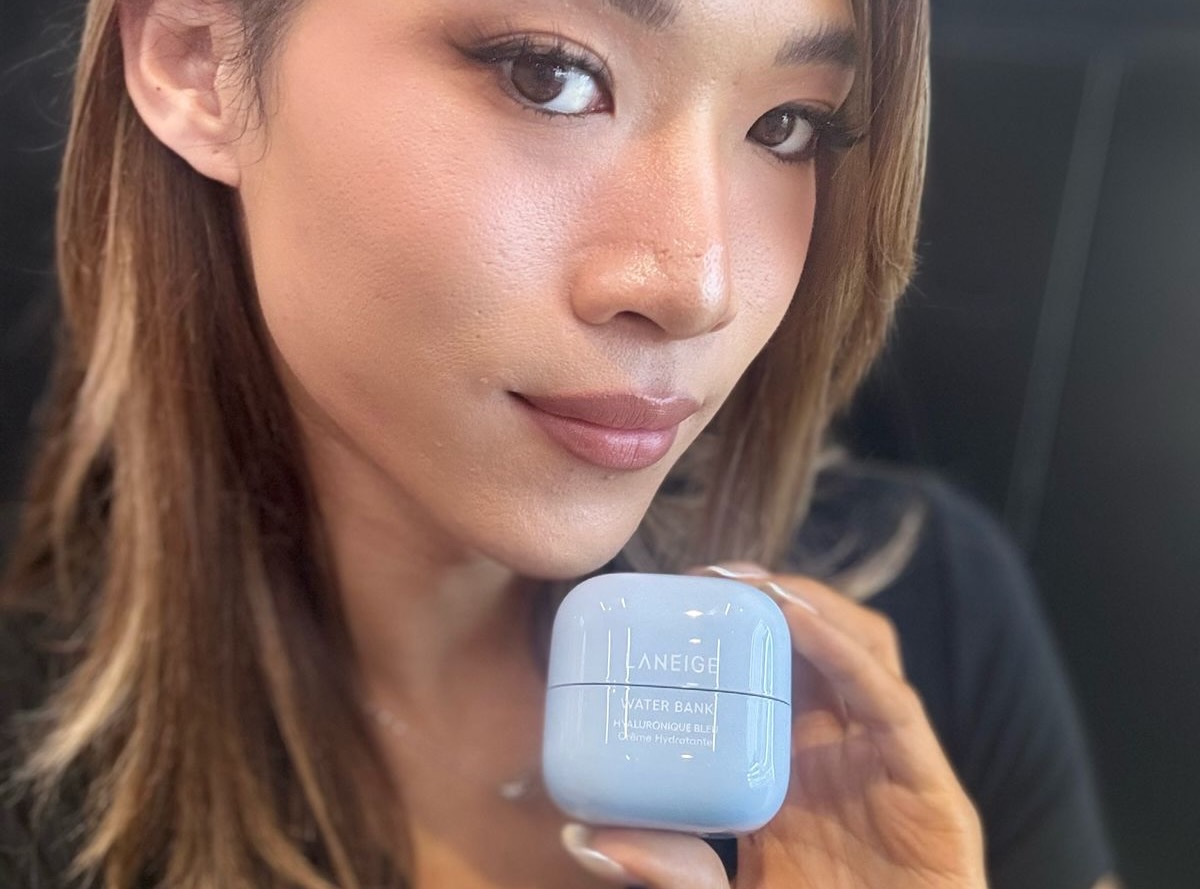
I'm a gel-cream girl. It's that "hydrated but not suffocated" vibe. If you want one that feels especially good under makeup, you can read my full take here: Laneige Water Bank Blue Hyaluronic Gel Moisturizer review.
If you want a HA serum that feels fresh
For a lighter, everyday hydrating serum (especially if you like that clean, watery feel), check my review here: Innisfree Green Tea Seed Hyaluronic Serum review. If you want a moisturizer instead, my INNISFREE Green Tea Seed Hyaluronic Cream review covers a comfortable option that works well with retinol.
Does Hyaluronic Acid Clog Pores or Cause Acne?
In my experience: HA itself isn't the usual pore-clogger. If you break out after a "hyaluronic acid serum," it's often something else in the formula, or your routine is too heavy.
What I do if I suspect breakouts
- Stop the product for 5–7 days and see if the breakout calms
- Re-introduce it on one area first (cheeks, not the whole face)
- Check if the product is actually "light" or if it's secretly rich
- Make sure cleansing at night is solid (especially if you wear sunscreen and makeup)
- Consider whether your skin needs an exfoliating treatment like salicylic acid if pore congestion is the real issue
My rule: judge the whole formula, not the headline ingredient
"Contains hyaluronic acid" doesn't automatically mean "perfect for oily skin." Texture and finish matter more than the marketing line.
Why Hyaluronic Acid Pills (And How to Stop It)
Pilling is the #1 reason people say HA is "bad" for oily skin. It's usually not the ingredient. It's layering.
My no-pilling checklist
- Use less. Pea-size is enough.
- Pat, don't rub. Rubbing rolls product up.
- Wait. Give each layer 30–60 seconds.
- Reduce duplicates. If your moisturizer already has HA, skip the extra HA serum.
- Check product compatibility. Some moisturizers or makeup pill over certain serums no matter what.
Should You Apply Hyaluronic Acid on Damp Skin?
You can, but you don't have to. For oily skin, I like "slightly damp" because it helps the serum spread thinner and feel less tacky. If damp skin makes you feel sticky, apply on dry skin and just use a smaller amount.
My Favorite Pairings for Oily Skin
HA is hydration. It's not your oil-control hero by itself. I like it most when it supports a routine that already makes sense for oily skin. For more context on where this fits, see my full oily skin skincare routine.
- HA + gel-cream moisturizer (comfort + smooth makeup) — I like the Laneige Water Bank Blue Hyaluronic Gel Moisturizer for this
- HA + gentle barrier support (if actives make you tight or flaky)
- HA + light moisturizer (or sunscreen if that's your thing)
What Results to Expect (Realistic Timeline)
HA isn't a dramatic "overnight transformation" ingredient. What you'll notice first is comfort: less tightness, smoother makeup, and a more balanced feel. Give it about 1–2 weeks of consistent, lightweight use to judge it fairly.
Maddie's Final Answer
Is hyaluronic acid good for oily skin? Yes, and it can be one of the easiest ways to hydrate without feeling greasy. Just keep it light, keep it simple, and stop using "more" as your solution.
Maddie is here to share beauty knowledge and help you elevate your skincare and makeup routine. Love ya. 💕
Frequently Asked Questions
Is hyaluronic acid good for oily, acne-prone skin?
Usually yes, because it hydrates without adding oil. The main thing is choosing lightweight, non-greasy textures and keeping the routine simple so you don't get buildup or pilling.
Can hyaluronic acid make my skin feel more oily?
It can feel that way if you apply too much, if the product is sticky, or if it pills under moisturizer and makeup. Try using half the amount and patting it in, then wait before layering.
Do I need to apply hyaluronic acid on damp skin?
Not required. I like slightly damp skin because it spreads thinner and feels lighter, but if you hate that feeling, use a smaller amount on dry skin and seal lightly.
Does hyaluronic acid clog pores?
Hyaluronic acid itself is generally low-risk for clogging. If you break out, it's often the full formula or the rest of your routine (too rich, too many layers, or not cleansing well at night).
What's the best way to prevent pilling with hyaluronic acid?
Use less product, pat instead of rub, wait 30–60 seconds between layers, and avoid stacking multiple hydrating serums if your moisturizer already contains HA.
What if my oily skin doesn't feel dehydrated at all?
Then you may not need a dedicated HA serum every day. You can rely on a light moisturizer that already contains humectants and keep your routine minimal.