Quick Answer
If your skin is oily but flaking, it usually means one of two things: (1) you're dehydrated (water-deficient) or (2) you're irritated (barrier stressed). The fix is not "more exfoliation." The fix is a short barrier reset, then reintroduce actives slowly.
- Pause acids/scrubs for 7–10 days
- Cleanse gently (no rubbing)
- Hydrate lightly + moisturize (yes, even if you're oily)
- Restart actives one at a time (retinol: 2 nights/week)
I have oily skin and I live in a hot, humid climate. Which means I know this problem way too well: your T-zone is shiny, your makeup slides… but then your nose and cheeks have these random flaky patches. It feels unfair. And it's also very fixable.
Before we talk routines, make sure you actually know your base skin type. "Oily but flaky" can happen to several skin types for different reasons. If you're not sure, do this quick read: how to identify your skin type.
Why Oily Skin Starts Flaking (The Real Reasons)
Here's the biggest thing people miss: oil is not hydration. Oil is sebum. Hydration is water + a healthy skin barrier. You can be oily and still be dehydrated (tight, rough, makeup clinging), or irritated (stinging, red, peeling).
1) Dehydration (water-deficient skin)
This is the classic "I'm shiny but tight" feeling. Your skin produces oil, but it's still losing water or not holding water well. In humidity, it's also easy to over-cleanse because you feel sticky… and that can make dehydration worse.
2) Over-cleansing
If your cleanser leaves your face squeaky, tight, or "too clean," it's usually too harsh for daily use. Your barrier gets stressed, you flake… and your oil glands can go into overprotective mode. If your skin gets oily but also feels easily over-cleansed, my Bioderma Sébium H2O review covers a lighter cleansing option that can work well before a regular face wash.
3) Over-exfoliation (aka chasing the flakes)
The instinct is to scrub off flakes. But if flakes are caused by irritation, exfoliating is like picking a scab. It looks better for one hour, then everything gets worse. If you're using harsh exfoliants or clay masks too often (like the INNISFREE Super Volcanic Pore Clay Mask, which is great for oil control but can be too much if overused), pause them during your barrier reset.
4) Retinol or other actives started too fast
Retinol can be amazing for oily skin (pores, texture, congestion) but it can also trigger peeling if you start like a maniac. If retinol is part of your routine, follow this guide: retinol for oily skin.
Maddie rule
If your skin is flaking, your goal is calm first. Not "smooth" first. Calm skin becomes smooth.
What to Do When Your Oily Skin Starts Flaking (My 10-Day Reset)
This is my "stop the spiral" routine. It's designed for oily skin in humidity, so it won't feel heavy, but it will actually help your barrier recover.
Step 1: Pause the usual suspects for 7–10 days
- Strong acids (AHA/BHA), scrubs, peeling pads
- New products you just introduced (especially fragranced ones)
- Retinoids if they're clearly causing peeling (you can reintroduce later)
Step 2: Cleanse gently (and don't rub)
Night: cleanse gently. Morning: water rinse is often enough if you're flaking. Use lukewarm water, pat dry, and stop aggressively "polishing" your face with a towel. For a more balanced foaming option that may suit some normal-to-oily skin types better than harsher cleansers, read my detailed CeraVe Foaming Cleanser review.
Step 3: Hydrate lightly, then moisturize
If your skin is oily, "moisturizer" doesn't have to mean thick cream. It can be a gel-cream or light lotion. The point is to support your barrier so it stops shedding.
If you like hydrating layers (especially if you feel tight), hyaluronic acid can help. This explains how to use it without feeling slimy: is hyaluronic acid good for oily skin.
Step 4: Add a soothing "support" night 2–3x/week (optional but cute)
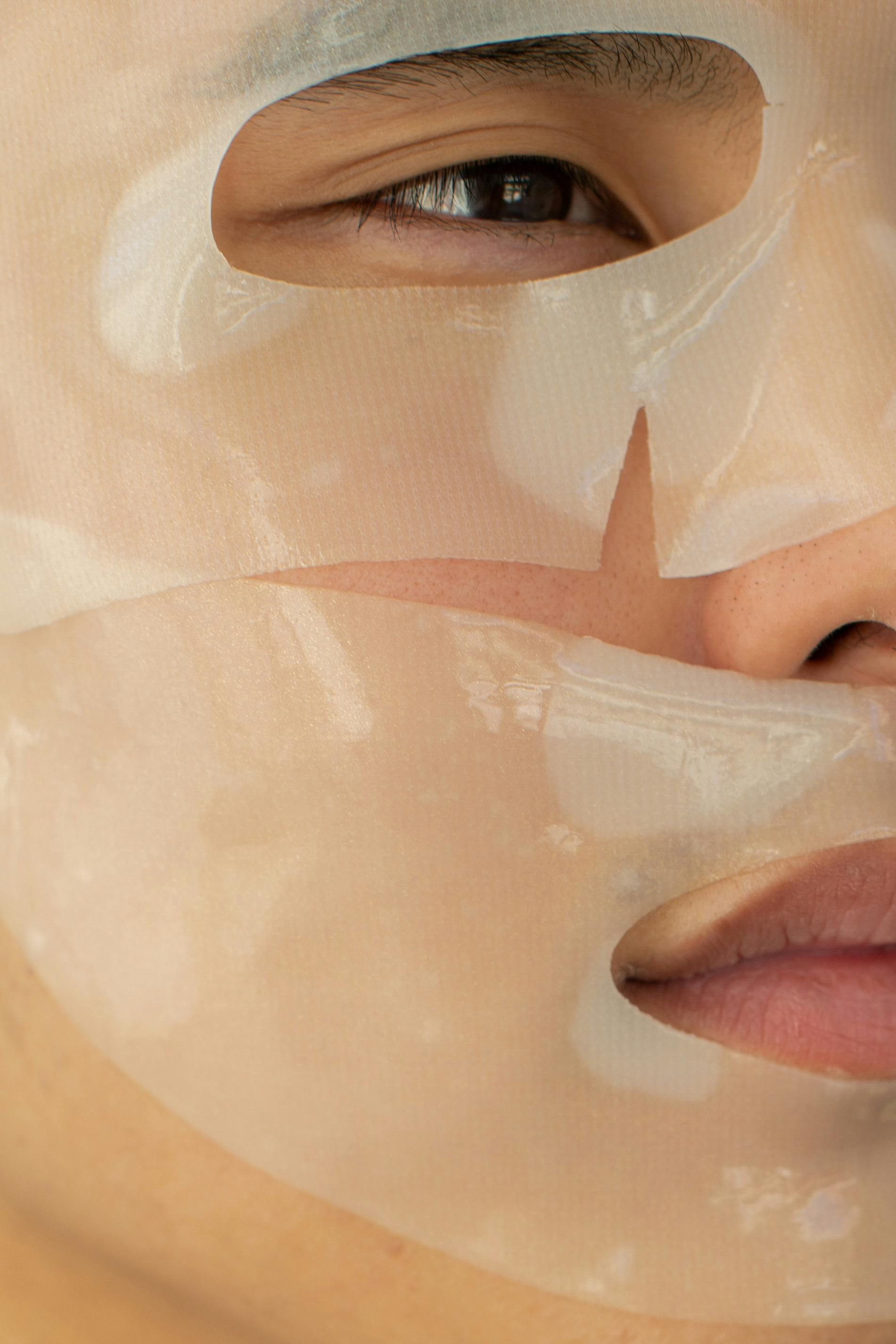
When my skin is acting up, I like a product that's calming but not intense. A gel mask is perfect because it stays in place and feels light. If you want a gentle option that fits oily skin, here's my review: Innisfree Gel Mask review.
When flaking is NOT just "dryness"
If flakes are greasy/yellow-ish, itchy, and you also have dandruff or eyebrow/nose-fold scaling, it might be seborrheic dermatitis. That's a different game. If it persists, see a dermatologist.
How to Prevent Flaking on Oily Skin (Long-Term)
1) Don't strip your skin "because you're oily"
If your routine is built around removing oil at all costs, you'll often end up with a stressed barrier. Choose "gentle and consistent" over "strong and satisfying."
2) Use actives like a schedule, not a mood
The fastest way to flake is stacking actives because you feel congested. Pick one lane for 6–8 weeks.
3) Hydration is the oil-control hack people ignore
When my skin is dehydrated, I look oilier. When my skin is hydrated and calm, I still have shine, but it's not that "grease panic" shine. This is why I'm pro-hydration for oily skin.
4) Fix flakes before you try to perfect your makeup
If you're flaking, keep makeup prep minimal: thin layers, avoid heavy powder on flaky zones, and stop applying drying primers everywhere. Treat the cause first. Once your skin is healed, check out my best drugstore foundation for oily skin guide for gentle, affordable formulas. When you're ready to set your makeup again, see my best setting powder for oily skin guide for gentle formulas that won't irritate recovering skin.
My "Back to Actives" Reintroduction Plan
Once flaking is clearly improving (usually day 5–10), reintroduce actives slowly:
- Week 1: 1 active product total (no mixing). Use 2 nights/week.
- Week 2: If calm, go to every other night.
- After: Add a second active only if you truly need it.
If retinol is your active, keep it beginner-friendly.
When to Get Help (Don't DIY Forever)
- Flaking + burning that doesn't improve after a 10-day reset
- Greasy scale + itch around nose/eyebrows/scalp
- Cracking, oozing, or persistent redness
- Flares after specific products (possible allergy)
Maddie's Final Take
Oily skin that flakes is usually a sign your skin is asking for less force and more support. Calm your barrier, stop chasing the flakes, hydrate lightly, then rebuild your actives routine slowly. That's the path to "smooth and glowy" without becoming a grease ball. If that sounds like your skin, the next step is looking at my full oily skin routine and simplifying from there.
Maddie is here to share beauty knowledge and help you elevate your skincare and makeup routine. Love ya.
Frequently Asked Questions
Can you have oily skin and dry patches?
Yes. It's often dehydration or irritation. Oil is not hydration, so you can be shiny and still flake if your barrier is stressed.
Should I exfoliate if I'm flaking?
Not at first. If flakes are from irritation, exfoliating usually makes it worse. Do a 7–10 day barrier reset first, then reintroduce gentle exfoliation if you still need it.
Is hyaluronic acid good for oily skin that flakes?
Often yes, especially if you feel tight or dehydrated. The key is applying it on damp skin and sealing with a lightweight moisturizer so it doesn't feel sticky. See: is hyaluronic acid good for oily skin.
Does retinol cause flaking?
It can if you start too often or use too much. Start 2 nights per week, use a pea-size amount, and moisturize.
Do I need sunscreen if I use retinol?
Retinoids can increase sun sensitivity. If you use sunscreen, daily use helps protect your skin and results. Maddie note: sunscreen is not part of my personal daily routine, but if you do wear it, this is one of the times it matters.