
Quick Answer
The best light coverage foundation for oily skin is the one that gives you an even, fresh base without turning greasy by lunchtime. In real life, that usually means soft-matte or natural finishes, a formula that can set down, and oil-control ingredients (think: silica/perlite/kaolin) that delay shine.
If you want a broader "all coverage levels" list, start with best foundation for oily skin.
Light coverage foundation gets misunderstood. People think "light coverage" means it won't last, or that it's only for perfect skin. Not true. If you have oily skin, light coverage can actually look cleaner for longer because you're not carrying a thick layer of pigment that breaks apart when oil comes through.
In this guide I'll explain what light coverage foundation is, whether it's good for oily skin, what types hold up best, when to choose it, and my top 7 practical picks.
What Is Light Coverage Foundation?
Light coverage foundation is a base that evens out mild redness and tone differences while still letting your skin show through. It's not meant to hide everything. It's meant to make your skin look more uniform and smooth, without that "foundation face" feeling.
Here's the easiest way to spot it: when you apply it, you should still see your natural skin texture, freckles, and little real-life details. Most light coverage products are also buildable, so you can keep it sheer overall and add a little more around the nose or chin.
Naming: skin tint vs tinted moisturizer vs BB cream
Sometimes it’s hard to find a light coverage foundation because brands don’t always call it that. “Foundation” sounds heavy to a lot of people, so companies often use softer names like skin tint, tinted moisturizer, or BB cream—even when the product works like a light foundation.
So instead of focusing on the label, I focus on how it actually behaves on oily skin: does it set? does it stay even? does it turn greasy fast?
- Skin tint: usually the sheerest option. More about evening things out and adding a finish than real coverage. Some can get shiny quickly if they’re very dewy.
- Tinted moisturizer: light coverage with a skincare feel. Oil-free versions are often better for oily skin.
- BB cream: usually a little more coverage than a tint, but still wearable and light if you apply a thin layer.
- Light coverage foundation: typically has a bit more structure (it sets better and lasts longer), but still looks like skin instead of a mask.
Is Light Coverage Foundation Good for Oily Skin?
Yes, but only if you pick the right finish and apply it the right way. The myth is that oily skin needs "the driest matte foundation possible." The reality is: oily skin needs a base that stays even as oil comes through.
Light coverage helps because you're working with a thinner layer. Less product usually means less sliding, less patchy separation, and easier touch-ups. The catch: very dewy tints can look adorable for 30 minutes and then become a shiny, moving situation.
The finish that usually works best (in real life)
If you're oily, aim for soft-matte or natural. These finishes still look skin-like, but they don't amplify shine the moment your T-zone starts producing oil.
What Kind of Light Coverage Foundation Is Suitable for Oily Skin?
If you want the "buy once, wear often" answer: pick formulas that have oil-absorbing powders and can set down. That's what keeps the pigment from drifting around your face.
1) Oil-free tinted moisturizers
These are underrated for oily skin. When they're truly oil-free (and not just marketing), they're usually built with powders that absorb shine, and they're easier to touch up without caking.
2) Light powder foundations
If liquid always melts off you, a powder foundation applied lightly can be a cheat code. You can wear it as sheer coverage, then bring it for midday touch-ups without turning your face into a thick layer cake.
3) Semi-matte cushions
If you like reapplying during the day, cushions can be a very oily-skin friendly format. I have a full breakdown of which ones hold up best here: best cushion foundation for oily skin.
4) Lightweight liquid foundations
Some liquids are technically medium coverage, but they apply beautifully in thin layers. If you use half a pump and spread it well, it becomes "light coverage that lasts."
When to Choose Light Coverage Foundation
In the shop I help clients choose light coverage foundations all the time. Most customers are looking for a mild everyday foundation. A light coverage option is usually the most flattering in real daylight because it looks like skin, not makeup.
These are the situations where light coverage makes the most sense:
- Daily wear: work, school, errands, casual plans—when you want to look fresh and put together, but not overly done.
- Hot or humid weather: oily skin + sweat + thick foundation is not a cute combo. Thinner layers usually hold up better and look cleaner as the day goes on.
- Texture or breakout days: heavy coverage can cling to bumps and make them more obvious. A lighter base + spot concealer often looks smoother overall.
- Easy touch-ups: blot, a little powder, done. No rebuilding your whole face at 2pm.
When you want maximum coverage for events, photos, or long nights out, that's when you switch categories. I keep my stronger, more long-wear options in this guide: best full coverage foundation for oily skin. And if you need a foundation that truly won't budge all day, check out my best long lasting foundation for oily skin guide.
My Top 7: Best Light Coverage Foundations for Oily Skin
These aren't all the same "type" because oily skin isn't one type either. Some of you need oil-free tints. Some of you need powder. Some of you want a cushion you can reapply.
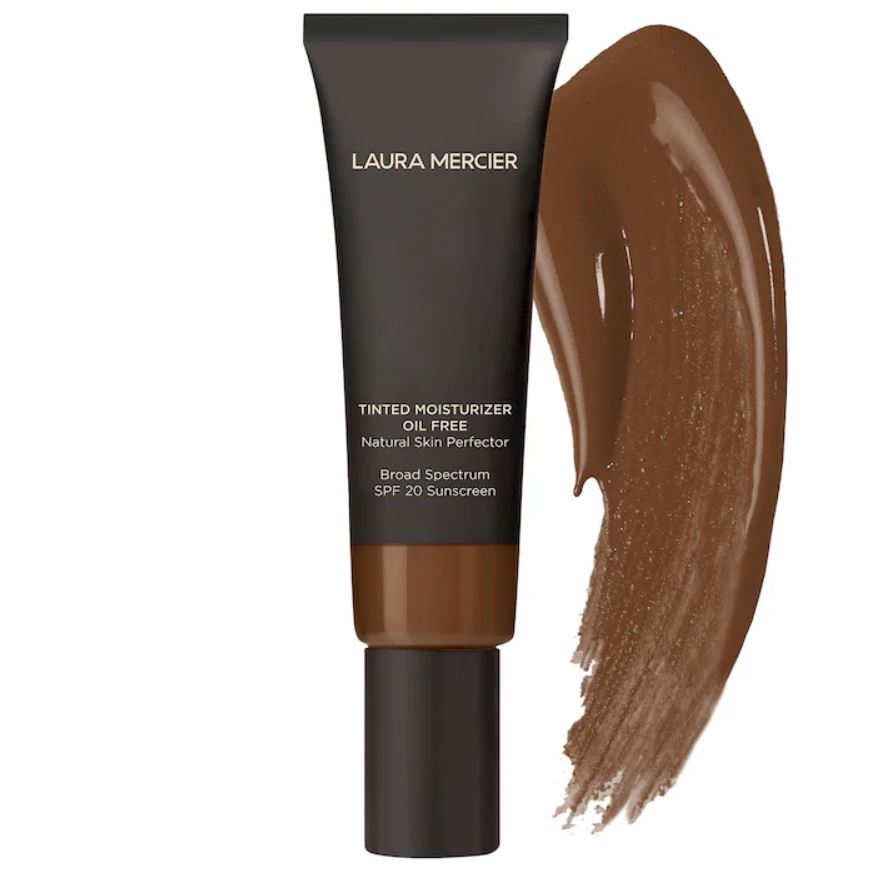
Laura Mercier Oil Free Tinted Moisturizer (SPF 20)
This is exactly what I mean by "light coverage that behaves." It evens out redness, keeps the finish more controlled, and doesn't feel heavy. If you want natural skin but less shine, this is a smart daily pick.
- Best for: Daily wear, "your skin but calmer"
- Finish: Natural / demi-matte
- Maddie tip: Apply with fingers first, then press a sponge over the T-zone
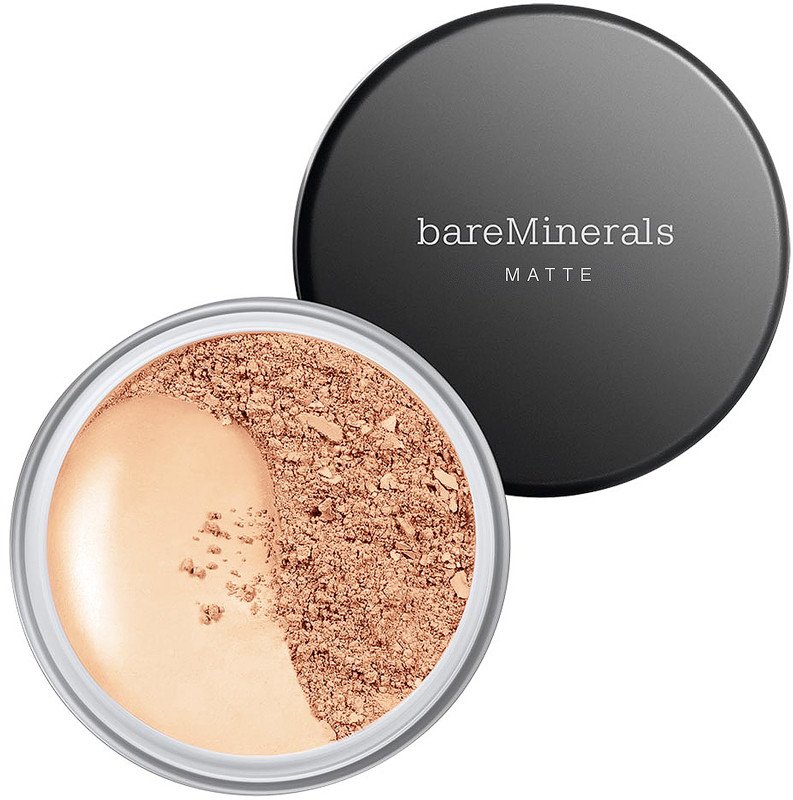
bareMinerals Matte Foundation SPF 15 (Loose Powder)
If liquids melt off you, a light dusting of powder foundation can look surprisingly fresh and soft. Worn lightly, this reads as light coverage, and it's one of the easiest bases to touch up cleanly.
- Best for: Very oily skin, quick touch-ups
- Finish: Natural matte
- Maddie tip: Use a fluffy brush for sheer coverage, not a dense buffing brush
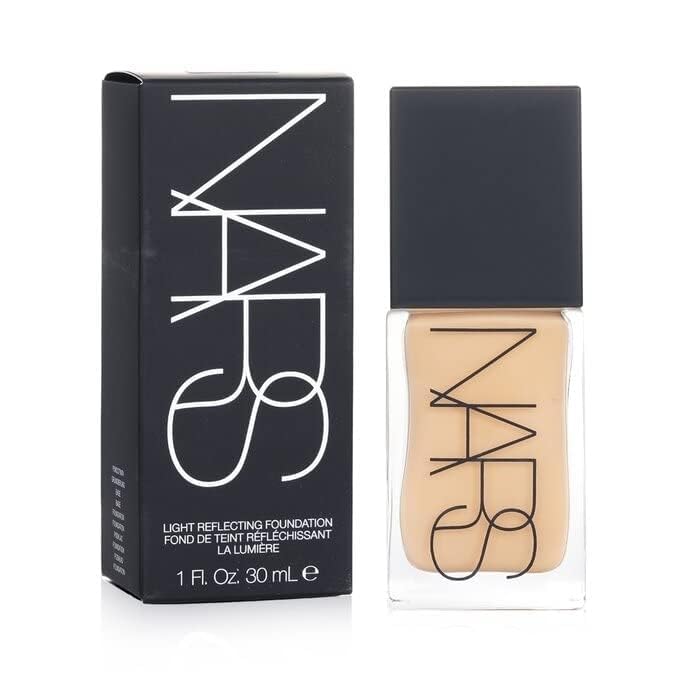
NARS Light Reflecting Foundation (Sheered Out)
This isn't a "tint," but it can be worn like one. Use a small amount and spread it thin, and you get that smooth, natural finish without looking oily right away.
- Best for: Light-to-medium coverage days where you still want polish
- Finish: Natural / skin-like
- Maddie tip: Set only the center of the face and leave cheeks more natural
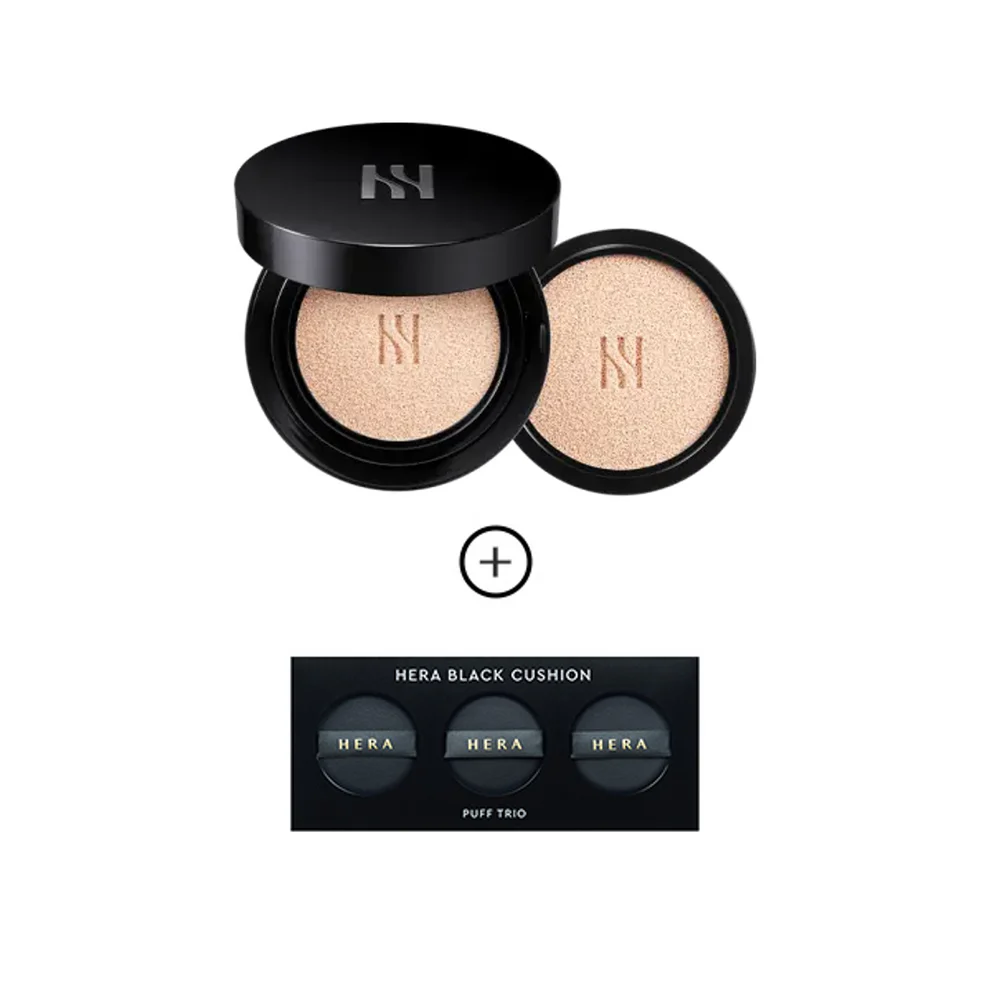
HERA Black Cushion (Lightweight Blurry Coverage)
A great "clean base" cushion for oily skin when you want a thin layer that still looks refined. It's the kind of cushion you can press on lightly and not fear immediate shine takeover.
- Best for: On-the-go, quick reapplication, pore-blur look
- Finish: Soft satin / blurry
- Maddie tip: One light layer only, then tap a tissue on the T-zone before powder
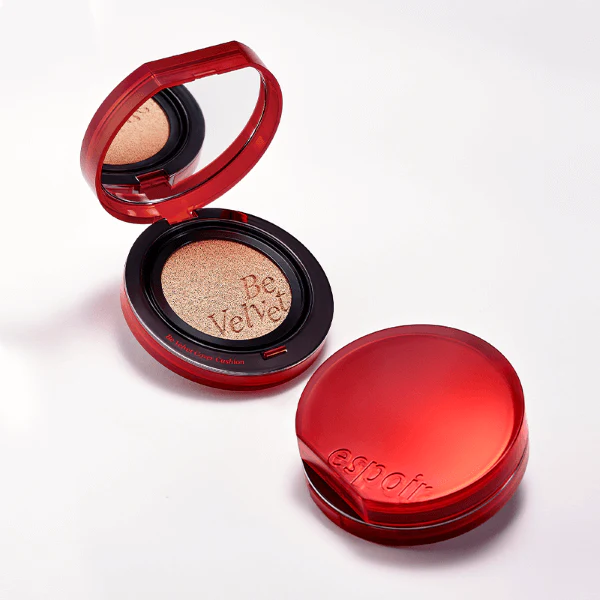
ESPOIR Be Velvet Cover Cushion (Semi-Matte)
If you like a more semi-matte "velvety" finish but still want a thin layer, this is a strong option. It's especially good for oily skin that wants coverage without looking flat.
Read my full review of ESPOIR Be Velvet Cover Cushion.
- Best for: Semi-matte lovers, balanced "soft-focus" look
- Finish: Semi-matte
- Maddie tip: Press, don't swipe. Swiping makes cushions look heavier
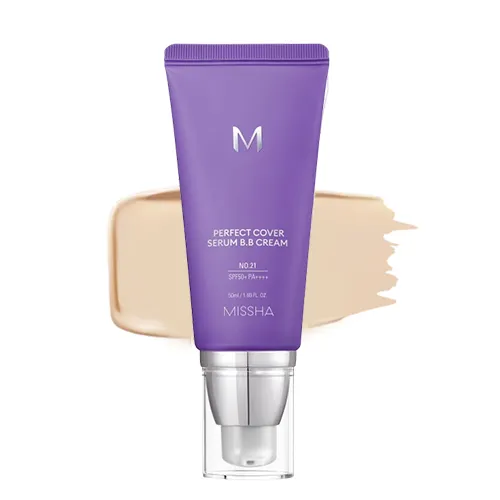
MISSHA M Perfect Cover BB Cream (Apply Thin)
This is a classic for a reason. It can lean medium if you use a lot, but applied sparingly it becomes a very wearable light-to-medium base that still looks smooth.
- Best for: "One product" days, easy base with a polished finish
- Finish: Satin / natural
- Maddie tip: Use a pea-sized amount and stretch it out with a damp sponge
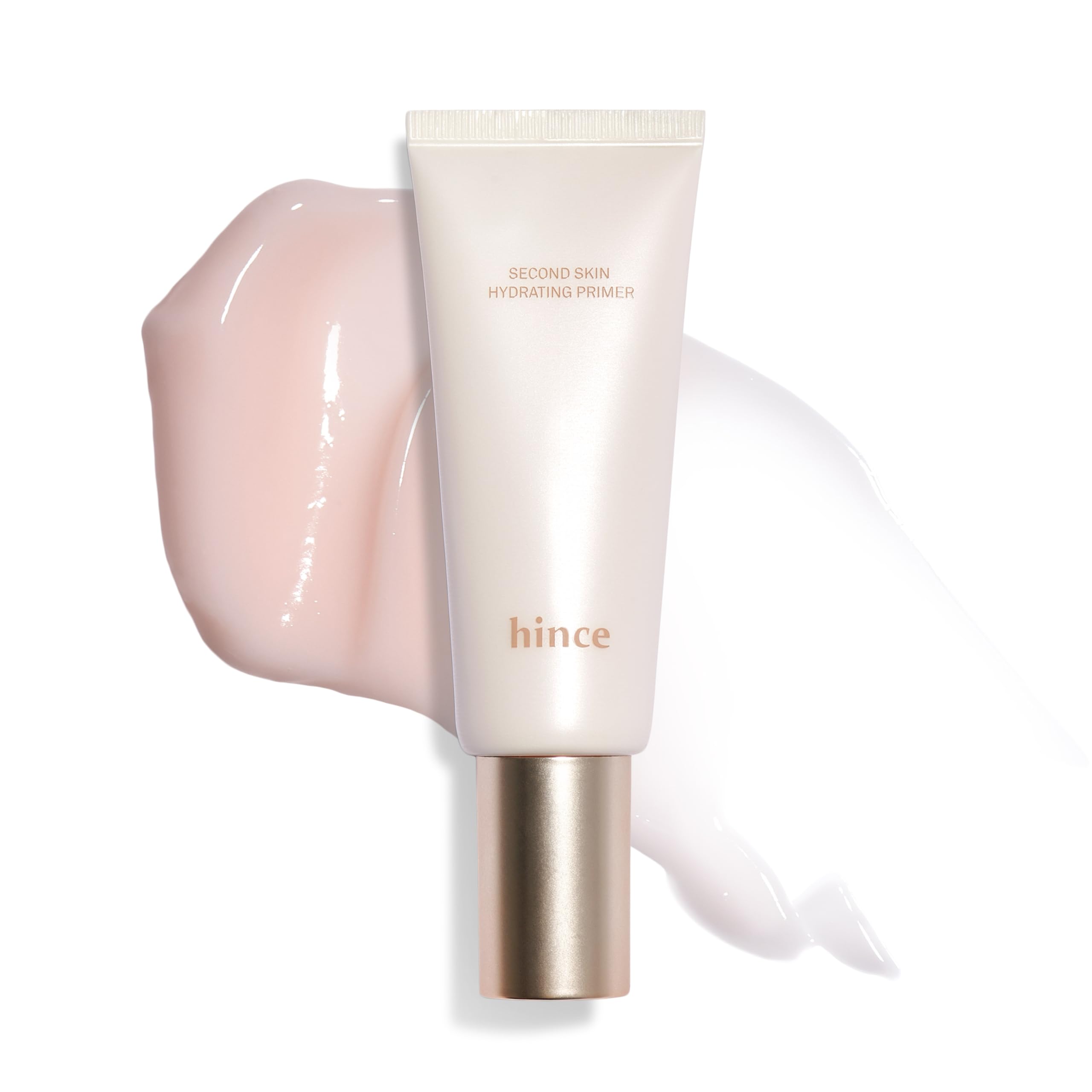
hince Second Skin Mesh Matte Cushion (Thin + Even)
The mesh format helps you apply a thinner, more even layer, which is exactly what oily skin usually needs. If you like that "clean skin" look with better longevity than a dewy tint, this is a good direction.
- Best for: Thin application, oilier T-zones, natural-matte lovers
- Finish: Natural matte
- Maddie tip: Tap lightly and stop early. Over-pressing adds thickness
My "Pick Fast" Shortlist
- Most reliable daily light base: Laura Mercier Oil Free Tinted Moisturizer
- Best for very oily skin: bareMinerals Matte Powder Foundation (worn lightly)
- Best touch-up friendly format: HERA Black Cushion
How to Apply Light Coverage Foundation on Oily Skin (So It Stays Clean)
The goal is not "more product." The goal is a thin, even film that stays put when oil comes through. This is my no-drama routine for humid weather and oily skin. For a more comprehensive step-by-step walkthrough, see my guide on the best way to apply foundation on oily skin.
My routine (step-by-step)
- Keep skincare light: let moisturizer settle fully before makeup.
- Apply thin: start in the center (nose/inner cheeks) and blend outward.
- Micro-build only where needed: around the nose, chin, and any mild redness.
- Set strategically: press powder into the T-zone first, don't blanket-powder your whole face.
- Touch up correctly: blot oil first, then add a small amount of powder. If you re-layer liquid, keep it minimal.
Why Light Coverage can Still Break Down on Oily Skin (And How to Prevent It)
1) Sebum changes how pigments look (the "why is my shade darker?" problem)
Oily skin can make foundation look darker or warmer later in the day. Even if people call it "oxidation," a big part is simply oil changing how pigments sit and reflect on the skin.
Practical fix: shade-test, wait 10–15 minutes, and don't pick a shade in a rush. If you want a clean undertone process, use: how to choose foundation shade.
2) Too much product = faster separation
Light coverage looks best when it's applied like a thin film. When you keep layering, you get slipping around the nose and mouth first, and then patchiness.
3) Touch-ups done wrong create the "powder sludge" look
If you powder on top of shine, you trap oil and mix it with powder. That's when makeup turns thick and textured. Always blot first, then powder. If you like finishing sprays, a hold-focused one can help too: best setting spray for oily skin.
If You're Acne-Prone, Here's the Rule
Light coverage is often the easiest base for acne-prone skin because it doesn't require heavy layering. Keep the base thin, spot-conceal, and remove everything properly at night. If you want acne-specific picks and what to avoid, use: best foundation makeup for acne-prone skin.
Drugstore Foundations (If You Want the Best Value)
Not everyone wants to pay for "pretty skin" makeup. If you want a dedicated list of strong budget bases, I keep that here: best drugstore foundation for oily skin. Drugstore is genuinely good right now, especially if you focus on soft-matte formulas and apply thinly.
Final Verdict
The best light coverage foundation is the one that looks like skin in daylight and still looks even after oil shows up. Keep your layers thin, pick a finish that doesn't amplify shine, and touch up by blotting first. Light coverage doesn't mean weak. It just means smarter.
Maddie is here to share beauty knowledge and help you elevate your skincare and makeup routine. Love ya. 💕
FAQ
What is light coverage foundation?
It's a base that evens out mild redness and tone differences while still letting your real skin show through. It usually looks the most natural up close and is often buildable in small areas.
Is light coverage foundation good for oily skin?
Yes—when it sets down and you use thin layers. Soft-matte or natural finishes usually last better than very dewy tints on oily skin.
What type lasts best on oily skin?
Oil-free tinted moisturizers, light powder foundations applied thinly, and semi-matte cushions are usually the most reliable for longevity and touch-ups.
How do I prevent shine without looking cakey?
Set only where you get oily (usually the T-zone), and blot before touching up. If you powder on top of shine, you get texture and buildup.
Why does my foundation look darker later?
Oil can change how pigments look on the skin and make the base appear darker or warmer. Shade-test and wait 10–15 minutes, then set the center of the face earlier if it happens often.
Can I make light coverage look more perfected?
Yes. Use light coverage overall, then spot-conceal only where needed. If you want more coverage options across the board, browse this guide next: best foundation for oily skin.