Quick Answer
If you want the best long lasting foundation for oily skin, focus less on marketing words and more on how the formula behaves after six to eight hours. The foundations that usually hold up best are thin, long-wear, oil-controlling, and able to set into a flexible film instead of sitting heavily on top of the skin.
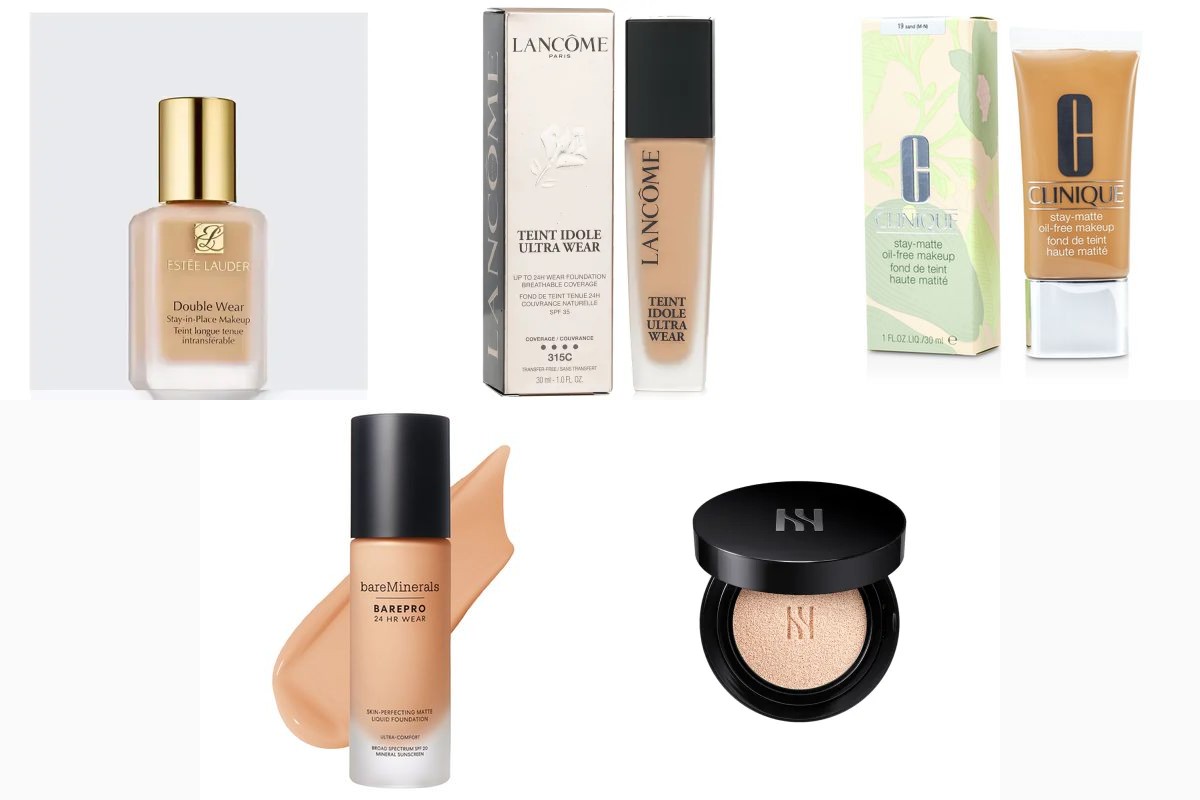
My top overall picks here are Estée Lauder Double Wear for maximum hold, Lancôme Teint Idole Ultra Wear for a more refined natural-matte finish, and Clinique Stay-Matte if you want lighter, oil-free wear that still behaves well on oily skin.
Quick Picks
Oily skin doesn’t just make foundation look shiny. It can cause makeup to shift, separate around pores, oxidize slightly, and fade from the center of the face over the course of the day. When I say “long lasting,” I’m talking about foundations that still look balanced several hours later, not just immediately after application.
In this guide, I’m focusing on foundations known for reliable wear time. I’ll also explain what helps foundation last longer on oily skin, which finishes tend to work best, when powder can help, and why oily skin can sometimes make a shade appear darker as the day goes on.
Are you actually oily?
Before you buy the flattest matte formula you can find, make sure your skin is actually oily and not just dehydrated, over-exfoliated, or combination in a confusing way. If you are not sure, start with how to identify your skin type. That one matters more than people think.
My top 5 picks
These are the five I would start with if your priority is wear time first. I am not saying every single oily person will love them in the same way. I am saying these are the kinds of formulas that make sense when longevity is the whole point.
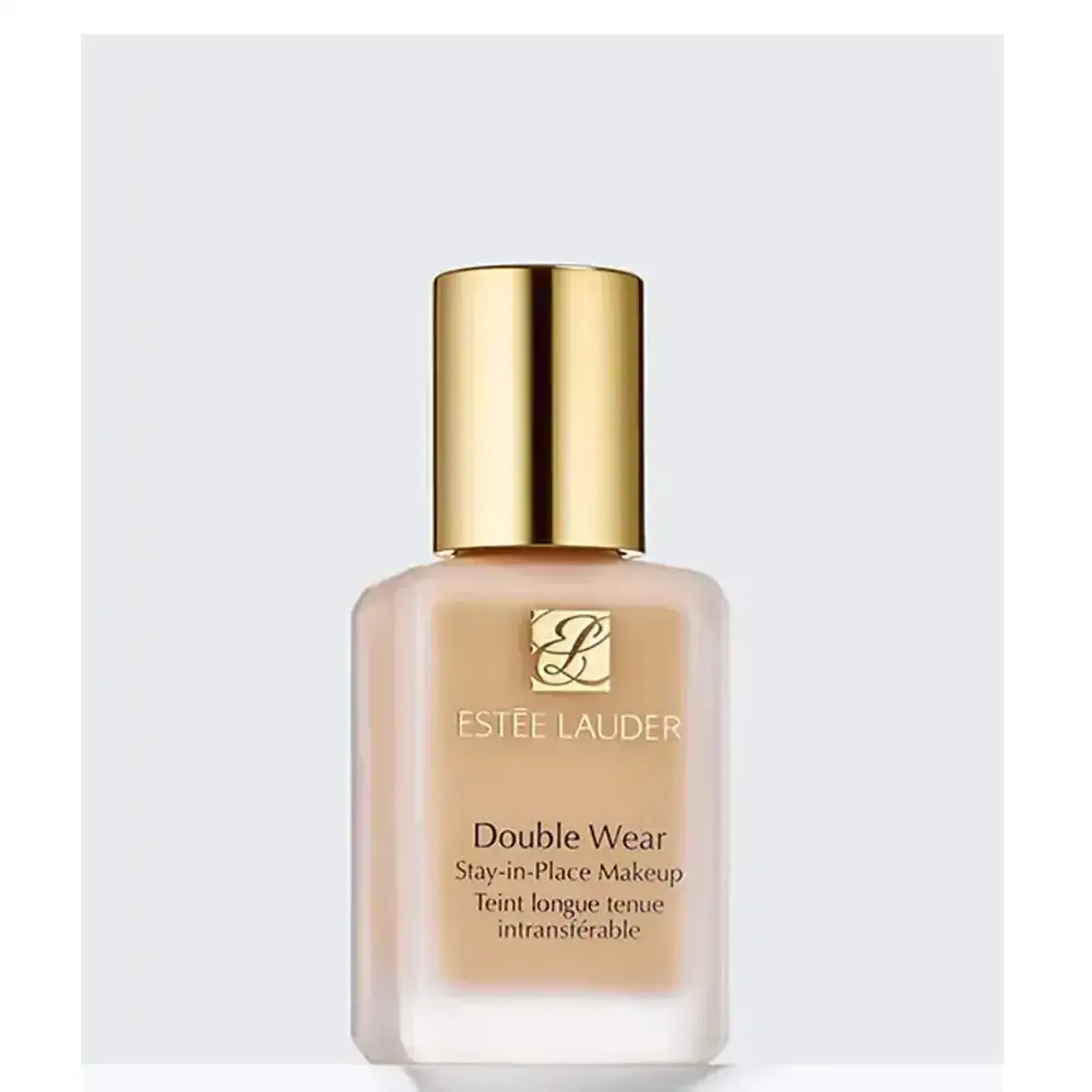
Estée Lauder Double Wear Stay-in-Place Makeup
This is the one I would point to if you asked me for the most classic "I need it to stay on my face" foundation. It is matte, structured, and designed for long wear, and it keeps coming up in editor roundups, pro recommendations, and oily-skin conversations for exactly that reason.
- Best for: maximum hold, long days, events, heat
- Finish: matte
- Coverage: medium to full
- Watch out: apply in thin layers because it sets fast
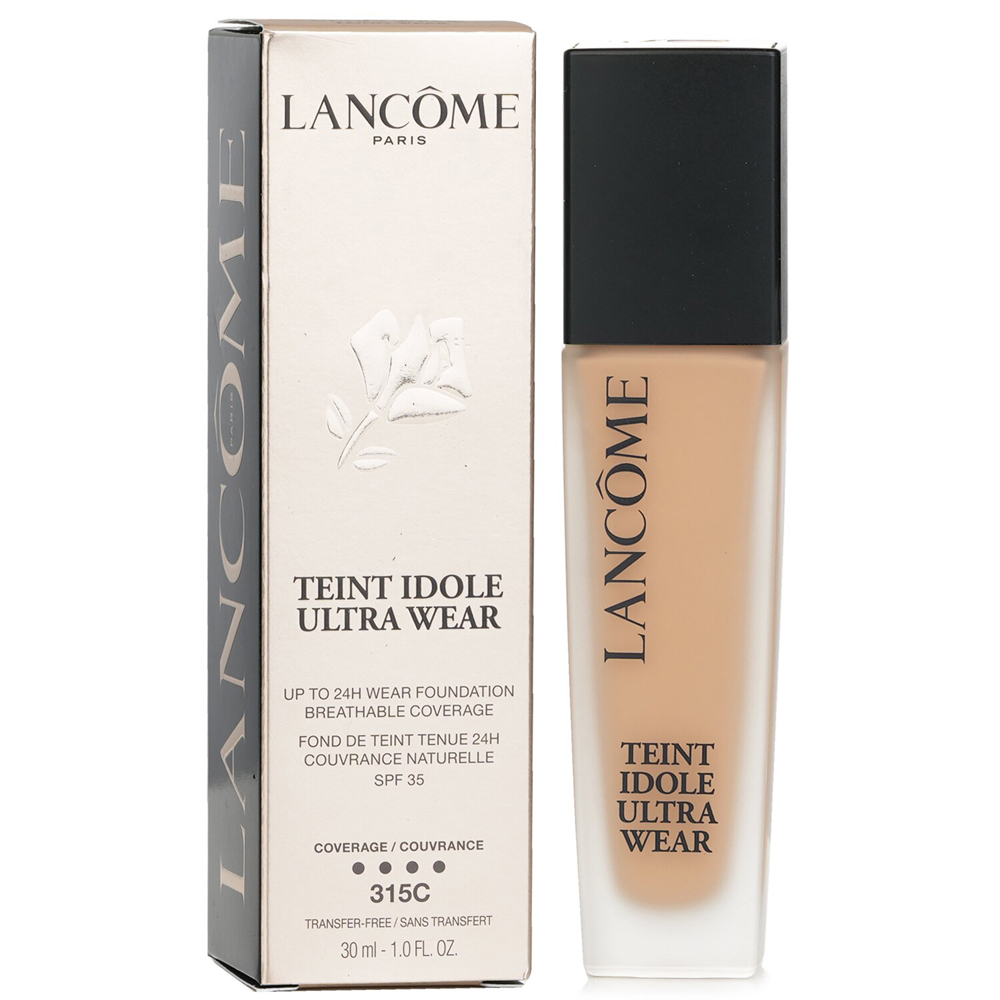
Lancôme Teint Idole Ultra Wear Foundation
This one is for people who want strong wear time but a slightly more refined, less "hard matte" result. It gives full coverage, a natural-matte finish, and tends to look more polished than flat, which is why it is such a common recommendation for oily and acne-prone skin.
- Best for: long wear with a smoother, more skin-like finish
- Finish: natural matte
- Coverage: buildable full
- Watch out: still best in controlled layers, not a heavy first pass
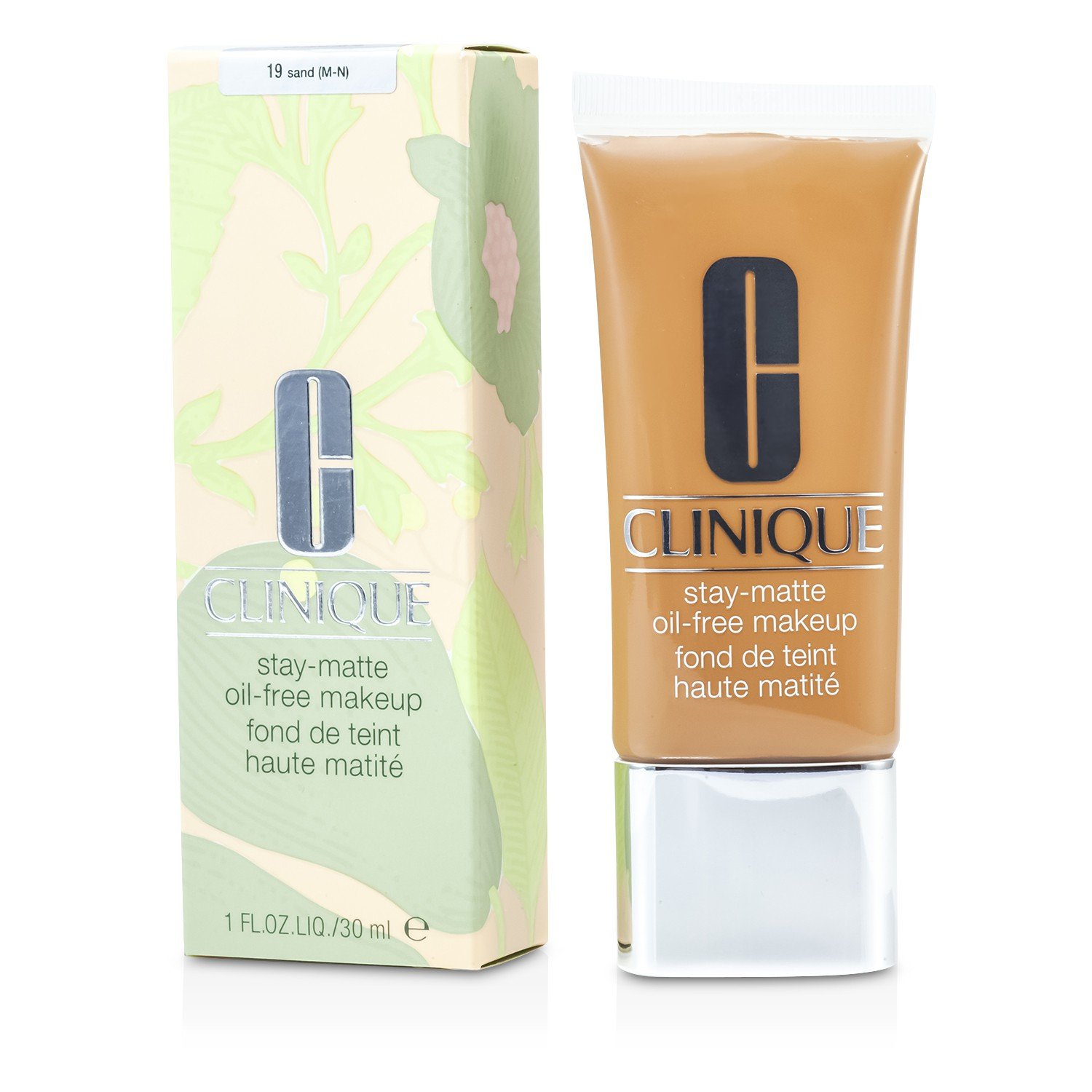
Clinique Stay-Matte Oil-Free Makeup
If you want something lighter-feeling and specifically geared toward shine control, this is a smart one. It is oil-free, marketed for humidity and sweat resistance, and makes sense for oily skin that wants a cleaner, less heavy base.
- Best for: oily skin that hates heavy foundation
- Finish: matte
- Coverage: light to medium
- Watch out: not the pick if you want dramatic full coverage
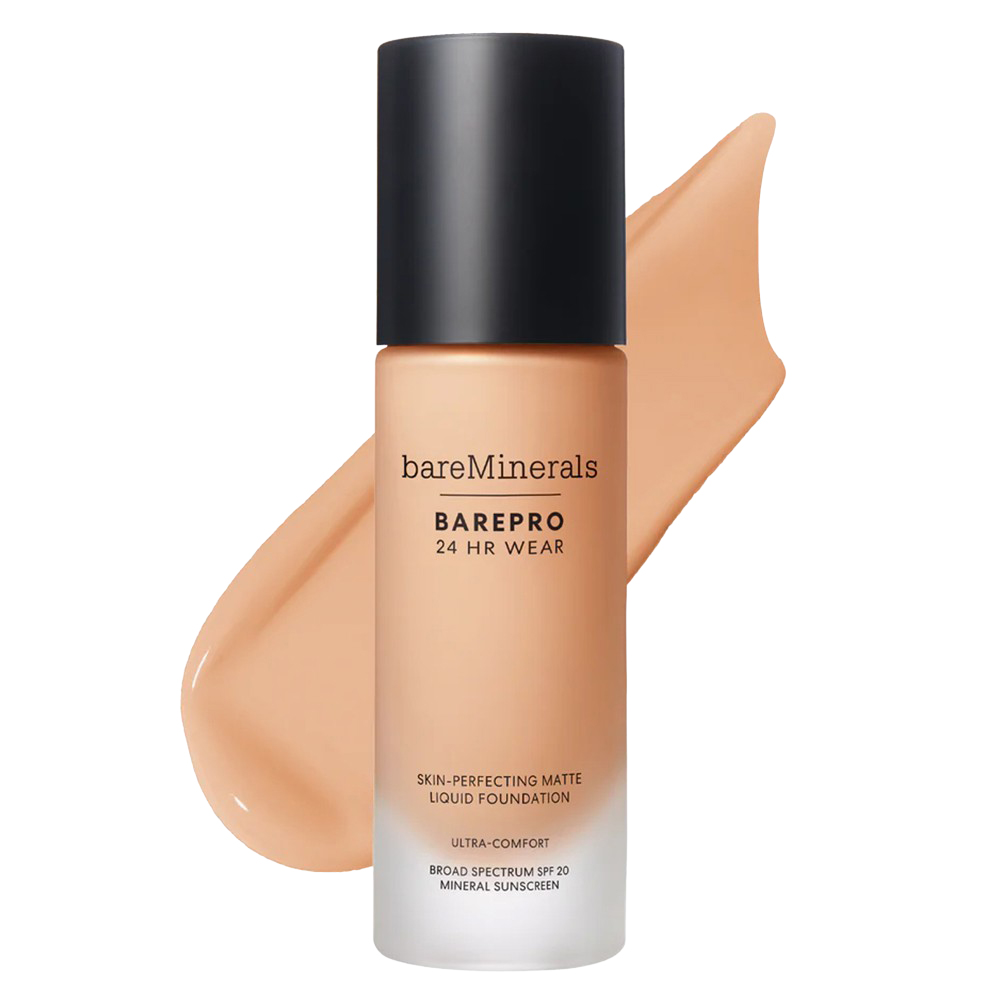
bareMinerals BAREPRO 24Hr Wear Matte Liquid Foundation
This is one I like for oily skin that still wants something modern and a little less old-school feeling than some classic matte foundations. It is positioned as oil-absorbing and non-comedogenic, which is useful if you are oily and also get nervous about clogged-pore situations.
- Best for: oily skin that also leans acne-prone
- Finish: matte
- Coverage: medium to full
- Watch out: prep matters because matte liquids can catch on rough texture
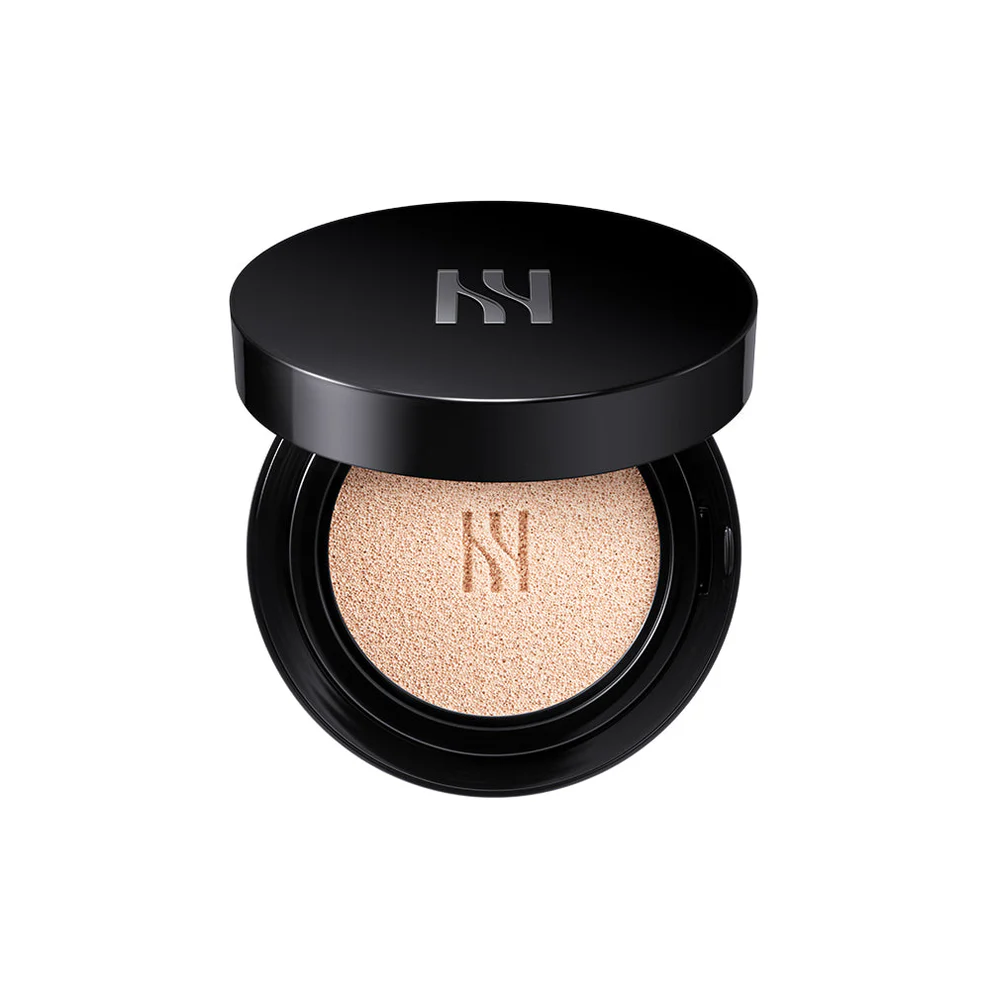
HERA Black Cushion Foundation
If you prefer a cushion format but still want serious wear, this is the one that makes the most sense here. HERA positions it around thin, blurry coverage with 24-hour wear, and it is a good reminder that oily skin does not always need a thick liquid foundation to get longevity.
- Best for: oily skin that likes cushion foundations
- Finish: soft satin to soft matte
- Coverage: medium buildable
- Watch out: shade range is more limited than typical Western liquid lines
How to choose fast
- Strongest overall wear: Estée Lauder Double Wear
- Polished natural-matte: Lancôme Teint Idole Ultra Wear
- Lighter oil-free feel: Clinique Stay-Matte
- Oily + acne-prone friendly direction: bareMinerals BAREPRO Matte Liquid
- Best long-wear cushion option: HERA Black Cushion
What makes it last?
The foundations that last on oily skin usually have a few things in common: they set well, they do not stay overly emollient, and they use film-forming and oil-managing components to create a flexible layer instead of a slippery one. Cosmetic formulation research on long-wear makeup specifically points to sebum resistance as a real design problem, not just a marketing phrase, which is why certain formulas hold up better once oil starts coming through (source).
In real life, that means long-wear foundation usually lasts longer when it is:
- thin enough to set evenly
- not overloaded with greasy skincare underneath
- built with oil-absorbing powders or a matte structure
- applied in light layers instead of one thick mask
Which finish works best?
For oily skin, the safest finish is usually matte or soft matte. True matte gives the strongest shine control, but it can look stricter and less forgiving if your skin is also dehydrated or textured. Soft matte is often the sweet spot because it still controls oil but does not make the face look flat or over-powdered.
Satin and natural finishes can work too, but they need a better formula and better prep. A luminous formula on very oily skin can turn into accidental highlighter by noon. That is why I usually tell people to choose the finish based on how oily they get by midday, not how pretty the bottle sounds.
If you want more texture-friendly everyday options, take a look at best light coverage foundation. If you like more coverage and structure, this is the direction: best full coverage foundation for oily skin.
Does oily skin oxidize foundation?
Yes, it can. Oily skin does not just make foundation shiny. It can also make it look darker or warmer after application. A 2024 paper specifically investigated how sebum affects foundation darkening and confirmed that sebum secretion plays a significant role (source).
So if your foundation looks right at first and then weird 20 minutes later, that is not you imagining things. It is one of the reasons I always say: shade test, wait, then decide. If you need help with undertones and shade mistakes, go here: how to choose foundation shade.
Powder or liquid?
For most oily skin, liquid foundation lasts better as the main base. It forms a more even film and usually gives you better coverage control. Powder foundation is still useful, though, especially if your skin gets shiny fast or you hate the feeling of a heavier base.
The best setup for a lot of oily skin is actually hybrid: a long-wear liquid foundation first, then powder only where you need it. If you want more cushion-style options instead of classic liquid formulas, I would also read best cushion foundation for oily skin.
What ingredients help?
You do not need to memorize ingredient lists, but there are a few formula traits worth watching for:
- Film-formers: help the base set and resist movement
- Silica or absorbent powders: help reduce surface shine
- Oil-free structure: often useful if you get greasy fast
- Noncomedogenic positioning: helpful if you are oily and breakout-prone
- Transfer-resistant or long-wear claims: often a clue the formula was built to set more firmly
These terms matter more than random "glow" or "skin perfecting" language. I would rather see a boring formula description with good wear behavior than a gorgeous campaign for a foundation that melts off my nose.
Is noncomedogenic important?
If your oily skin is also acne-prone, yes, I think it matters. The American Academy of Dermatology says people with acne can wear makeup, but choosing products that do not contribute to acne is important (source).
That does not mean a noncomedogenic label magically guarantees perfect skin. But if you break out easily, I would absolutely lean toward lighter-feeling, pore-conscious formulas. For more on that angle, read best foundation makeup for acne-prone skin.
Which ones keep getting recommended?
When I look through recent editor roundups for oily skin, the same foundations tend to come up over and over again: Estée Lauder Double Wear, Lancôme Teint Idole Ultra Wear, Clinique Stay-Matte, Charlotte Tilbury Airbrush Flawless, Fenty Pro Filt'r, and certain bareMinerals powder or matte formulas (Byrdie) (Marie Claire).
And honestly, that lines up with what I would expect. The foundations that keep showing up in these roundups are usually the ones people reach for when wear time is the priority, not just the first impression. They are not always the most exciting formulas, but they are the ones that have built a reputation for holding up better once oil starts coming through.
That does not mean you need to buy the exact same foundation everyone else is talking about. But when a formula keeps getting recommended by editors, makeup artists, and oily-skinned users, I do pay attention. Usually it means that foundation is doing something right in real-life wear, not just in a fresh application photo.
How should you prep?
Long-wear foundation does not need a 14-step ritual. In fact, oily skin usually does better with a cleaner setup. A lightweight moisturizer if needed, enough time for it to settle, then foundation in thin layers. Too much skincare underneath is one of the fastest ways to make a decent foundation slide around.
If your base keeps failing, the prep issue is often one of these:
- too much moisturizer
- putting foundation onto still-wet skincare
- too much primer
- trying to fix oil with more and more powder without blotting first
A good routine is simple: let skincare settle, apply a thin layer, build only where needed, then set the center of the face strategically. For a detailed walkthrough of every step, see my guide on the best way to apply foundation on oily skin.
Do you need primer and spray?
Not always. A strong foundation can do a lot on its own. But if your makeup breaks apart around the nose, mouth, or inner cheeks, primer can help smooth that area and give the base a better surface. Powder helps most in the T-zone. Setting spray is useful when you want to lock everything together and reduce that too-powdery look at the end.
I would not automatically throw all three at your face every day. Start with foundation plus targeted powder. Add primer or spray only if your wear time actually needs the extra support.
What coverage lasts longest?
Usually medium to full coverage long-wear formulas last the longest because they are built with more structure. But that does not mean you should apply them heavily. Thin layers of a stronger formula almost always wear better than one thick layer of anything.
Light coverage can still work on oily skin, but it generally gives you less room for breakdown before the whole base starts to disappear. That is why a lot of oily-skin people end up preferring buildable medium coverage: enough hold, less heaviness.
Can dewy foundation work?
Yes, but only if your version of oily is not extremely oily, or if the formula is more "natural glow" than straight-up wet shine. Makeup artists quoted in recent oily-skin roundups make the same basic point: oily skin does not have to wear flat matte forever, but the formula and the rest of the routine need to support it (source).
For very oily skin, though, I still think long-lasting matte or soft matte is the smarter place to start. Dewy foundation is one of those things that can look amazing for a couple of hours and then become your villain.
Why does it separate around pores?
Separation usually happens because there is too much product, too much slip underneath, or too much oil rising through the center of the face. The nose and inner cheek area are classic problem zones because that is where texture, pores, movement, and oil all meet. If large pores are a consistent issue, my guide to the best foundation for large pores and oily skin covers formulas that address this specifically.
The fix is not usually "buy a heavier foundation." The fix is usually:
- lighter layers
- better dry-down time
- less emollient prep
- blotting before touch-ups
- powder only where the slip actually happens
Final verdict
If your main priority is pure staying power, I would start with Estée Lauder Double Wear. If you want something a little more refined and skin-like while still being seriously long-wear, Lancôme Teint Idole Ultra Wear is the one I would look at next. If you want a lighter-feeling oily-skin option, Clinique Stay-Matte makes a lot of sense.
And honestly, that is the real point of this whole category: the best long lasting foundation for oily skin is not just the most matte one. It is the one that still looks balanced later, after your skin has done what oily skin always does.
Maddie is here to share beauty knowledge and help you elevate your skincare and makeup routine. Love ya. 💕
FAQ
What is the best long lasting foundation for oily skin?
If your goal is maximum wear time, Estée Lauder Double Wear is still one of the clearest starting points. If you want something more refined-looking, Lancôme Teint Idole Ultra Wear is another strong option.
Is powder foundation better for oily skin?
Powder is excellent for oil control, but liquid foundation usually lasts better as a full base. Most oily skin does best with a long-wear liquid plus targeted powder where shine shows up first.
Why does foundation turn darker on oily skin?
Sebum can change how pigments look on the skin, which is why oily skin can make foundation appear darker or warmer after application. Shade test, wait, then decide.
Do I need primer if I already use a long-wear foundation?
Not necessarily. If your base already holds up well, you can skip it. Primer is most helpful when your foundation slips, separates, or struggles around pores and texture.
Can oily skin wear natural or dewy foundation?
Yes, but soft matte or natural matte is usually easier to manage. Very dewy formulas can look good at first and then get too shiny too fast on very oily skin.
What if I want more affordable options?
Then go read best drugstore foundation for oily skin. There are some genuinely good cheaper foundations now, especially if you apply them well.
Sources
Recent oily-skin editorial roundup references: Byrdie, Marie Claire. Long-wear and sebum-resistance background: PubMed 2017, PubMed 2024. Acne-safe makeup guidance: American Academy of Dermatology.
Product availability checked on: eCosmetics – Estée Lauder Double Wear, eCosmetics – Lancôme Teint Idole Ultra Wear, eCosmetics – Clinique Stay-Matte, eCosmetics – bareMinerals BAREPRO Matte Liquid, Amore Mall – HERA Black Cushion.