
Quick Answer
The best full coverage foundation for oily skin is the one that gives you coverage without chaos: it evens out redness and discoloration, sets properly, and doesn't slide off your face by lunchtime. My general rule is: thin layers, build only where you need it, then set strategically (mostly the T-zone).
If you want more options beyond full coverage, start here: best foundation for oily skin.
Full coverage foundation has a reputation. People hear "full coverage" and think "cakey," "mask," or "photoshop in a bottle." But when you have oily skin, full coverage can actually be a cheat code—because a good formula can give you an even base with fewer layers (which often means less slipping and separating).
In this guide, I'll explain what full coverage foundation is, how it compares to other types, when it makes sense to wear it, what makes a formula actually work on oily skin, and my top 7 recommendations.
First: Confirm Your Skin Type (Because "Oily" Isn't Always Oily)
Quick check: if your skin feels tight but still gets shiny, you might be dehydrated or combination. That matters, because an ultra-dry matte full coverage foundation can cling to texture and make everything look thicker.
If you're unsure, use this quick guide: how to identify your skin type.
What Is Full Coverage Foundation?
Full coverage foundation is a more pigmented base designed to even out your skin tone with fewer passes. It's made to cover things like redness, acne marks, dark spots, and uneven tone without needing a heavy concealer layer everywhere. Most modern formulas are also buildable—meaning you can use a thin layer for everyday, then build up coverage where needed.
Full Coverage vs Medium Coverage vs Sheer Coverage
Here's the simple way I explain it in real life:
- Sheer coverage: evens out a little, mostly for glow/finish and "your skin but better."
- Medium coverage: covers mild redness and softens uneven tone, still looks very skin-like.
- Full coverage: visibly reduces redness, discoloration, and marks with fewer layers (great for events and long days).
Full Coverage vs Concealer
Full coverage foundation is not the same as painting concealer all over your face. A good full coverage base should still look smooth and wearable. My favorite approach is: full coverage foundation in a thin layer, then spot conceal only where you need it.
When Should You Use Full Coverage Foundation?
Full coverage makes sense when you want your base to look more even for longer—especially if oil usually breaks down your makeup. These are the moments it's actually useful:
- Events: weddings, parties, photos, nights out.
- Long days: work + commute + dinner, or anything where you can't redo makeup.
- Uneven tone days: redness, post-acne marks, hyperpigmentation, or when your skin feels "busy."
- When you want to minimize touch-ups: you still might blot, but you're not rebuilding your face at 2pm.
What Makes a Good Full Coverage Foundation for Oily Skin?
The goal is not "the most matte finish." The goal is stability. Oily skin needs a foundation that can set into a film and stay even as oil comes through.
1) It sets (and stays set)
If a foundation never really dries down, it will keep moving. Oily skin tends to break down "creamy" formulas faster. Look for foundations described as long-wear, transfer-resistant, or matte/soft-matte.
2) It's buildable without getting thick
Full coverage should be pigmented, but it still needs to blend thinly. Heavy layers look cakey faster, especially around the nose, smile lines, and chin.
3) It plays well with oil control (without looking dry)
Many oily-skin people actually get texture problems from over-mattifying. If you're oily and you get tightness or dry patches, choose a soft-matte full coverage and set strategically instead of baking everything. For more on how oil-absorbing ingredients work and which formulas balance shine control with comfort, see my oil absorbing foundation makeup guide.
4) The shade match is right (or you'll hate it no matter how good it is)
Oily skin can make some foundations look darker or warmer after a few hours. That's why I always recommend shade-testing and waiting 10–15 minutes before deciding. If you need the undertone shortcut, use: how to choose foundation shade.
My 7 Best Full Coverage Foundations for Oily Skin
These picks cover different "oily skin situations" because not everyone needs the same finish. Some people want ultra-matte. Some want full coverage that still looks like skin.
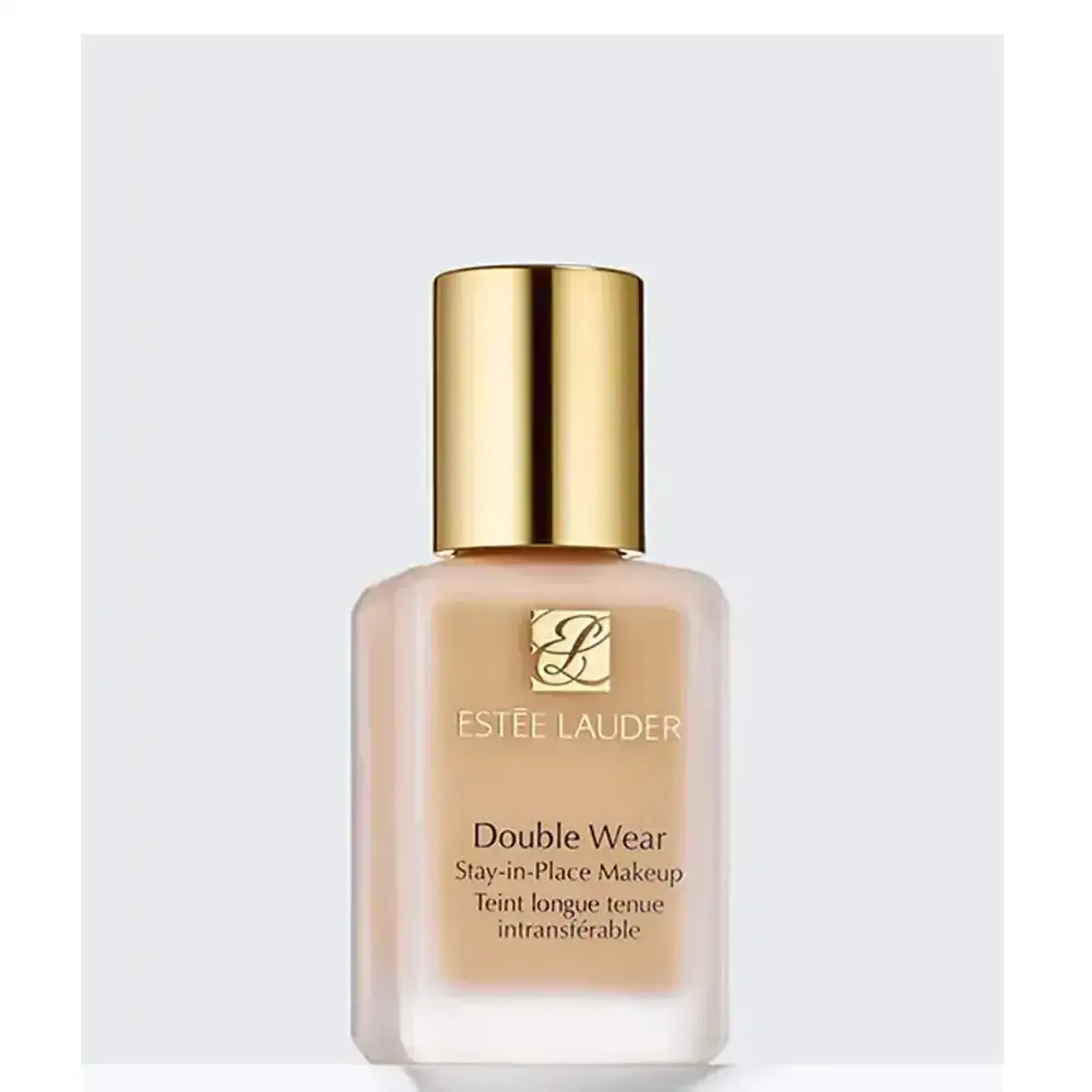
Estée Lauder Double Wear Stay-in-Place Makeup
If you want that "stays-put no matter what" kind of full coverage, Double Wear is the reference point. It sets, it wears evenly, and it's one of the best options for oily skin that usually eats foundation. Use a thin layer and only build in the center of the face where you need the most coverage.
- Best for: Long days, events, oily skin that breaks down makeup fast
- Finish: Matte / natural matte
- Maddie tip: Don't over-powder; set only the T-zone first
Read my full review of Estée Lauder Double Wear
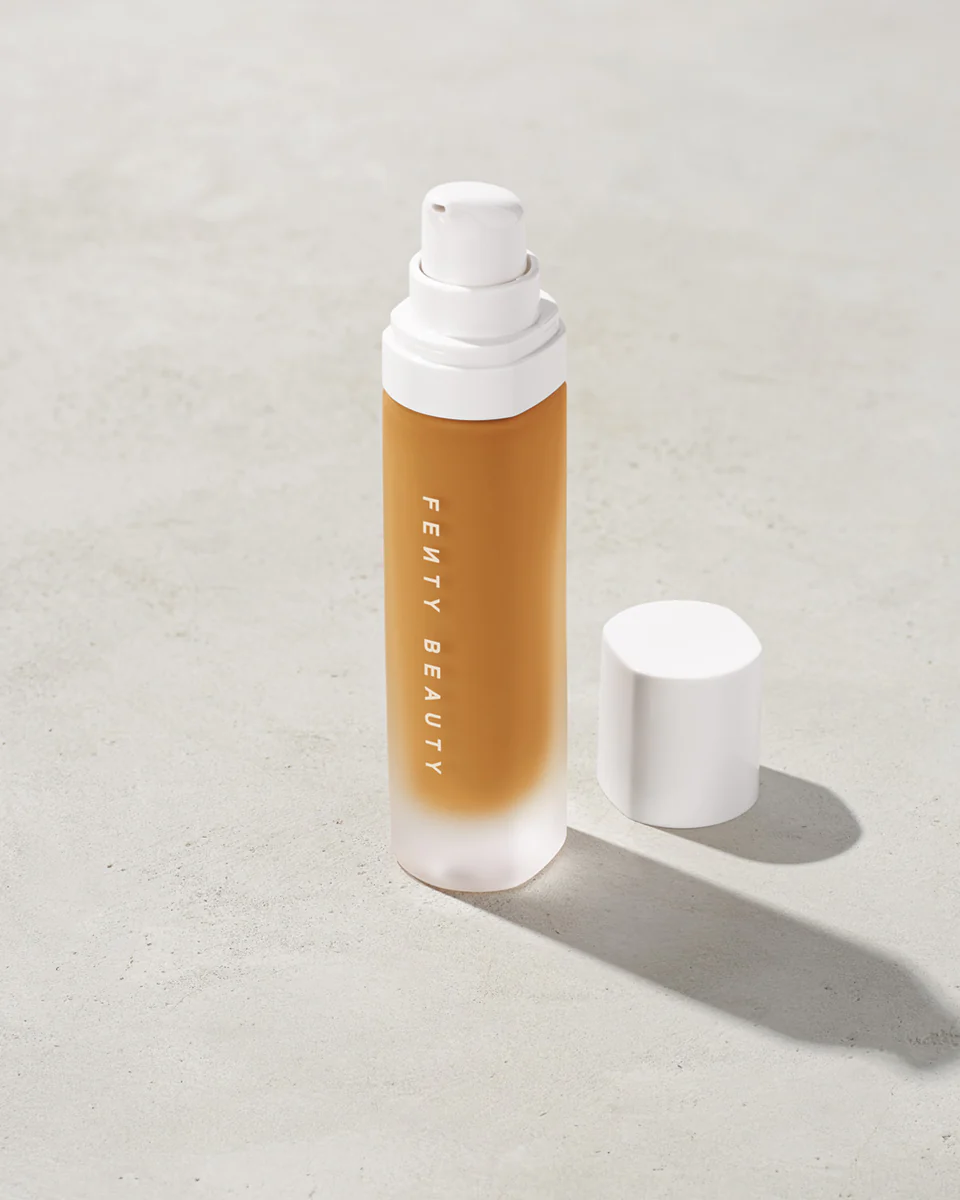
Fenty Beauty Pro Filt'r Soft Matte Longwear Foundation
This is full coverage with that "soft-focus" look—especially good if you want oil control but still want skin to look smooth. It's a strong pick for oily skin that also has visible pores or texture — for more options focused specifically on that combination, see my guide to the best foundation for large pores and oily skin.
- Best for: Oil control + pore-blur finish
- Finish: Soft matte
- Watch out: Prep matters if you have dehydrated areas
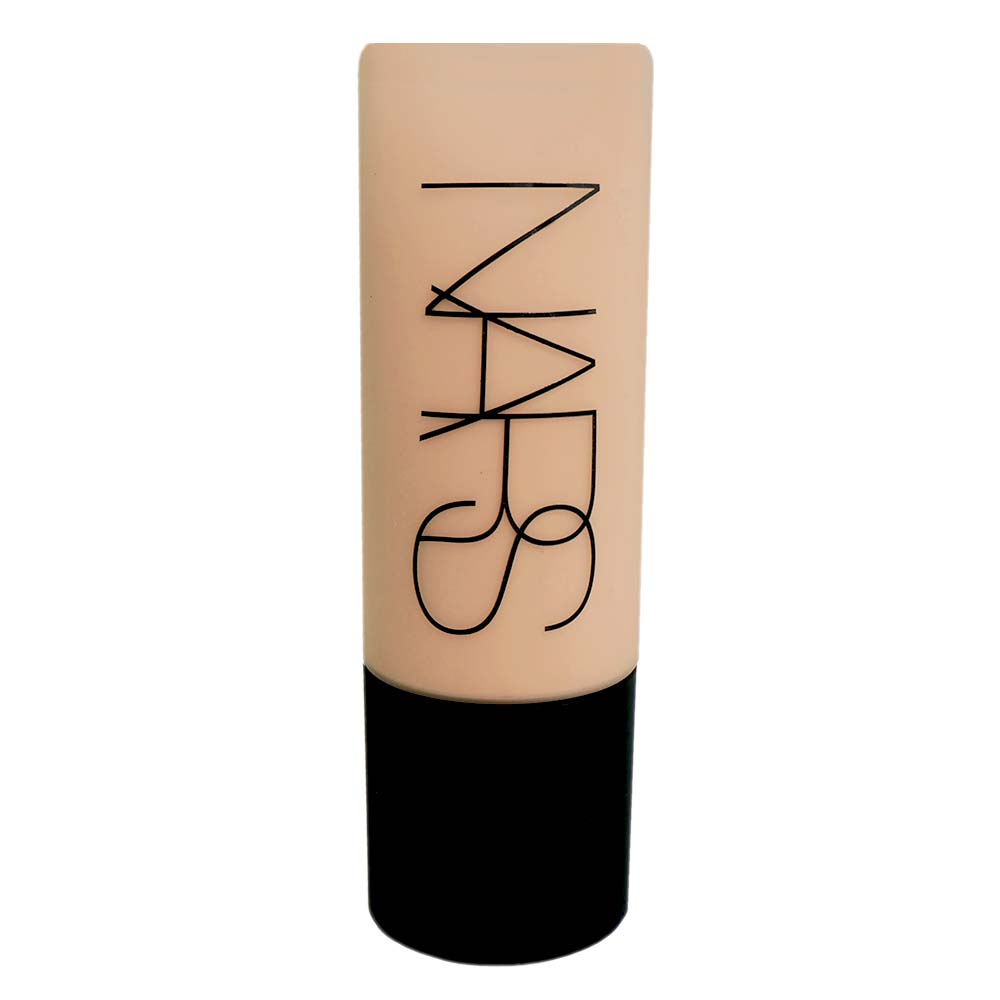
NARS Soft Matte Complete Foundation
A true oily-skin classic if you want coverage that looks polished without turning flat. It's the kind of full coverage that can still look "clean" in photos even when you've been wearing it for hours. For a deeper breakdown of coverage, wear time, and shade range, see my full NARS Soft Matte Complete Foundation review.
- Best for: Full coverage that still looks refined
- Finish: Soft matte
- Maddie tip: Apply thinly with a damp sponge for the most natural finish
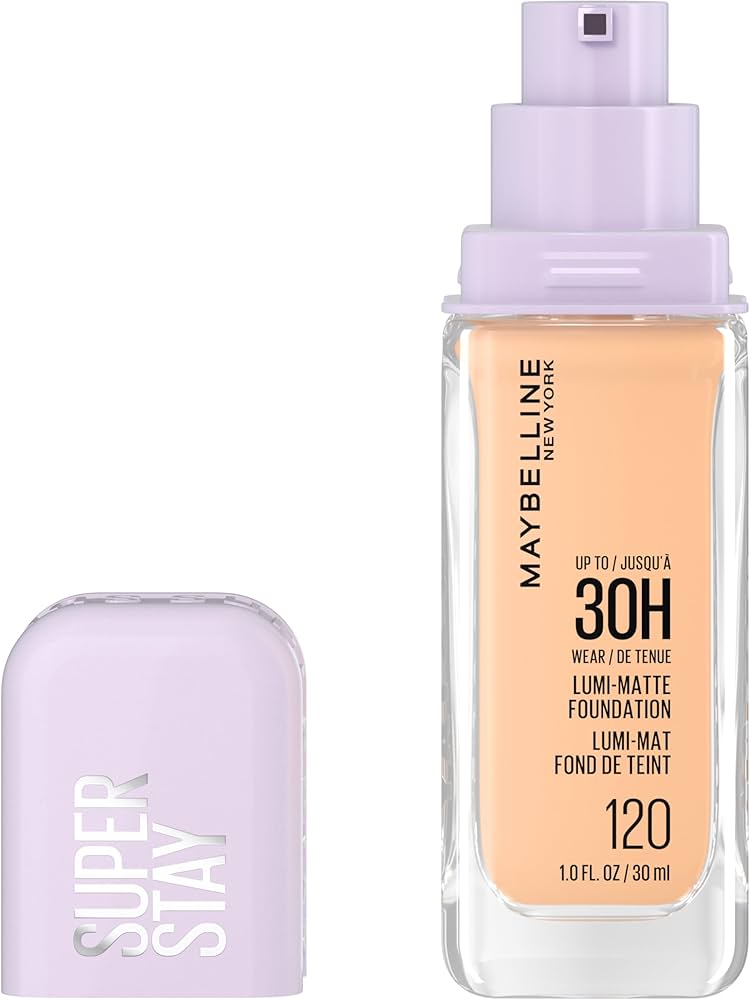
Maybelline Super Stay (Full Coverage Longwear)
If you want drugstore-level pricing with serious coverage, Maybelline Super Stay is one of the most reliable options. It gives a more "done" look than a medium coverage base, but it can still look good if you keep layers thin.
- Best for: Budget long-wear full coverage
- Finish: Matte / natural matte
- Watch out: Build slowly; thick layers can look heavy
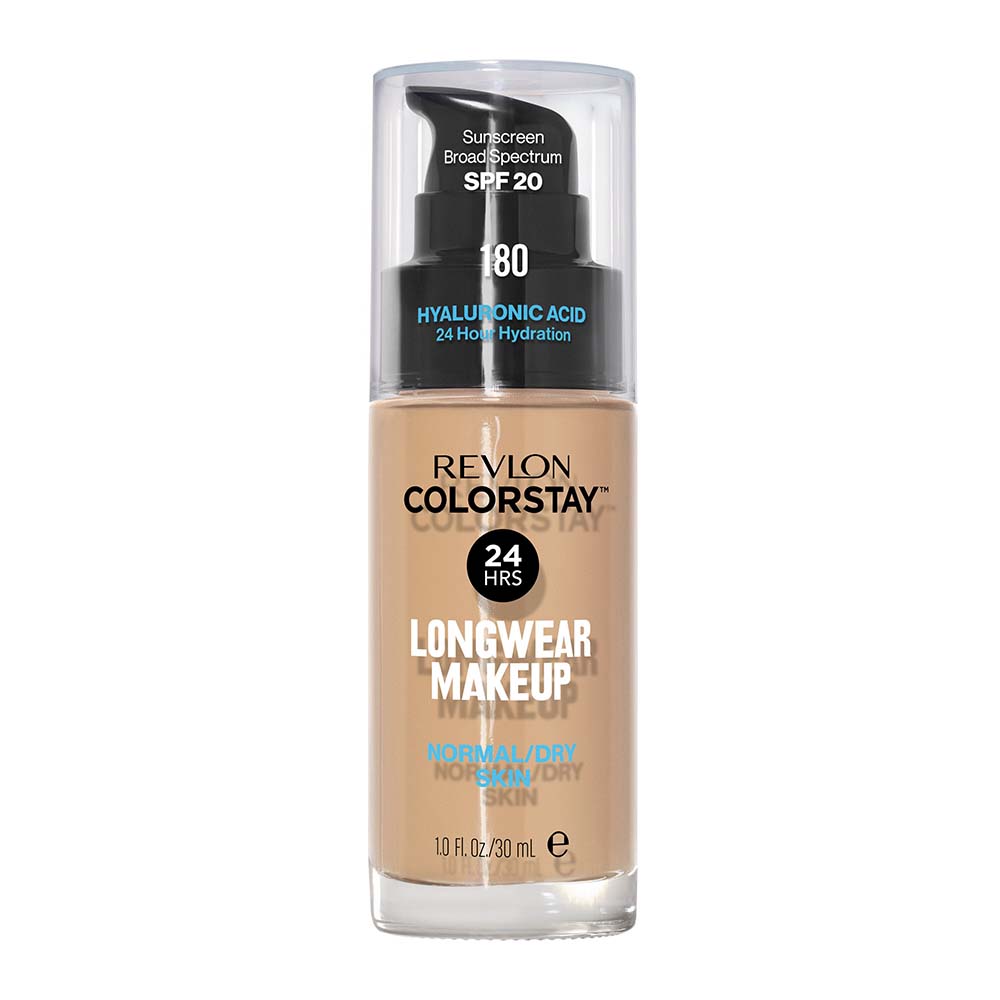
Revlon ColorStay (Combination/Oily)
Old-school, reliable, and still one of the stronger long-wear foundations for oily skin on a budget. It's especially good if you want your base to feel "set" and not slippery.
- Best for: Long-wear matte on a budget
- Finish: Matte
- Watch out: Can feel more "traditional matte" than newer formulas
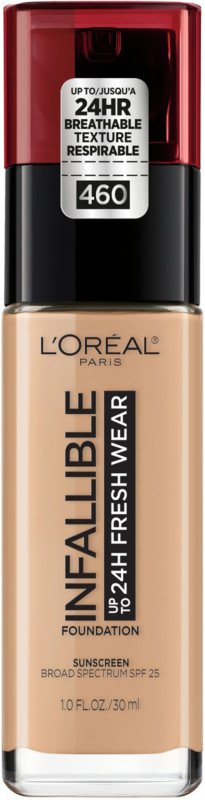
L'Oréal Infallible 24H Fresh Wear (Liquid)
This is the "thin but strong" kind of foundation—great if you hate heavy textures but still want long wear and buildable coverage. It's a good pick for oily skin that wants durability without looking too matte or thick. For a deeper breakdown of coverage, finish, shade range, and how it performs on oily skin, see my full L'Oréal Infallible Fresh Wear foundation review.
- Best for: Long-wear with a lighter feel
- Finish: Natural / soft matte
- Maddie tip: Set the center of the face first, then leave cheeks more natural
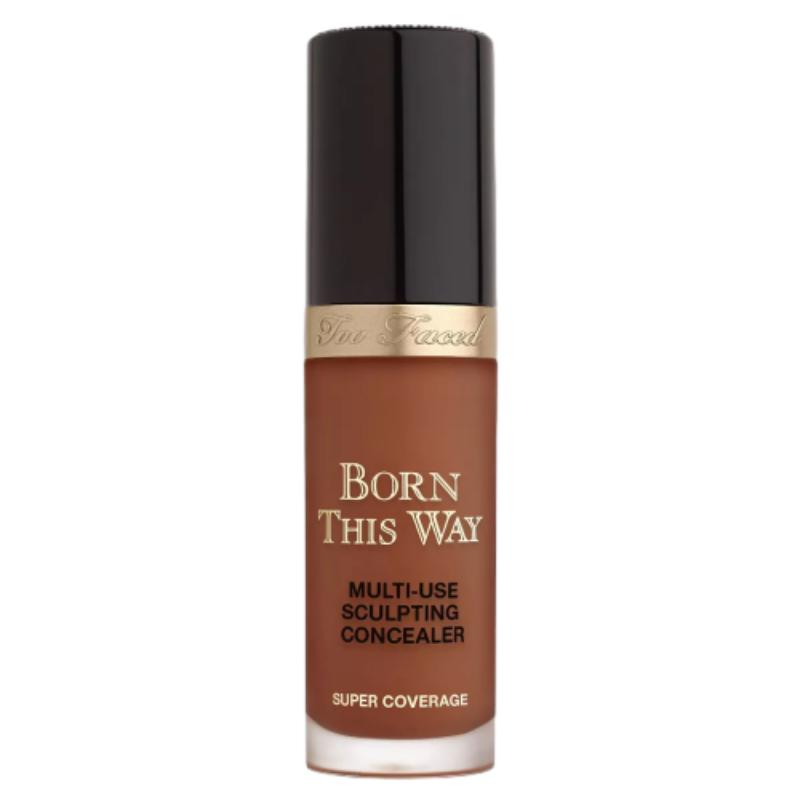
Too Faced Born This Way (Matte / Longwear)
If you want full coverage that still looks a little more "skin" than super flat matte, this is a solid option. It's a good middle ground for oily skin that wants coverage but doesn't want the driest finish possible.
- Best for: Full coverage that looks more natural
- Finish: Matte-natural
- Watch out: Use less powder on cheeks if you're texture-prone
My Fast Picks (If You Don't Want to Think)
- Most reliable all-day full coverage: Estée Lauder Double Wear
- Best soft-matte full coverage (pores/texture): Fenty Pro Filt'r Soft Matte
- Best budget full coverage: Maybelline Super Stay
How to Apply Full Coverage Foundation on Oily Skin (So It Doesn't Look Cakey)
The #1 mistake I see with full coverage is using too much product. Full coverage is pigmented—so you can use less and still get the result. For a more detailed breakdown of technique, tools, and touch-ups, see my guide on the best way to apply foundation on oily skin.
My no-drama routine
- Prep: Keep skincare light. Let it settle before makeup.
- Apply thin: Start in the center of the face and blend outward.
- Build only where needed: Redness zones, around the nose, and any marks.
- Set strategically: Press powder into the T-zone first. Don't blanket-powder your whole face unless you truly need it.
- Touch up correctly: Blot oil first, then add a small amount of powder. Never stack powder on top of shine.
Full Coverage Options If You Prefer a Different Format
If you love the convenience of compacts and reapplication, you might prefer cushions on some days. I've got a full breakdown here: best cushion foundation for oily skin.
Full Coverage If You're Acne-Prone
You can absolutely wear full coverage with acne-prone skin, but the technique matters. Keep layers thin, spot conceal, and don't suffocate the skin with heavy reapplication. If you want acne-specific picks and what to avoid, read: best foundation makeup for acne-prone skin.
Drugstore Alternatives (If You Want the Best Value)
If your priority is performance per dollar, go here next: best drugstore foundation for oily skin. Drugstore is honestly strong right now, and some formulas wear just as well as high-end.
Final Verdict
The best full coverage foundation for oily skin isn't the one that looks perfect for 10 minutes—it's the one that still looks even after hours of oil, heat, friction, and real life. Keep your layers thin, set where you actually get oily, and don't let "full coverage" trick you into using more product than you need.
Maddie is here to share beauty knowledge and help you elevate your skincare and makeup routine. Love ya. 💕
FAQ
What is a full coverage foundation?
A fuller pigment foundation that's designed to even out skin tone and cover redness, marks, and discoloration with fewer layers. Most full coverage formulas are buildable, so you can wear them lighter or more opaque depending on application.
Is full coverage foundation good for oily skin?
Yes—if it's long-wear and sets properly. Oily skin usually does best with thin layers that dry down, plus strategic powder in the T-zone.
How do I stop full coverage foundation from looking cakey?
Use less product, apply in thin layers, and build only where needed. Let it dry down before powder, and blot oil before touching up.
Do I need primer with full coverage foundation?
Not always. Primer helps most if your foundation breaks down around the nose/mouth or if you want extra blur. If your foundation already wears well, you can skip it.
Why does foundation oxidize more on oily skin?
As oil comes through, pigment can look darker or warmer. Shade-test and wait 10–15 minutes before deciding, and set the center of the face earlier if oxidation is common for you.
Should I buy full coverage foundation or medium coverage?
If you want a more even base with fewer layers (especially for events), go full coverage. For everyday "skin but better," medium coverage is usually easier. If you want a mix of finishes and budgets, browse: best foundation for oily skin.