Quick Answer
If you want the best mattifying primer for oily skin, start with a formula that does three things at once: controls shine, softens the look of pores, and helps foundation stay even instead of separating by midday. For most people, the sweet spot is a lightweight pore-blurring matte primer, not the driest formula you can find. The best one is the one that keeps your base stable for hours without making your skin look flat, tight, or weirdly chalky.
Quick Picks
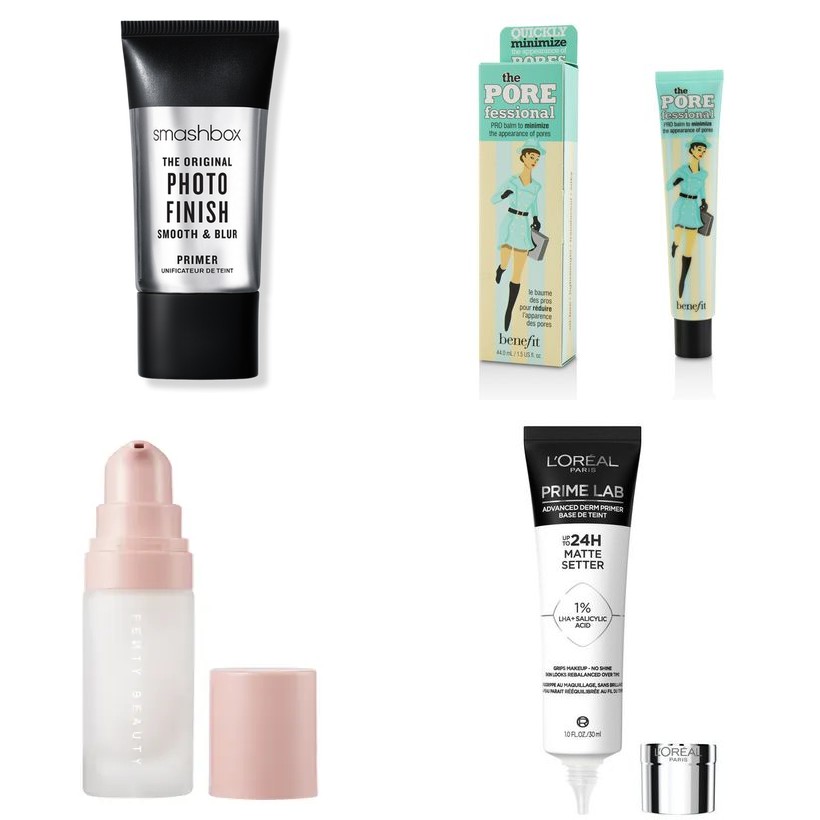
- Best overall: Smashbox Photo Finish Control Mattifying Primer — Check price
- Best for large pores: Benefit POREfessional Matte Primer — Check price
- Best lightweight matte option: Fenty Beauty Pro Filt'r Mattifying Primer — Check price
- Best budget-friendly pick: L'Oréal Prime Lab Up To 24h Matte Setter — Check price
Oily skin is not hard to work with, but it is very honest. If a primer is too slippery, your makeup will move. If it is too dry, your foundation will cling in the wrong places and still go shiny later. If it is too heavy, everything starts feeling thick by lunchtime.
That is why I do not judge primers by how matte they look in the first ten minutes. I care about what happens after real life gets involved: heat, humidity, forehead shine, nose breakdown, phone friction, sunscreen underneath, and foundation on top. This guide is for that version of makeup. The one that has to survive your actual face.
I am also going to keep this practical. We will go through what the best mattifying primer for oily skin really looks like, how to choose between textures, and which formulas make the most sense for pores, acne-prone skin, full-glam days, and no-makeup makeup.
What is the best mattifying primer for oily skin?
Right now, the best mattifying primers for oily skin fall into three useful groups. The first group is classic pore-blurring silicone primers. These are the ones that smooth texture and help foundation glide over visible pores. The second group is oil-control matte primers, which feel a bit more focused on shine management and lasting power in the T-zone. The third group is gripping gel primers, which are not always the mattest but can help base makeup stay put.
For most oily skin, I think the best all-round choice is a soft-focus matte primer that blurs texture without feeling like wall filler. That is the category that tends to wear best under long-lasting foundation. It keeps the center of the face more controlled, helps with makeup separation, and still lets skin look like skin. I would put a true blur-and-matte primer ahead of a sticky grip primer if your main problem is shine and pores. If you want a lightweight K-beauty option in this category, see my CLIO Wake Up Primer Blur review — it delivers that soft-focus blur effect without the heavier feel of traditional silicone primers.
If your biggest complaint is that foundation starts dissolving around the nose, pore-blurring mattifying primers for oily skin are usually more helpful than trendy gripping formulas. Grip is great, but it is not the same thing as oil control.
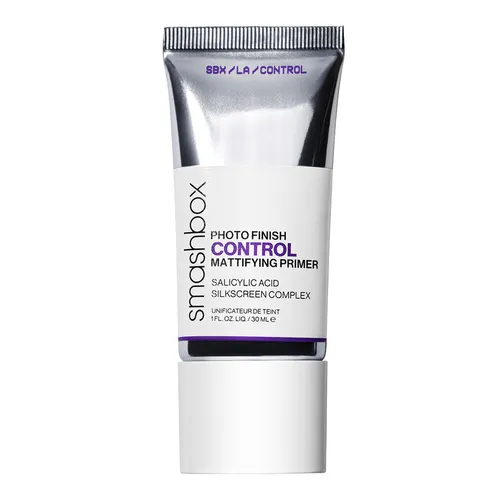
Smashbox Photo Finish Control Mattifying Primer
If your skin gets shiny fast, this is one of the most reliable oil-control primers. It keeps the center of the face matte longer and gives foundation a more stable base.
- Best for: strong oil control
- Finish: matte
- Texture: silicone gel
- Watch out: apply lightly or it can feel heavy
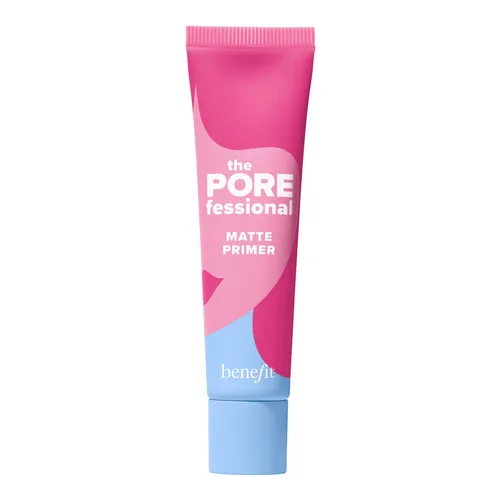
Benefit POREfessional Matte Primer
This is one of the easiest pore-blurring primers to use. It smooths texture quickly and gives foundation a softer, more even surface. Benefit has other primers in the POREfessional line as well. Read for example my full Benefit The POREfessional Face Primer review.
- Best for: large pores
- Finish: soft matte
- Texture: smoothing balm
- Watch out: use mainly in the T-zone
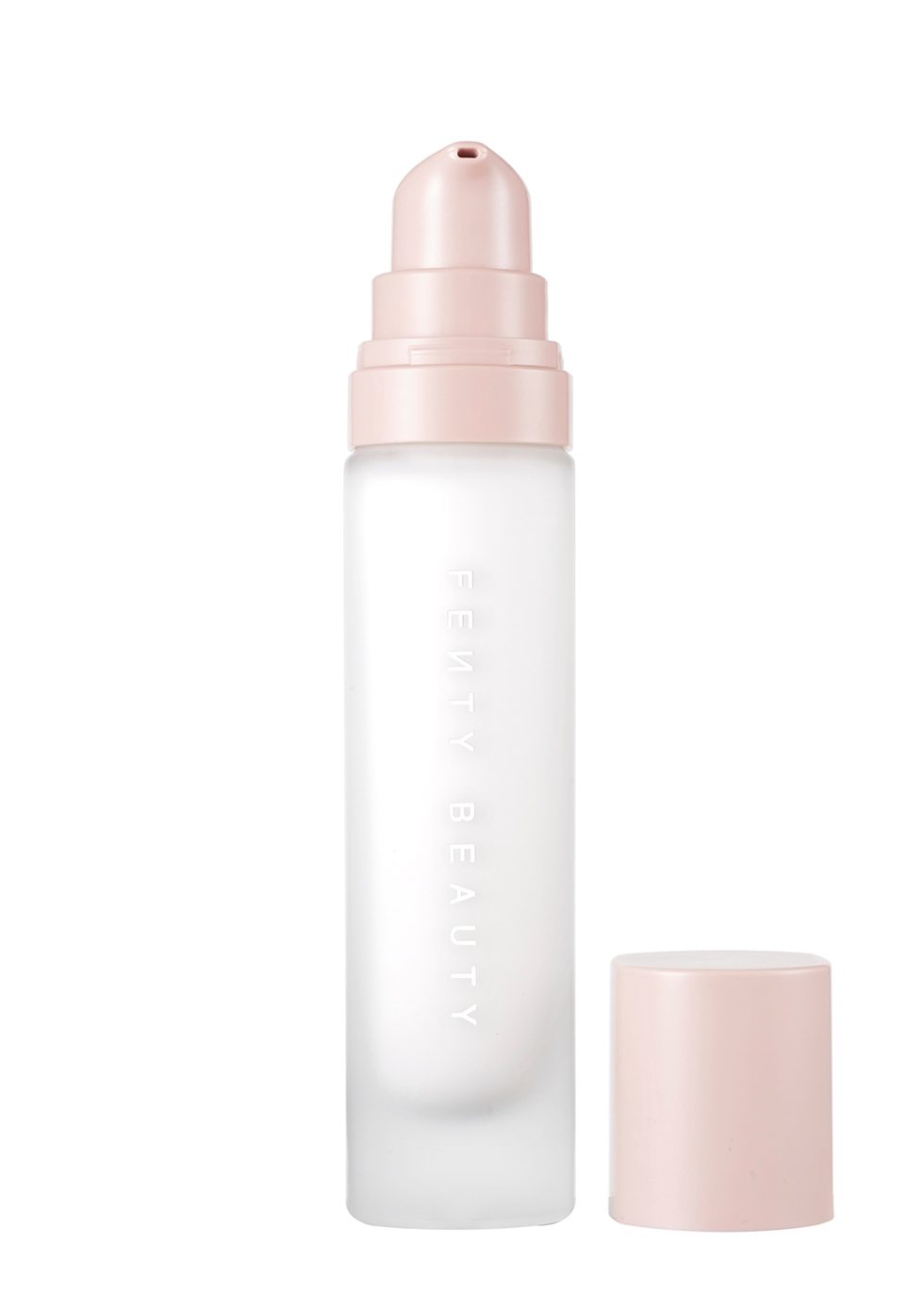
Fenty Beauty Pro Filt'r Mattifying Primer
This is a strong replacement if you want a true mattifying primer for oily skin that still feels lightweight. It is designed to cut shine and give more of that smooth soft-focus finish that works well under long-wear foundation.
- Best for: shine control + longer wear
- Finish: matte
- Texture: lightweight gel-cream
- Watch out: better for oil control than for very sticky grip
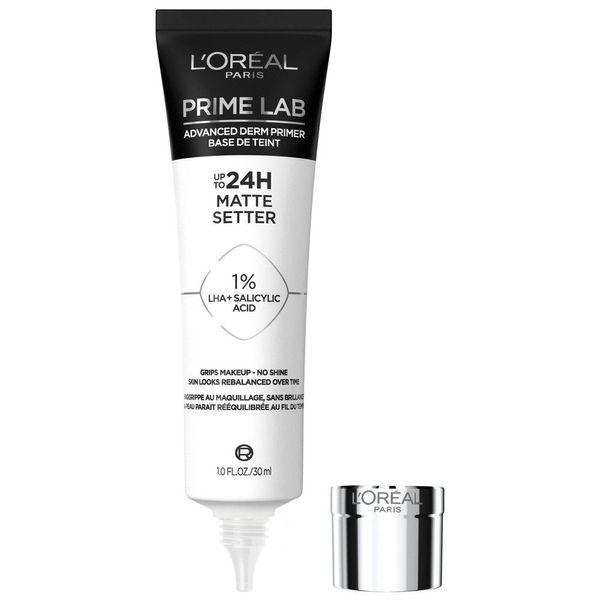
L'Oréal Prime Lab Up To 24h Matte Setter
This is the practical, easy-to-recommend option. It is built around a smooth matte base, pore-blurring effect, and longer foundation wear, so it makes sense if you want something straightforward that supports oily skin without feeling too old-school.
- Best for: pores + everyday matte wear
- Finish: velvety matte
- Texture: silky primer cream
- Watch out: the tone-correcting tint may not be necessary if you prefer a fully transparent primer
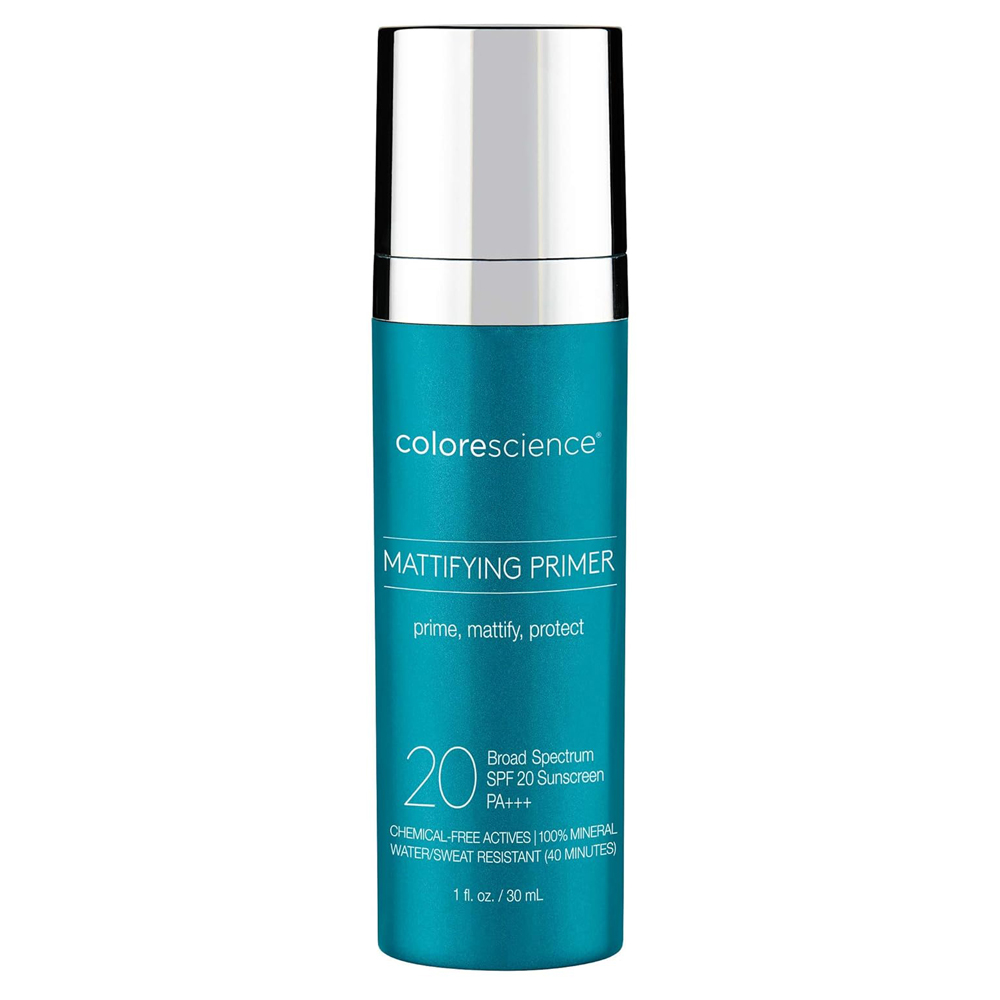
Colorescience Mattifying Perfector 3-in-1 Face Primer SPF 20
This is the most skincare-leaning option of the three. It is still a real mattifying primer, but it also focuses on smoothing pores and balancing oily skin, so it is interesting if you want something a bit more refined than a basic oil-control base.
- Best for: pores + smoother makeup texture
- Finish: matte
- Texture: lightweight whipped cream
- Watch out: includes SPF 20, so it should not replace a dedicated sunscreen layer
Which primer works best in heat?
If you have very oily skin in humidity, you need a different strategy than someone who just gets a little shiny in the afternoon. In hot weather, the main goal is not to prime every inch of your face into submission. It is to reinforce the areas that always collapse first: sides of the nose, center of the forehead, around the mouth, and sometimes the chin.
In this situation, I prefer a more targeted, truly mattifying primer over an all-over smoothing base. A good best primer for very oily skin in humidity pick should feel thin, dry down cleanly, and keep foundation from floating around once oil starts pushing through. If it stays creamy for too long, I already know I am going to have problems later.
Also, this is where people overdo it. They panic and apply too much primer. That usually backfires. A thin, pressed-in layer in the oily zones works better than a thick layer everywhere. You are building structure, not frosting a cake.
What ingredients should you look for?
You do not need to become an ingredient detective, but a few categories really matter when choosing a mattifying primer for oily skin.
- Silicones like dimethicone help smooth texture, blur pores, and give makeup a more even surface.
- Oil-absorbing powders like silica help reduce visible shine and soften that greasy look that can show up in the T-zone.
- Film-formers help makeup stay attached to the skin longer instead of sliding around once oil comes through.
- Salicylic acid or zinc can be useful in some oil-control primers, especially if you are breakout-prone and like a fresher, less coated feel.
- Light hydrators matter more than people expect, because oily skin still wears makeup better when it is balanced instead of stripped.
What I usually avoid for very oily skin is an overly rich primer that tries to be skincare, glow booster, and base prep all at the same time. That kind of formula can be lovely on normal or dry skin, but if you get shiny fast, it often turns your foundation into a negotiation.
Silicone or water based?
This question gets treated like there is one universal answer, but there really is not. If you are asking whether silicone or water based primer for oily skin is better, the honest answer is: choose based on what you need your primer to fix.
Silicone-based primers are usually better for visible pores, texture, and that rough little nose area where foundation likes to break apart. They give more slip, more blur, and more polish. If your makeup looks uneven by noon, silicone often helps.
Water-based or gel-based primers can feel lighter and fresher, which some oily or acne-prone users really like. They make more sense if you hate the feel of classic silicone primers or if your makeup routine leans sheer and skin-like. The downside is that some of them are better at grip than actual shine control.
My practical rule is simple. If your main problems are pores and separation, go more silicone. If your main problem is heaviness and you wear lighter makeup, a gel texture may feel nicer. For a primer for oily skin and large pores, silicone tends to win more often.
Can primer help with pores?
Yes, absolutely, but it helps cosmetically, not permanently. A primer cannot shrink your pores for real. What it can do is make them look less obvious by creating a smoother surface and reducing how much oil catches the light.
This is why a best pore minimizing primer for oily skin pick is usually one that combines blur with a matte finish. If it only blurs but stays too emollient, shine will still exaggerate texture later. If it only mattifies but does not soften the skin surface, foundation can still catch around the edges of pores and look patchy up close.
The best pore primers for oily skin are the ones that make your foundation look calmer. Less noisy. Less broken up around the nose. Less like your base is clinging to every tiny texture point it can find.
Are mattifying primers okay for acne-prone skin?
Usually yes, but formula choice matters. Acne-prone skin does not always hate primers. What it hates more often is heavy buildup, aggressive rubbing, and wearing too many layers that trap sweat and oil together.
If you are looking for the best primer for oily acne-prone skin, I would lean toward a lightweight matte or soft-blur formula rather than a super thick balm texture. You want enough smoothing to help foundation sit better, but not so much coating that the whole base starts feeling congested by midday.
I also think acne-prone users do better when they stop chasing a totally poreless finish. That goal makes people pile on more product than they need. A cleaner, thinner application almost always looks better and feels better.
Why does oily skin still need hydration?
Because oily does not automatically mean balanced. A lot of oily skin is also dehydrated, especially if you use strong cleansers, exfoliate aggressively, or live in a hot climate and keep trying to scrub shine away.
When your skin feels tight underneath but shiny on top, makeup often goes wrong in a very specific way. It gets oily and flaky at the same time. That is one of my least favorite oily-skin makeup situations because people keep adding powder, which usually makes it worse.
Before primer, use a light moisturizer or hydrating layer that sinks in properly. Not a greasy cream, not a thick glass-skin situation, just enough so your skin is not thirsty underneath the makeup. Oily skin usually wears primer and foundation better when it is lightly hydrated first.
How do you apply primer properly?
This is where a lot of good primers get blamed for bad results. Application matters more than people think.
- Let skincare settle first. If your moisturizer or sunscreen is still moving around, wait.
- Use less primer than you think. A pea-size amount is usually enough for the center of the face.
- Press it in where you get oily instead of massaging it around endlessly.
- Give it a short dry-down time before foundation.
- Apply foundation in thin layers instead of one heavy coat.
That last part matters a lot if you care about longevity. Pair these foundations with a mattifying primer for oily skin if you want maximum longevity, especially on days when you know your makeup has to survive heat, errands, or a very long workday.
If you are still deciding whether you even need that extra step, read is makeup primer necessary. Some people truly do not. But if your base breaks down in the same spots every day, primer is usually worth it.
Can primer reduce oil production?
Not really. Primer does not reprogram your skin. It does not stop sebaceous glands from doing their thing. What it can do is absorb some oil, hide some shine, and make makeup wear more evenly for longer.
So when a primer "controls oil," what that usually means in real life is that it helps you look less shiny and less broken up for a few extra hours. That is still useful. It is just not the same as changing your skin type.
Think of primer as surface management. Good surface management can make a huge difference, especially if your foundation is long-wearing but still needs a little help staying clean around the T-zone.
Which type works for each look?
Different makeup moods need different primers. This is the easiest way I break it down.
- Visible pores: choose a smoothing, blur-focused silicone primer.
- No-makeup days: choose a lightweight soft-matte primer or use a tiny amount only in the T-zone.
- Full-glam long wear: choose a true oil-control matte primer and keep the application targeted.
- Light base or skin tint: choose something lighter so the face still moves naturally.
- Sticky foundation routines: a grip primer can help, but oily skin often still needs some mattifying support.
If you are comparing sticky formulas specifically, the difference between glue-style primers and classic mattifying formulas becomes pretty obvious in wear. For that kind of comparison, see e.l.f. Power Grip vs NYX Face Glue and my NYX Face Glue Gripping Primer review.
What are the best mattifying primers for oily skin?
If your makeup fades or separates too quickly, the right primer can make a noticeable difference. The best mattifying primer for oily skin helps control shine, smooth texture, and create a more stable surface for foundation.
I care less about how matte a primer looks in the first ten minutes and more about what happens six hours later. The products below are the ones that tend to keep foundation looking the most even through heat, oil breakthrough, and real daily wear.
What about gripping primers?
Gripping primers have their place, but I would not call them the automatic answer for oily skin. If your foundation already has decent wear and you mostly need help with adhesion, they can work. But if your main issue is shine and pores, a true mattifying primer usually does more.
This is also why I do not love treating rich prep creams as universal primer recommendations for oily skin. Something like Bobbi Brown Vitamin Enriched Face Base can work beautifully for some routines, but I would not treat that type of base as the first answer for someone who gets oily fast and wants makeup to last in humidity.
What is my actual recommendation?
If you want the simplest possible answer, here it is. For most oily skin, go for a soft-focus mattifying primer that smooths pores and controls shine without feeling too thick. Use it mainly in the T-zone, not as a face mask. Then pair it with a long-wear foundation that already has some structure of its own.
That combination works better than trying to force a dewy base to behave like a matte one. It also works better than overpowdering your face and hoping for the best.
The best primer is not the one that makes you look the driest. It is the one that makes your makeup stay calm. That is the difference.
FAQ
What is the best primer for oily skin?
The best primer for oily skin is usually a lightweight mattifying primer that blurs pores and helps foundation wear more evenly. If your makeup separates around the nose or forehead, go for a pore-blur formula rather than a rich glow primer.
Which mattifying primer is best for large pores?
A silicone-leaning blur primer is usually the best choice for large pores because it helps soften texture and makes foundation apply more evenly. Look for formulas that matte and blur at the same time, not just one or the other.
Is silicone-based primer bad for oily skin?
No. Silicone-based primer can actually work very well for oily skin, especially if you have visible pores or foundation separation. The key is using a thin layer and choosing a formula that does not feel overly greasy or heavy.
Can acne-prone skin use mattifying primer?
Yes, as long as the formula feels lightweight and you are not over-layering your routine. Many acne-prone users do well with a small amount of matte primer only where it is needed most.
Why does my primer pill under foundation?
Usually because you layered too quickly, used too much product, or combined textures that do not sit well together. Let skincare settle first, apply less primer, and use thinner foundation layers.
Do I still need powder if I use primer?
Often yes, but you usually need less. Primer helps with surface control and longevity, while powder helps lock down the areas that get shiny fastest.
Maddie is here to share beauty knowledge and help you elevate your skincare and makeup routine. Love ya. 💕