Quick Answer
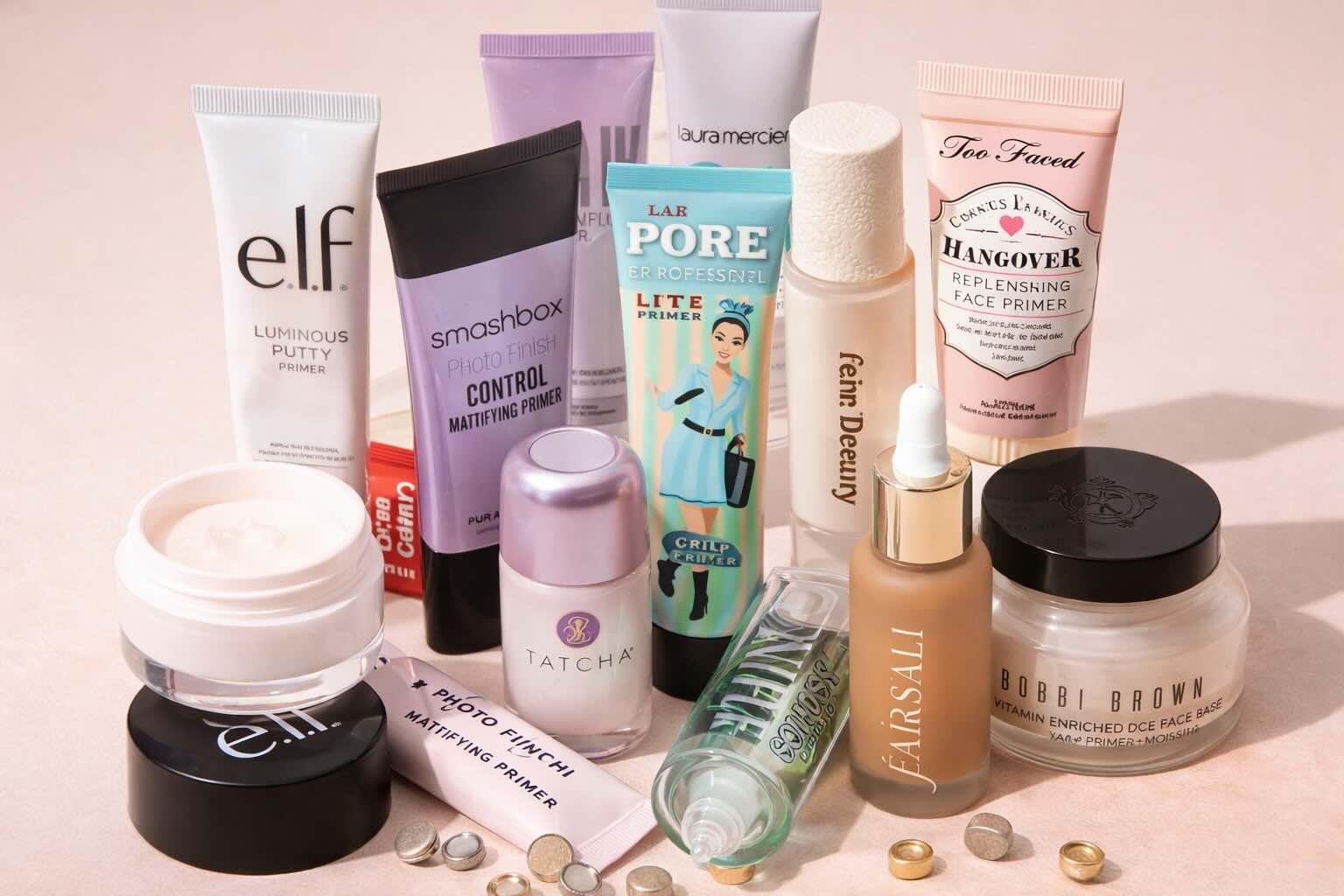
Is makeup primer necessary? Not for everyone. Primer is an optional but highly beneficial step if your foundation separates, gets oily fast, emphasizes pores, or you need longer wear. If your skincare routine already gives you smooth skin and your makeup lasts well, you can usually skip it.
- Finish skincare: cleanse, moisturizer, sunscreen
- Use a pea-sized amount of face primer (target the T zone and nose)
- Wait 30–60 seconds for primer to set
- Apply foundation + concealer in thin layers and blend
I get this question a lot during my work: is makeup primer necessary or is it just another thing beauty people try to sell you? The honest answer is simple: primer is not an essential step for everyone. It's a tool. You use it when it solves a specific problem.
If your base looks smooth and stays on, you don't need a primer. If your makeup breaks apart on your nose, turns greasy in the T zone, or sinks into large pores, then primer can make everything look more even and last longer.
What Makeup Primer Actually Does
A makeup primer is the first makeup product you apply after your skincare routine. Think of it as "surface prep." It helps create a smooth canvas so your foundation and concealer sit better and wear longer.
- Helps makeup blend more smoothly
- Can blur the look of pores and fine lines
- Can control oil and reduce shine
- Can add moisture so makeup doesn't cling to dry patches or show wrinkles
- Can even out tone with color-correcting primers
Primer isn't magic. It's problem-solving.
A professional makeup artist doesn't wear primer because it's "required." Makeup artists use primer because they know exactly what they want: smooth texture, fewer pores showing, less oil, or longer wear.
When You Actually Need a Primer (And When You Don't)
The easiest way to know if you need a primer is to look at your makeup at hour 3–4. Where does it break? Where does it separate? Where does it crease?
You'll benefit from primer if:
- You have oily skin and your base turns shiny fast
- Your foundation separates around the nose or T zone
- You have enlarged pores and want a smoother look
- Your skin has texture and makeup clings or looks patchy
- You want makeup to wear longer (events, humidity, long days)
You can usually skip primer if:
- Your skincare routine already makes your skin smooth and comfortable
- You wear light to medium coverage and don't mind natural fading
- You're trying to reduce product buildup (too many layers = pilling)
Types of Face Primer (Pick by Skin Type + Goal)
Silicone Based Primer (pore-filling, smoothing)
A silicone based primer sits more on top of the skin, creating a soft barrier that can help "fill in" the look of large pores and fine lines. It's the classic "blur" effect.
- Best for: enlarged pores, texture, smoothing
- Where to use: nose, inner cheeks, areas with visible pores
- Watch out: too much can cause product to pill (less is more)
Mattifying Primers (oil control, longer wear)
Mattifying primers help absorb excess sebum and keep your base from turning greasy. If your foundation breaks apart from oil, this is usually the category to try first. For detailed product recommendations and comparisons, see my best mattifying primer for oily skin guide. If you want a lighter option that blurs pores alongside some oil control, my CLIO Wake Up Primer Blur review covers a good example of that softer, hybrid approach.
- Best for: oily skin, T zone shine, long wear
- Where to use: forehead, nose, chin, anywhere you get oily
Hydrating Primers (smooth dry patches, comfortable base)
Hydrating primers help prevent foundation from clinging to dryness, texture, or accentuating wrinkles. They're ideal when your makeup looks "tight," patchy, or too matte.
- Best for: dry/dehydrated skin, makeup catching on texture
- Where to use: cheeks, under-eye area (lightly), any dry zones
Color-Correcting Primers (tone fixing without piling on coverage)
Color-correcting primers can help even out complexion before foundation:
- Green: neutralizes redness
- Purple or yellow: brightens dullness
- Peach: helps balance the look of dark spots
Skincare-infused primers
Some primers are infused with skincare ingredients like green tea extract (often used for a soothing/antioxidant vibe), plus hydrators for moisture. These can feel nicer on the skin, but they still function as makeup products.
Water-Based Foundations vs Silicone Based Primer (Do They Clash?)
People love to say you must "match bases" perfectly. In real life, it's simpler: if your makeup is pilling or separating, your layers are fighting.
Water based foundations often work best with lightweight primers and thin layers. A heavy silicone-based primer can still work, but only if you use a small amount, let it set, and don't stack ten products underneath.
How to Apply Primer So It Actually Works
Most primer fails are application fails. Here's how makeup artists do it when they want it to look like skin:
Finish Your Skincare Routine
- Cleanse
- Moisturizer
- Sunscreen (always)
Let everything settle for 1–2 minutes. If you rush, your base can break or pill.
For oily skin, choose a sunscreen that sets to a matte finish rather than staying tacky. A smooth, set sunscreen creates a better base for primer and foundation. I use the ANESSA Perfect UV Sunscreen Mild Milk SPF50+ PA++++, which feels lightweight and sits nicely under makeup without adding shine.
Use a Pea-Sized Amount (Target Zones Only)
Use a pea-sized amount. Press it into the areas where you need it most: nose, T zone, and areas with pores or texture.
If you apply primer like moisturizer across your whole face, you'll usually get product buildup and weird texture.
Wait for It to Set
Wait 30–60 seconds. Primer should feel set, not wet. That "wait" step is what keeps foundation smooth.
Foundation + Concealer in Thin Layers
Apply foundation, then concealer where needed. Keep layers thin so everything blends and wears better. Finish with blush and the rest of your makeup routine.
Common Primer Mistakes (That Make Your Makeup Worse)
- Using too much primer: it can cause pilling, slipping, and texture.
- Not letting skincare set: sunscreen + primer + foundation can break if you stack too fast.
- Priming the entire face: most people only need primer where they get oily or have large pores.
- Trying to "fix" everything with primer: sometimes the real fix is moisturizer, sunscreen, or a different foundation.
Quick troubleshooting
- Pilling: use less product, wait longer, reduce layers.
- Sliding: switch to mattifying primers on oily zones.
- Patchy: add moisture and use a hydrating primer or lighter base.
- Pores still obvious: press a silicone-based primer into the pore area (don't rub).
Does Primer Cause Breakouts?
Some people get breakouts from certain makeup products. That doesn't mean primer is "bad," but it does mean you should pick based on your skin and remove it properly.
- If you're acne-prone, patch test and avoid heavy fragrance.
- Cleanse thoroughly at night so product buildup doesn't sit on the skin.
- If your skin barrier feels irritated, choose lighter formulas or go primer-free.
Can Skincare Replace Primer?
Sometimes, yes. A good skincare routine with moisturizer and sunscreen can do most of what primer does for everyday wear: comfort, smoother texture, and better blending.
Primer becomes useful when you want a more "perfect" finish: blurred pores, oil control, or long wear without your base breaking apart. Primer is just one piece. For the full skincare prep picture, see the full oily skin routine here.
Maddie's Final Answer
Is makeup primer necessary? No. It's not an essential step for everyone. But if you have oily skin, large pores, texture, or you want your makeup to wear longer, primer is one of the easiest upgrades you can make. For a complete routine including primer, foundation, and setting spray, check out my makeup for oily skin guide.
Pick a primer based on your skin type and your goal, use a small amount, and let it set before foundation. That's how you get the benefit without the mess.
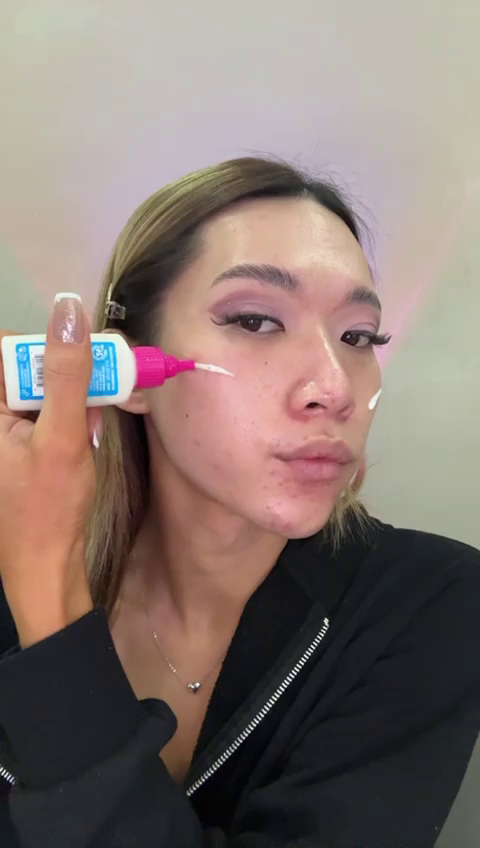
For what it's worth, the primer I currently use and love is NYX The Face Glue Gripping Primer. It works well for my oily skin in humidity and keeps my base from sliding.
Maddie is here to share beauty knowledge and help you elevate your skincare and makeup routine. Love ya. 💕
Frequently Asked Questions
Is makeup primer necessary for everyday makeup?
Not always. If your skincare routine makes your skin smooth and your makeup wears well, you can skip primer for everyday looks. Primer is most helpful when you need oil control, pore blurring, or extra-long wear.
Which primer is best for oily skin and the T zone?
Mattifying primers are best for oily skin. Focus application on the T zone (forehead, nose, chin) so you control oil without drying the whole face. For a detailed breakdown of the top primers specifically tested for oily skin, see my guide on what primer is best for oily skin.
Which primer is best for large pores?
A pore-blurring, often silicone based primer, can smooth the look of enlarged pores and texture. Press it into pore areas (don't rub), especially around the nose. For detailed comparisons and product recommendations, see my best face primer for large pores guide.
Should I use primer with water based foundations?
You can, but keep layers thin. Many water based foundations work best with lightweight primer and enough dry-down time between skincare, primer, and foundation.
What do color-correcting primers do?
They even out tone before foundation. Green can reduce redness, purple or yellow can brighten dullness, and peach can help balance the look of dark spots.
Can primer cause breakouts?
It can for some people, depending on the formula and how well you remove makeup. If you're acne-prone, patch test and make sure you cleanse thoroughly at night.
How much primer should I use?
Start with a pea-sized amount. Most people only need primer on the nose, inner cheeks, and T zone. Too much primer causes product buildup and can make makeup separate.
Do hydrating primers help with wrinkles?
They can help makeup look smoother by adding moisture so foundation doesn't cling to dryness and fine lines. The goal is a softer finish, not "erasing" texture.