Quick Answer
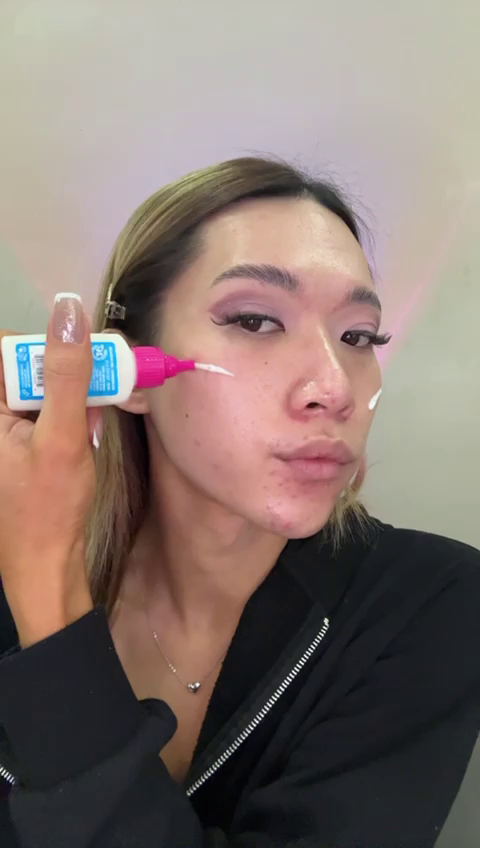
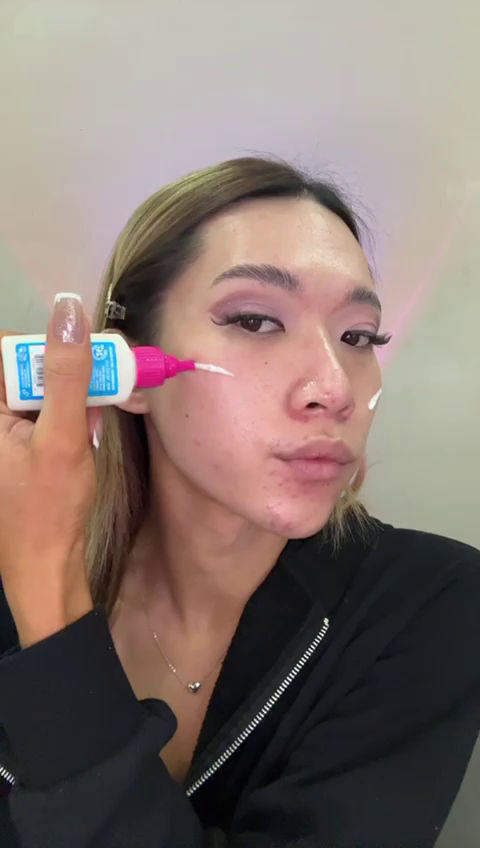
If you're searching what primer is best for oily skin, here's the honest answer: choose a primer that prevents sliding and separation, not just shine. My personal #1 pick is NYX The Face Glue Gripping Primer.
For the full routine, read: makeup for oily skin.
Quick Picks
- Best overall (grip + wear): NYX The Face Glue Gripping Primer
- Best for events + long days: e.l.f. Power Grip Primer
- Best for large pores + texture: Milk Makeup Pore Eclipse
- Best silicone blurring primer: Smashbox Photo Finish Smooth & Blur
- Best lightweight matte: HERA Airy Powder Primer
- Best for oily + dehydrated skin: hince Second Skin Hydrating Primer
- Best full matte control: Fenty Beauty Pro Filt'r Mattifying Primer
- Best lightweight blur primer for oily skin: CLIO Wake Up Primer Blur
I have oily skin. The kind that makes a perfect base look "interesting" by 1PM. So I've tested mattifying primers, pore fillers, hydrating primers, sticky grip primers — and some of them are great… and some of them just make things worse.
Below is my Top 8 best primers for oily skin, ranked by how well they actually perform in real life. After that, I'll explain how to choose and apply them properly. If your main concern is texture and pores rather than just oil control, a blur-focused primer like CLIO Wake Up Primer Blur can make a noticeable difference.
What is makeup primer?
Makeup primer is a lightweight base product that you apply after skincare and before foundation. It acts as a buffer layer between your skin and your makeup.
Think of it as a prep step that helps foundation apply more evenly and look smoother. Depending on the formula, a primer can feel gripping, blurring, mattifying, or lightly hydrating. It does not replace skincare. It simply helps your base behave better.
If you're not sure whether you even need one, I break that down in detail here: Is makeup primer necessary?
What is the function of primer?
The function of primer is to improve how your makeup wears.
For oily skin specifically, that usually means:
- Reducing foundation slip
- Preventing separation around the nose and mouth
- Softening the look of pores
- Helping foundation wear more evenly throughout the day
Primer does not stop oil production. Nothing topical truly turns off oil. What it does is create a surface that makes foundation more stable as oil comes through.
If you want to see how primer fits into a full oily-skin routine, start here: makeup for oily skin
What Oily Skin Actually Needs From a Primer
When people ask what primer is best for oily skin, they usually think the answer is “the most mattifying one.” But oily skin doesn’t just struggle with shine. The real issues show up in how makeup behaves throughout the day.
Oily skin problems usually look like this:
- Foundation sliding around — especially on the forehead and nose
- Separation around the nose and mouth where oil breaks down product first
- Excess shine by midday even if you started matte
- Pores looking larger over time as oil comes through
The biggest misconception is thinking primer should “stop oil.” Nothing topical truly switches off oil production. What primer can do is make your foundation more stable as oil naturally comes through.
That means oily skin actually needs:
- Adhesion — so foundation doesn’t move or break apart
- Controlled oil absorption — not aggressive drying
- Lightweight texture — heavy layers melt faster
- Targeted smoothing — especially around pores
A primer that only mattifies but doesn’t improve grip can still let foundation slide. A primer that only grips but is too thick can look heavy. The best primer for oily skin reduces movement and improves wear — not just shine.
Once you identify whether your main problem is sliding, texture, or extreme oil, choosing the right type of primer becomes much easier.
Is makeup primer necessary?
Short answer: no, not always.
If your foundation already wears well, doesn’t slide, and doesn’t separate, you can skip primer entirely.
Primer becomes helpful when:
- Your makeup melts or moves quickly
- Foundation separates around pores
- You want a smoother finish without using a thicker layer of foundation
I personally use primer when I know I’ll be out all day or wearing long-wear foundation. On low-key days, I sometimes skip it.
If you want the full breakdown of when primer actually makes a difference, read this: Is makeup primer necessary?
Quick Comparison: Top 8 Primers for Oily Skin
Top 8 Best Primers for Oily Skin
Not all oily skin behaves the same. Some of us struggle with foundation sliding. Others deal with enlarged pores, extreme shine, or that tight-but-oily feeling. These are my top picks based on real wear — how makeup looks after 4–6 hours, not just immediately after application.
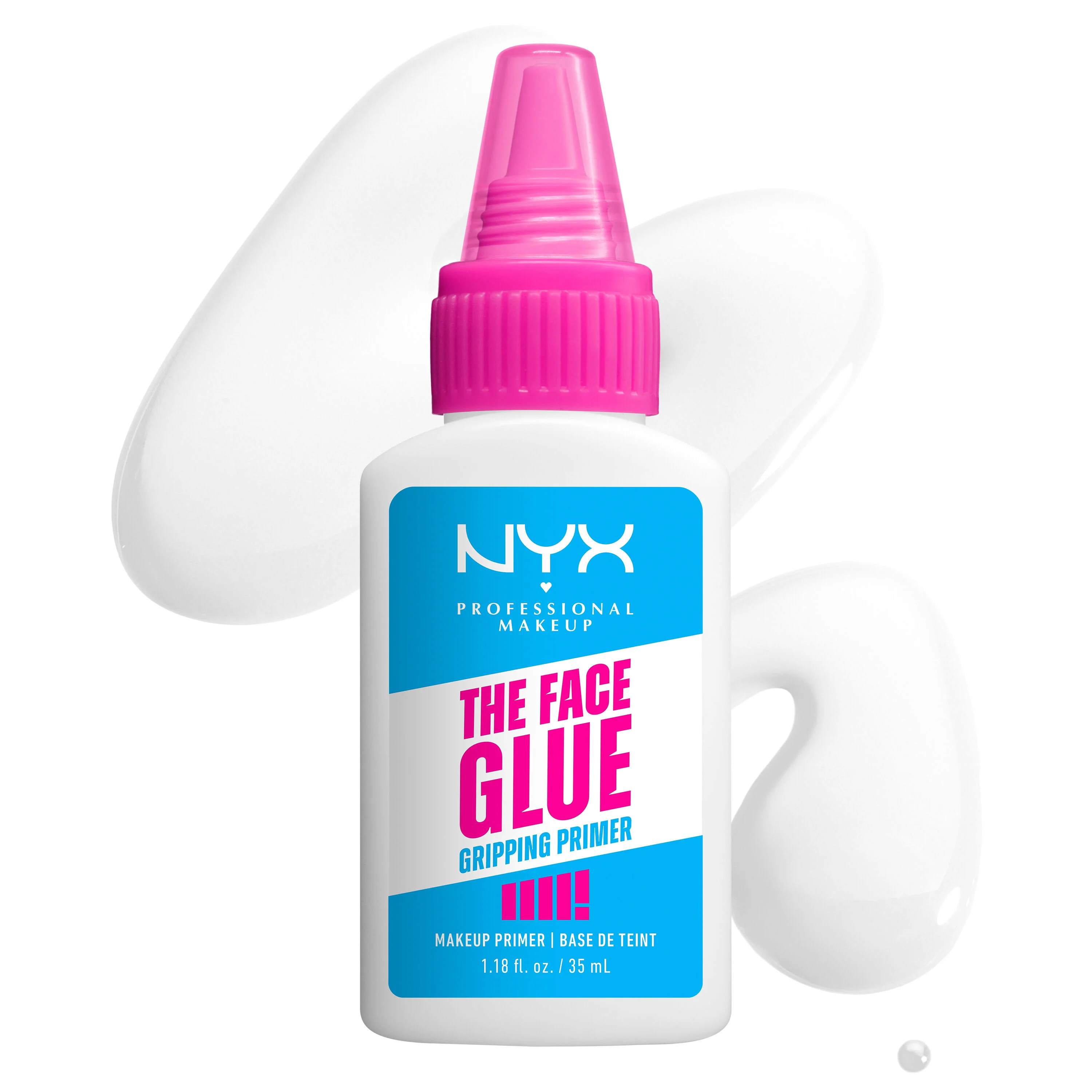
NYX The Face Glue Gripping Primer
My absolute favorite. This is a gripping primer that improves adhesion between your skin and foundation. It reduces sliding and separation around the nose and mouth — the two oily danger zones.
- Best for: Oily skin that melts makeup fast
- What it does well: Improves wear time, prevents foundation breakdown, works under matte or satin bases
- Watch out: Use a thin layer. Too much grip + heavy foundation can pill
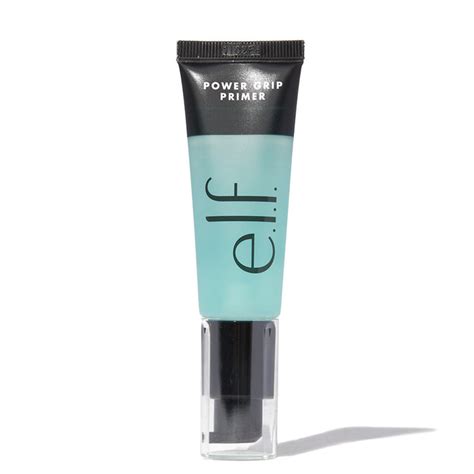
e.l.f. Power Grip Primer
A stronger gripping primer with a thicker gel texture. It creates serious hold under long-wear foundation.
- Best for: Full glam or events where longevity matters
- What it does well: Intense grip, affordable, great for long days
- Watch out: Can feel heavier if layered too thick
Milk Makeup Pore Eclipse Mattifying + Blurring Primer
A matte + blur hybrid. This one smooths visible pores while helping reduce shine. It feels lightweight but gives noticeable soft-focus smoothing.
- Best for: Texture-focused oily skin
- What it does well: Pore softening, light oil control, smooth base
- Watch out: Less grip than NYX or e.l.f.
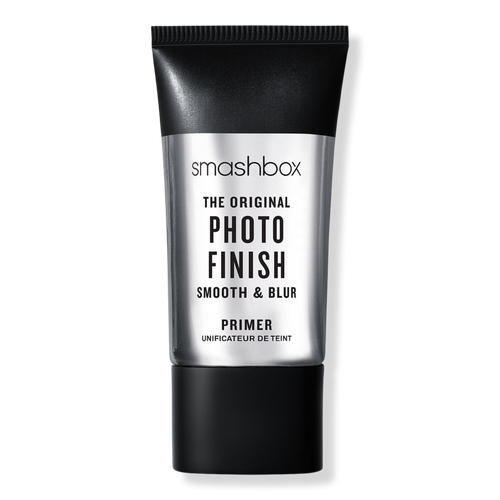
Smashbox Photo Finish Smooth & Blur (Oil-Free)
A classic silicone smoothing primer that creates an ultra-even canvas. Foundation glides on beautifully over this. For a deeper breakdown of texture, pore blurring, oily skin performance, and how it compares with gripping or mattifying primers, see my full Smashbox The Original Photo Finish Smooth & Blur Primer review.
- Best for: Enlarged pores and uneven texture
- What it does well: Instant smoothing, soft-focus finish
- Watch out: Not strong oil control
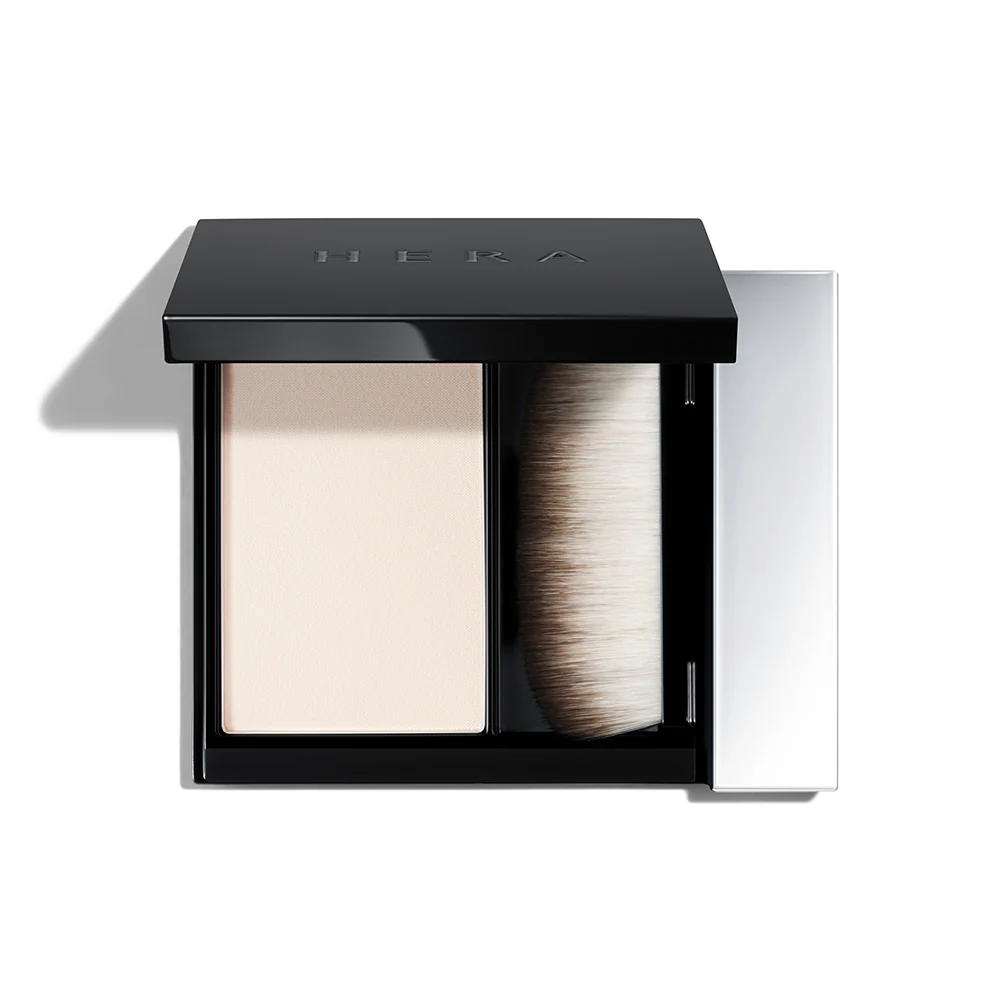
HERA Airy Powder Primer
Feels like a thin powder veil on the skin. It gives refined shine control without heaviness.
- Best for: Oily T-zone that dislikes thick layers
- What it does well: Lightweight matte effect, breathable feel
- Watch out: Not a gripping primer
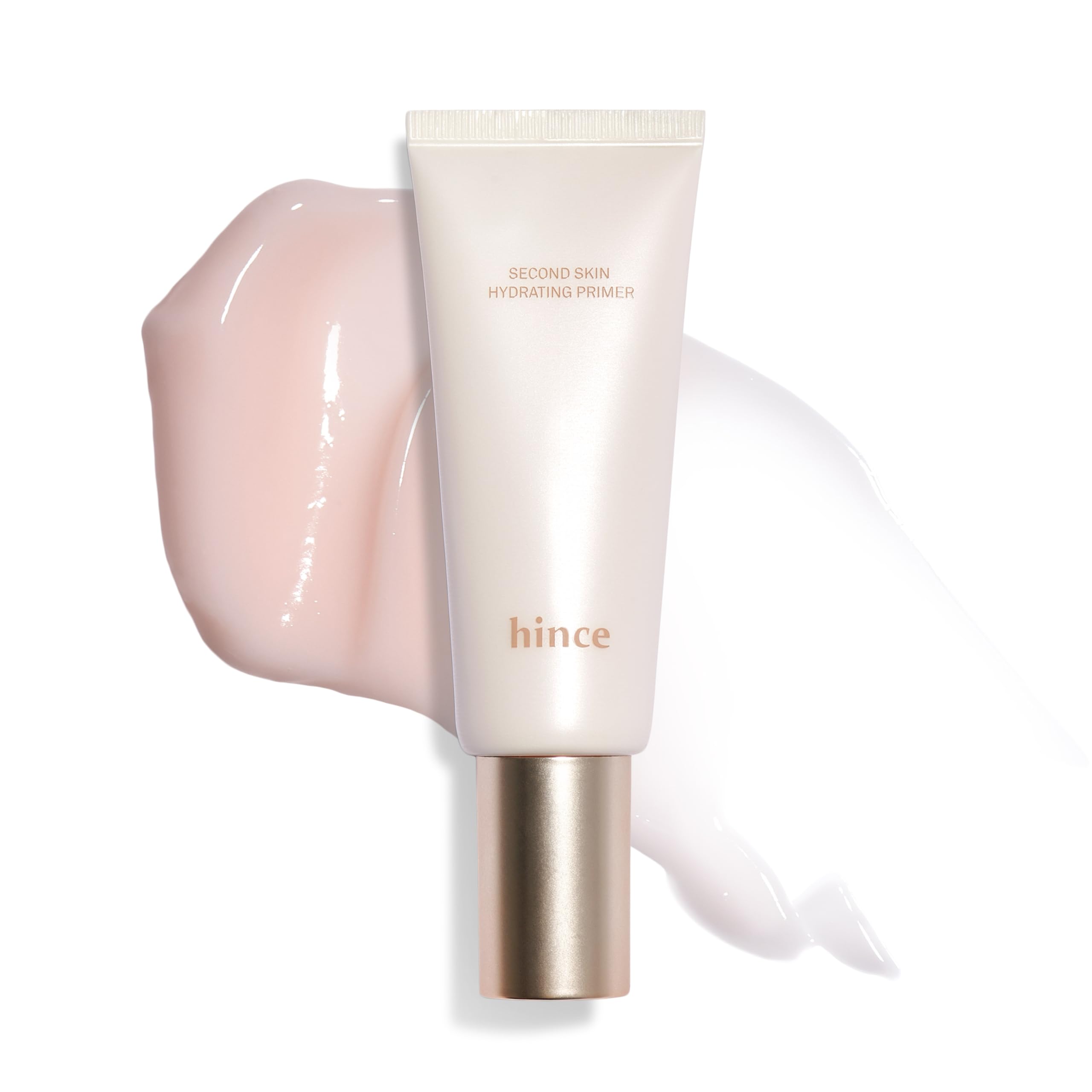
hince Second Skin Hydrating Primer
Hydrating and smoothing without looking greasy. Ideal for dehydrated-oily skin that reacts badly to strong mattifiers.
- Best for: Oily skin that also feels tight
- What it does well: Prevents tightness and texture emphasis
- Watch out: Not strong oil control
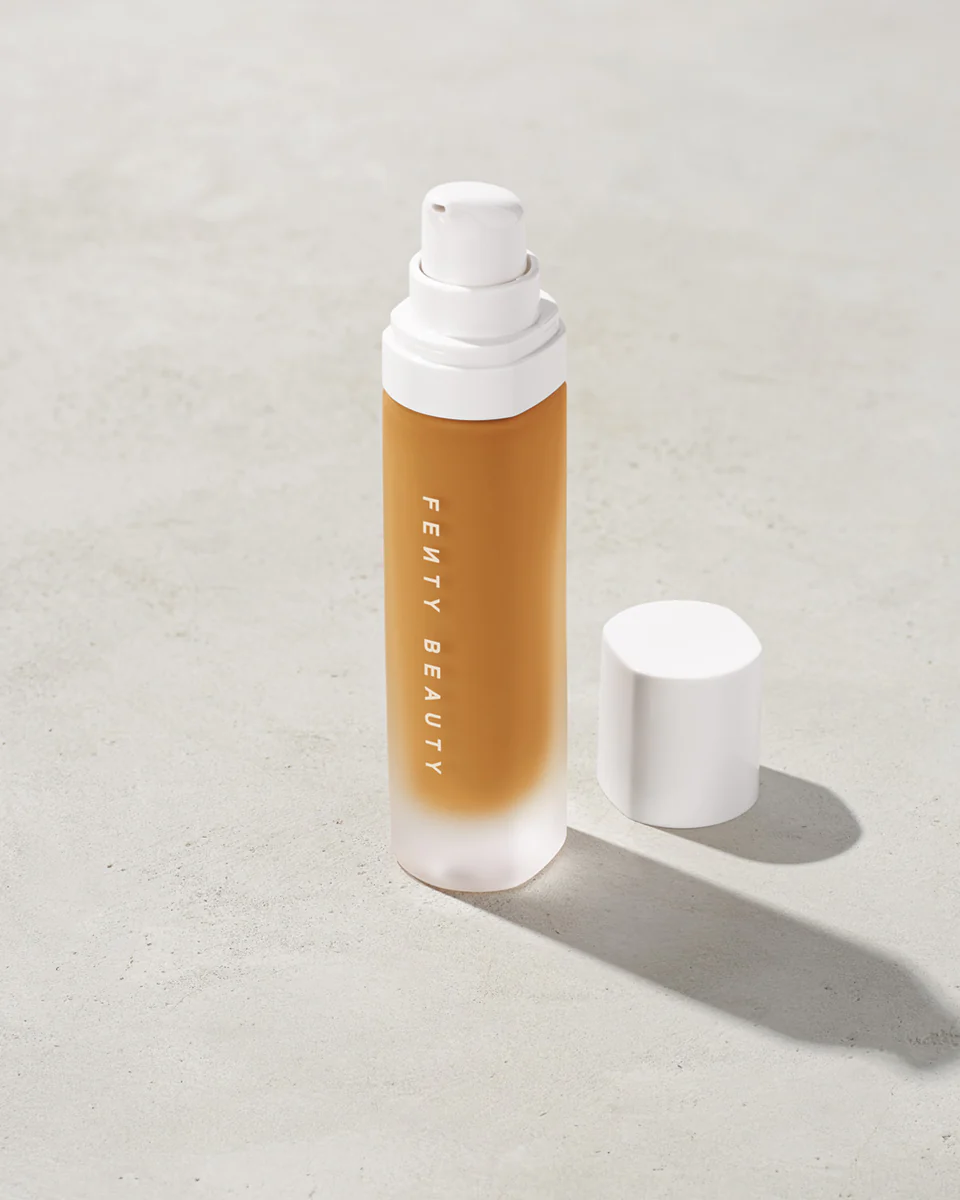
Fenty Beauty Pro Filt'r Mattifying Primer
A stronger matte primer that focuses on oil control. It creates a controlled, traditional matte base.
- Best for: Very oily skin and full matte glam looks
- What it does well: Visible shine reduction, pairs well with matte foundation
- Watch out: Can emphasize texture if overapplied
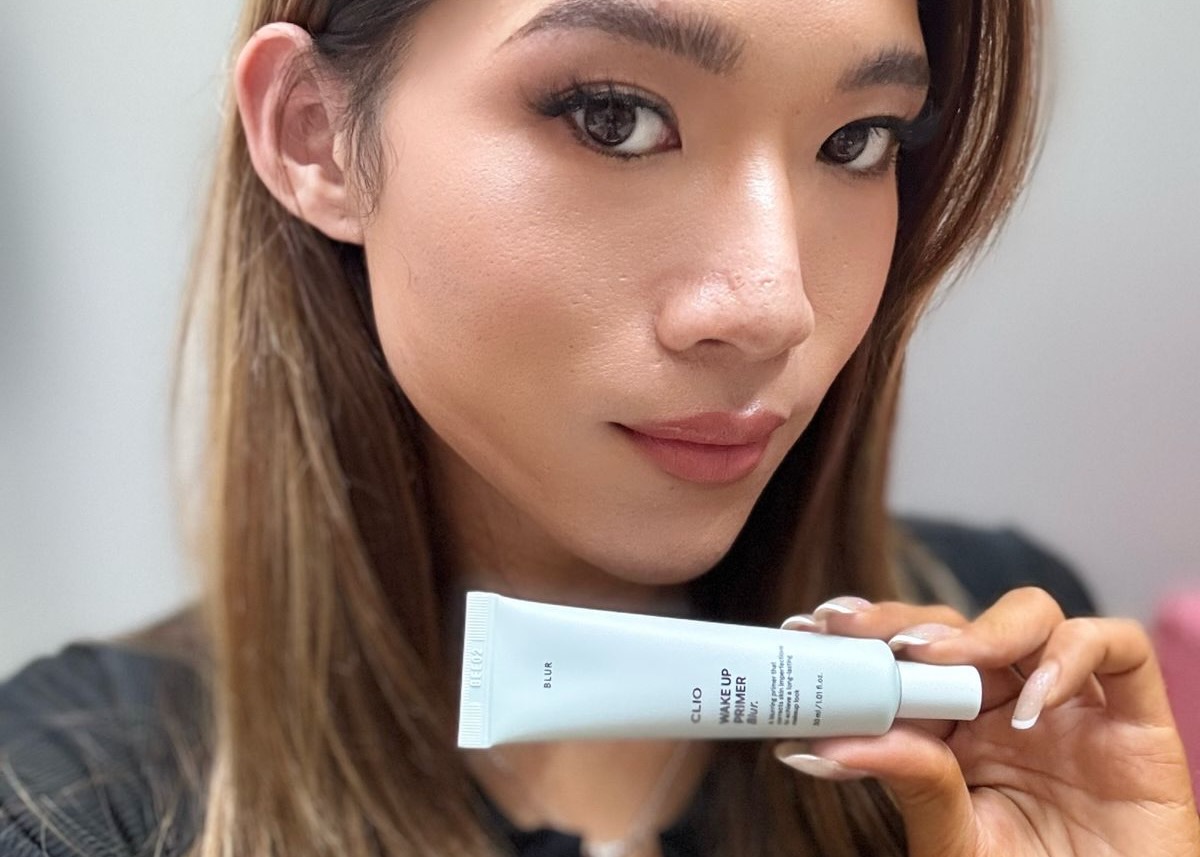
CLIO Wake Up Primer Blur — Best lightweight blur primer for oily skin
A lightweight blur primer that smooths texture and softens the look of pores without the heavy feel of traditional silicone primers. It helps foundation apply more evenly and keeps makeup looking cleaner, especially in heat and humidity. If your main concern is texture and pores rather than strong oil control, this is a well-balanced option. For a full breakdown of texture, ingredients, and real-world performance, see my CLIO Wake Up Primer Blur review.
- Best for: Combination to oily skin with visible pores or uneven texture
- What it does well: Blurs pores, smooths texture, lightweight cream-gel feel, soft matte natural finish
- Watch out: Not the strongest oil-control primer — skip if shine is your top priority
How to Choose
- Foundation sliding? NYX or e.l.f.
- Extreme shine? HERA or Fenty.
- Oily but tight? hince.
- Large pores? Smashbox or Milk.
- Texture + pores, lighter feel? CLIO Wake Up Primer Blur.
The 3 Types of Primer (And When to Use Each)
If you're wondering what primer is best for oily skin, the real answer depends on what your oily skin actually struggles with. Sliding foundation? Large pores? Extreme shine? Not all primers solve the same problem.
If large pores are your main concern, my best face primer for large pores guide goes deeper into which formulas actually smooth texture and which ones just blur it temporarily.
1. Gripping Primers
Gripping primers are designed to improve adhesion between your skin and your foundation. They usually have a slightly tacky or gel-like texture that helps your base products “stick” instead of sliding around as oil comes through.
What they’re good at:
- Reducing foundation slip
- Preventing separation around the nose and mouth
- Improving wear time without adding heavy powder
What they’re not meant to do:
- They don’t dramatically blur pores
- They don’t fully stop shine
These are ideal if your biggest issue is foundation breaking apart mid-day. This is why NYX The Face Glue is my #1 — it keeps my base stable without making it feel thick or suffocating.
2. Blurring Primers
Blurring primers focus on smoothing texture and minimizing the appearance of pores. They often contain silicone-based ingredients that create a soft-focus effect.
What they’re good at:
- Visibly softening large pores
- Smoothing uneven texture
- Creating a more polished foundation finish
What to watch out for:
- They don’t always control oil strongly
- Using too much can make foundation slide
I usually apply these only to pore-heavy areas (like the inner cheeks), not all over my face. If texture is your main concern, this type will help more than a pure mattifying primer.
3. Mattifying Primers
Mattifying primers focus on oil control and shine reduction. They often contain oil-absorbing ingredients that help create a flatter, more controlled finish.
What they’re good at:
- Reducing visible shine
- Extending matte foundation wear
- Helping very oily skin look more controlled
What to watch out for:
- Can emphasize texture if overapplied
- May feel tight on dehydrated-oily skin
If you're extremely oily, a mattifying primer can help — but I recommend applying it only on the T-zone instead of the entire face. Thin layers always look better than heavy coverage. For detailed reviews and specific product recommendations, check out my guide on best mattifying primer for oily skin.
The best primer for oily skin isn't always the most matte one. It's the one that fixes your specific problem.
How to Apply Primer for Oily Skin
The way you apply primer matters just as much as which primer you choose. Most oily-skin issues happen because we use too much product, layer too heavily, or rush foundation on top before primer sets.
Before primer, make sure your skincare has fully absorbed. If you use sunscreen (which you should), choose a matte-finish formula that sets down properly. I use the ANESSA Perfect UV Sunscreen Mild Milk SPF50+ PA++++, which creates a smooth base that primer grips to without pilling or sliding. Primer works better when the skincare underneath already makes sense. Start with my oily skin morning and evening routine.
-
Use less than you think.
Primer is not moisturizer. You don't need a full pump for your whole face. A pea-sized amount is usually enough. Too much primer creates a slippery layer, which can actually make foundation separate faster. -
Apply only where you get oily.
You don’t have to prime your entire face. Focus on the T-zone: center forehead, sides of the nose, around the mouth, and chin. Leaving the cheeks lighter can prevent texture from looking emphasized. -
Press, don’t rub.
Rubbing primer back and forth can disturb skincare underneath and create pilling. Instead, gently press or smooth it into the skin with your fingertips. Think controlled placement, not aggressive blending. -
Let it dry down 30–60 seconds.
Especially with gripping primers, you need to let them set slightly. If you apply foundation too quickly, the products can mix unevenly. The surface should feel slightly tacky (for grip) or smooth (for blur) before you go in with foundation. -
Keep your foundation layer thin.
Primer is not a fix for heavy application. If you apply a thick layer of foundation, oil will still break through and cause movement. Thin layers always last longer and look more natural. -
Adjust based on the type of primer.
Gripping primers need less rubbing and more pressing. Blurring primers work best when applied precisely to pore areas. Mattifying primers should stay mostly in the T-zone to avoid dryness.
With oily skin, the goal isn’t to create a thick barrier. It’s to create a stable, lightweight base that works with your skin — not against it.
Maddie's Rule
Thin layers always win. Heavy primer + heavy foundation = separation.
FAQ
What primer is best for oily skin?
A gripping primer is usually the safest bet. My pick is NYX The Face Glue.
Is NYX The Face Glue good for oily skin?
Yes. It improves wear and reduces separation. Use thin layers.
Can I combine primers?
Yes. Grip on the T-zone, blur on pore areas. Keep layers light.
Maddie is here to share beauty knowledge and help you elevate your skincare and makeup routine. Love ya. 💕