
Quick Answer
If you have oily skin, silicone-based makeup is usually a good idea. Most cosmetic silicones (like dimethicone) are generally considered non-comedogenic, and silicone-heavy foundations often wear better because they form a smooth film that helps your base stay more even as oil comes through.
The main things to watch are layering technique and proper removal — not the silicones themselves.
If you want the full routine approach (primer, base, powder, setting spray), start here: makeup for oily skin.
If you've ever had your foundation look perfect at 9AM and then look "busy" by lunch, you're not alone. Oily skin doesn't just get shiny — it can make makeup slide, separate, and show texture more as the day goes on.
Silicone-based makeup gets a bad reputation online, but in real life it's often one of the better options for oily skin. The trick is understanding what silicones actually do, how to avoid pilling, and which formulas are worth using.
Related Articles
How to Know if Makeup is Silicone-Based
"Silicone-based" usually means the formula includes ingredients like dimethicone, cyclopentasiloxane, and silicone elastomers. On ingredient lists, look for names ending in -cone, -siloxane, or -methicone.
In makeup, silicones are used because they:
- Make product spread smoothly, with less tugging on the skin
- Visibly soften pores and texture — that "blurred" look
- Help foundation wear longer by forming a flexible, even film
That last point matters most for oily skin. As oil comes through, a silicone-based base tends to stay more intact rather than breaking apart quickly.
Do Silicones Clog Pores?
The short answer: silicones are not automatically pore-clogging. Common cosmetic silicones like dimethicone are generally considered non-comedogenic in standard testing, and they are widely used in both skincare and makeup.
When people break out from a product labeled "silicone foundation," it's often due to:
- Heavy co-ingredients — waxes, oils, or certain esters that may not suit their skin
- Too many layers — skincare + SPF + primer + thick foundation stacked together
- Not removing makeup properly, especially with long-wear bases
- Skin that's already reactive or acne-prone regardless of formula type
Maddie note
For oily skin, I focus less on "silicone vs no silicone" and more on how the formula wears and how thoroughly you remove it at night. Long-wear bases need a real cleanse — micellar water alone usually isn't enough.
Why Silicone Makeup Works Well for Oily Skin
1. It makes pores look softer
Oil reflects light, which can make pores and uneven texture look more obvious throughout the day. Silicone elastomers and smoothing agents help create a more even surface so everything looks calmer, especially in direct light.
2. It helps foundation stay more even as oil comes through
Many long-wear foundations for oily skin use silicone film formers. The goal isn't to stop oil production — nothing reliably does that with makeup alone. The goal is to keep your foundation looking more intact as your skin does its thing throughout the day.
3. It can feel lighter than heavy oil-based makeup
A good silicone base can feel slippy when you apply it, but not greasy. For oily skin, that difference matters — greasy-feeling products on top of already-oily skin tend to break down faster and feel uncomfortable in heat or humidity.
The Biggest Problems People Have With Silicone Makeup
Pilling (product rolling or balling up)
Pilling is usually not a silicone problem — it's a layering problem. It happens when you use too much product, rub instead of pressing, or stack layers before they've properly set.
Anti-pilling fixes
- Use less. Thin layers always work better with silicone formulas.
- Press, don't rub. Especially with primers — rubbing drags product and causes balling.
- Wait 30–60 seconds. Let each layer — skincare, SPF, primer — set before the next.
- Apply foundation in thin passes. Build coverage only where you need it.
Separation (patchy breakdown around the nose or mouth)
Separation usually means oil has broken through and the base has started to lose adhesion. This is where formula choice and your primer and setting steps make a real difference. A gripping primer or a hold-focused setting spray on the center of the face can help.
Silicone-Based Foundation
These are formulas that tend to wear longer and look smoother on oily skin because they use silicone film formers to help the base stay more even as oil comes through. If you want a broader comparison, my full ranking is here: best foundation for oily skin.
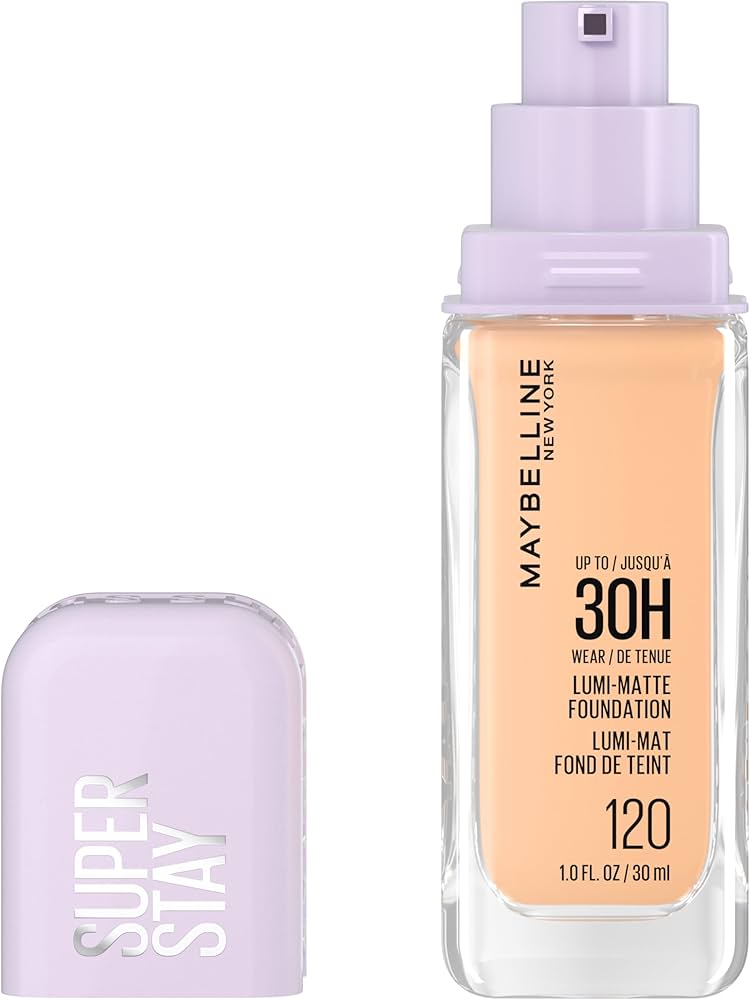
Maybelline Super Stay Lumi-Matte
One of my easier "yes" foundations for oily skin. It wears well, looks smooth without going chalky, and holds up reasonably well in humidity. Full breakdown here: Maybelline Super Stay Lumi-Matte foundation review.
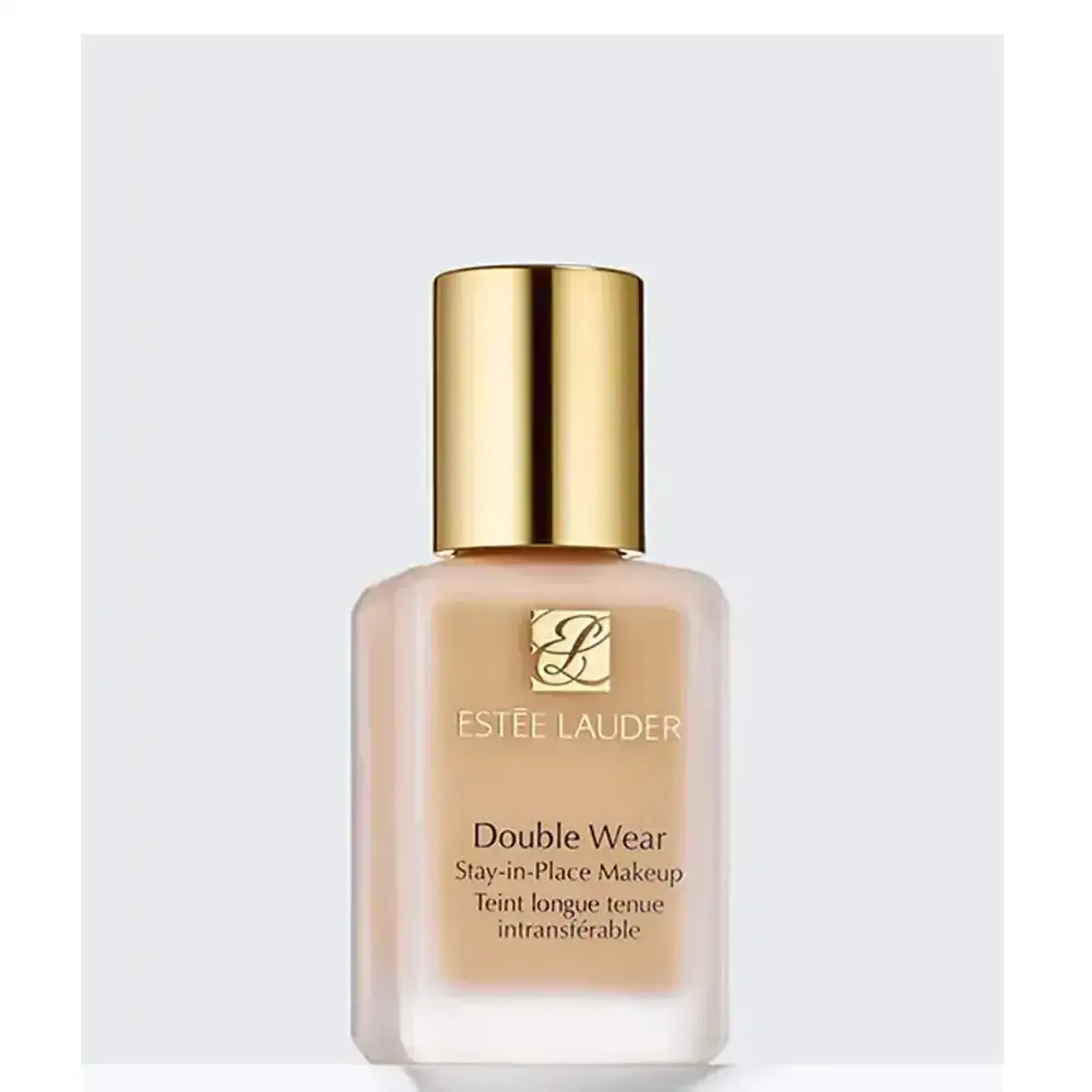
Estée Lauder Double Wear
The serious long-wear option. If you need your foundation to last through a full day without much touch-up, this is a well-established pick. Just make sure you remove it properly — it doesn't come off easily with just water.
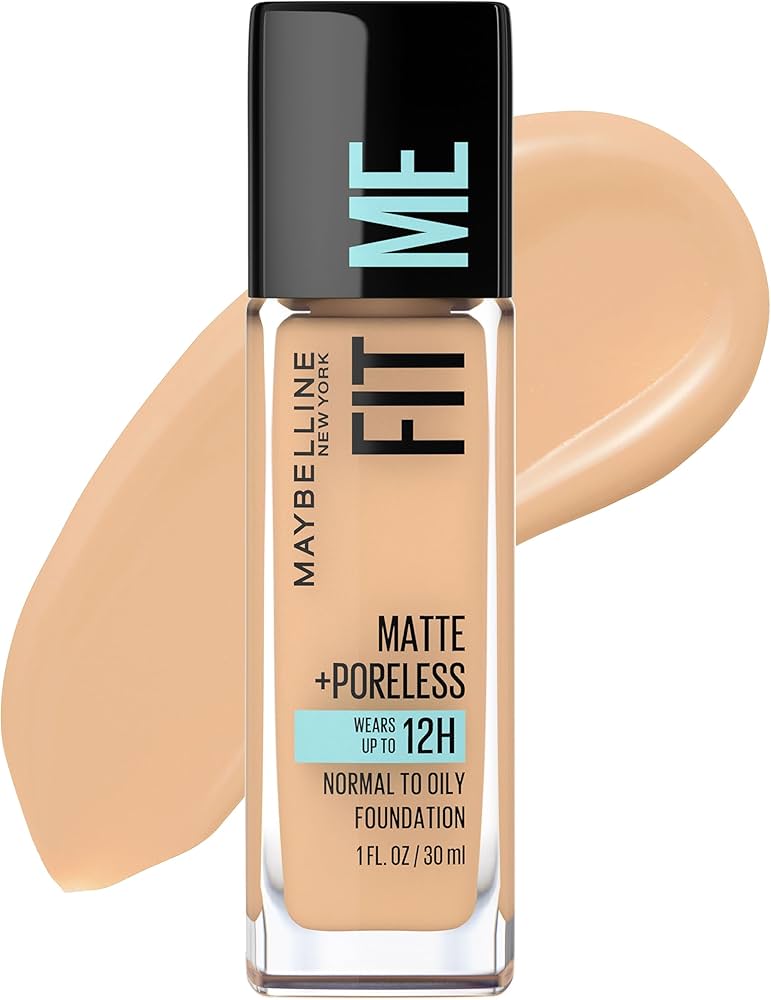
Maybelline Fit Me Matte + Poreless
A solid everyday matte base — simple, affordable, and easy to build. It's a popular oily-skin pick because it controls shine without feeling heavy. More budget options here: best drugstore foundation for oily skin.
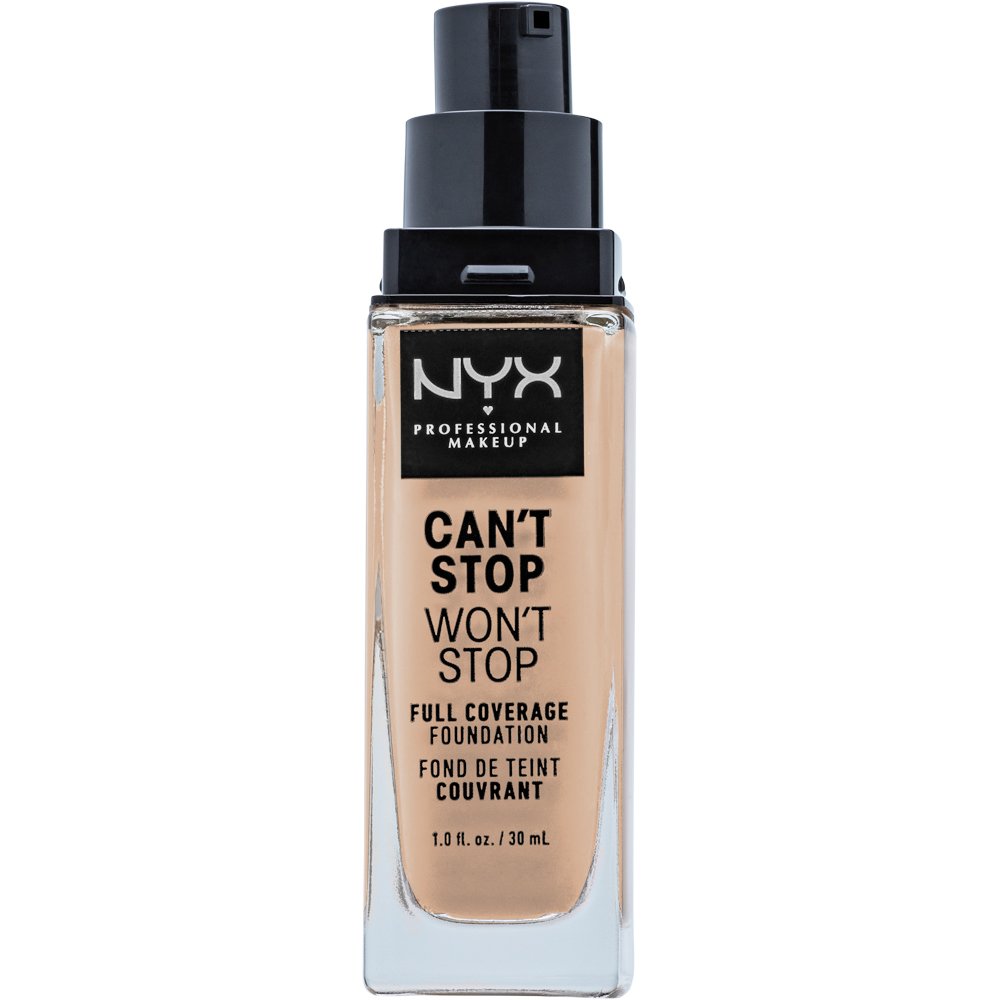
NYX Can't Stop Won't Stop
If your skin tends to eat through foundation, this one holds up well. Good for long days when you want coverage that doesn't need monitoring. Full breakdown of wear, coverage, and oily-skin performance: NYX Can't Stop Won't Stop foundation review.
Silicone-Based Cushion Picks
Cushions are popular for oily skin because they apply in thin, buildable layers and are easy to touch up mid-day. Korean cushion formulas in particular tend to use silicone elastomers for that smooth, soft-focus finish.
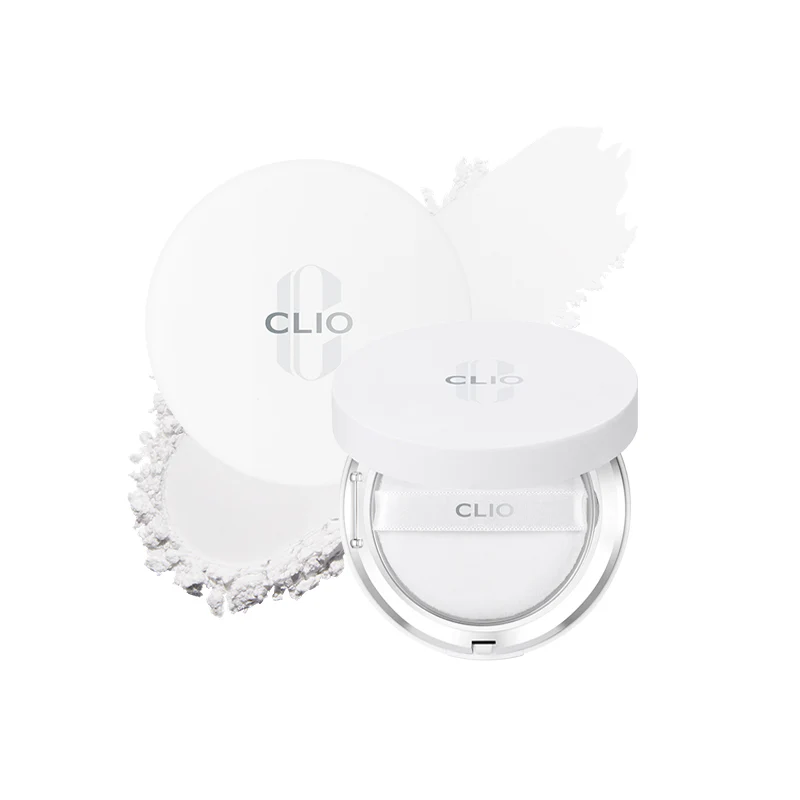
CLIO Kill Cover Cushion
One of my favorite humidity-resistant cushions. It builds to solid coverage and holds up better than most in heat. If you're deciding between CLIO and Skintific, I compared them directly here: Skintific cushion vs CLIO Kill Cover.
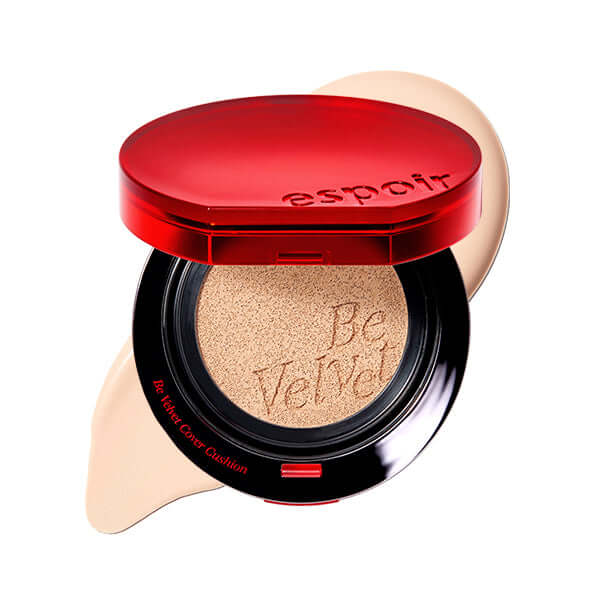
ESPOIR Be Velvet Cover Cushion
If you want a velvet-matte finish that still looks polished rather than flat, this is a strong oily-skin cushion option. It layers well without going cakey. My full review is here: Espoir Be Velvet Cover Cushion review.
Silicone-Based Primers for Oily Skin (And One Water-Based Alternative)
If you want a silicone primer, look for dimethicone, cyclopentasiloxane, or silicone elastomers near the top of the ingredient list. These give that smooth, blurred, almost-velvety feel before foundation.
Silicone primers work best when your main concern is visible pores, uneven texture, or foundation clinging to dry patches. If your biggest issue is sliding and separation, a grip-focused primer may serve you better.
One of the most well-known silicone blur primers is the Benefit The POREfessional Face Primer. It uses a classic dimethicone-forward formula — good for softening pores and creating a more polished base before foundation. My review covers how it performs on oily skin, whether it pills, and how it compares with the Matte version.
e.l.f. Liquid Poreless Putty Primer
A lightweight silicone primer with a soft-focus finish. It fills in pores and creates a smoother surface without feeling heavy or adding grease.
- Best for: Visible pores and texture
- Finish: Smooth, slightly velvety
- Oil control: Moderate
Maddie note: Great if you want smoother skin without a thick matte feel. Silicone blur always works better in thin layers — don't overapply.
MAC Studio Fix Mattifine 12hr Shine-Control Primer
A shine-control focused silicone primer that combines pore-smoothing with stronger oil-absorbing ingredients. More structured than a basic blur primer.
- Best for: Oily T-zone + visible pores
- Finish: Controlled matte
- Oil control: Stronger than average
Maddie note: If your makeup tends to break down quickly and you want both smoothing and stronger shine control, this is a more effective option than soft-blur primers alone.
NYX The Face Glue (Water-Based Alternative)
If you don't love the feel of silicone, or your skin tends to pill with blur primers, a gripping water-based primer can sometimes work better.
NYX The Face Glue isn't a traditional silicone blur primer — it focuses on adhesion instead of smoothing. That means it helps prevent sliding and separation, especially around the nose and mouth where oily skin tends to break down first.
Full breakdown here: NYX The Face Glue Gripping Primer review
How to Use Silicone Primers (Without Pilling)
- Use less than you think. A pea-sized amount is usually enough for the whole face.
- Press, don't rub. Rubbing is a reliable way to get pilling.
- Let primer set. Give it 30–60 seconds before applying foundation.
- Apply foundation in thin layers. Build coverage only where you actually need it.
- If you pill: reduce product amount first, then add more wait time between layers.
Maddie's tiny checklist
- Sliding or separation? Choose a grip primer.
- Pores or texture? Add silicone blur — but only where needed.
- Extreme T-zone shine? Use matte primer on the center face only.
For a more detailed comparison of primer types for oily skin, I cover everything here: what primer is best for oily skin.
How I Use Silicone Makeup on Oily Skin (So It Lasts)
None of this has to be complicated. Here's the short version of how to get the most out of silicone-based makeup on oily skin:
- Prep lightly. Too much skincare under makeup — especially heavy moisturizer or un-set SPF — makes everything slide. Let each step absorb before moving on.
- Use thin layers. Thick base breaks down faster. Apply a little, build only where you need more coverage.
- Press, don't rub. Rubbing causes pilling and lifts product off the skin.
- Let layers set. Even 30–60 seconds between skincare, primer, and foundation makes a visible difference in how long everything holds.
- Remove properly at night. Long-wear silicone foundations need a real double cleanse. Don't skip this step if you're acne-prone.
If you want a longer look at the full routine, including which powders and setting sprays work best on oily skin, that's all in my makeup for oily skin guide. And for locking in your base once it's applied, I cover the best options in my best setting spray for oily skin guide.
Maddie's Rule
Oily skin doesn't need "the most matte formula available." It needs a base that stays stable when oil shows up. Silicone-based makeup does that well — when applied correctly and removed properly.
Frequently Asked Questions
Is silicone-based makeup good for oily skin?
Usually yes. Silicone-heavy formulas help blur texture, reduce the visible look of pores, and tend to wear more evenly as oil comes through during the day — especially in long-wear matte foundations.
Do silicones clog pores?
Common cosmetic silicones like dimethicone are generally considered non-comedogenic in standard testing. When breakouts happen from silicone formulas, it's more often due to heavy co-ingredients, over-layering, or not removing the makeup properly — not the silicones themselves.
Why does silicone makeup pill?
Pilling usually comes from using too much product, rubbing during application, or stacking layers before they've dried down properly. Thin layers and adequate dry time between steps fix most pilling issues.
Do I need setting spray for oily skin?
If you get oily quickly or you live in heat and humidity, a setting spray can help your base wear more evenly and stay more intact through the day. See my picks here: best setting spray for oily skin.
What primer works best with silicone foundation?
It depends on what you need most — grip for sliding, blur for pores, or matte control for extreme shine. I break it down by concern here: what primer is best for oily skin.
Can you mix silicone and water-based makeup?
Yes, in most cases. Most foundations are actually emulsions — they contain both water and silicones together. The real issue isn't "water vs silicone"; it's layering too much product or not letting each layer set properly.
If you experience pilling or separation:
- Use thinner layers throughout
- Press product on rather than rubbing
- Wait 30–60 seconds between primer and foundation
When the textures and finishes of the products are compatible, mixing works fine for most people.
Maddie is here to share beauty knowledge and help you elevate your skincare and makeup routine. Love ya. 💕