Quick Answer
Yes — retinol can be amazing for oily skin because it helps keep pores from clogging, smooths texture, and can calm the "congested shine" look over time. The only catch is: oily skin still has a barrier, and retinol can wreck it if you start too fast.
- Start 2 nights/week (not daily)
- Use a pea-size amount for the whole face
- Moisturize (lightweight is fine)
- Wear sunscreen every day or retinol is basically pointless
If you have oily skin and feel like your pores are always one step away from clogging, this is for you. Retinol for oily skin can be one of the most effective ways to smooth texture, refine the look of pores, and reduce congestion over time. But it only works in your favor if you use it strategically, not aggressively.
In this article, I’ll explain exactly how retinol for oily skin works, how to start without triggering irritation or rebound shine, what to combine (and what to avoid), and what kind of results you can realistically expect. The goal is clearer, more balanced skin without damaging your barrier.
First things first: if you're not sure what your skin type actually is (or you're oily but also tight and flaky), do this quick check before you start any actives: how to identify your skin type.
What is Retinol?
Retinol is a type of retinoid, which means it belongs to the vitamin A family. It’s an over-the-counter form of vitamin A that your skin converts into its active form after application. Compared to prescription retinoids, retinol is usually gentler and better suited for beginners.
It’s commonly used to improve acne, texture, fine lines, and uneven skin tone. For oily skin, it’s especially interesting because many oil-related issues are actually linked to clogged pores and uneven cell turnover.
What Does Retinol Do for Your Skin?
In simple terms, retinol helps your skin renew itself more efficiently. That matters because oily skin often isn’t just “shiny” — it’s shiny + clogged. Think: blackheads, bumps, enlarged-looking pores, and makeup that starts separating by midday.
- Fewer clogs: helps reduce buildup inside pores
- Smoother texture: less bumpiness and more even-looking skin
- More consistent makeup: less slipping on congestion and fewer flaky patches
Important:
Retinol is not an instant oil-control product. It’s a long-term skin quality ingredient. If you use it consistently and protect your barrier, the improvement in texture and clarity is what makes oily skin look better overall.
Why Use Retinol for Oily Skin?
Oily skin is not just about surface shine. Most of the time, it is about how oil interacts with dead skin cells inside the pore. When those cells don’t shed evenly, oil gets trapped, which leads to blackheads, small bumps, and that “congested” look. This is where retinol becomes relevant.
Retinol for oily skin makes sense because it supports more consistent cell turnover. Instead of letting buildup sit inside the pore, it helps your skin move through its renewal cycle more smoothly. Over time, that can mean fewer clogged pores, more refined-looking texture, and makeup that sits better throughout the day.
Another reason retinol works well for oily skin is that congestion often makes skin appear oilier than it actually is. When pores are clearer and texture is smoother, the shine tends to look more balanced and less “heavy.”
My oily-skin truth
When my skin is congested, it looks oilier. When my pores are clearer and my barrier is calm, I still have shine — but it's a cleaner, healthier shine.
Retinol vs "Stronger Retinoids" (And Why You Should Care)
Not every retinoid is the same. Retinol is usually over-the-counter and typically gentler. Stronger options like adapalene or tretinoin can work faster for acne, but they also come with a bigger irritation risk.
If you're just starting and your main goals are pores + texture + fewer clogged bumps, retinol is a solid entry point. For beginners, the Innisfree Retinol Cica Gel Mask is highly recommended for people who want to try retinol for the first time because it's gentle and can be used 2–3 times per week without overwhelming your skin. Another excellent option for oily skin is the INNISFREE Retinol Green Tea PDRN Skinbooster Ampoule, which combines retinol with barrier-supporting ingredients. If you have persistent acne, that's when you might talk to a clinician about stronger retinoids.
Can Retinol Make Oily Skin Worse at First?
It can feel worse if you go too hard. Here's what happens: you irritate your skin, your barrier gets stressed, you peel in weird places… and your face can respond with a greasy rebound because it's trying to protect itself.
Purge vs irritation (quick cheat sheet)
- Purge: small breakouts in your usual areas, early on, then it settles
- Irritation: burning, tightness, redness, flakes everywhere, breakouts in new areas
If it stings every time… that's not "working"
Retinol should feel like nothing (or close to nothing) on your skin. If you're burning, cracking, or bright red for days, reduce frequency or stop and reset.
Types of Retinol for Oily Skin
Not all retinol products feel the same on oily skin. The base formula matters just as much as the percentage. If you choose the wrong texture, you’ll feel greasy, sticky, or irritated — and then you’ll blame retinol. So let’s break down the main types and how they usually behave on oily skin.
1. Retinol Serums (Most Popular Choice)
Lightweight serums are usually the safest starting point for oily skin. They absorb quickly, layer well under a gel-cream moisturizer, and don’t leave a heavy film.
- Best for: beginners, combination-to-oily skin
- Texture: thin, fluid, fast-absorbing
- Tip: avoid overly sticky formulas if you wear makeup
2. Retinol Creams
Cream-based retinol products are slightly richer and often contain more barrier-supporting ingredients. They can be helpful if your oily skin is also dehydrated or easily irritated.
- Best for: oily but sensitive or dehydrated skin
- Texture: lotion to medium cream
- Tip: choose “lightweight” or “non-comedogenic” formulas
3. Retinol Oils
Retinol oils are suspended in an oil base. For very oily skin, these can feel heavy, especially in warm weather or under makeup. However, some people tolerate them well if they use a very small amount.
- Best for: normal-to-dry skin (usually not first choice for very oily skin)
- Texture: slick, emollient
- Tip: if you try one, use less than you think you need
4. Retinol Face Masks
Retinol masks are less common and typically used 1–2 times per week. They can offer a controlled exposure to retinol, but they are not usually strong enough to replace a consistent leave-on product.
- Best for: maintenance or occasional use
- Texture: cream or gel mask
- Tip: don’t combine with strong exfoliation on the same day
5. Prescription Retinoids (Adapalene, Tretinoin)
These are stronger than over-the-counter retinol and are often used for persistent acne. For oily, acne-prone skin, they can be very effective — but irritation risk is higher, so structure and barrier support become even more important.
- Best for: moderate to persistent acne
- Texture: gel or cream depending on formulation
- Tip: start slowly and follow professional guidance if possible
Best Retinol Products for Oily Skin
These are retinol products that make sense specifically for oily or congestion-prone skin. I’m looking at texture, tolerance, layering under makeup, and how realistic they are for long-term use.
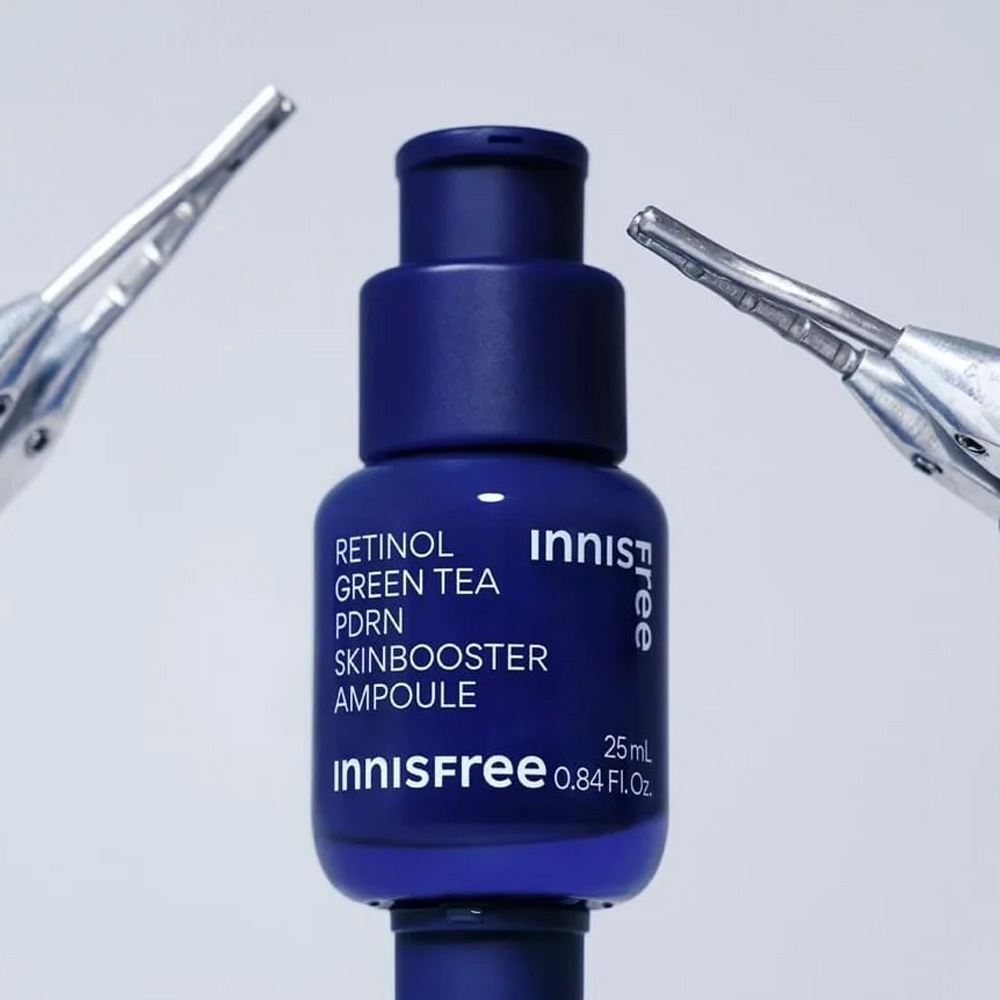
INNISFREE Retinol Green Tea PDRN Skinbooster Ampoule
This is my favorite beginner-friendly option for oily skin. The texture is lightweight, not sticky, and layers beautifully under a gel-cream. It feels more like a hydrating serum than a heavy treatment, which makes it easier to stay consistent.
- Texture: Lightweight ampoule (non-greasy)
- Best for: Oily, congestion-prone beginners
- Strength vibe: Gentle entry-level retinol
Lightweight + beginner-friendly. (Affiliate link)
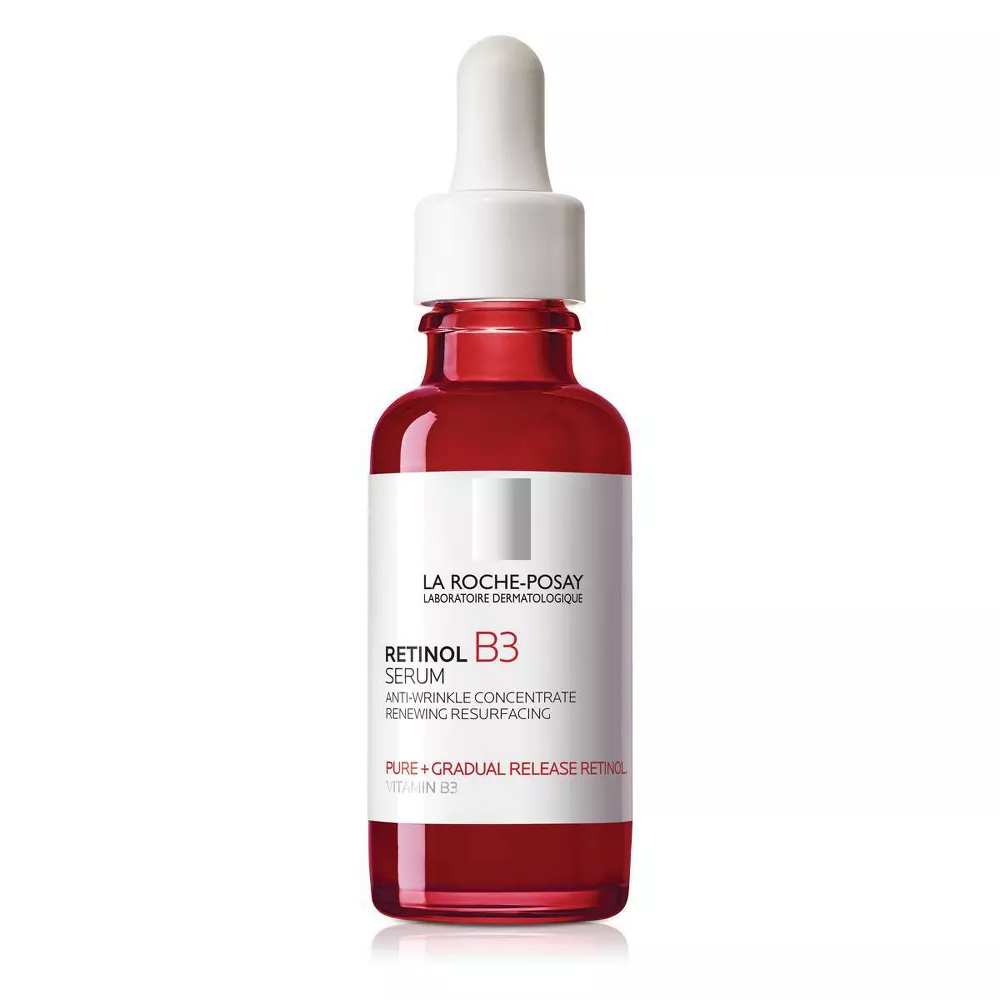
La Roche-Posay Vitamin B3 Retinol Serum
A balanced retinol serum with added niacinamide support. It’s a good choice if your oily skin is also reactive or prone to redness.
- Texture: Light serum
- Best for: Oily but sensitive skin
- Bonus: Barrier-friendly support
Balanced + barrier-supporting. (Affiliate link)
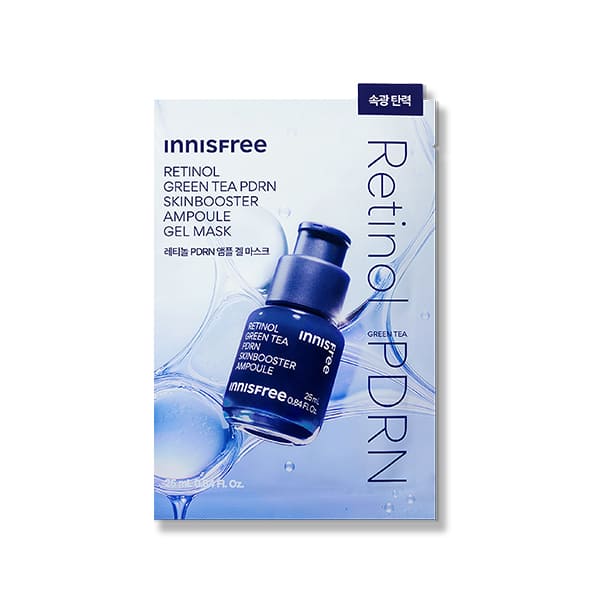
INNISFREE Gel Mask
Not a daily retinol, but a supportive treatment if your oily skin feels tight or irritated from actives. The gel texture is lightweight and comfortable.
- Texture: Cooling gel
- Best for: Recovery nights
- Use: 1–2x per week
Lightweight recovery support. (Affiliate link)
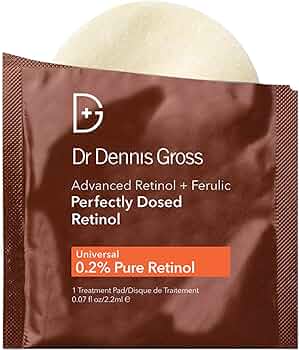
Dr. Dennis Gross Advanced Retinol + Ferulic (0.2%)
A more performance-focused option with a defined 0.2% strength. Good for oily skin that already tolerates retinol and wants stronger smoothing.
- Strength: 0.2% (universal)
- Best for: Intermediate users
- Finish: Lightweight cream-serum
Stronger smoothing option. (Affiliate link)
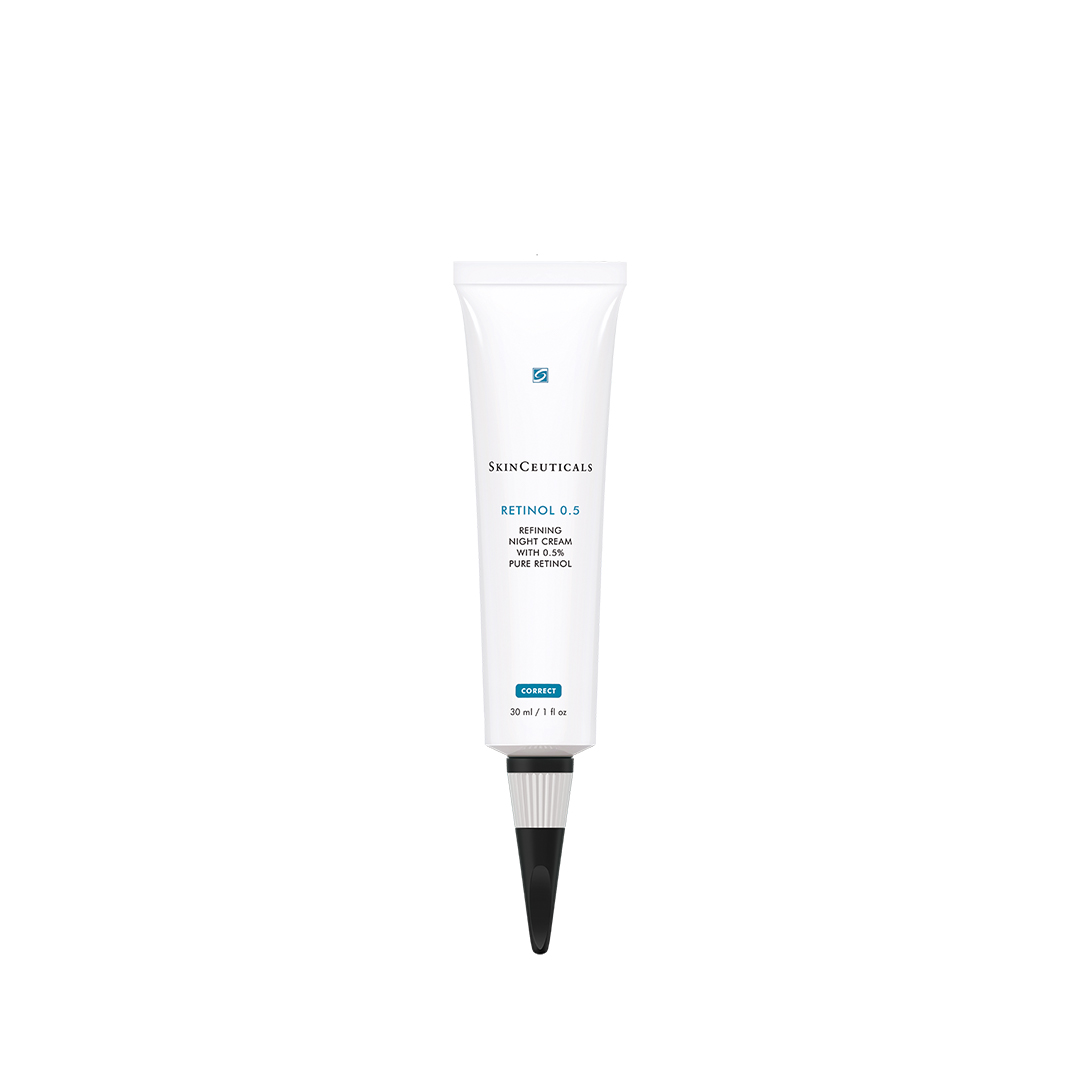
SkinCeuticals Retinol 0.5
A well-known mid-strength retinol for people who want visible results and already have some retinoid experience.
- Strength: 0.5%
- Best for: Experienced oily-skin users
- Focus: Texture + tone refinement
Mid-strength refinement. (Affiliate link)
Maddie’s take
If you have oily skin and you’re just starting, a lightweight retinol serum is usually the easiest entry point. You can always adjust texture later. The goal is finding something you’ll actually use consistently.
My No-Peel Starter Plan for Oily Skin
This is the routine that makes retinol sustainable (and wearable) in humidity. The goal is consistency, not suffering.
Cleanse at night, then let skin fully dry
Dry skin tends to sting less with retinol. I cleanse, pat dry, and wait 10–15 minutes. (I do my teeth, hair, whatever.)
Use a pea-size amount for the whole face
Not a pea per cheek. Not a pea per pore. One pea for everything. Dot it lightly and spread thinly. Avoid the corners of your nose, corners of your mouth, and under-eyes until you know your skin can handle it.
Moisturize (yes, even if you're oily)
If you hate heavy creams, don't use heavy creams. Use a gel-cream or light lotion. If you're sensitive, do a thin moisturizer layer first (buffer), then retinol, then a little more moisturizer.
And if your skin gets tight or "shiny but dehydrated," add hydration support. I break down that whole oily-but-thirsty thing here: is hyaluronic acid good for oily skin.
Follow this schedule (don't freestyle)
- Weeks 1–2: 2 nights per week
- Weeks 3–4: every other night (only if calm)
- After that: you can consider 4–5 nights/week if your skin stays happy
If you're peeling, stinging, or your makeup is catching on flakes: drop back to 2 nights/week. I'd rather you be consistent for 3 months than dramatic for 10 days.
What Not to Combine on the Same Night
Oily skin loves to collect actives like Pokémon. I get it. But if you're starting retinol, keep it boring at first.
- Skip strong acids (AHA/BHA) on retinol nights at the beginning
- Be careful with benzoyl peroxide (alternate nights if you use it)
- Go easy on scrubs (physical exfoliation + retinol is usually a mess)
My simple rule
Retinol nights = cleanse, retinol, moisturize. Everything else can happen on non-retinol nights.
Sunscreen Is Part of the Retinol Routine (Sorry)
If you're using retinol and skipping sunscreen, you're doing the hard part and ignoring the protective part. Sun can worsen irritation and slow the results you want.
For oily skin, I'm obsessed with sunscreen textures that don't feel thick. If your sunscreen makes you greasy, that's not a "you" problem — you just need a better formula.
How Long Until You See Results?
Realistic timeline:
- Weeks 1–4: tolerance phase (learning what your skin can handle)
- Weeks 6–12: texture starts smoothing, fewer clogged bumps
- Month 3+: pores look more refined and makeup sits better
Who Should Be Careful With Retinoids?
If you're pregnant, trying to get pregnant, or breastfeeding, talk to a clinician first. Also be cautious if you're dealing with eczema/dermatitis flares, or if your skin is currently raw from over-exfoliating.
Maddie's Final Take
Retinol for oily skin is one of those "boring but iconic" ingredients. It's not instant. It's not cute on week one. But if you start slow, keep your barrier supported, and protect your skin during the day, it can seriously upgrade your pores, texture, and overall vibe. If you want to see how retinol fits into a complete evening routine, see my full oily skin routine.
Maddie is here to share beauty knowledge and help you elevate your skincare and makeup routine. Love ya. 💕
Frequently Asked Questions
Is retinol good for oily, acne-prone skin?
Yes. It can help with clogged pores and uneven texture. The key is starting slowly and not stacking too many harsh actives at once.
Can retinol make my oily skin more oily?
It can feel that way if you irritate your skin (too much, too often). Irritation can cause flaking and a greasy rebound. Reduce frequency and support your barrier.
How often should I use retinol for oily skin?
Start 2 nights per week for 2 weeks, then move to every other night if your skin stays calm. If you peel or sting, drop back.
Should I moisturize if I'm oily and using retinol?
Yes. Oily skin still needs barrier support. Use a lightweight gel-cream or lotion so you don't feel greasy.
Can I use hyaluronic acid with retinol?
Usually yes. Hydration support can make retinol easier to tolerate. If you're oily but tight or flaky, hyaluronic acid can help you feel balanced.
Do I need sunscreen when using retinol?
Yes. Retinoids can make skin more sun-sensitive and UV can worsen irritation. Daily sunscreen helps protect your results.