Quick Answer
If you want the best foundation for large pores and oily skin, look for a formula that makes the skin surface appear smoother rather than heavier. The best options are usually long-wearing, thin in texture, softly matte, and stable enough to handle oil without settling into pores. A foundation that blurs at first but starts separating around the nose or emphasizing texture later is not really a good pore-friendly foundation.
My short version: for large pores, a good foundation should stay smooth, resist shine reasonably well, and keep its finish together for hours. Longevity is a big part of what makes pores look better instead of worse.
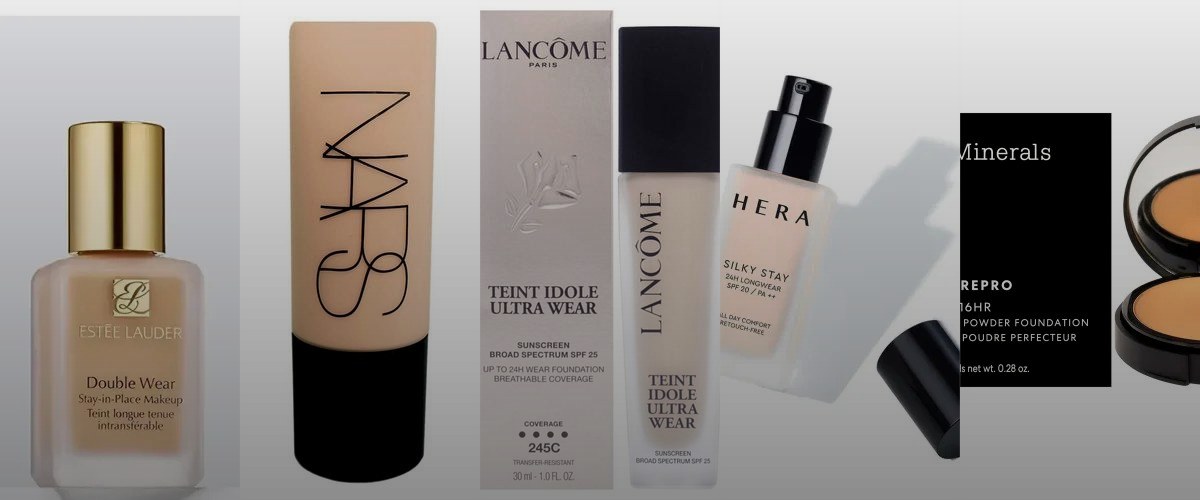
Top 5 Quick Picks
- Best overall: Estée Lauder Double Wear Stay-in-Place Makeup — Check price
- Best soft-matte: NARS Soft Matte Complete Foundation — Check price
- Best full coverage: Lancôme Teint Idole Ultra Wear — Check price
- Best K-beauty long wear: HERA Silky Stay Foundation — Check price
- Best powder option: bareMinerals BAREPRO 24HR Powder Foundation — Check price
When people search for the best foundation for large pores and oily skin, they’re usually hoping for something that makes pores disappear. Unfortunately, foundation can’t actually shrink pores. What it can do is make them look smoother, softer, and less obvious.
The foundations that do this best usually have three things in common: a thin texture, a soft-focus or soft-matte finish, and enough structure to stay stable as oil comes through during the day. Heavy formulas, overly dewy finishes, or thick layers of product tend to collect around pores instead of blurring them, which is why some foundations actually make pores look more noticeable.
If you have oily skin, this gets even trickier. Oil slowly breaks down makeup, and when a formula starts shifting it can settle around the nose, inner cheeks, and forehead where pores are most visible. That’s why the best foundations for this skin type are not just about coverage. They need to stay smooth for hours, control shine reasonably well, and keep the skin surface looking even instead of textured.
In this guide I’m focusing on foundations that balance pore-blurring texture, oil control, and real longevity. These are formulas that still look good after several hours, not just right after application. If you want a broader comparison across more finishes and price ranges, you can also check my guide to the best foundation for oily skin.
What makes a foundation good for large pores and oily skin?
A good foundation for large pores and oily skin should make the skin look smoother without turning heavy or obvious as the day goes on. In practice, that usually means a formula with decent wear time, a refined finish, and a texture that does not bunch up around the center of the face.
When I help customers choose in the shop, I pay most attention to four things: how the foundation sits over texture, how shiny it gets, how it wears once oil starts coming through, and whether it still looks even after a few hours instead of just right after application.
That last part matters more than people think. A foundation can look beautiful for the first hour and still be wrong for pore-prone skin if it starts separating, clinging, or collecting around the nose and inner cheeks later on.
Texture
Smoother, lighter-feeling formulas usually sit better over visible pores than dense, creamy ones. The more product builds up, the easier it is for texture to stand out.
Finish
A softly matte finish is often the easiest to wear because it tones down shine without making the skin look flat. Very glowy formulas can draw extra attention to pores, especially in oily areas.
Wear pattern
For oily skin, the real test is what happens after heat, movement, and oil breakthrough. The best formulas keep their shape reasonably well instead of turning patchy or slippery.
Coverage style
Buildable coverage usually looks better than one thick layer. It gives you more control and makes it easier to keep the surface of the skin looking smooth.
If your skin gets shiny quickly and your pores are most visible around the nose, inner cheeks, and forehead, a long-wear liquid foundation is usually the best starting point.
If you want something quicker and more portable, you can also compare it with my guide to the best cushion foundation for oily skin. Some cushion formulas can work well when you want lighter coverage and faster application.
Is matte always better for large pores?
Not necessarily. Matte helps with shine, but the most flattering finish for large pores is often soft-matte rather than ultra-flat matte. A foundation that looks too dry can make the skin surface seem more textured, especially if your skin is oily but slightly dehydrated underneath.
That is why soft-matte tends to be the sweet spot for everyday wear. It gives enough control to keep the face from looking greasy, but it still has a little flexibility so the finish looks smoother and more natural up close.
True matte still makes sense if you are very oily or mainly care about endurance in heat and humidity. But if you want the balance between oil control and a more skin-like finish, soft-matte is usually the safer bet.
Do oil-free and non-comedogenic matter?
They matter, but they should not be the only thing you use to judge a foundation. An oil-free formula can still feel thick, and a non-comedogenic label does not guarantee that the foundation will look smooth on textured skin.
I think of those terms more as useful filters than proof of performance. If your skin is oily, acne-prone, or easily congested, they can help narrow down the options. But I would still put more weight on how the formula wears, how heavy it feels, and whether it stays even through the day.
This is also one area where drugstore formulas have improved a lot. If budget matters, there are now quite a few affordable options that do a decent job with shine control and wear time. I go deeper on those in my guide to the best drugstore foundation for oily skin.
Which textures work best for large pores and oily skin?
Liquid foundation is usually the strongest all-round choice because it gives the best mix of coverage, control, and longevity. Long-wear liquid formulas are also easier to apply in thin layers, which usually looks better on pore-prone skin than heavier application styles.
Powder foundation is a strong option if your main issue is shine and you want something fast, lightweight, and easy to touch up. Stick foundations can work, but they are more hit or miss because some feel too creamy for very oily skin. Skin tints are usually the least reliable for this concern unless they are specifically made to be long-wearing and blurring.
My quick rule is simple: choose liquid if you want the most dependable wear, and choose powder if you want the easiest oil control and touch-ups. Cushions and skin tints can still be nice for casual makeup days, but they are usually not the strongest answer when visible pores and longevity are the main priorities.
If you want something lighter than a traditional pore-blurring foundation, a skin tint can also work well on lower-coverage days. The Wet n Wild Bare Focus Niacinamide Skin Tint is not the most matte option, but it gives light to light-medium coverage with a soft satin finish, so it can be a nice everyday choice if you set the T-zone with powder.
Top 5 foundations
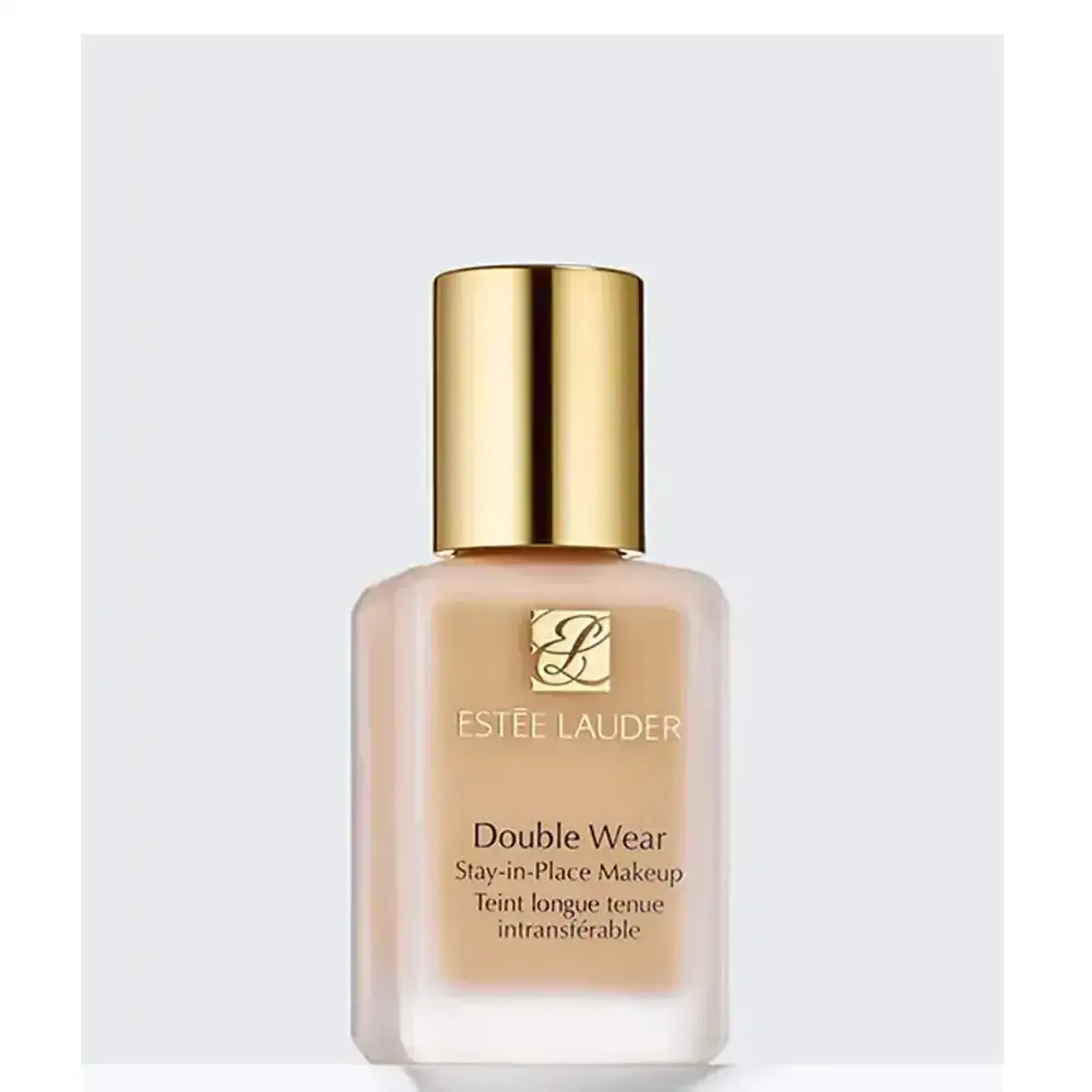
Estée Lauder Double Wear Stay-in-Place Makeup
If your main question is which foundation actually lasts, this is still one of the easiest answers. Double Wear is not trendy. It is not trying to be a skin tint. It is just extremely good at staying on the face. On oily skin, that reliability matters. It gives enough coverage to smooth redness, discoloration, and unevenness without demanding huge amounts of product.
I especially like it for people whose foundation disappears around the nose or starts turning shiny too fast. It has structure. That is the word that always comes to mind. It sets properly, resists movement well, and keeps its shape through long workdays, heat, and general life. The trade-off is that you have to respect it. Thin layers only. If you slap on too much, it can absolutely start looking makeup-y.
- Best for: All-day wear, events, humid weather
- Why it works: Strong hold, great oil resistance, dependable finish
- Watch out: Can look too heavy if overapplied
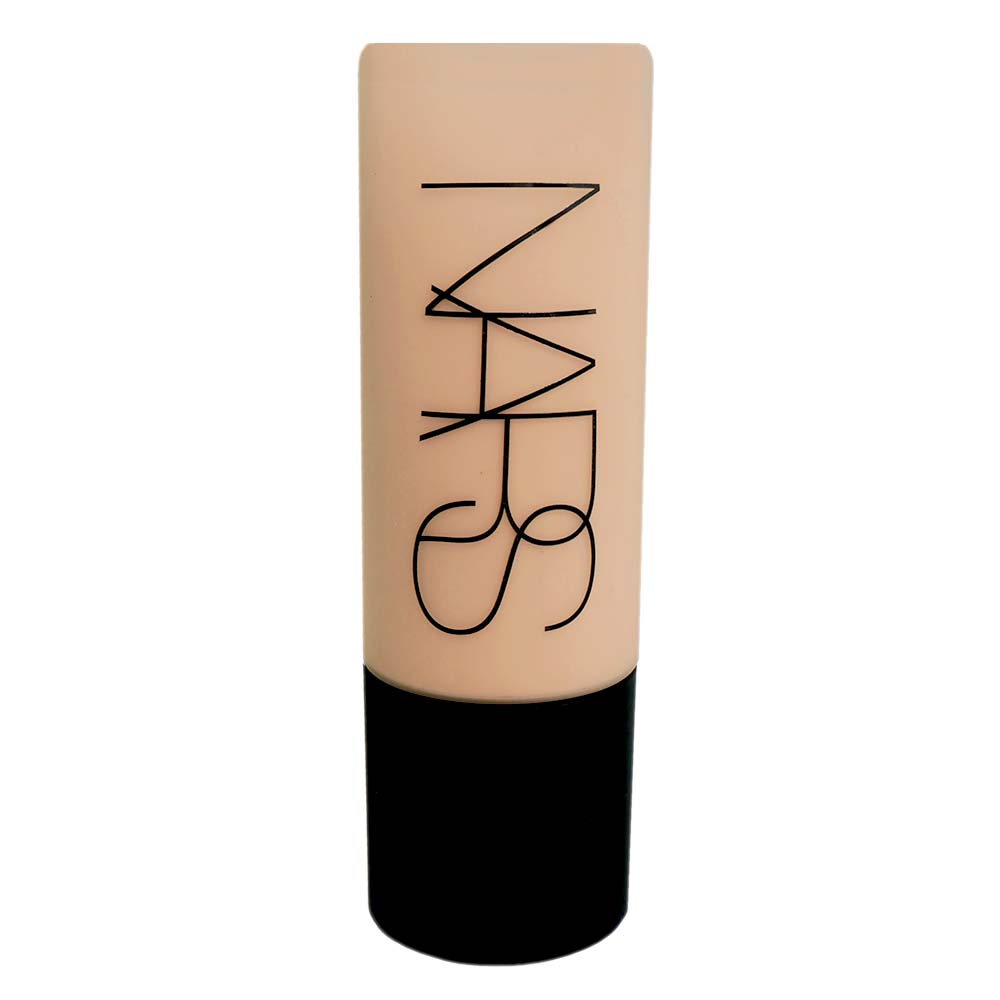
NARS Soft Matte Complete Foundation
This is one of my favorite answers for people who want long wear but still want the face to look a little smoother and softer rather than aggressively matte. It is a better example of why soft-matte can be more flattering than flat matte when you have visible pores.
It gives good coverage, stays put well, and tends to make texture look more refined if you keep the layer controlled. It is the kind of foundation that can make skin look more polished without going chalky. If you usually hate ultra-matte formulas because they make your face look dry even though you are oily, this is the category of finish I would try first. For a deeper breakdown of coverage, wear time, and shade range, see my full NARS Soft Matte Complete Foundation review.
- Best for: Oily skin that still wants a smoother, softer finish
- Why it works: Blur effect, nice balance of hold and elegance
- Watch out: Still better in thin layers than heavy ones
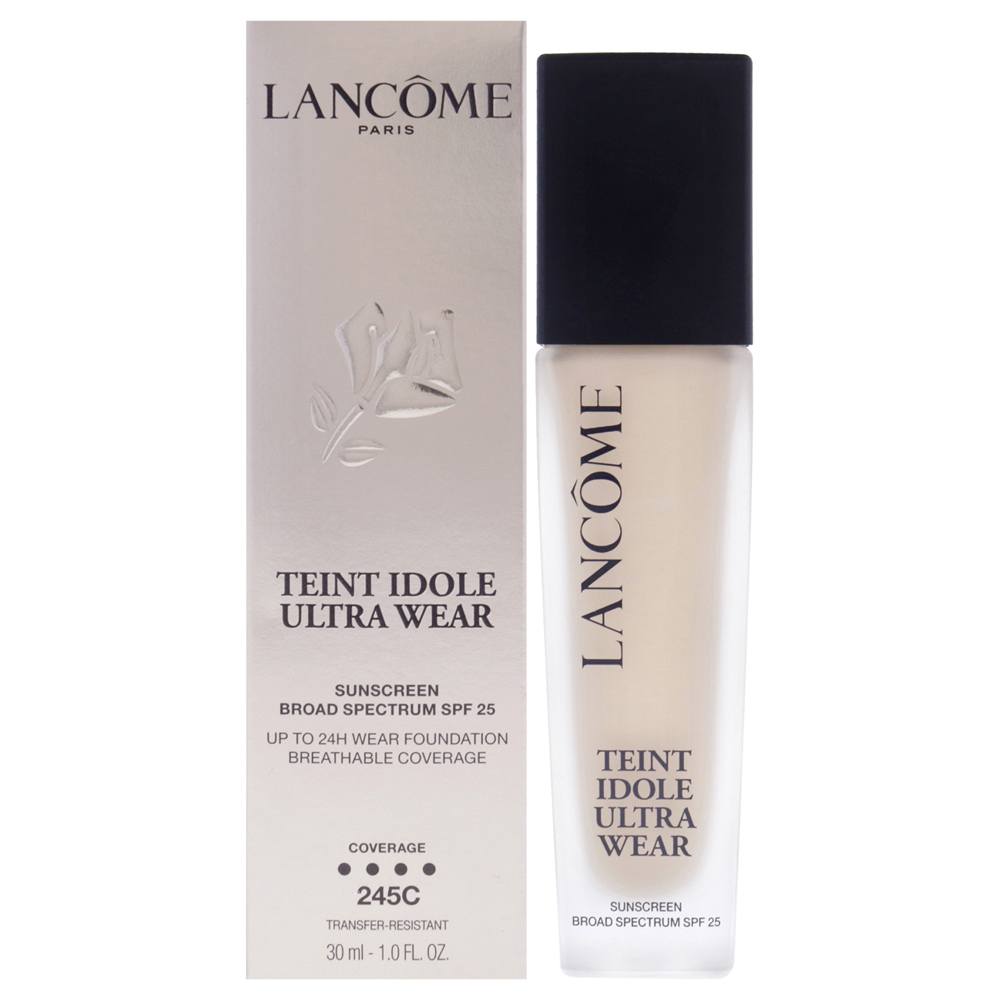
Lancôme Teint Idole Ultra Wear
If you want the best full coverage foundation for large pores and oily skin, this is one of the strongest picks. The reason I like it is that it gives substantial coverage without always looking as thick as some older-school full-coverage matte formulas. That matters when pores are part of the conversation.
For events, photos, longer workdays, or anyone who wants a polished, perfected base, Teint Idole makes sense. It is the kind of foundation I would recommend to someone who wants more correction than a medium coverage formula can give, but still wants the surface of the skin to stay relatively smooth. If full coverage is your lane, you should also read my guide to the best full coverage foundation for oily skin.
- Best for: Full coverage with solid wear time
- Why it works: Strong coverage, polished finish, good longevity
- Watch out: Prep matters if you get dry patches under your oil
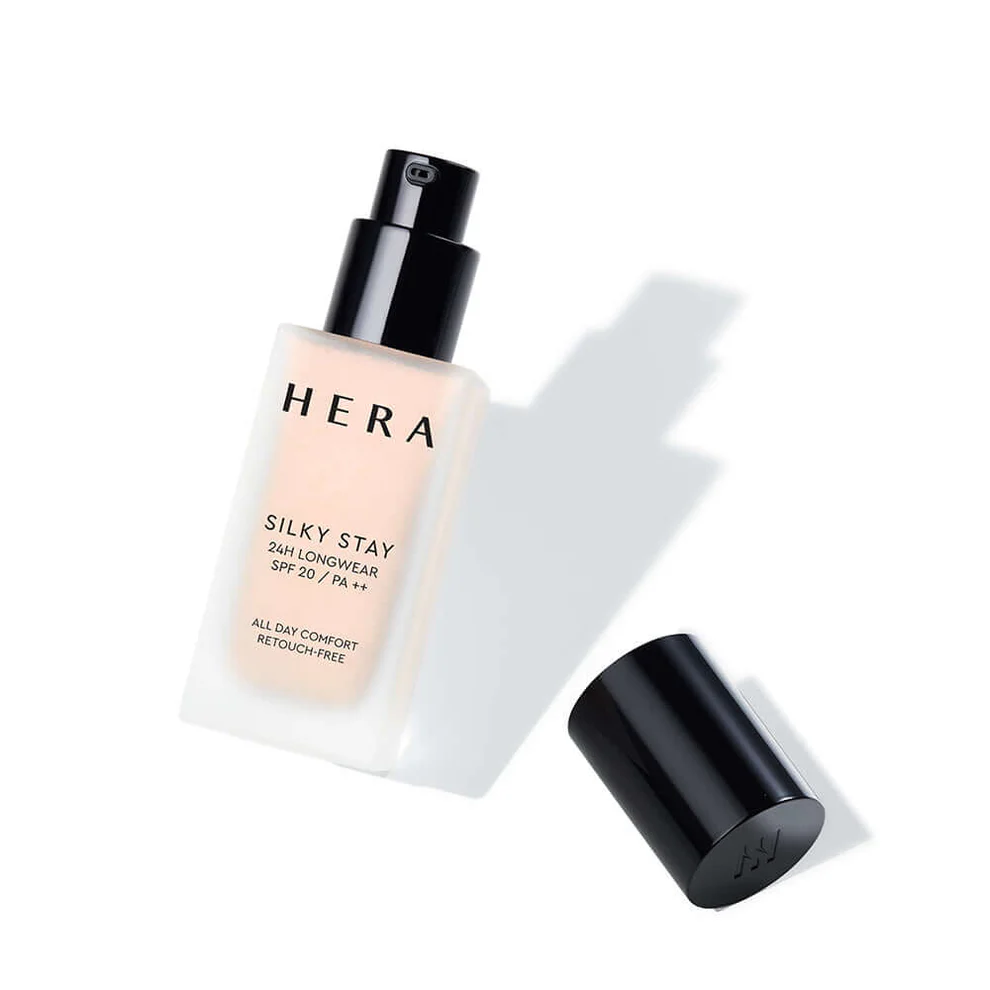
HERA Silky Stay Foundation
This is the K-beauty pick I would point oily skin toward if you want something refined, smooth, and especially good in humidity. HERA tends to do complexion products in a way that feels polished rather than thick, and this one fits that idea well. It is not a super-flat matte. It is more of a silky controlled finish, which I think is often a smart move for large pores.
If you live somewhere hot and sticky, this kind of texture can be really appealing because it gives structure without feeling too mask-like. It is also a nice bridge option if you have been tempted by cushion makeup but want something with a little more endurance. For the setting side of the routine, my guide to the best setting spray for oily skin pairs well with this type of base.
- Best for: Humid climates and smoother-looking wear
- Why it works: Elegant finish, nice hold, not too flat
- Watch out: Shade range may be less broad than some Western brands
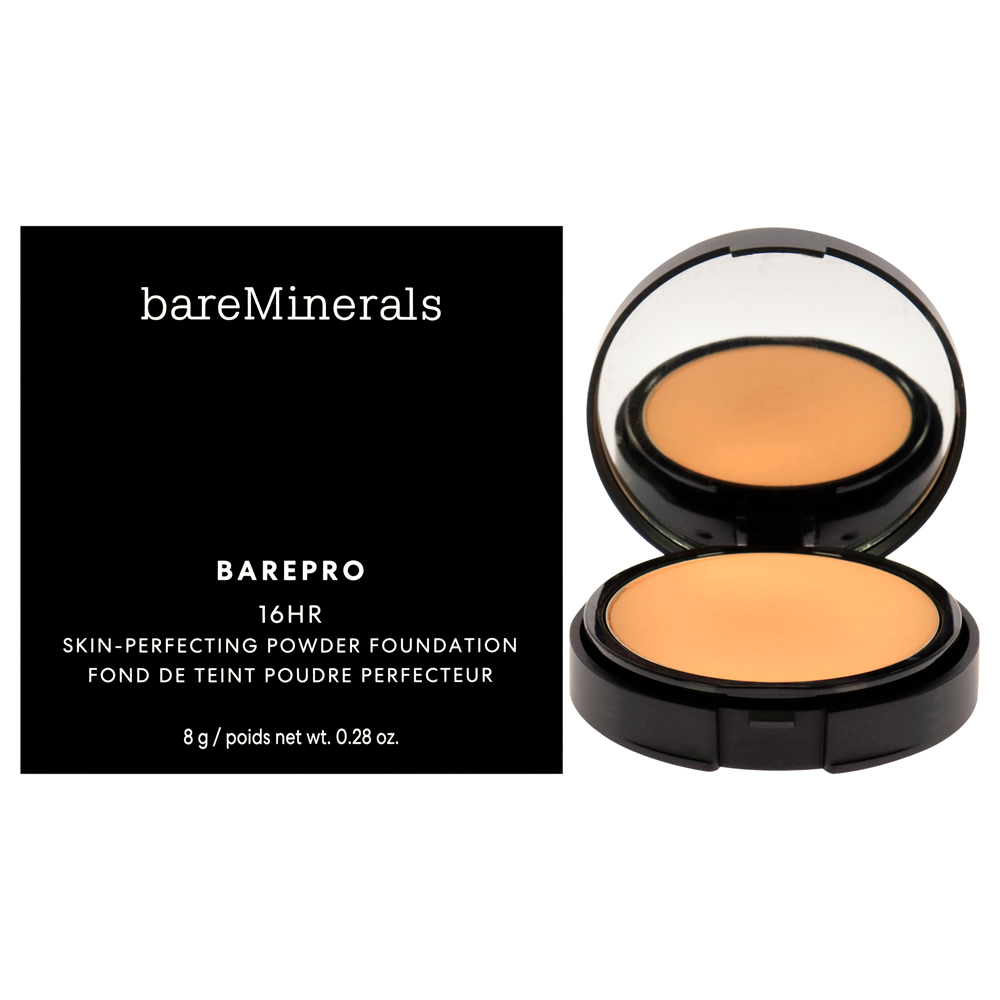
bareMinerals BAREPRO 24HR Skin-Perfecting Powder Foundation
For the best powder foundation for large pores and oily skin, I like a formula that gives real oil control without instantly turning dusty. Powder foundation can be so good for oily skin when you want fast application, low shine, and easy touch-ups without adding another creamy layer on top of a face that is already getting slick.
This kind of foundation makes the most sense for people who hate the feeling of heavy liquid base or who want a midday reset option. I still think liquid wins for absolute longevity, but powder wins for convenience. It is also a smart pick if your oil breakthrough is the main issue and you do not need maximum correction.
- Best for: Quick matte coverage and easy touch-ups
- Why it works: Controls shine fast, feels lighter than liquid
- Watch out: Can catch on dry patches if skin is not balanced
How I Picked These Foundations
I picked these foundations based on how they perform on oily, pore-prone skin in real wear. I prioritized oil control, finish stability, how smoothly they sit around visible pores, and how well they hold up once shine, heat, and movement start affecting the makeup.
How I test foundations for pores
I test foundations the same way most people actually wear them: over skincare, through humidity, and through a full workday in the store.
What I pay attention to most is how the foundation behaves around the nose and inner cheeks, because that is where pores are usually most visible. If a formula stays smooth there after several hours, it usually performs well everywhere else too.
I also check how the foundation behaves after blotting, because oily skin almost always needs a quick blot or powder touch-up during the day.
Which skincare ingredients help large pores over time?
Under foundation, I care less about miracle claims and more about whether your routine helps the makeup sit better. For oily, pore-prone skin, the most useful supporting ingredients are usually niacinamide, salicylic acid, and retinoids, depending on what your skin tolerates. Niacinamide can help balance the look of oil over time. Salicylic acid helps if congestion and clogged pores are part of why the area looks rough. Retinoids are more of a longer game, but they can make a real difference in texture and pore appearance over time.
The key is not stacking ten actives the morning you want your makeup to behave. You want a routine that keeps the skin reasonably clear and calm, not irritated. Angry skin does not wear foundation well.
Can foundation clog pores?
It can, and it can also make pores look bigger even when it is not technically clogging them. Those are two different problems. A heavy, overly emollient formula may not be your friend if you are very oily and prone to congestion. But even a perfectly fine foundation can make pores look worse if you use too much primer, too much product, or too much powder.
This is why I always separate skin compatibility from visual performance. A foundation can be totally fine for your skin but still look bad by hour six. For this article, I am prioritizing the foundations that do the visual part better for longer.
How should you prep?
Prep is where a lot of foundation problems start. Oily skin does not need to be suffocated before makeup. If you put on a rich moisturizer, then a very slippery sunscreen, then a grippy primer, then a long-wear foundation, you have basically created a chemistry experiment on your face.
My preferred routine for this skin type is simple: a lightweight moisturizer if needed, sunscreen that actually dries down, and then foundation in thin layers. If you use primer, keep it targeted to the pore-heavy parts of the face instead of applying a thick layer everywhere. The center of the face usually needs the help more than the outer perimeter.
I go into the broader routine in my guide to makeup for oily skin, but the short version is this: less product, more patience. Let each step settle.
Foundation can also separate faster when your skincare underneath is too heavy or has not settled properly. If your base starts slipping before makeup is even the problem, read my guide on why your face gets oily after skincare.
Do you need primer for large pores?
Primer can help if your pores are most visible around the nose, inner cheeks, and the center of the forehead. A smoothing primer can create a slightly more even surface so foundation spreads more evenly instead of collecting in those areas. The key is to keep the application targeted. Rather than applying a thick layer across the whole face, focus a small amount of primer only on the pore-heavy areas. For a deeper breakdown of what works best, see my guide to the best face primer for large pores.
How to apply foundation when you have large pores
Application technique can make almost as much difference as the foundation itself. A few small adjustments can make pores look noticeably smoother. For a full step-by-step guide covering prep, layering, and touch-ups, see my post on the best way to apply foundation on oily skin.
Use less product than you think
Large pores usually look worse when foundation builds up. Start with a thin layer and add coverage only where needed.
Press instead of dragging
Pressing foundation into the skin with a sponge or dense brush often creates a smoother finish than dragging the product across the face.
Focus primer only where pores are visible
Applying primer everywhere can make foundation feel heavy. I usually keep primer just around the nose and inner cheeks where pores are most noticeable.
Which foundations hold up best in humidity?
The foundations that hold up best in humidity are usually the ones with real long-wear structure. That sounds obvious, but not every "matte" foundation is truly built for heat and moisture. Humidity exposes weak formulas fast. If a foundation gets slippery, patchy, or starts collecting around pores, it is not really long-wear in a practical sense.
Out of the five picks here, Double Wear, Teint Idole, and HERA Silky Stay are the ones I would trust most for hot weather. NARS Soft Matte is also strong, but I think it shines most when you want the face to look a bit smoother and less obviously matte. If lasting power is your number one concern, my guide to the best long lasting foundation for oily skin goes even deeper on that specific angle.
Why do holy grail mattes look cakey?
Usually because the layer is too thick, the skin is too dehydrated, or the person is trying to solve oil with more and more powder. Matte foundation is not automatically the problem. The problem is often that the rest of the routine is pushing the formula past what it can do nicely.
Large pores make this extra obvious because product collects in those tiny dips first. Once that happens, the finish looks heavier and more textured, even if the rest of the face still looks okay. This is why I prefer building coverage exactly where it is needed instead of doing one thick, uniform layer.
Full coverage or medium coverage?
Medium coverage is usually easier. It is more forgiving, more flexible, and less likely to exaggerate texture. But that does not mean full coverage is wrong. It just means the formula has to be thin enough and stable enough to deserve it.
If you have a lot of redness, acne marks, or uneven tone, full coverage can absolutely look better than trying to build a medium foundation past its comfort zone. The difference is that I want full coverage that still spreads smoothly and wears evenly. That is why Teint Idole and Double Wear make more sense to me than random thick matte formulas that promise everything and start cracking by afternoon.
What should acne-prone skin look for?
Acne-prone skin should look for a foundation that feels breathable, does not require thick layers, and is less likely to turn into a greasy film by midday. Texture matters a lot here. When you have active breakouts, a foundation that is technically full coverage but visually heavy is not helping.
I usually recommend sticking with controlled, buildable formulas and avoiding the temptation to keep piling product over every bump. Correct where you need it, keep the rest of the face lighter, and let concealer do some of the work. If breakouts are your main concern alongside oiliness, I have a separate guide to the best foundation makeup for acne-prone skin that goes deeper on what to look for.
Can skincare help more than makeup?
Over time, yes. Makeup can blur pores today. Skincare can make them look better over months. If your pores look larger because the area is oily, congested, or uneven in texture, consistent skincare is going to do more for the long game than switching foundation every week.
That does not mean foundation does not matter. It matters a lot if you wear makeup regularly. But the best result usually comes from both sides: a skin routine that keeps oil and congestion more manageable, and a foundation formula that does not fight your face all day.
Best by Need
- Best overall: Estée Lauder Double Wear
- Best soft-matte: NARS Soft Matte Complete
- Best full coverage foundation for large pores and oily skin: Lancôme Teint Idole Ultra Wear
- Best for humidity: HERA Silky Stay Foundation
- Best powder foundation for large pores and oily skin: bareMinerals BAREPRO Powder
My final take is pretty simple. If you are oily and pore-prone, do not chase the most matte-looking foundation on the shelf. Chase the one that still looks smooth later. For most people, that means a thin, long-wear liquid with a soft-matte or matte finish, good oil control, and a routine that does not overload the skin.
And if you want one extra comparison before you buy, I would look at this article alongside my guides to the best foundation for oily skin and the best long lasting foundation for oily skin. Those two together make it easier to figure out whether you need maximum hold, a more natural finish, or something in between.
Maddie is here to share beauty knowledge and help you elevate your skincare and makeup routine. Love ya. 💕
Frequently Asked Questions
What's the best foundation for large pores and oily skin?
The best one is usually a long-wear matte or soft-matte formula that stays thin on the skin. If wear time is your top priority, classic long-wear liquid foundations usually perform best.
Does foundation make pores look bigger?
It can if the formula is thick or separates during the day. Thin matte foundations usually make pores look smoother than heavy or very dewy formulas.
Should people with large pores avoid dewy foundations?
Not necessarily, but very luminous finishes can reflect light inside pores and make them more visible. Soft matte finishes usually blur pores more effectively.
Does primer really help large pores?
Primers can help temporarily smooth the surface of the skin, especially silicone-based formulas designed for texture and oil control.
Is matte always better than soft-matte?
Not always. Soft-matte is often more flattering because it controls shine without making texture look too flat or dry.
Is liquid or powder better?
Liquid is usually better for longest wear. Powder is great for lighter-feeling coverage and fast oil control.
What helps foundation last longer on oily skin?
Keep prep light, let sunscreen dry down properly, apply foundation in thin layers, and set strategically instead of heavily.