Quick Answer
The best face primer for large pores is the one that makes skin look smoother without turning the rest of your makeup routine into a fight. For most people, that means a targeted primer with a blurring texture, light application, and realistic expectations.
Primers do not actually shrink pores. What they do well is soften their appearance, reduce the look of uneven texture, and help foundation sit more cleanly on top.
Large pores are one of those beauty topics where makeup marketing gets a little dramatic. Products love to say "poreless," but skin is skin. Real skin has texture. Real skin has pores. The goal is not to erase your face. The goal is to make makeup sit smoother, last better, and stop the center of your face from looking rough, shiny, or patchy two hours later.
In this guide, I'm breaking down what actually makes pores look large, what primer can and cannot do, which textures work best, which ingredients help over time, and the 8 primers I'd actually look at first if visible pores are your main issue. Not all pore primers need to be heavy or silicone-based. Some lighter blur primers, like CLIO Wake Up Primer Blur, smooth texture while keeping the finish more natural.
What makes pores look large?
Pores usually look more obvious because of a few things happening at the same time. The big ones are oil production, congestion, skin texture, loss of firmness over time, and sometimes the after-effects of acne. So when someone says, "My pores are huge," what they often mean is: the skin around those pores looks shiny, uneven, stretched, or not very smooth.
Oily skin tends to notice pores faster because oil reflects light and draws attention to texture. That is especially true in heat and humidity, where the nose, inner cheeks, and forehead can start looking more textured as the day goes on. Dry or mature skin can also have visible pores, but the reason is often different. There, it is less about pure oil and more about dehydration, thinning skin, and loss of bounce.
So before you buy the strongest pore-filler you can find, it helps to ask one simple question: are my pores mostly an oil problem, a congestion problem, a texture problem, or a skin-aging problem? That answer changes what kind of primer will actually look best on you.
Can a face primer really minimize pores, or does it only blur them temporarily?
Primer mostly blurs pores temporarily. That is the honest answer. A good primer can make pores look much less noticeable because it smooths the surface, diffuses light, and gives foundation a more even base to sit on. But it does not change the structure of the pore itself.
I actually think this is useful to understand because it helps you shop better. If you expect primer to physically shrink your pores, you will probably be disappointed. If you treat primer as a makeup texture tool, it suddenly makes a lot more sense. It is there to improve the finish of the skin right now, not to replace skincare.
Maddie's rule
Primer is for the surface. Skincare is for the cause. The best routines usually use both, but for different jobs.
Which primer texture is best for large pores?
This is where people get stuck, because "primer" is not one category. The texture matters a lot. The wrong texture can make pores look more obvious, pill under foundation, or turn the T-zone into a slippery mess. The right texture can make the exact same skin look smoother in 30 seconds.
Silicone primers
These are usually the most obvious pore-blurring primers. They have that silky, slip-heavy feel that helps fill in uneven texture fast. If your main issue is visible pores around the nose and inner cheeks, silicone primers often give the most dramatic instant result. The trade-off is that some people dislike the feel, and some acne-prone users find heavier formulas a little risky if overused. If you want a deeper breakdown of how silicone-based formulas work on shine-prone skin, read my guide on is silicone-based makeup good for oily skin.
Balm or putty primers
Putty and balm textures are great when you want that smoother, soft-focus look without a runny liquid texture. They can be really good for textured oily skin because they stay where you put them and give a more controlled blur. They are not always the lightest option, though, so I prefer them most on the center of the face rather than all over.
Gel primers
Gel primers usually feel lighter and are easier for combination skin or people who hate that heavy coated feeling. They do not always give the strongest pore-filling effect, but they can be better if your skin gets oily and dehydrated at the same time. Some also layer more easily under makeup.
Water-based primers
Water-based formulas are usually chosen more for comfort, hydration, or overall prep than for hardcore pore filling. That does not make them bad. It just means they are often better for smoothing gently than for aggressively blurring. If you have dry or mature skin with visible pores, a water-based or hybrid hydrating primer can look more natural than a very flat silicone one.
My top 8 best primers for large pores
These picks are based on what large-pore users usually need in real life: surface blur, better texture, more stable makeup, and formulas that make sense for different skin types. I also prioritized products that are available through eCosmetics, StyleKorean, or Amore Mall.
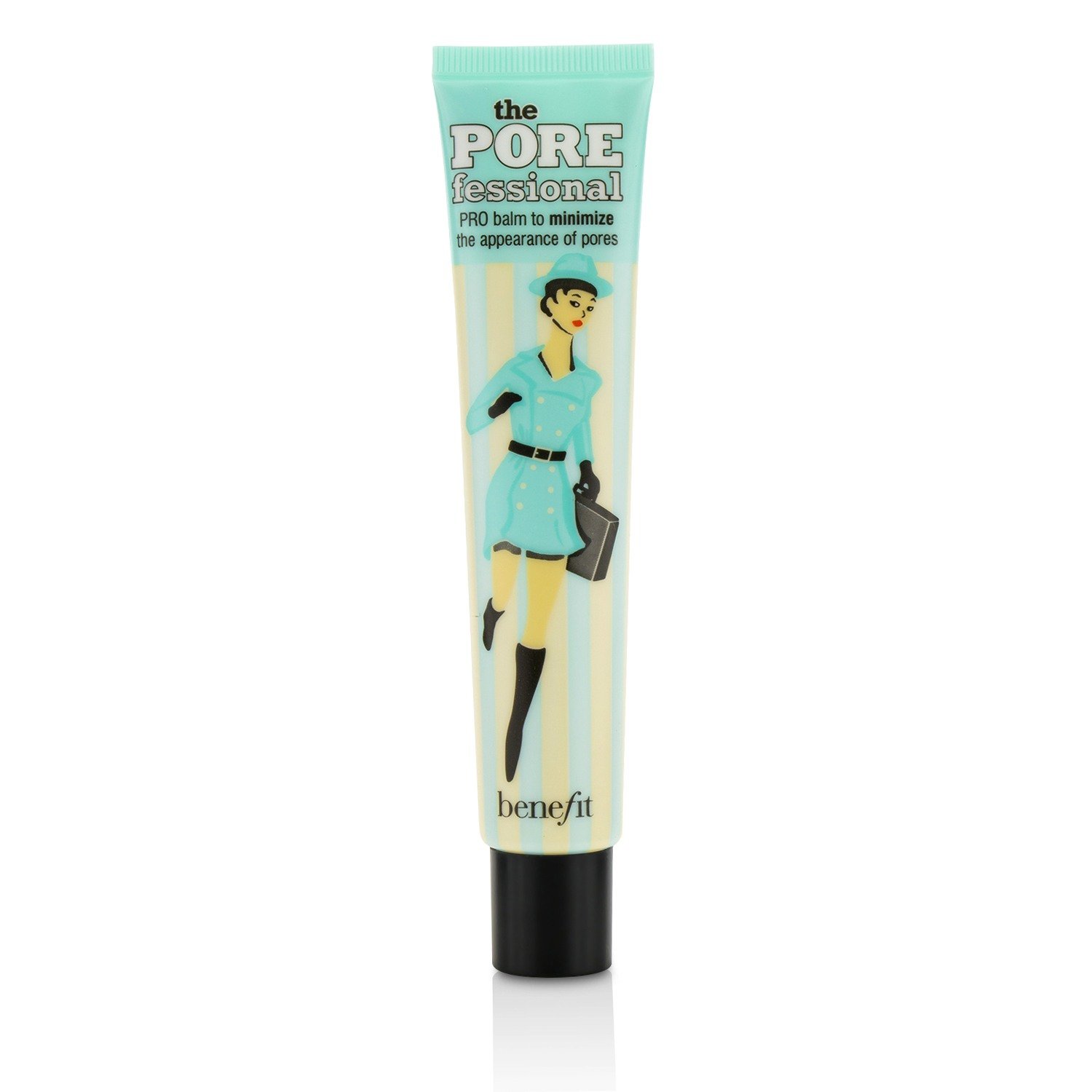
Benefit The POREfessional Face Primer
This is the classic for a reason. If you want that immediate "my nose and inner cheeks look smoother" effect, this is still one of the easiest places to start. It has that classic silky pore-filling feel and works best when you press in a small amount only where you need blur. For a deeper breakdown of texture, pore blurring, skin-type fit, and how it compares with newer primers, see my full Benefit The POREfessional Face Primer review.
- Best for: fast visible blur and smoother foundation application
- Texture: silicone smoothing cream
- Best skin type: normal, combination, oily
- Watch out: can feel a bit too slip-heavy if you dislike silicone textures
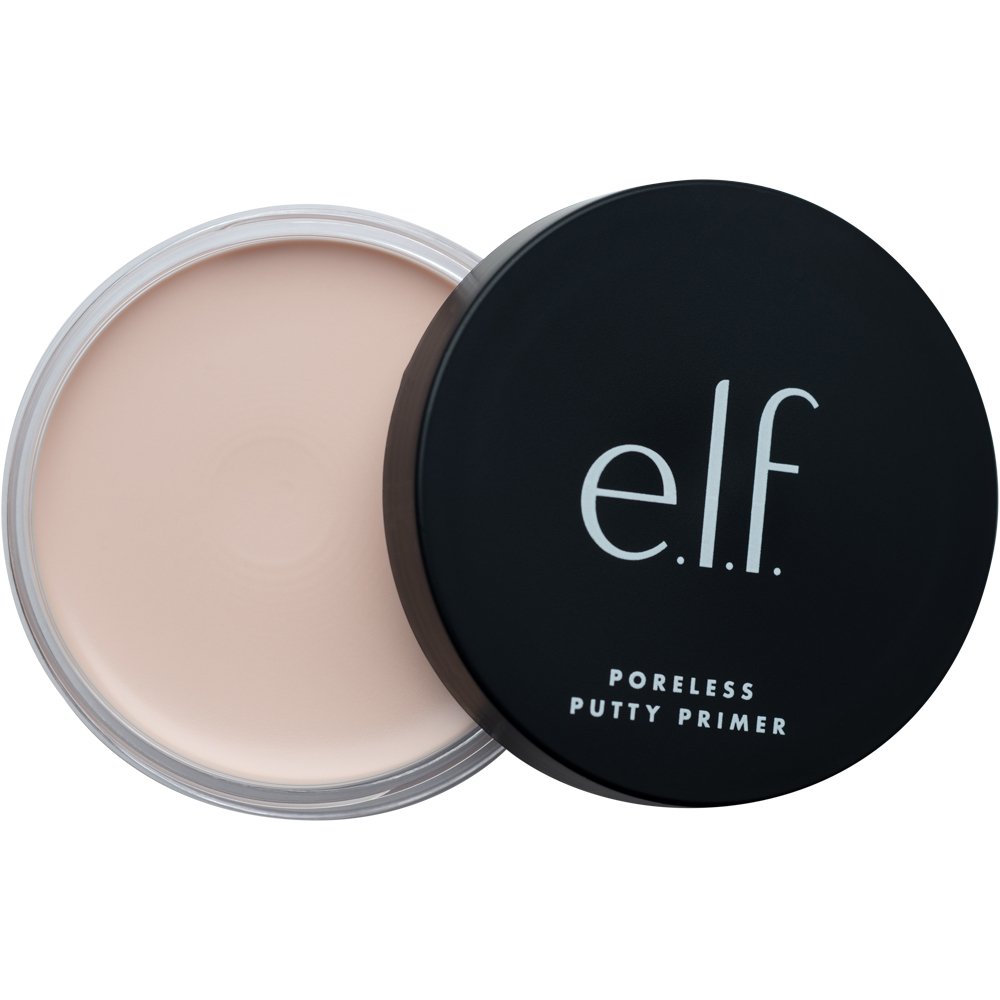
e.l.f. Poreless Putty Primer
If you like a balm-style texture, this is one of the easiest budget-friendly pore primers to recommend. It gives a soft-focus, smoothed-out look and tends to work especially well on the center of the face. It is not the most invisible-feeling formula, but it earns its place because it does the job.
- Best for: budget pore blur
- Texture: putty / balm
- Best skin type: combination, oily, texture-prone
- Watch out: use a thin layer or it can feel heavy
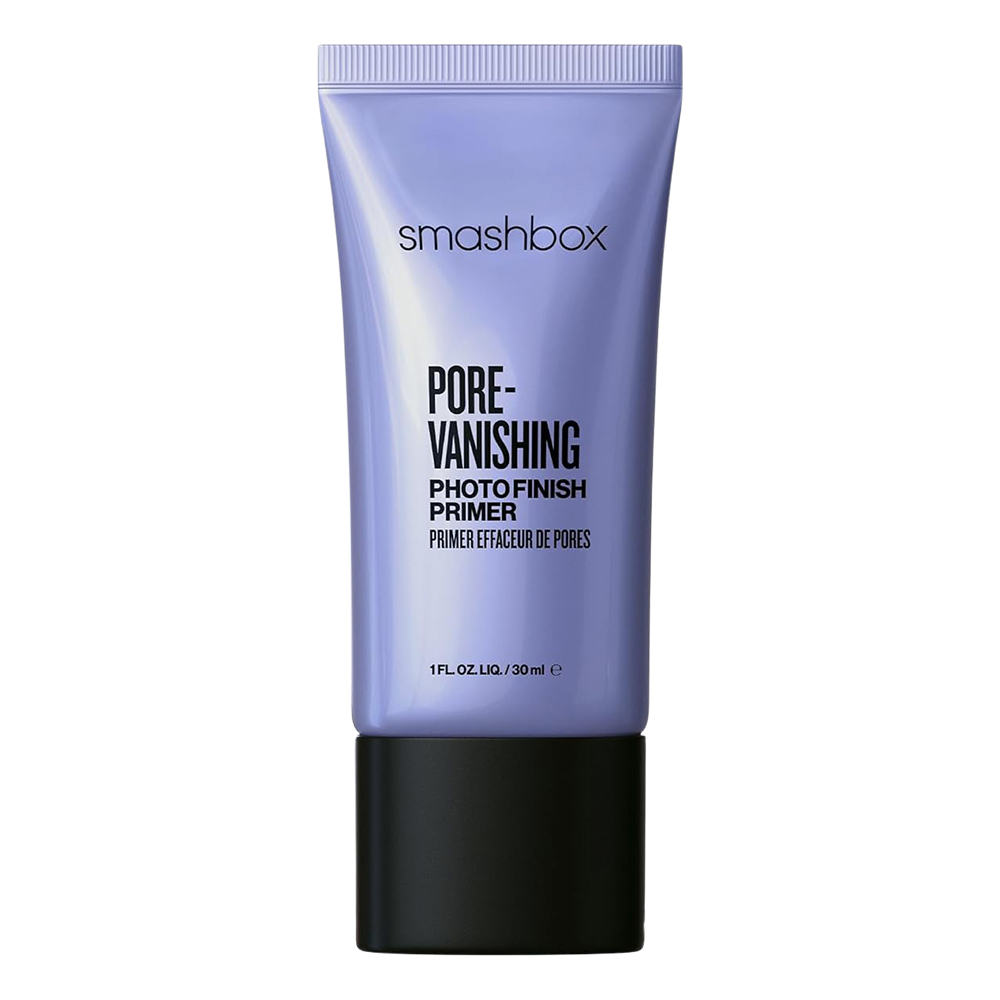
Smashbox Photo Finish Pore Vanishing Primer
This is a strong pick if you want that refined, more polished base look without going all the way into heavy putty territory. It is a good middle ground for people who want visible smoothing but still want their base to stay elegant rather than overly padded.
- Best for: smoother makeup finish with a more refined feel
- Texture: silky smoothing primer
- Best skin type: combination, normal, oily
- Watch out: less ideal if you prefer very grippy base products
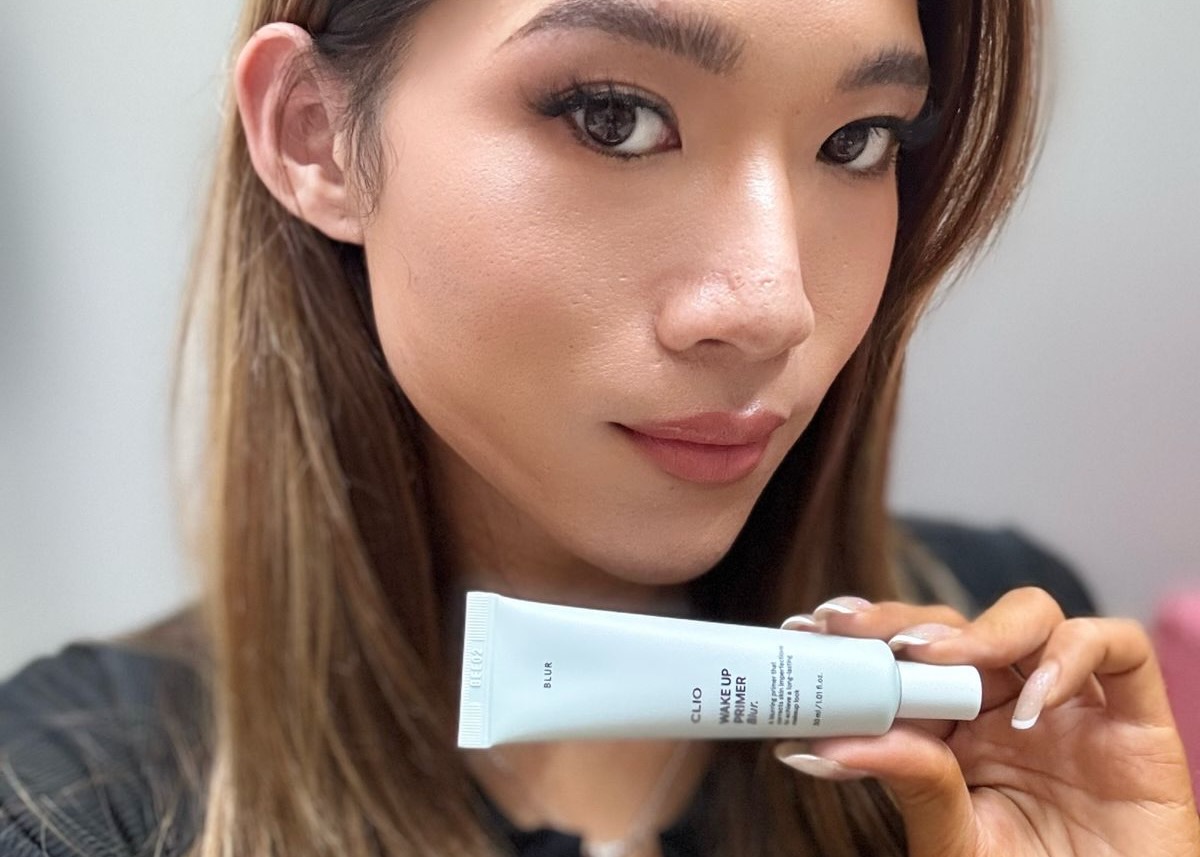
CLIO Wake Up Primer Blur — Best lightweight pore-blurring primer
A lightweight blur primer that smooths texture and softens the look of pores without the heavy feel of traditional silicone primers. It helps foundation apply more evenly and keeps makeup looking cleaner, especially in heat and humidity. For a full breakdown of texture, ingredients, and real-world performance, see my CLIO Wake Up Primer Blur review.
- Best for: combination to oily skin wanting pore blur without heavy buildup
- Texture: lightweight cream-gel
- Best skin type: combination, oily, texture-prone
- Watch out: not the strongest oil-control primer — if shine is your #1 issue, consider a stronger mattifying option
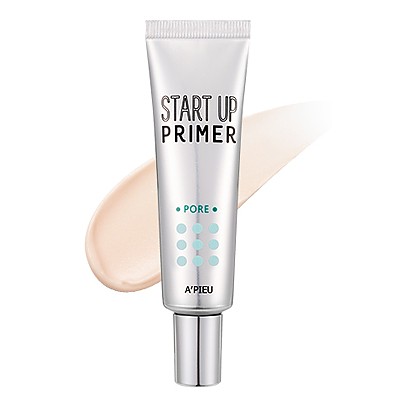
A'PIEU Start Up Pore Primer
This is a nice K-beauty option if you want blur without the feeling of a super thick, heavy layer. It sits in that useful middle space: smooth enough to help with pores, but lightweight enough for everyday wear. Good if you want a more accessible entry into pore primers.
- Best for: daily pore smoothing
- Texture: lightweight silky primer
- Best skin type: combination, normal, mildly oily
- Watch out: not the most aggressive pore-filler on this list
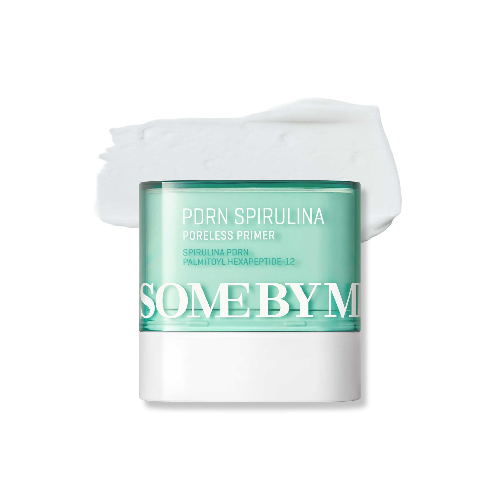
SOME BY MI PDRN Spirulina Poreless Primer
This one is interesting if you want a smoother makeup base with a slightly more modern skin-prep feel. It is a better fit for people who want visible texture help but do not necessarily want a super old-school, dense silicone finish.
- Best for: smoothing uneven texture with a lighter feel
- Texture: cream-gel primer
- Best skin type: combination, normal, mildly texture-prone
- Watch out: may not fill deeper-looking pores as strongly as classic silicone options
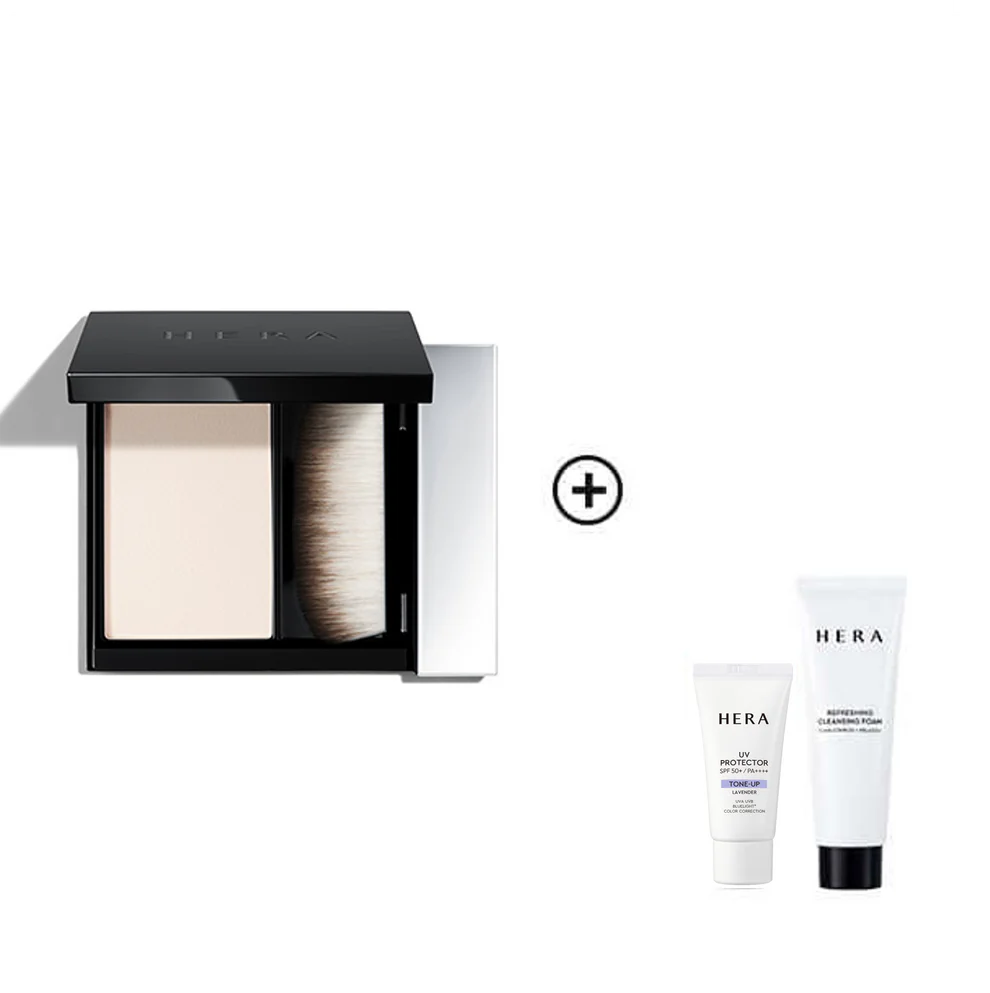
HERA Airy Powder Primer
This is the one I would look at first if your pores get louder as your face gets shinier. It is more of a powder-primer hybrid than a classic slippery pore filler, which makes it especially interesting for oily skin. Think smoother texture with a drier, more controlled finish.
- Best for: oily skin and pore-softening without a greasy feel
- Texture: airy powder primer
- Best skin type: oily, combination, humid-climate routines
- Watch out: not my first choice for very dry skin
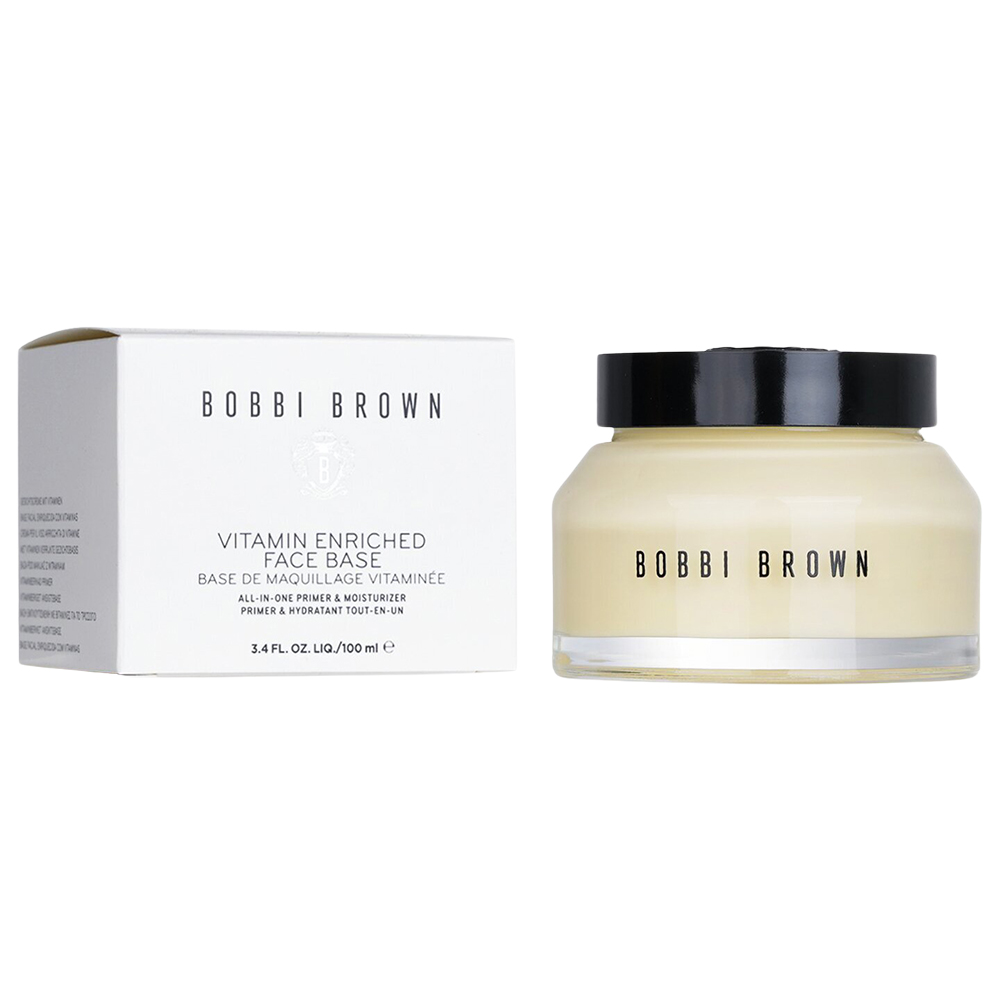
Bobbi Brown Vitamin Enriched Face Base
Bobbi Brown Vitamin Enriched Face Base is my dry or mature skin wildcard. It is not the strongest pore filler here, and that is exactly why it deserves a spot. On skin that is dry, lined, or less elastic, a softer smoothing primer often looks better than an aggressive blur product. This one helps makeup sit more evenly without making the face look flat.
- Best for: dry or mature skin with visible pores
- Texture: cream-primer
- Best skin type: dry, normal, mature
- Watch out: not ideal if your main goal is heavy oil control
My fast picks
- Best classic pore blur: Benefit The POREfessional
- Best budget option: e.l.f. Poreless Putty Primer
- Best lightweight pore blur: CLIO Wake Up Primer Blur
- Best for oily skin: HERA Airy Powder Primer
- Best for dry or mature skin: Bobbi Brown Vitamin Enriched Face Base
Are silicone primers better for pore filling than silicone-free formulas?
For pure pore filling, yes, silicone primers usually do it better. That classic silky texture is popular for a reason. It creates the smoothest shortcut between textured skin and cleaner-looking makeup.
But better is not always the same as better for you. Silicone-free formulas can be a smarter choice if your skin is reactive, if you hate that slip-heavy texture, or if your makeup pills easily when you layer products. They may blur a little less aggressively, but they can sometimes look more natural and cause fewer routine problems.
This is also why a gripping primer is not automatically the same thing as a pore primer. A gripping formula focuses more on hold and adhesion than on actually filling texture. That is why something like the NYX Face Glue gripping primer review belongs in a different conversation than classic pore-blurring primers.
What ingredients help large pores over time?
If you want longer-term improvement, this is where makeup steps aside and skincare takes over. No ingredient is going to delete pores, but some can make them look less obvious over time by keeping them clearer, reducing oil, improving turnover, and helping the skin surface look smoother.
Quick Match Guide
- Oily skin + visible pores: Start with Niacinamide
- Clogged pores + blackheads: Use BHA (Salicylic Acid)
- Aging + rough texture: Try Retinoids
- Surface smoothing + brightness: Add AHA
Niacinamide BEGINNER-FRIENDLY
Best for: Oily skin, enlarged pores, redness
Niacinamide is one of the easiest ingredients to recommend because it is useful for a lot of skin types. It can help reduce the look of excess oil, calm down redness, and make skin texture look more balanced over time. If your pores get more obvious as your face gets shinier, niacinamide makes sense.
Retinoids LONG-TERM
Best for: Aging, rough texture, congestion, fine lines
Retinoids are stronger long-game ingredients. They help with skin turnover, congestion, fine lines, and overall texture. They are not an overnight fix, but if your visible pores are tied to aging, rough texture, or frequent clogging, retinoids are one of the more serious options.
BHA (Salicylic Acid) DEEP-CLEANING
Best for: Clogged pores, blackheads, sebaceous filaments, excess oil
BHA, especially salicylic acid, is the classic ingredient when pores look large because they are full, oily, or congested. It gets into the pore lining better than a lot of other exfoliating ingredients and is especially useful if blackheads, sebaceous filaments, and midday oil are part of the picture.
AHA (Alpha Hydroxy Acid) SURFACE REFINING
Best for: Dull texture, surface smoothing, brightness
AHA works more on the surface. AHAs can help the overall skin texture look smoother and brighter, which can make pores seem less harsh visually. I think of AHAs more as a refining support ingredient than the main pore ingredient, especially if oil is your biggest problem.
Which primer is best for large pores and oily skin?
Oily skin usually does best with a primer that gives blur plus control. You want something that softens the look of pores, but you also want it to stay stable once oil starts coming through. That usually means a silicone or putty style texture, applied in a thin amount only where needed.
If your nose makeup disappears first, or your inner cheeks look rough by midday, do not coat your entire face like frosting. Use the primer on the areas that actually need the help. In general, oily skin benefits from more targeted application than blanket application. If you want a broader breakdown of finishes and formulas for shine-prone skin, read my guide on what primer is best for oily skin.
Which primer is best for large pores and dry or mature skin?
Dry or mature skin usually needs a different approach. The goal is still smoothing, but not at the cost of making skin look flat, tight, or slightly dusty. On this skin type, a heavy matte pore filler can emphasize the exact texture you are trying to soften.
I usually lean toward hybrid primers here: something with smoothing ability, but with a bit more cushion or moisture. A softer gel, cream-primer, or water-based smoothing formula can make pores look less obvious without pulling attention to dryness or lines. For mature skin especially, "perfectly filled" is not always the prettiest result. Sometimes "smoother and more flexible" wins.
Can pore-filling primers clog pores or trigger breakouts?
They can, yes. Not for everyone, but definitely for some people. The risk goes up if you are acne-prone, you apply a lot of product, or you use a very dense formula all over the face every day.
This does not mean you have to avoid them completely. It just means you should be strategic. Use a small amount, keep it mostly to the pore-heavy areas, and remove your makeup properly at night. If you already deal with frequent breakouts and want base products that tend to behave better on reactive skin, my guide to best foundation makeup for acne-prone skin is a good next read.
Breakout prevention checklist
- Use primer only where you actually need pore blur
- Do not stack thick skincare, thick primer, and heavy foundation all at once
- Remove makeup thoroughly at night
- Patch test if you know your skin reacts easily
How should you apply primer so it does not pill or emphasize texture?
Application matters more than people think. A good primer used badly can look worse than no primer at all. The most common mistakes are using too much, rubbing too hard, and layering it over skincare that has not settled yet.
My practical routine
- Keep skincare light. Too many rich layers under primer can create slip and pilling.
- Let skincare settle. Give it a minute before going in with makeup.
- Use less than you think. A small amount is usually enough for nose, inner cheeks, and forehead center.
- Press, do not scrub. Pat or press primer into the pores instead of dragging it around.
- Feather the edges. Concentrate it where pores are most visible and blend the edges outward.
- Do not over-layer base on top. Thin foundation layers always look better over pore primer than thick ones.
Once your base is done, the finishing step matters too. If your makeup tends to separate or get shiny around the center of the face, a good mist can help lock the whole thing together. I go into that more here: best setting spray for oily skin.
Do you need primer at all if you do not have large pores?
Honestly, no. Primer is useful, but it is not automatically necessary. If your skin is already smooth, your foundation sits well, and your makeup lasts fine, you might not need a separate primer step at all.
Primer is most useful when it solves a specific problem: visible pores, slipping foundation, extra shine, rough texture, or short wear time. If you are still figuring out whether primer is actually worth adding to your routine, I already broke that down in my article on is makeup primer necessary.
What skincare steps make the biggest difference before makeup?
Before you even think about primer, get the prep right. Good makeup on textured skin usually starts with a routine that is simple, balanced, and not too greasy.
- Cleanse gently: get rid of excess oil and leftover skincare film without stripping the skin.
- Hydrate lightly: even oily skin needs some hydration so makeup does not cling weirdly.
- Use targeted treatment: niacinamide, salicylic acid, or retinoids can help over time.
- Do not overload the face: five layers of skincare can make primer and foundation more unstable.
- Let products set: rushed layering is one of the fastest ways to make makeup pill.
And of course, primer only matters if the rest of your base makes sense too. If you are pairing it with the wrong foundation, the result can still look rough. For pore-prone skin specifically, see my guide to the best foundation for large pores and oily skin.
Skincare that helps pores long-term
If you want pores to look better over time, not just under makeup, add skincare that targets oil, congestion, and texture. I have reviewed a few products that do this without overcomplicating your routine:
- Innisfree Super Volcanic Pore Clay Mask: draws out oil and clears congestion, especially useful if blackheads make your pores look larger.
- Innisfree No Sebum Mineral Powder: not technically skincare, but helps control shine throughout the day so pores stay less obvious under makeup.
- Innisfree Retinol Green Tea PDRN Skinbooster Ampoule: retinol helps refine texture and tighten the look of pores over time with consistent use.
- Innisfree Gel Mask: hydrating treatment that keeps skin plump so texture looks softer and pores less pronounced.
- LANEIGE Bouncy Firm Sleeping Mask: overnight treatment that improves firmness and smoothness, which helps with how pores sit on the skin the next day.
None of these will physically shrink your pores, but they create a better surface for primer and makeup to work with. Clearer, smoother, more balanced skin makes every cosmetic step easier and more effective.
When should someone skip primer and treat the underlying skin issue instead?
Skip the obsessive primer hunt if the real problem is not makeup texture. If your pores look very obvious because of persistent congestion, blackheads, uncontrolled oil, irritation, barrier damage, or deeper textural scarring, a primer can help cosmetically, but it is not the main fix.
That is when you step back and ask whether you need a skincare change instead: more consistent exfoliation, better acne management, a retinoid routine, lighter daytime products, or just less aggressive makeup layering. Makeup can absolutely improve the look of the skin, but it should not have to work harder than the routine underneath it.
How to choose the right primer for your pore situation
If your pores are most obvious because of shine, go more matte or more oil-controlling. If they are most obvious because of texture, go more smoothing or more filling. If they are most obvious because the skin is dry, lined, or not very bouncy, choose something softer and more flexible.
- Oily skin + visible pores: silicone or powder-primer hybrids
- Combination skin + texture: balm or lightweight smoothing primers
- Dry or mature skin + visible pores: hydrating smoothing primers
- Acne-prone skin: use only where needed and keep the rest of the base lighter
Final verdict
The best face primer for large pores is not necessarily the one that fills the hardest. It is the one that gives you the most believable improvement without making the rest of your makeup worse. For some people that is a classic silicone blur product. For others, it is a lighter gel or a powder-primer hybrid.
My main advice is simple: figure out why your pores look obvious, choose texture accordingly, and keep the application targeted. Pore primers work best when they are treated like a precision tool, not like a face mask.
Maddie is here to share beauty knowledge and help you build a makeup routine that actually works in real life. Love ya.
FAQ
What actually makes pores look large?
Usually oil, congestion, texture, and loss of skin firmness. Makeup can blur the look of pores, but the underlying reason they stand out is often skincare-related.
Can primer really minimize pores?
It minimizes how noticeable they look, not their actual size. Think optical blur, not structural change.
Which texture is best for large pores?
Silicone and putty textures usually give the strongest instant blur. Gel and water-based primers are better if you want something lighter or more flexible.
Are silicone primers always better?
Better for filling, usually yes. Better for every skin type, no. Some people get a prettier result from lighter or less slip-heavy formulas.
Can pore-filling primers cause breakouts?
They can for some people, especially if you use too much or already break out easily. Use a small amount only where you need it and remove it properly at night.
Do I need primer every day?
Not at all. If your skin is already smooth and your makeup behaves well, primer can be optional. It is most helpful when you need extra blur, oil control, or wear time.