
Quick Answer
The best foundation for oily skin — one that controls shine and actually lasts — is usually a matte or soft-matte formula with oil-absorbing powders (silica, perlite, kaolin, or silicone elastomers) plus film-formers that help it set and resist transfer. If your makeup slides, the fix is almost always thinner layers, targeted powder, and touch-ups that start with blotting — not more powder on top of oil.
If you have oily skin, you know the feeling: foundation looks great at 9am, and by noon the T-zone is shiny, the nose is patchy, and somehow the cheeks look both oily and textured at the same time. Oil-absorbing foundation can genuinely help — but only if you understand what that term actually means and how to wear it correctly.
I'm going to break this down the way I do when I'm explaining it in the store: what to look for, what to skip, how to apply it so it holds, and which foundations are actually worth considering if oil control matters to you.
Which Foundation Controls Oil and Lasts?
Oil control and long wear are related, but not the same thing. The foundations that do both usually have three things going on at once:
- Oil-absorbing powders that take up sebum and visibly reduce shine.
- A finish that sets — matte or soft-matte — so the base stops moving after application.
- Film-formers that resist friction and transfer from phones, masks, hands, and humid air.
If a foundation is "matte" but still transfers everywhere, the film formation is weak. If it's "long-wear" but gets shiny fast, there's not enough actual oil absorption — or the layers are too thick to let it set properly.
What Does "Oil-Absorbing Foundation" Actually Mean?
Foundations that absorb oil contain particles that bind to sebum, reducing how shiny the skin looks. The effect isn't unlimited. Once those particles become saturated throughout the day, shine returns and the base can start breaking down.
Brands use "oil-absorbing" to mean three different things, which is where confusion starts:
1) Ingredients: the formula contains oil-absorbing particles (silica, perlite, kaolin, silicone elastomers, etc.).
2) Finish: it dries to a matte or soft-matte look, reducing visible shine even if oil production continues underneath.
3) Wear claims: "24h," "transfer-resistant," "sweat-proof." These usually refer more to film-formers than actual oil absorption.
A foundation can absorb oil but still transfer. It can also be transfer-resistant but still get shiny. The best-performing formulas combine real oil absorption with strong film formation.
Which Ingredients Absorb Oil Best?
Most oily-skin foundations use a blend of powders. Each one has a slightly different feel and performance profile:
Silica
One of the most common oil absorbers. Silica reduces shine and helps the product feel less tacky. The trade-off: if the formula is too silica-heavy, it can look dry or emphasize texture — especially when over-powdered on top.
Perlite
Another oil-control powder, often used alongside silica to balance feel and oil uptake. If you prefer a smoother, less chalky matte, perlite-based formulas tend to feel more comfortable to wear.
Kaolin
Kaolin clay absorbs oil and helps a foundation feel more "set." It can be great on very oily skin, but clay-heavy bases can look thicker if you apply too much or if your skin is dehydrated underneath.
Aerogel-style porous ingredients
The concept is simple: ultra-porous particles have more surface area and more space to take up oil, which helps keep skin looking less shiny for longer. Some newer formulas use this kind of material for both shine control and a soft-focus effect.
Silicone elastomer powders
These are behind that smooth, blurred look — especially around pores. They can help absorb oil and help the base wear more evenly. If you want oil control and pore blur at the same time, pay attention to this category.
How Oil-Absorbing Powders Work (Absorption vs Adsorption)
The short version:
- Absorption — oil gets taken into the material (porous, sponge-like particles).
- Adsorption — oil sticks to the surface of a particle (surface grab).
More pores and more surface area means more capacity to hold oil — which is why ultra-porous powders can keep skin looking less shiny for longer. But powder capacity alone isn't the whole story: if the base doesn't set into a stable film, it can still shift and slide regardless.
Oil Control vs Transfer Resistance
This is the biggest confusion I see when people are shopping for oily skin foundations.
Oil control = reduces shine and prevents the "greasy" look from becoming visible.
Transfer resistance = the foundation sets into a film that doesn't move onto your phone, mask, collar, or hands.
Oil-absorbing powders help with shine. Transfer resistance comes from how the formula dries down and what film-formers are doing the work. A base can be visibly matte but still leave a print on your phone every time you take a call — those are two separate properties.
Why Foundations Oxidize More on Oily Skin (And How to Prevent It)
Oxidation is when your foundation turns darker or warmer after it's been on your face for a while. On oily skin it tends to be more noticeable because sebum changes how pigments sit on the skin and how they reflect light.
What actually helps:
- Shade test and wait: give it 10–15 minutes before deciding if the shade is right.
- Apply thinner: thick layers oxidize more noticeably and faster.
- Set the center early: press powder lightly into the T-zone so oil contacts powder first, not pigment.
- Keep skincare lightweight: heavy emollient layers under foundation can amplify warmth and breakdown.
If shade matching is the sticking point, this is a clear guide: how to choose your foundation shade.
Is Oil-Free (Non-Comedogenic) Better for Oily or Acne-Prone Skin?
Often yes — but "oil-free" and "non-comedogenic" are useful filters, not guarantees. Acne-prone skin still reacts to friction, heavy layering, and skipping proper removal.
- Oil-free often feels lighter and can reduce shine, especially in humidity.
- Non-comedogenic is worth prioritizing if you're acne-prone, but your individual triggers still matter more than the label.
- Thin coverage: a light base plus spot concealer is often less irritating than heavy full-face layers.
For formula-specific guidance on acne-prone skin, read: best foundation makeup for acne-prone skin.
Matte vs Soft-Matte vs Natural Finish
People with oily skin sometimes go too extreme in one direction. Ultra-matte is great for photos but can emphasize texture in real daylight. Natural finish looks beautiful for about two hours — then shine takes over.
- Matte: best for very oily skin, long days, and heat. Can look heavier if over-applied.
- Soft-matte: the most forgiving everyday finish for most oily skin types. Controls shine without looking flat or heavy.
- Natural: can work if you're moderately oily or comfortable doing touch-ups mid-day.
If the most skin-like result is what you're after: what is the most natural looking foundation.
Application: How to Prevent Foundation From Sliding
If your base slides, it's usually one of four things: too much skincare underneath, too much foundation, the wrong primer placement, or powder applied in the wrong areas. For the full step-by-step method I actually recommend: best way to apply foundation on oily skin.
Step-by-step (the method I teach most in store)
- Skincare: keep it light. Let it fully settle before you touch foundation. If your moisturizer feels tacky after 5 minutes, wait longer.
- Primer (optional): apply mainly in the T-zone and around the nose where you tend to break down first.
- Foundation: thin layer, starting in the center of the face, blended outward.
- Set strategically: press powder into the center of the face first — forehead, nose, inner cheeks, chin. Leave outer cheeks lighter. For product picks: best setting powder for oily skin.
- Let it finish setting: stop touching your face while it's drying down. That last minute matters.
If you're figuring out how to distribute coverage between foundation and concealer, this is a useful read: makeup concealer vs foundation.
Touch-Ups Without Caking
Most caking happens because people put powder on top of oil. Oil plus powder creates clumps. The fix is simple and it takes 30 seconds.
The no-cake touch-up method
- Step 1: Blot with a tissue or blotting paper. Press, don't rub.
- Step 2: Add a small amount of powder only where needed — usually the T-zone.
- Step 3 (optional): If coverage has broken down, use a small amount of powder foundation as a targeted touch-up only on those spots.
If you like compact-format touch-ups, it's worth looking at cushion foundation for oily skin. Easy to carry, fast to use. The downside is that cushion shades tend to skew lighter, which doesn't always work for deeper or tanner skin.
Powder vs Liquid Foundation for Oil Control
For pure shine reduction, powder usually absorbs more directly because it is essentially concentrated oil-absorbing material. For a smoother, more even base that resists sweat and friction, a good liquid tends to last better overall.
- Choose powder if you get shiny fast, want a blurred look, or need easy on-the-go touch-ups.
- Choose liquid if you want the most even finish, buildable coverage, and stronger long-wear behavior.
My personal preference for oily skin is a liquid foundation in a thin layer, then powder only where I actually get oily — T-zone and inner cheeks. For a fuller comparison: powder or liquid foundation.
What Matters Most in Humid Climates
Heat and humidity stack multiple breakdown triggers at the same time:
- Sebum: makes the base shinier and can change how pigments look over time.
- Sweat: water plus salt that breaks down makeup around the upper lip and hairline specifically.
- Friction: masks, phones, hands, collars. This is where transfer resistance becomes the deciding factor.
In humid weather, I prioritize formulas that set into a film fast — matte or soft-matte — and I set the center of the face earlier in the routine. For budget-friendly options that can still handle the heat: best drugstore foundation for oily skin.
Formula Red Flags
Certain formula and application patterns consistently cause problems on oily skin. If your foundation looks separated or greasy by midday, check these first:
- Very emollient, creamy textures that never fully dry down — these often slide on oily skin.
- Heavy skincare underneath — thick balms or rich creams in the T-zone act as a slip layer.
- Too many layers — foundation plus thick concealer plus powder plus more powder creates separation later.
- Finish mismatch — starting with a natural or dewy base and then trying to "fix" shine by baking usually makes texture worse.
- Over-powdering dry areas — creates visible texture that looks worse once oil comes through on the surrounding areas.
Top 5 Oil Absorbing Foundations
These are solid picks for oil control and wear time. They cover different price points and finish preferences — not every one will be right for every skin type, but all of them are consistent performers for shine control.
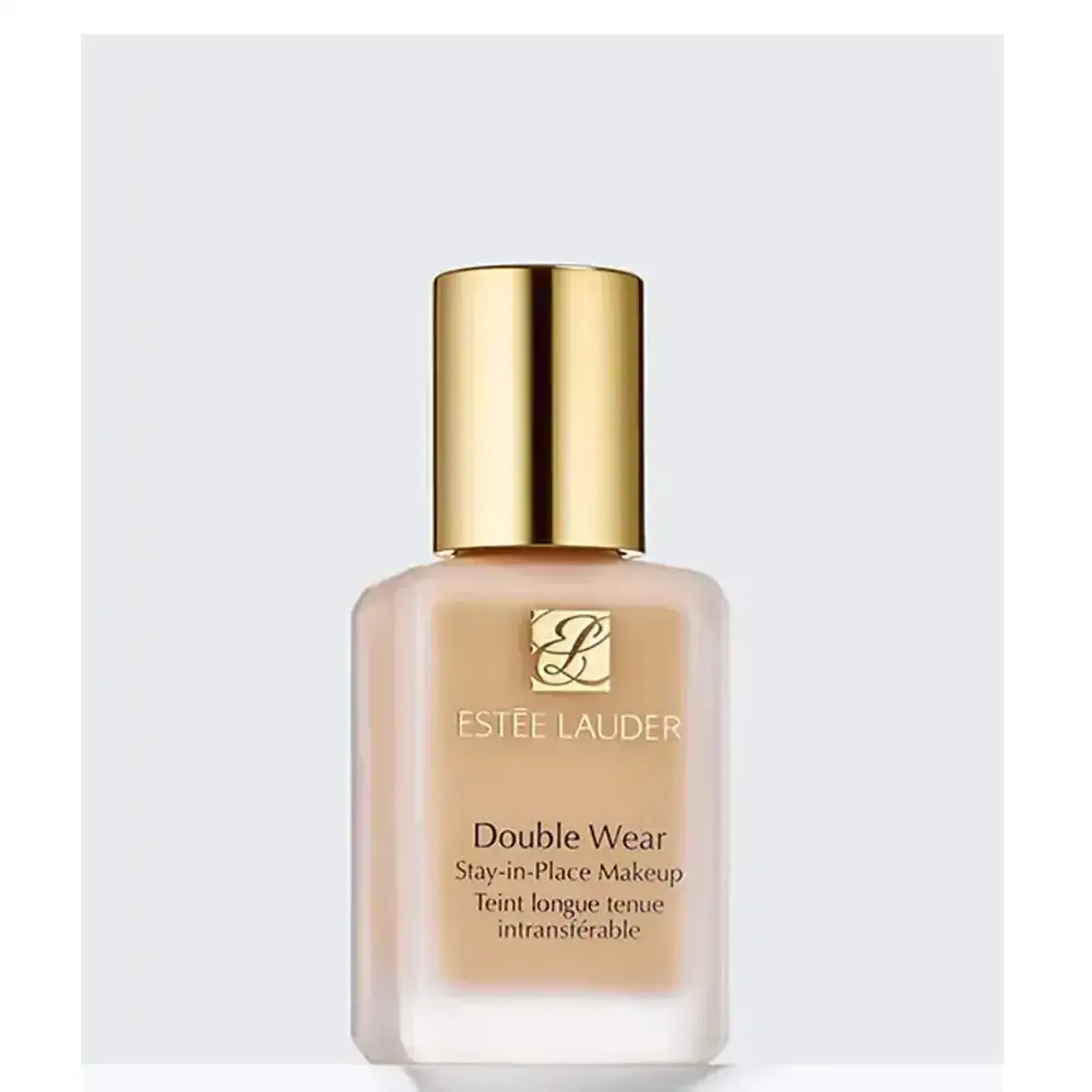
Estée Lauder Double Wear Stay-in-Place
The reference point for oily-skin longevity. It sets fast, stays put through heat and friction, and handles long days better than most foundations at any price. Use thin layers and resist the urge to over-powder — thick application is the main reason this one looks heavy.
- Best for: Very oily skin, long events, hot weather
- Finish: Matte / natural matte
- Tip: Apply quickly and blend immediately — it sets down fast
Full wear notes: Estée Lauder Double Wear Stay-in-Place review.
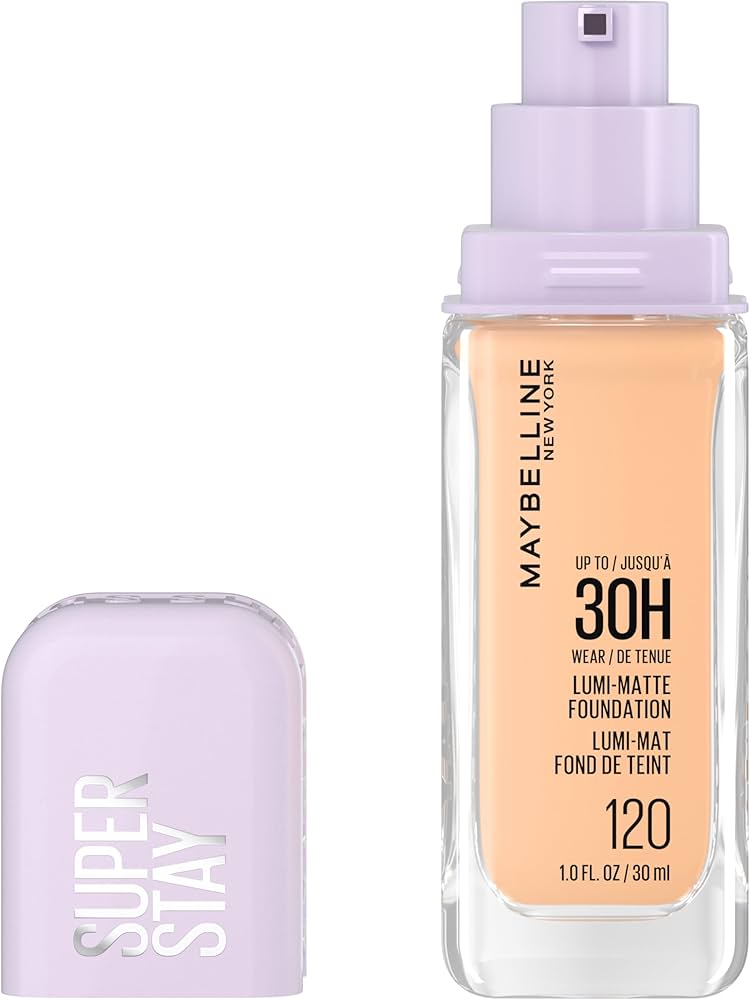
Maybelline Super Stay Lumi-Matte
A soft-matte option that controls oil without looking flat or heavy. The key is keeping the layer thin — build only where you actually need coverage, and set just the T-zone.
- Best for: Oily skin that still wants a skin-like finish
- Finish: Soft matte
- Tip: Set only the center of the face; leave the outer areas lighter
My testing notes: Maybelline Super Stay Lumi-Matte foundation review.
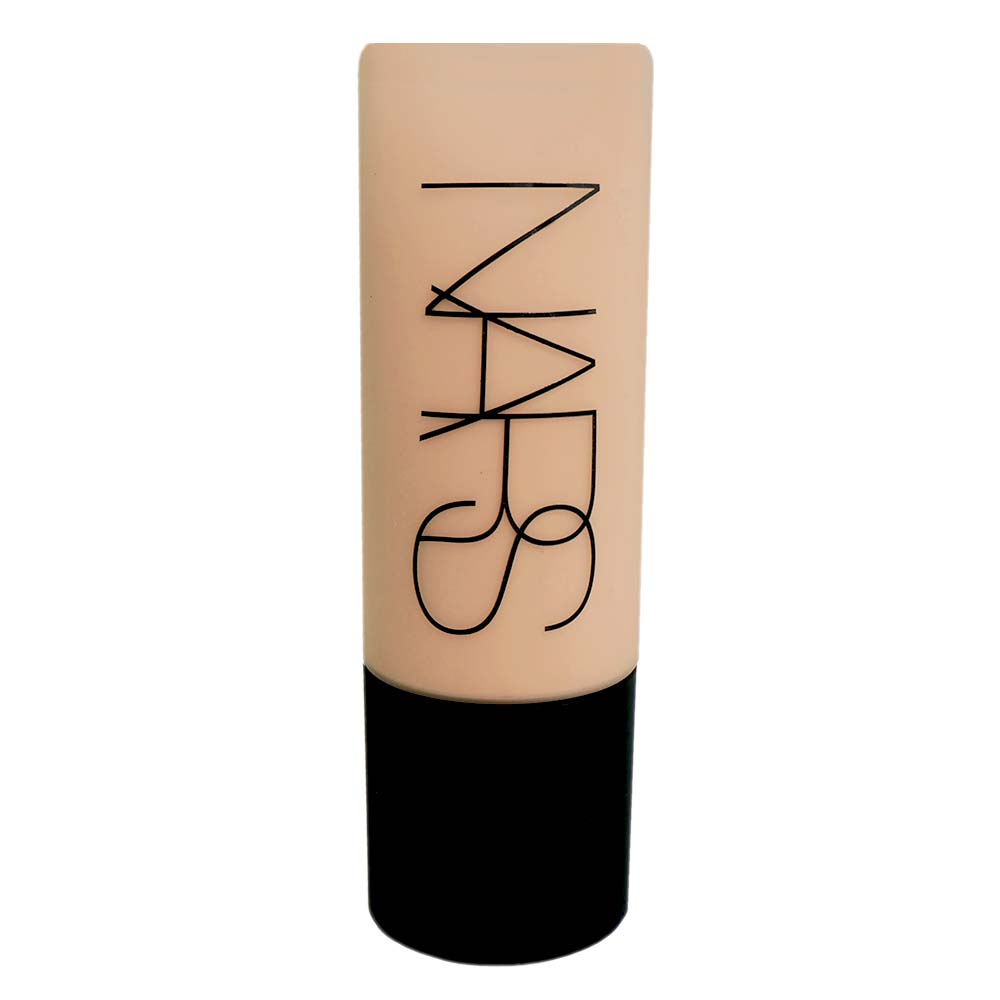
NARS Soft Matte Complete Foundation
Polished, oil-controlling, and consistently good-looking in photos. The finish is soft-matte rather than chalky, which makes it more wearable day-to-day. Blending with a damp sponge gives the most natural result. Full breakdown: NARS Soft Matte Complete Foundation review.
- Best for: Oily skin with visible pores or texture concerns
- Finish: Soft matte
- Tip: Apply with a damp sponge for the most natural blend
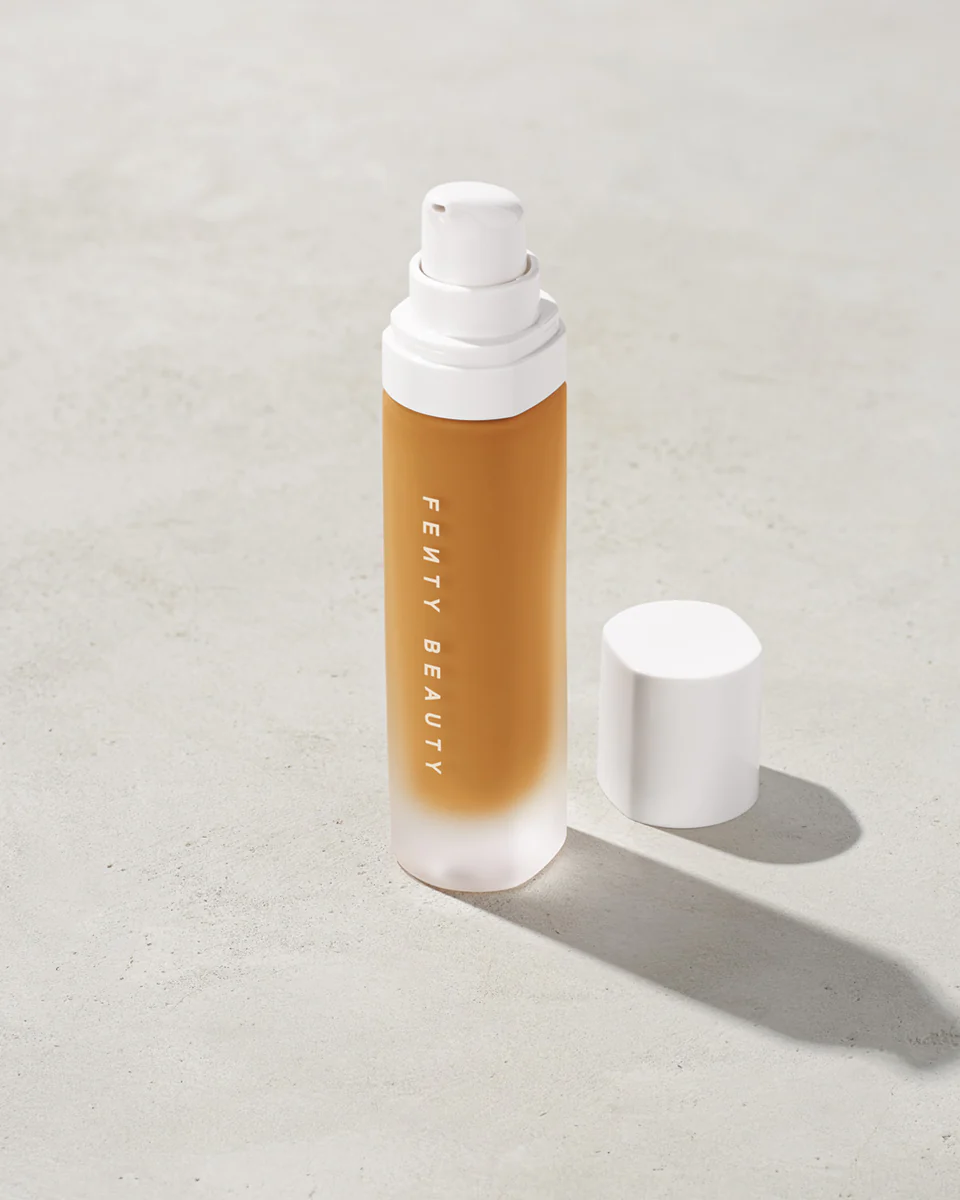
Fenty Beauty Pro Filt'r Soft Matte Foundation
Strong oil control with a blurred, soft-focus finish. If you want pores to look smoother and want your base to stay even through the day, this is a reliable option. Keep skincare lightweight underneath to avoid slip at the skin interface.
- Best for: Shine control with a "blur" effect
- Finish: Soft matte
- Tip: Use minimal skincare underneath to prevent the base from sliding
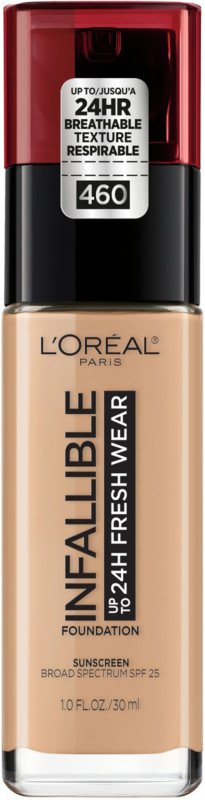
L'Oréal Infallible Fresh Wear (Liquid)
One of the better thin-but-strong options at the drugstore level. It looks more natural than a heavy matte but still wears well through the day if you set the center of the face. Full breakdown: L'Oréal Infallible Fresh Wear foundation review.
- Best for: Long wear with a lighter, more comfortable feel
- Finish: Natural / soft matte
- Tip: Press powder into the T-zone; leave outer cheeks lighter
How to Choose Your Best Pick
For the broadest comparison across finish, coverage, and budget, use best foundation for oily skin. If maximum coverage is the priority, go to best full coverage foundation for oily skin.
Buying Checklist
Don't shop by hype. Shop by the properties that actually matter for oily skin:
- Finish: soft-matte is the most forgiving everyday option; matte for very oily skin.
- Oil absorbers in the formula: silica, perlite, kaolin, or elastomer powders.
- Dries down: not creamy or tacky after application.
- Buildable in thin layers: looks good with minimal product, not just with heavy coverage.
- Touch-up friendly: doesn't cake when you add powder later in the day.
One Last Tip
If your base keeps failing, the answer usually isn't a stronger foundation. It's a smarter distribution of product: lighter base, targeted concealer, strategic setting. Understanding what each product is supposed to do changes everything: concealer vs foundation.
Maddie is here to share beauty knowledge and help you build a makeup routine that actually works in real life.
FAQ
What does oil-absorbing foundation mean?
It usually means the formula contains particles that take up sebum — silica, perlite, kaolin, silicone elastomers — and/or it dries down to a matte or soft-matte finish. It doesn't automatically mean it's transfer-resistant. Those are two different things.
What ingredients absorb oil best in foundation?
Silica, perlite, kaolin, and silicone elastomer powders are the most common. Ultra-porous materials (aerogel-style) are also showing up in newer formulas. Look for these on the ingredient list if oil control is your main priority.
Why does foundation oxidize more on oily skin?
Sebum changes how pigments sit and reflect on the skin, making foundation appear darker or warmer over time. Shade-test and wait 10–15 minutes before deciding. Apply thin, set the center early, and keep skincare lightweight underneath.
Is oil-free or non-comedogenic foundation better for oily or acne-prone skin?
Often a good starting point, but not a guarantee. Acne-prone skin depends just as much on gentle removal, avoiding thick layers, and minimizing friction. For formula-specific guidance: foundation makeup for acne-prone skin.
How do I touch up oily skin without caking?
Blot first, then add powder. Oil plus powder stacked together clumps and looks heavy. If coverage has also broken down, use a small amount of powder foundation as a targeted touch-up only on those areas.