
Quick Answer
There isn't one single most natural looking foundation for everyone. The most natural looking base is the one that matches your skin type, fits your undertone, and can be applied in a thin, even layer. In general, liquid foundations are the easiest way to get a skin-like finish, while powder foundations can look dry or flat on many people unless you have a very specific skin type and technique.
I'm Maddie, and I work in a makeup store. People come in all the time asking: "What is the most natural looking foundation?" And I get why. Nobody wants to look like they're wearing a mask. They want their skin to look like skin, just more even, a bit smoother, and more polished.
Here's my honest answer: there is no single "winner" foundation that looks natural on everyone. The most natural looking liquid foundation for one person can look dry, heavy, or patchy on someone else. It depends on your skin type, your undertone, your texture, and even how you apply it. Price doesn't decide it either. I've seen expensive foundations look terrible because the match was wrong, and drugstore foundations look stunning because the person chose the right finish and used the right technique.
Also, I want to say this clearly: foundation is supposed to create an even, natural-looking base. Makeup is meant to highlight what's already beautiful about your face, not change who you are. The best "natural" makeup looks like you… on a really good day.
What "Natural Looking Foundation" Actually Means
When clients tell me they want something "natural," they usually mean a few specific things:
- Skin texture still looks like skin. Not completely airbrushed, not flat.
- The shade blends into the neck. No face-mask color line.
- The foundation wears evenly. It doesn't separate, crack, or cling to patches.
- The finish matches their skin goals. Satin and soft-matte are usually the most realistic.
A natural foundation doesn't have to be sheer. You can have medium coverage and still look very skin-like if the formula is flexible and the shade match is correct. The "unnatural" look usually comes from too much product, a wrong undertone, or a finish that fights your skin.
Step 1: Identify Your Skin Type (Because This Changes Everything)
The most common reason foundation doesn't look natural is that it was chosen for the wrong skin type. If you're not sure what yours is, do this first: how to identify your skin type.
Oily skin
Oily skin doesn't need to be "fixed." It needs a foundation that stays stable as oil comes through. The goal is even wear: not melting, not separating, and not turning shiny in the wrong places. For more on how oil-absorbing formulas work and which ingredients help foundation stay put, see my oil absorbing foundation makeup guide. If this is you, start with: best foundation for oily skin.
Dry skin
Dry skin needs flexibility. If the formula dries down too hard, it will cling to texture and look dusty. Natural foundation on dry skin usually means: more hydration, a softer finish, and less powder.
Combination skin
Combination skin is the "two different faces" situation: oily T-zone and normal or dry cheeks. In this case, natural-looking foundation is often about targeted techniques: use oil control only where needed, and keep the rest light.
Acne-prone skin
If you're acne-prone, the goal is still natural. Heavy foundation often looks worse because it emphasizes texture and invites over-application. I wrote a full guide for this: best foundation makeup for acne prone skin.
Step 2: Undertone and Shade Match (The #1 Natural-Look Secret)
The truth: the most beautiful formula in the world will still look wrong if your shade is off. If someone says "foundation never looks natural on me," I almost always suspect undertone mismatch. Here's the full guide: how to choose foundation shade.
Quick advice from me:
- Match to your neck (not your hand).
- Test along the jawline in good lighting.
- Wait 10–20 minutes before deciding, because some foundations oxidize.
- Don't chase lighter shades for "brightening." That's what concealer is for.
Natural-looking makeup is about harmony. If your foundation is too warm, too pink, or too grey, people will notice the foundation first.
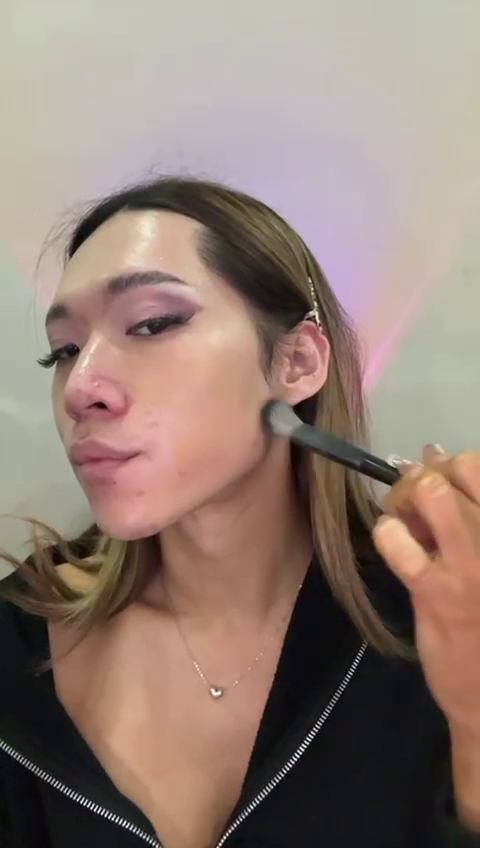
Liquid vs Powder Foundation (Why Liquid Often Looks More Natural)
I'm going to say it clearly: for most people, liquid foundations are the easier path to a skin-like finish. Powder foundations can look beautiful on the right skin type, but on many faces they read dry, flat, or "makeup-y," especially if you apply too much or have texture.
If you want the full breakdown, I wrote it here: powder or liquid foundation.
Why liquid foundations look more like skin
- They can be blended thinly and evenly.
- They melt into the skin better with warmth and pressure (sponge/brush/fingers).
- They usually create a smoother surface reflection, which reads more "real."
When powder foundation can be the better choice
- If you're very oily and want fast, easy touch-ups.
- If you like light coverage and hate the feeling of liquid base.
- If you already have smooth skin texture and only need minimal evening.
Even then, I often recommend using powder as a setting step rather than your whole base. A thin liquid base + targeted powder tends to look the most natural.
Coverage: Sheer vs Medium vs Full (What Looks Most Natural?)
"Natural" doesn't automatically mean sheer. It means the foundation looks like your skin and wears like your skin.
Sheer coverage
The most forgiving for texture and the easiest to keep natural. Great for everyday makeup and people who want "my skin but better." For lightweight formulas that look like your real skin, see my best light coverage foundation guide.
Medium coverage
This is the sweet spot for most people. It evens tone while still looking like skin if applied thinly. Medium coverage becomes unnatural when you pile it on without controlling placement.
Full coverage
Full coverage can still look natural, but it requires the most technique. The natural version of full coverage is: thin layer + strategic concealing — not a thick blanket of product. If you're deciding between concealer and foundation roles, read: makeup concealer vs foundation.
Finish: The Most Natural-Looking Foundation Is Usually Satin or Soft-Matte
In real life, skin is not completely matte and not a glass mirror either. That's why the most natural looking foundation finish is usually:
- Satin: slight glow, healthy, still controlled.
- Soft-matte: smooth and refined, not flat.
Super dewy foundations can look gorgeous in photos, but in daylight they can read "wet" on some skin types. Super matte foundations can look polished too, but if you over-set them they can look dry and heavy.
Technique: How to Make Foundation Look Like Skin
This is where a lot of people lose the natural look. They buy a good foundation, then apply it in a way that makes it look like makeup. Here's my practical technique that works on most skin types. If you have oily skin specifically and want a dedicated application guide, see my post on the best way to apply foundation on oily skin.
1) Start with less product than you think
This is my #1 rule in-store: start with a small amount and build only where needed. Most "cakey" foundation is just too much foundation. Put a little on the center of the face (around nose, cheeks near nose, chin, forehead center), then blend outward.
2) Choose your tool based on the finish you want
- Fingers: most skin-like for sheer coverage and quick everyday looks.
- Damp sponge: most forgiving and natural for blending (especially for texture).
- Brush: best for coverage, but can look heavy if you over-buff.
If you're oily, you can still get a natural look, but you have to keep your layers thin. If you're dry, pressing with a sponge tends to look smoother than buffing with a dense brush.
3) Let layers set before adding more
If you immediately add more product, you just push foundation around. A natural base is controlled: apply thin, blend, wait a moment, then only add product where you still see uneven tone.
4) Use concealer strategically instead of adding more foundation
If you keep adding foundation to cover one spot, the whole face starts looking thick. Keep foundation as your "even tone" step, then spot-correct with concealer.
5) Set only where you need it
A natural finish usually dies when people powder the entire face heavily. If you're oily, set the T-zone lightly. If you're normal-to-dry, you might not need powder at all. The goal is to keep your skin dimension visible.
Product Reality: Expensive Doesn't Automatically Mean Better
I've seen luxury foundations look incredible — and I've seen them look awful on the wrong skin. Price can reflect packaging, marketing, shade range, or ingredient quality, but it can't override mismatch.
A foundation that fits your skin type and undertone will almost always look more natural than a "fancy" one that doesn't. This is why I'm comfortable recommending drugstore options when they perform.
My Practical Starting Point for a Natural Base (Especially for Oily Skin)
If you're oily and you want a base that still looks like skin, my personal favorite is: Maybelline Super Stay Lumi-Matte Foundation. It wears well and still looks polished instead of dry.
And if you want the broader list with different finishes and budgets, read: best foundation for oily skin.
What If You Prefer Cushions?
Cushion foundations can be very natural-looking because they encourage thin layers. The key is choosing a cushion that matches your skin type (and doesn't turn greasy or oxidize too fast). If you're oily, I've tested and listed my favorites here: best cushion foundation for oily skin.
Common Reasons Foundation Doesn't Look Natural (And Fixes)
Your foundation looks cakey
- Cause: too much product, too much powder, or dry patches.
- Fix: use half the amount, press with a damp sponge, set only where needed.
Your foundation separates around the nose
- Cause: oil + heavy skincare + thick foundation layers.
- Fix: lighter skincare, thin base, targeted setting, blot before touch-ups.
Your foundation looks orange or grey later
- Cause: undertone mismatch or oxidation.
- Fix: test shades properly and wait before buying.
Your foundation looks dry and flat
- Cause: too matte for your skin type, or powder foundation applied too heavily.
- Fix: switch to a flexible liquid base and use powder only where necessary.
So… What Is the Best Most Natural Looking Foundation?
If you've read this far, you already know my answer: there isn't one single best most natural looking foundation for everyone.
The most natural looking foundation is the one that:
- Fits your skin type (oily, dry, combo, acne-prone)
- Matches your undertone and shade
- Has a finish that looks realistic on your skin (usually satin or soft-matte)
- Can be applied in thin layers
- Wears evenly in your real life
Foundation is supposed to make your skin look even and healthy, not like you're wearing a filter. Use the right formula, the right shade, and a light hand — and you'll be shocked how natural your makeup can look. Love ya.
Frequently Asked Questions
What is the most natural looking foundation?
There isn't one single most natural looking foundation for everyone. The most natural looking foundation is the one that matches your skin type and undertone, applies in a thin layer, and wears evenly. Start here: how to identify your skin type.
What is the best most natural looking foundation?
Usually a lightweight liquid foundation with buildable coverage and a satin or soft-matte finish. The best formula still won't look natural if the shade is wrong, so use: how to choose foundation shade.
What is the most natural looking liquid foundation?
The most natural looking liquid foundation is one that matches your undertone and sits thinly on the skin. If you're oily and want a polished skin-like finish, my personal favorite is: Maybelline Super Stay Lumi-Matte.
Is liquid foundation more natural than powder?
For most people, yes. Liquid foundation usually blends more seamlessly and looks more skin-like, while powder can look dry or flat if applied heavily. Full breakdown: powder or liquid foundation.
What if I have oily or acne-prone skin?
Choose foundations that wear evenly and don't require thick layers. If you're oily, start with: best foundation for oily skin. If you're acne-prone, read: best foundation makeup for acne prone skin.
Can cushion foundations look natural?
Yes. Cushions can look very natural because they encourage thin, even layers. If you're oily, I've listed my best picks here: best cushion foundation for oily skin.