
Quick Answer
The best foundation for acne-prone skin is the one that lets you wear a thin layer, sets down without feeling suffocating, and comes off cleanly at night. I look for acne safe makeup that is non-comedogenic (as a starting point), low on irritants, and designed for even wear.
If you're oily like me, read Best foundation for oily skin and Best cushion foundation for oily skin after this.
I'm Maddie. I'm trans, I have acne-prone skin, and I live in a humid climate. That combination makes me very picky about base makeup. If a foundation feels heavy, clings weirdly, or makes me look bumpy by noon, I'm not powering through it "because it was expensive." I'm done suffering.
This is not a "buy 20 products" post. It's a "stop triggering avoidable breakouts" post. If you're looking for foundations that look natural without emphasizing texture, see my guide on what is the most natural looking foundation. For lightweight coverage that won't overload sensitive skin, see my best light coverage foundation guide.
Quick Picks
- Best all-day wear for acne skin: Maybelline Super Stay Lumi-Matte — Read review
- Best budget everyday pick: Maybelline Fit Me Matte + Poreless — Read review
- Best full-coverage long wear: Estée Lauder Double Wear — Read review
- Best soft-matte mid-range: Clinique Even Better Foundation
- Best lightweight coverage: NARS Soft Matte Complete Foundation
The foundation chooser (pick your best match)
This is how I decide what to try first. If you only take one thing from this article, take this.
| Your situation | Best foundation direction | What to avoid | Why it helps |
|---|---|---|---|
| Oily + acne-prone (shine + breakouts). For a full routine, see my makeup for oily skin guide. | Soft-matte / satin, long-wear, thin layers | Very dewy, greasy-feeling bases; thick "mask" application | Wears more evenly so you're not melting by noon |
| Dry/flaky + acne-prone (tight but breaking out) | Lightweight, flexible finish, targeted powder only | Ultra-matte formulas + heavy powder everywhere | Less texture emphasis, less barrier stress |
| Sensitive + acne-prone (redness, stinging) | Fragrance-free, lower-ingredient, "calm" formula | Strong fragrance, high-alcohol feel, intense "grip" layering | Reduces irritation that can mimic or worsen breakouts |
| Mostly comedones (clogs, bumps) | Breathable, non-greasy, consistent removal routine | Waxy, heavy, oily slip formulas you keep reapplying | Less occlusion, fewer "congestion" days |
If you already know you're oily: best foundation for oily skin and best cushion foundation for oily skin. Cushions can be amazing for acne-prone skin when they stay thin and even.
The acne-safe foundation rule
- Thin layers — never try to erase texture with product
- Even wear — foundations that stay put mean less face-touching
- Clean removal — even the best formula becomes a problem if it's not removed properly
What "acne safe makeup" actually means (in real life)
"Acne safe" doesn't mean "this can never break anyone out." It means the formula and the way you use it are less likely to create the usual problems: clogged pores, irritation, and bacteria transfer.
- Clogging risk: heavy oils, waxy textures, and certain esters can be an issue for some people.
- Irritation risk: fragrance, strong alcohols, and over-matte formulas can aggravate an already stressed barrier.
- Wear behavior: foundations that break up early make you touch your face more — and touching is the enemy. See my best long lasting foundation for oily skin guide.
- Removal: even the "best" foundation becomes a problem if it's not removed thoroughly but gently.


Common reasons "acne safe foundations" still break you out
- Too many layers: the formula is fine, but you're building a thick film every day.
- Tool hygiene: sponge/brush + humidity = bacteria party if you don't wash regularly.
- Friction: rubbing product over active acne irritates it and makes it look worse.
- Removal shortcuts: leaving residue at the hairline, nose corners, jawline.
- Barrier stress: if you're using strong actives, your skin may react to "normal" makeup.
Understanding foundation types for acne-prone skin
Liquid foundations are the go-to for many acne-prone people — buildable coverage, easy blending, and available in non-comedogenic formulas. Powder foundations are strong for oily or combination skin: lightweight, shine-controlling, and they don't feel heavy. Cream foundations offer more coverage for scarring and uneven tone, but pick non-comedogenic only.
If you're unsure which format suits you, my guide on powder or liquid foundation breaks down how each behaves on oily, dry, and acne-prone skin. If oil control is your main struggle, look at oil-absorbing foundation options.
Ingredient watchlist (my acne-prone "no thanks" list)
I'm not here to fearmonger ingredients, but I do use a watchlist. If a foundation breaks me out twice, I stop arguing with my skin.
My acne-safe filter
I prioritize foundations that are non-comedogenic (as a starting point), feel non-greasy, and don't need a thick layer to look good. If you're sensitive, consider fragrance-free.
Use this as a filter — not a panic list
Not everyone reacts the same, but these are commonly reported as problematic:
- Isopropyl Myristate
- Isopropyl Palmitate
- Myristyl Myristate
- Ethylhexyl Palmitate (Octyl Palmitate)
- Butyl Stearate
- Isostearyl Isostearate
- Decyl Oleate
- Lauric Acid (and some coconut-derived heavy emollients)
- Myristic Acid
- Algae Extract / Seaweed Extract
Heavy Oils & Butters That Can Feel Congesting for Some
- Lanolin (and derivatives like Acetylated Lanolin)
- Cocoa Butter
- Coconut Oil
- Wheat Germ Oil
- Olive Oil
- Soybean Oil
Irritants That Can Worsen Breakouts via Inflammation
- Fragrance / Parfum
- Essential Oils (Lavender, Citrus, Peppermint, Eucalyptus, etc.)
- Alcohol Denat. (especially if your barrier is compromised)
- Menthol
- Camphor
One ingredient doesn't automatically make a foundation "bad." If a product breaks you out twice, trust your skin and move on. Thin layers + proper removal matter just as much as the INCI list.
Best long wear foundation for acne prone skin (what I look for)
Most people want two things: makeup that doesn't melt off, and a base that doesn't look worse as oil comes through.
My long-wear checklist
- Sets down without being chalky: soft-matte is usually the sweet spot.
- Plays well with targeted powder: I only powder where I need it (center face).
- Looks better at hour 6 than hour 1: even wear matters more than "perfect at first."
- Doesn't punish texture: acne-prone skin has texture. A good foundation respects that.
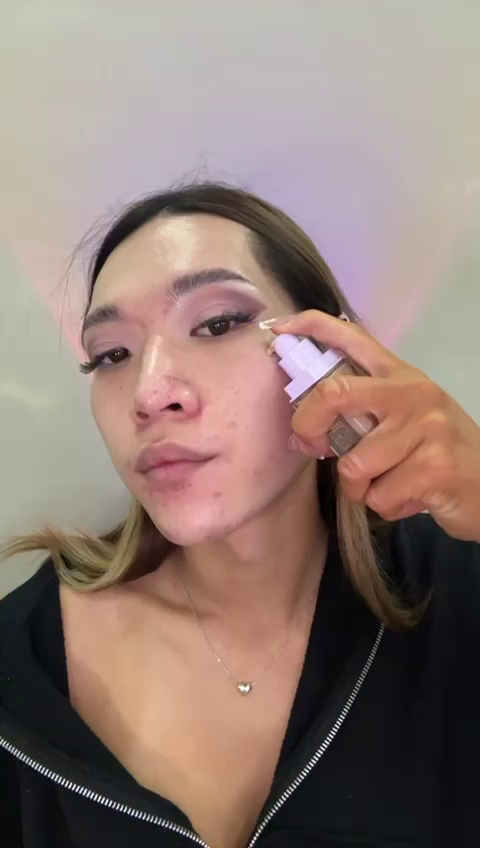
Maybelline Super Stay Lumi-Matte
My personal favorite for acne-prone skin. It wears all day without feeling like a mask, doesn't cling to texture, and the soft-matte finish looks like actual skin by hour 6. Thin layers are the move. Read my full review.
- Best for: all-day even wear on acne-prone skin
- Coverage: medium to full, buildable
- Finish: soft matte
- Watch out: apply in thin layers — heavy application looks cakey
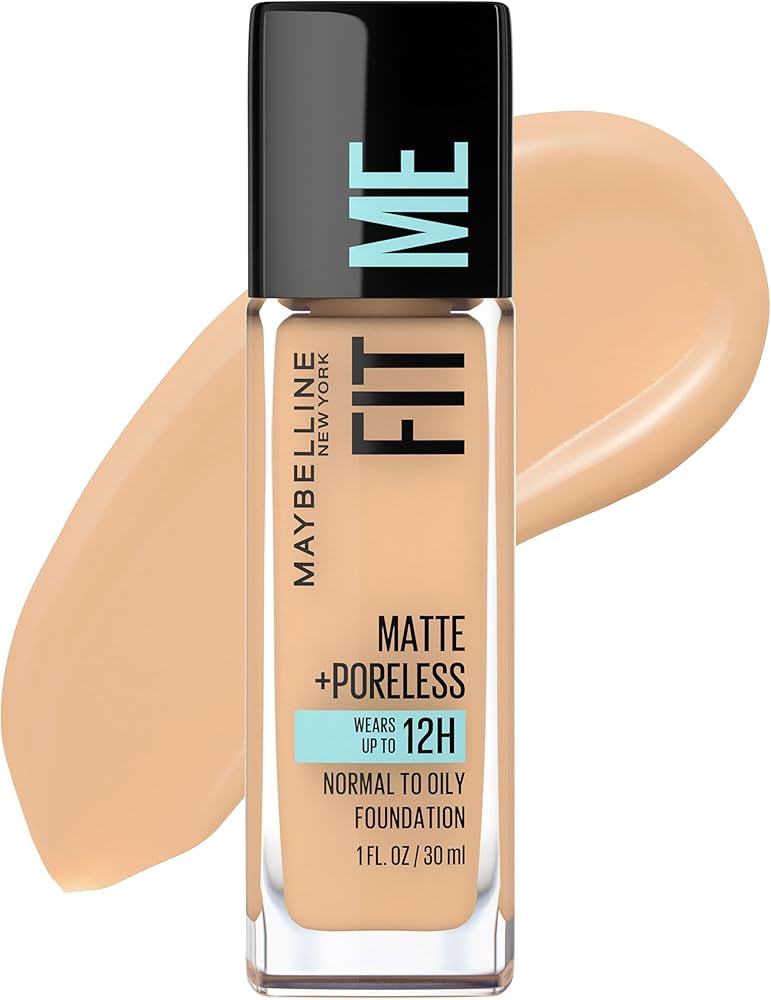
Maybelline Fit Me Matte + Poreless
The go-to budget pick for oily, acne-prone skin. Lightweight, oil-free, and genuinely matte. It's not the most refined finish but it does the job without congesting skin. My detailed thoughts.
- Best for: budget-friendly daily wear
- Coverage: light to medium
- Finish: matte
- Watch out: can look flat in dry areas — powder only the T-zone
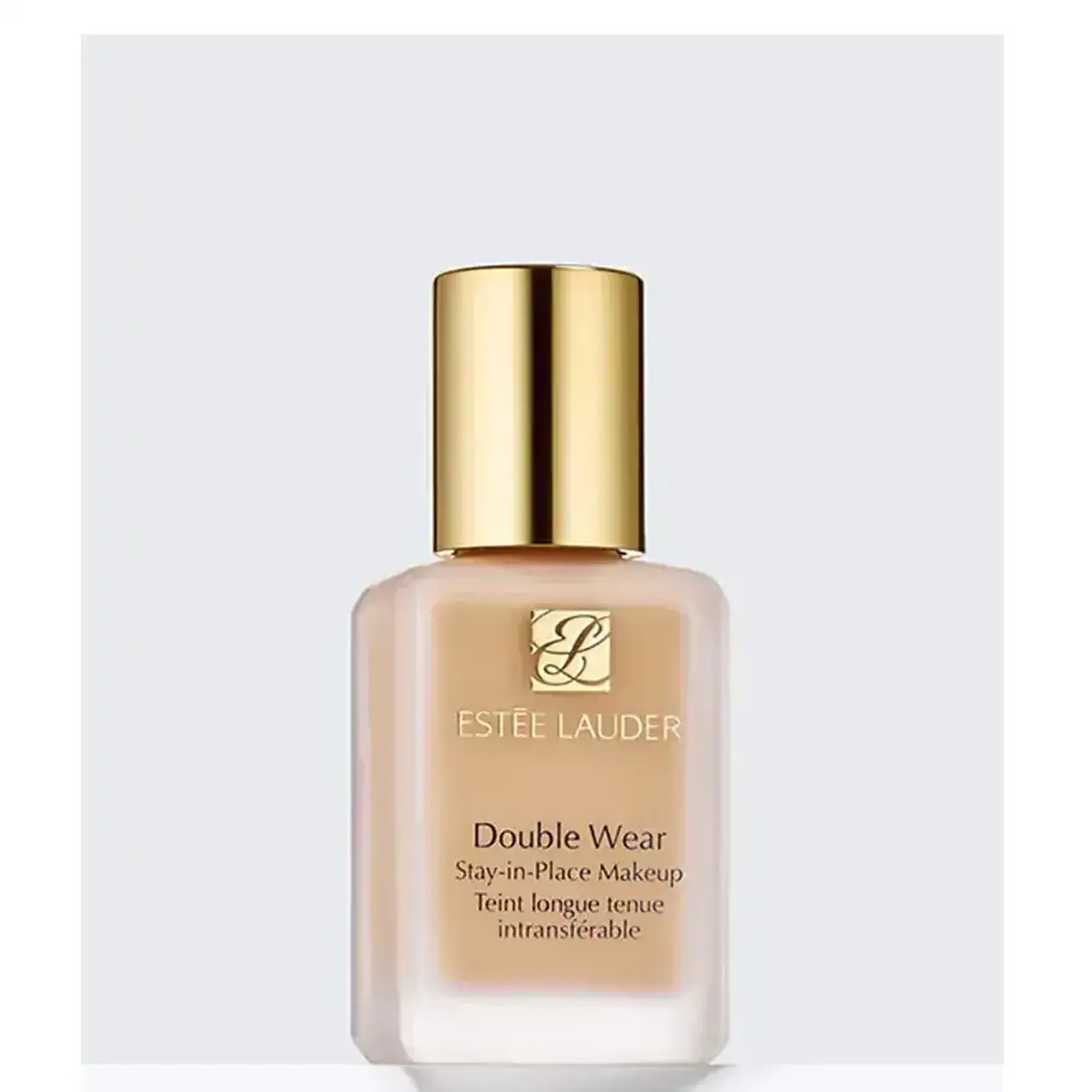
Estée Lauder Double Wear
The classic full-coverage formula that genuinely lasts. It's heavier but works beautifully applied in thin layers. Ideal if your acne-prone skin also needs maximum coverage for events or long days. Full review here.
- Best for: maximum longevity, full coverage needs
- Coverage: full
- Finish: natural matte
- Watch out: always apply in thin layers — this oxidizes slightly
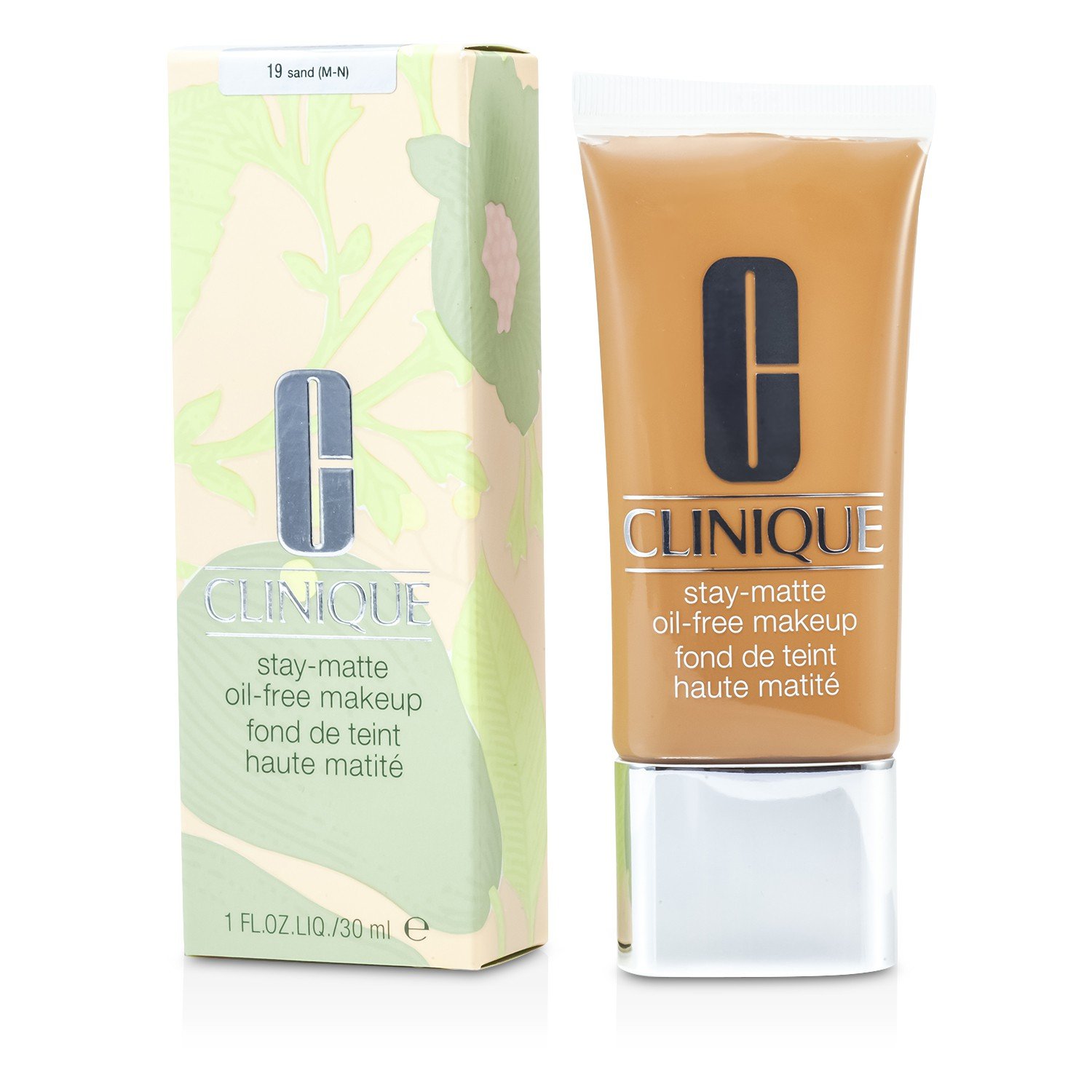
Clinique Even Better Foundation SPF 15
The most sensitive-skin-friendly option on this list. Fragrance-free, dermatologist-tested, and gives a satin finish that doesn't look flat. Great if redness and irritation are part of your acne situation.
- Best for: sensitive + acne-prone skin with redness
- Coverage: medium to full
- Finish: satin
- Watch out: not the most matte finish — oil-prone zones may need powder
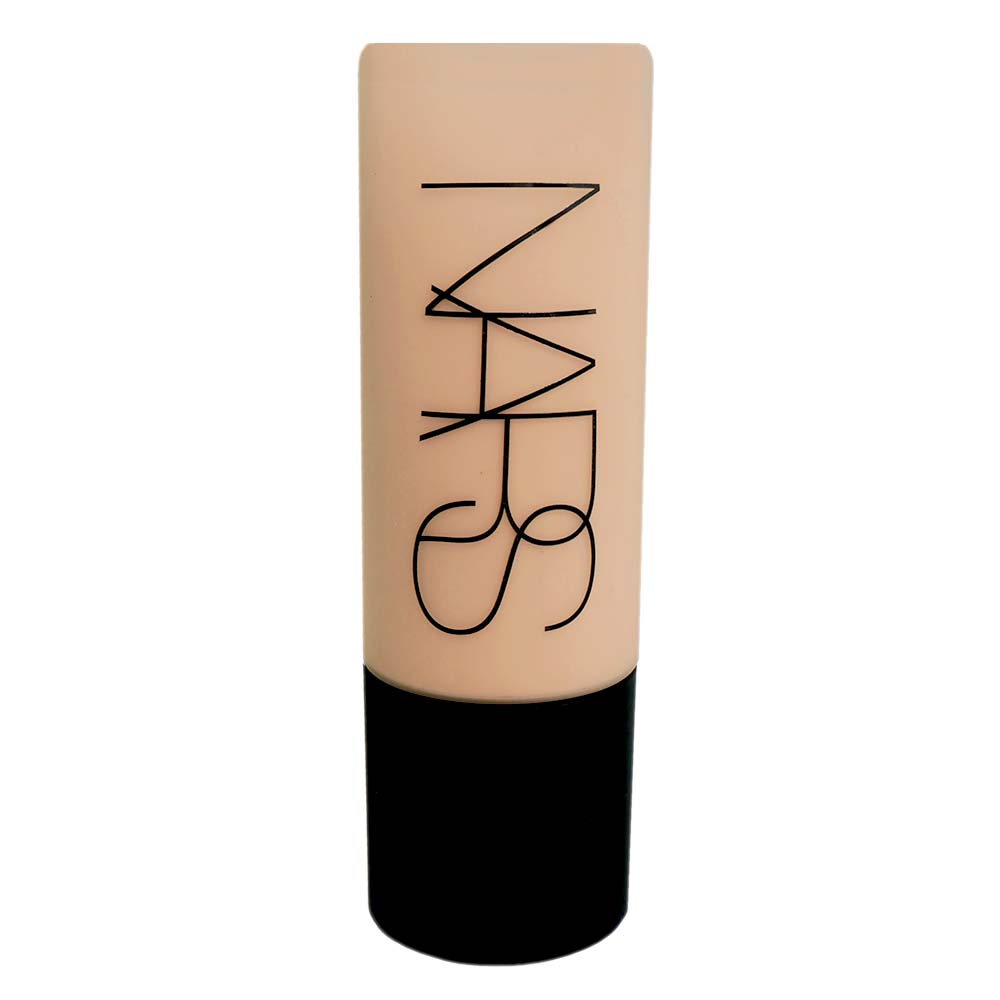
NARS Soft Matte Complete Foundation
The most natural-looking matte on this list. It blurs texture and gives a polished finish without looking powdery or flat. Great for acne-prone skin that still wants a skin-like appearance. Full review.
- Best for: natural matte finish with oil control
- Coverage: medium to full
- Finish: soft matte
- Watch out: pricier than drugstore options — but worth it for the finish
My acne-prone base routine (thin, clean, and realistic)
This is how I keep my base from becoming a breakout trigger. Simple, and it works better than complicated layering.
Step 1: Prep like you want makeup to wear evenly
- Cleanse properly first. See my guide on the best cleanser for oily acne-prone skin for advice on salicylic acid, benzoyl peroxide, and pH-balanced options.
- Moisturize enough so foundation doesn't cling.
- If you use sunscreen, apply it first and let it set before makeup — this prevents pilling.
- Keep primer optional. I only use it if my base is sliding.
Step 2: Base layer stays thin (always)
- Apply a thin layer where you need it most.
- Don't try to erase every bump with foundation. That's how you end up cakey and irritated.
- If you're also oily, the full application breakdown lives in my guide on the best way to apply foundation on oily skin.
Step 3: Spot conceal, don't smear
- Use a small brush or fingertip press directly onto blemishes.
- Let it set. If you keep tapping forever, you lift your base and make it patchy.
Step 4: Powder only the "movement zones"
- Center forehead, sides of nose, around the mouth if you break up there.
- Leave cheeks alone if they get textured or dry.
Sunscreen and foundation: what acne-prone skin needs to know
Sunscreen is a must — but layer it correctly. Apply SPF first and let it set before makeup. Choose physical sunblocks (zinc oxide or titanium dioxide) if regular sunscreens irritate you. Even if your foundation has SPF, you still need to reapply sunscreen throughout the day. Getting this right also helps prevent post-inflammatory hyperpigmentation (PIH) — the dark spots that linger after breakouts.
How I wear-test a foundation (so I don't blame the wrong product)
Don't change five things at once. Here's my simple 7-day test:
- Keep your skincare consistent for the week.
- Wear the foundation the same way (same tool, same primer yes/no).
- Track what happens at day 2–3 (irritation) vs day 5–7 (congestion).
- Remove it properly every night, no exceptions.
- If you break out, stop and reset for a few days before testing another.
Maddie's rule
If a foundation looks amazing but makes my skin feel clogged, itchy, or angry, it's not "the one." Pretty makeup is not worth a week of healing.
FAQ: Acne safe foundations + pimple coverage
Are acne safe foundations the same as non-comedogenic foundations?
Not exactly. "Non-comedogenic" is one useful filter, but acne-safe also depends on irritants, how thick you apply it, and how well you remove it.
What's the best foundation for pimple prone skin if I want full coverage?
Look for a formula that gives coverage in a thin layer, then spot conceal only where needed. Full coverage that requires heavy layering is where acne-prone skin usually starts to hate you.
What if my foundation is long-wear but makes me look textured?
Try less product, targeted powder, and pressing instead of rubbing. Also check whether your skin is dehydrated-oily — that combo makes any foundation look worse. My guide on silicone-based makeup for oily skin covers layering issues.
How do I know my skin type before choosing foundations?
Start here: How to identify your skin type.
Are cushion foundations okay for acne-prone skin?
They can be great because they encourage thin, even layers. My favorites: best cushion foundation for oily skin.
Do I need a setting spray for acne-prone skin?
Not required, but it helps makeup wear more evenly so you touch your face less. See my best setting spray for oily skin guide.
If you try one thing from this article, let it be this: keep your base thin, keep removal consistent, and pick formulas that wear evenly in your actual life. That's the acne-safe flex.